"Animals" Album Description:
In the vast realm of music history, certain releases stand out not just for their sonic brilliance but also for the distinctive marks they bear. Pink Floyd's "Animals" 12" vinyl LP is one such gem that has left an indelible imprint on collectors and enthusiasts alike, thanks to its rare attributes and exceptional production.
Released during a pivotal period in music history in 1977, "Animals" is not merely a collection of songs but a manifestation of artistic innovation and avant-garde design. The unique characteristics of this album go beyond the auditory experience, delving into the physical manifestation of the music itself.
The Uncovered Catalognr: A Clue to Rarity
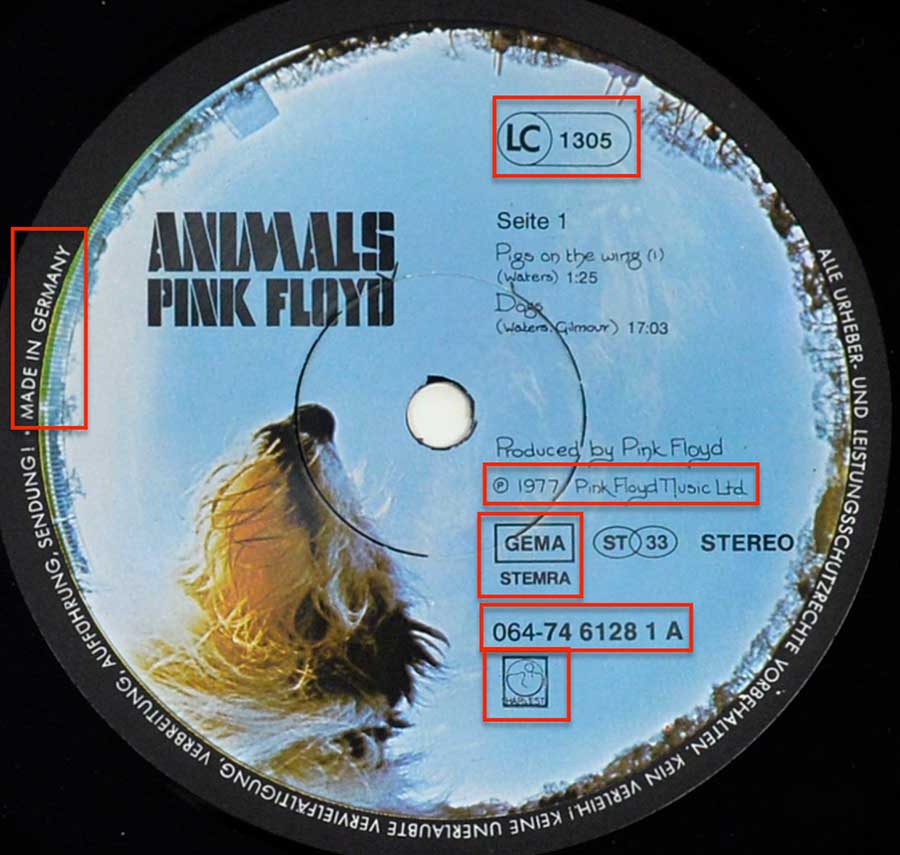
One of the distinguishing features of the rare release is the placement of the catalognr on the label. Unlike later versions where it is discreetly blacked out in the upper right half, the original version proudly displays it on the bottom right half. The seemingly subtle differences in the spacing within the catalognr offer enthusiasts a means of identifying the correct version, such as the variations 064-7 46128 and 064-74 6128.
Gatefold Album Cover: A Canvas of Mystery
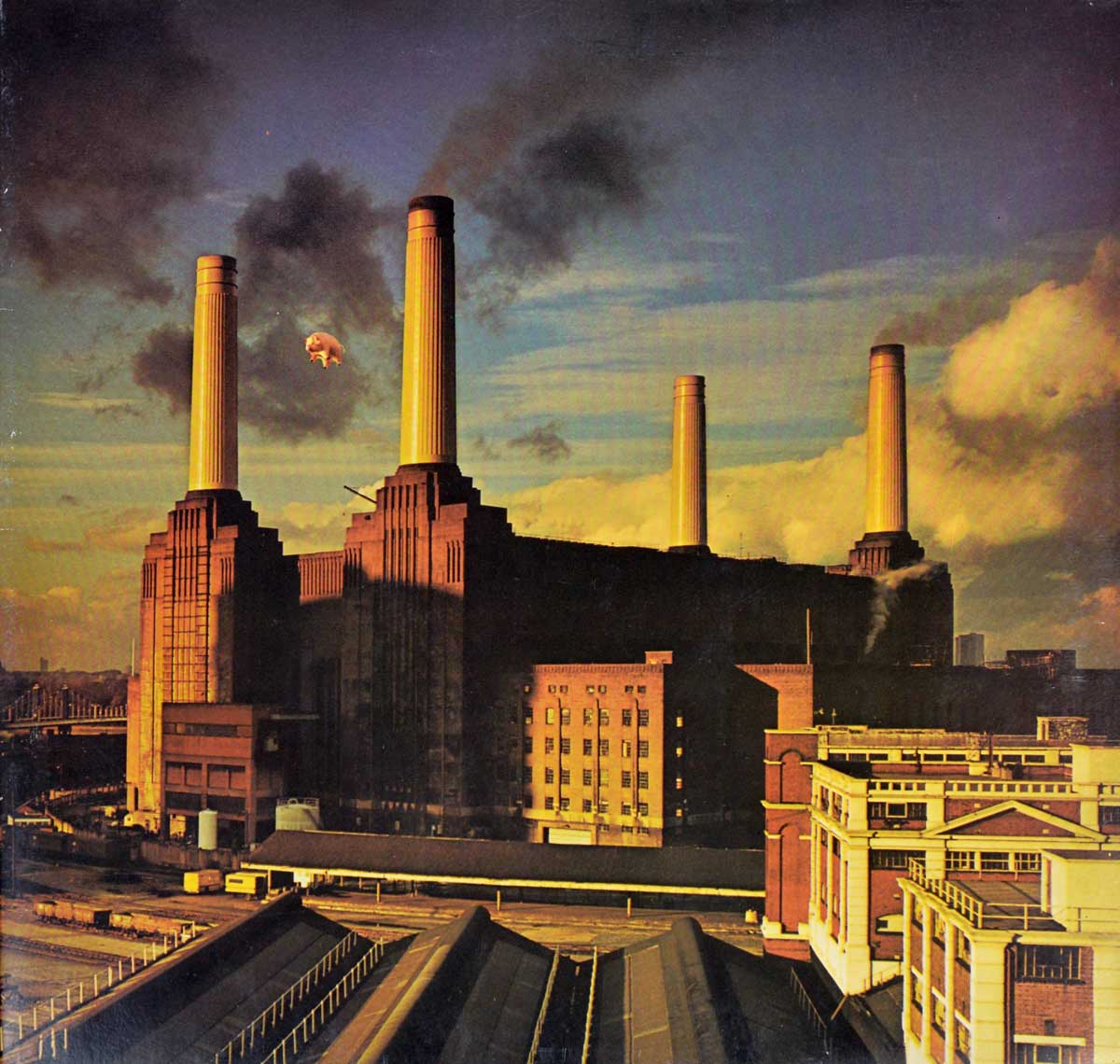
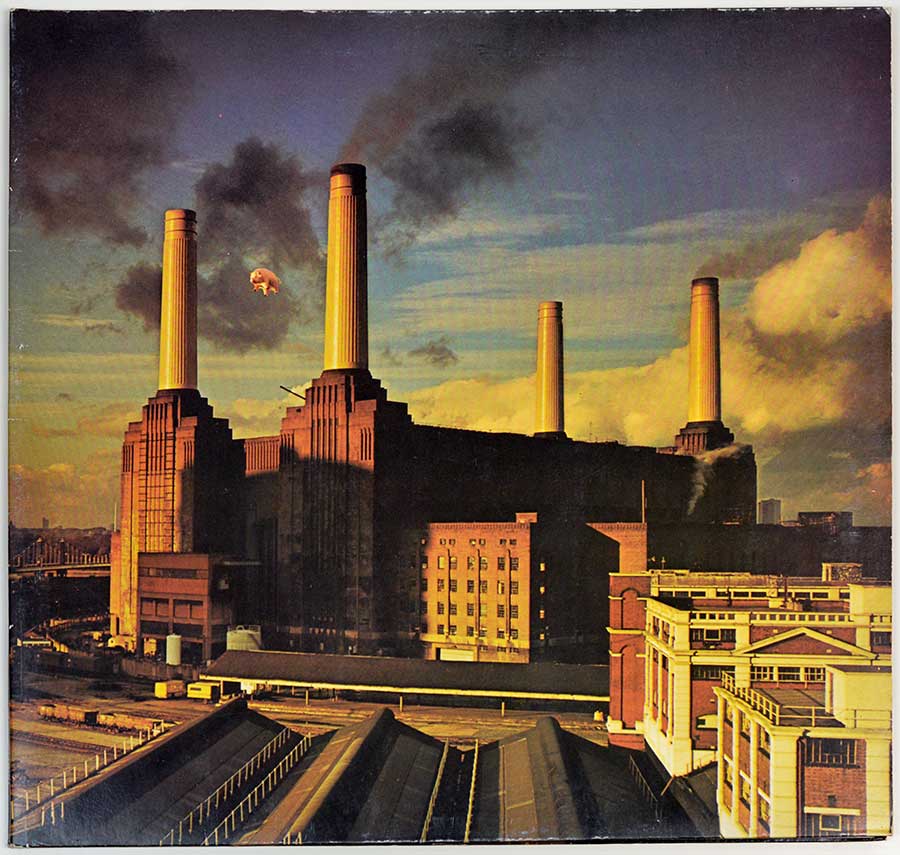
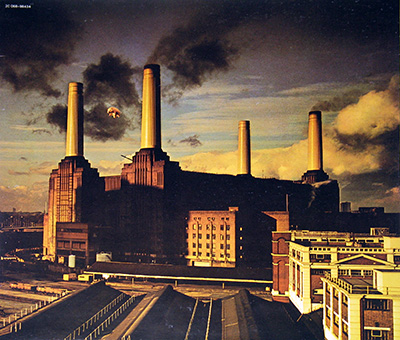
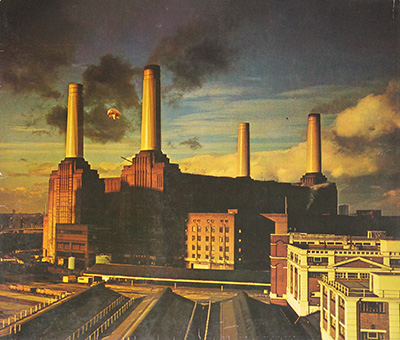
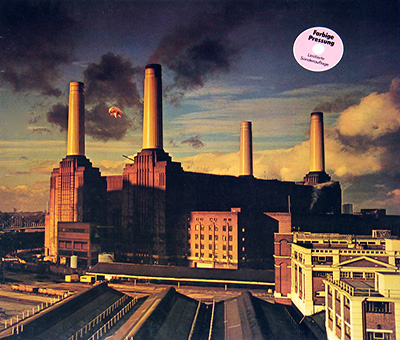
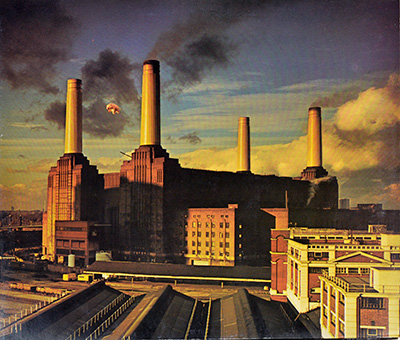
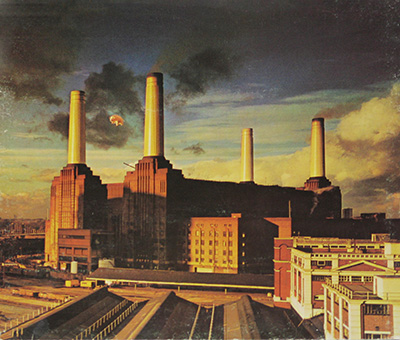
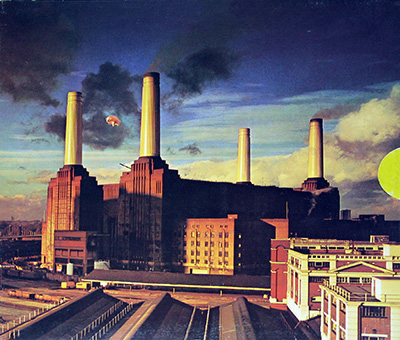
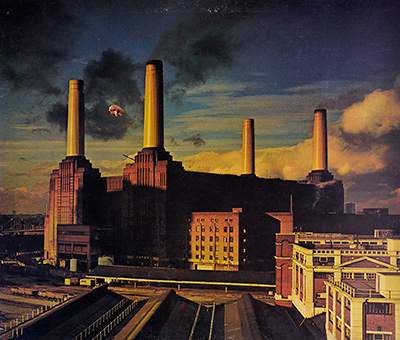
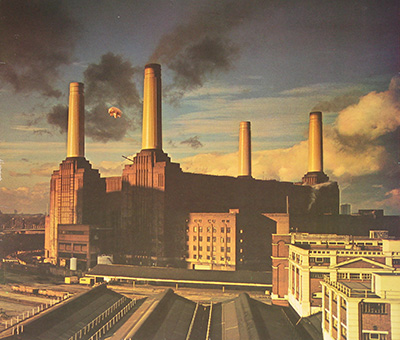
The album cover, presented in a gatefold design, holds a mystique that sets it apart from subsequent releases. Notably, there is an absence of both the album title and the band name, inviting listeners into a visual journey unburdened by conventional expectations. The decision to forgo printing the catalognr on the cover further adds to its enigmatic allure.
Back Cover Barcode and Catalog Numbers: A Barcode Revelation
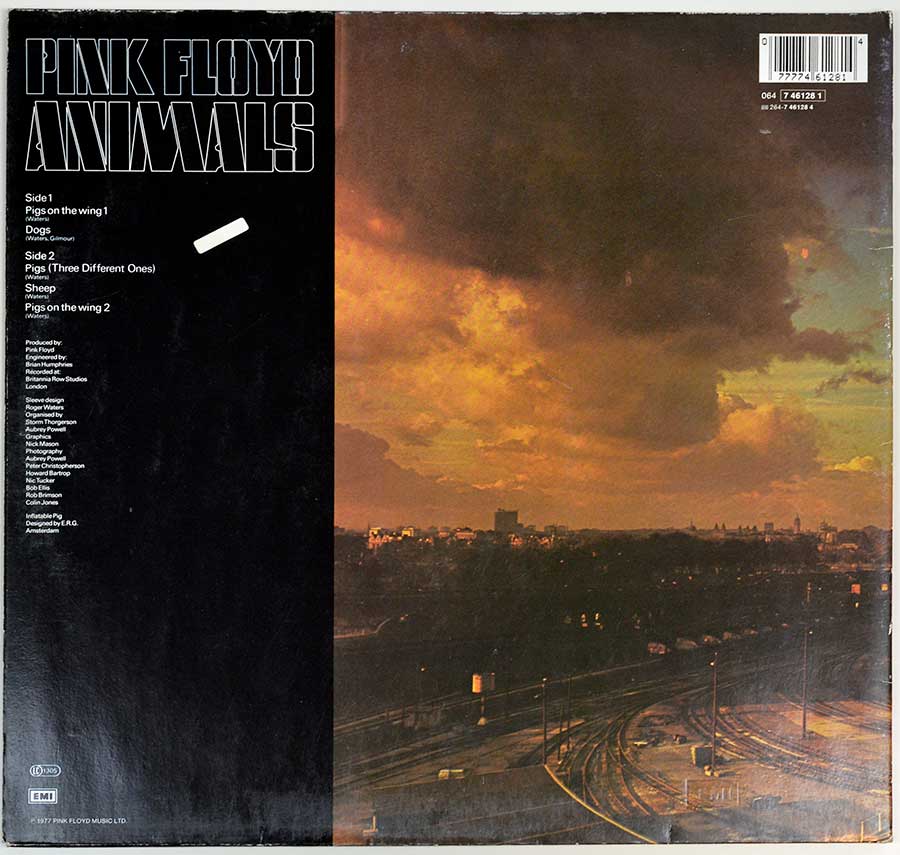
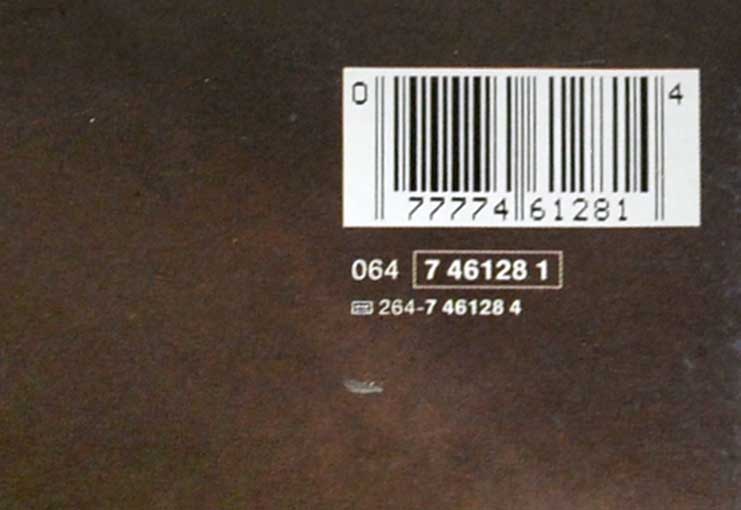
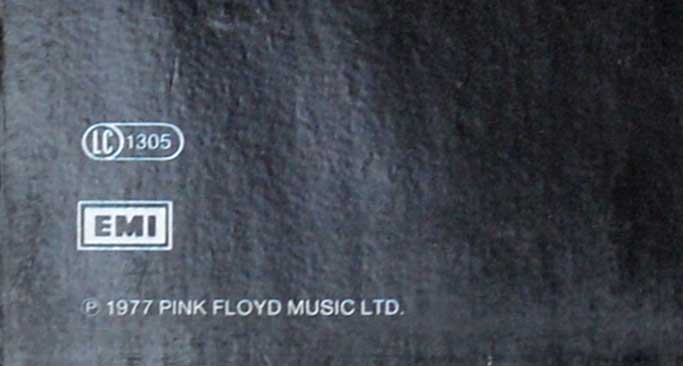
Turning the album to its back cover reveals a barcode on the top-right, accompanied by the catalognr 0 77774 61281 4. The juxtaposition of these details, along with the additional catalognr 064 7 46128 1 and 264-7 46127 4, becomes a key identifier. Meanwhile, the bottom left corner houses crucial information, including the label code "LC 1305" and the copyright details - (P) 1977 PINK FLOYD MUSIC LTD.
Record Label Elegance: A Symphony in Blue and Black
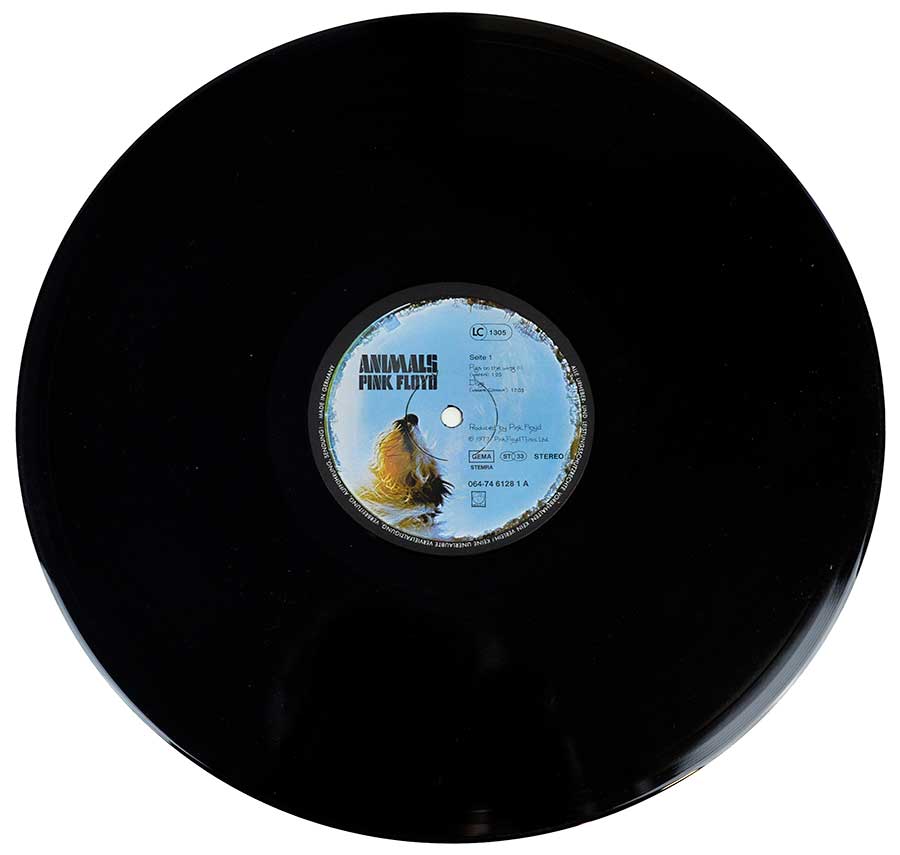
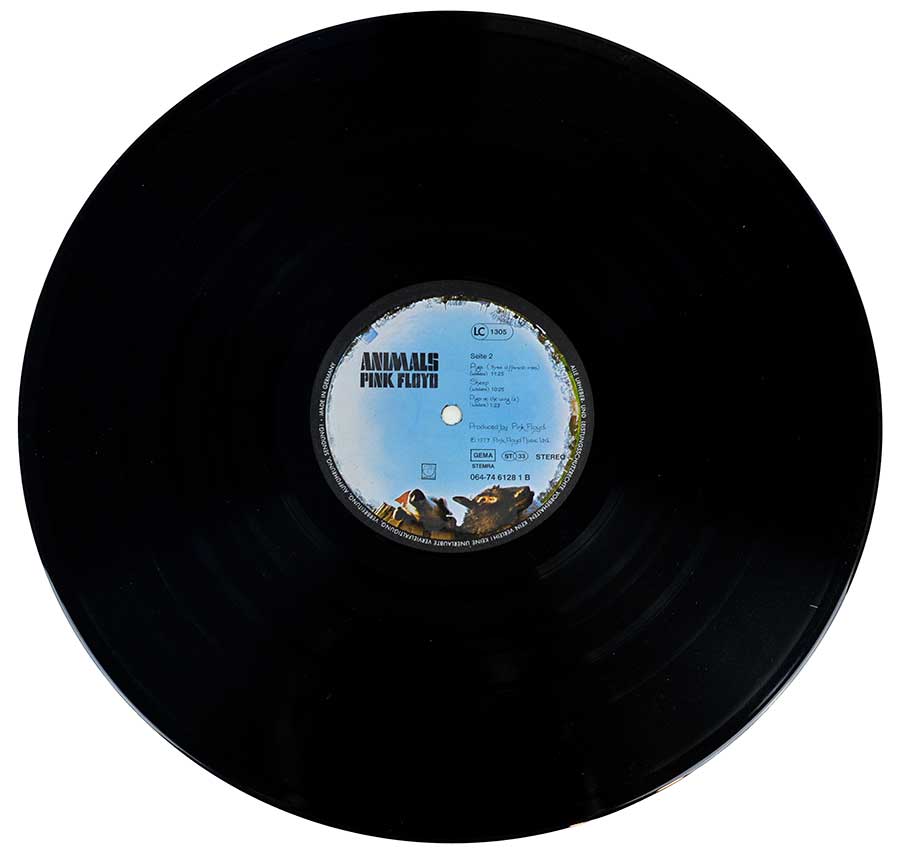
The vinyl's record label, adorned in light blue with black text, adds to the aesthetic charm. The label code "LC 1305" graces the top half, while the presence of the German societies "GEMA" and "STEMRA" on the right bottom half emphasizes its international character. The catalognr, 064-74 6128 1, holds a prominent place, distinguishing itself from other iterations.
The Creative Minds Behind the Scenes
A closer look at the album production unveils the meticulous efforts invested in crafting this musical masterpiece. Engineered by Brian Humphries and recorded at Britannia Row Studios, London, the album carries the signature sleeve design by Roger Waters. The visionary graphics by Nick Mason and the stunning photography by a team including Aubrey Powell and Peter Christopherson contribute to the visual narrative.
Inflatable Pig and Album Packaging: An Artistic Flourish
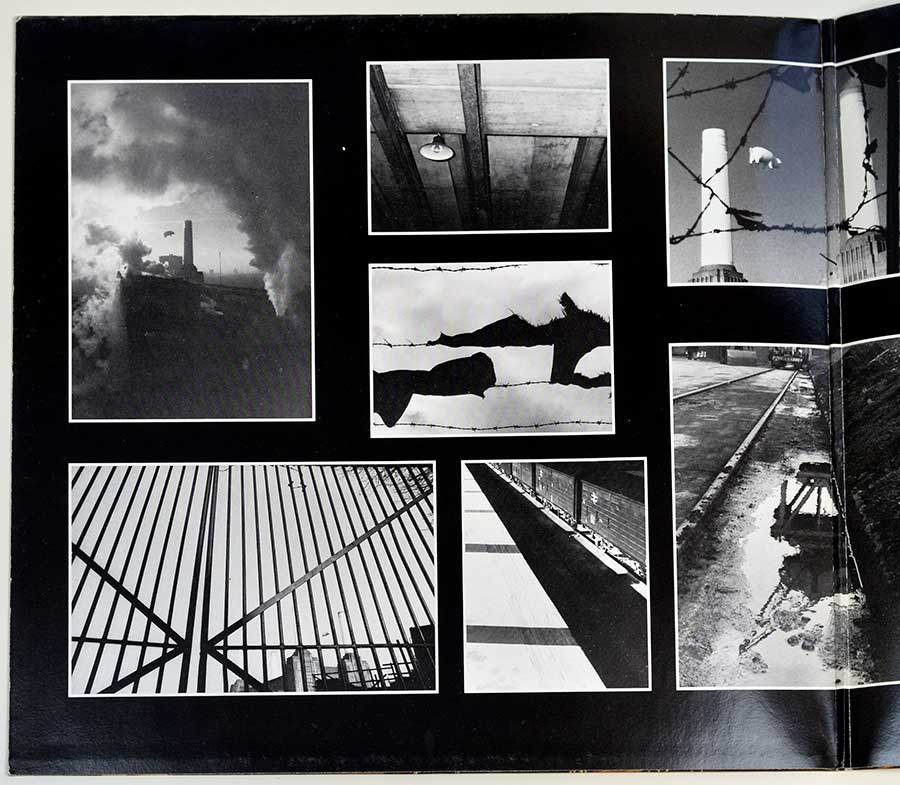
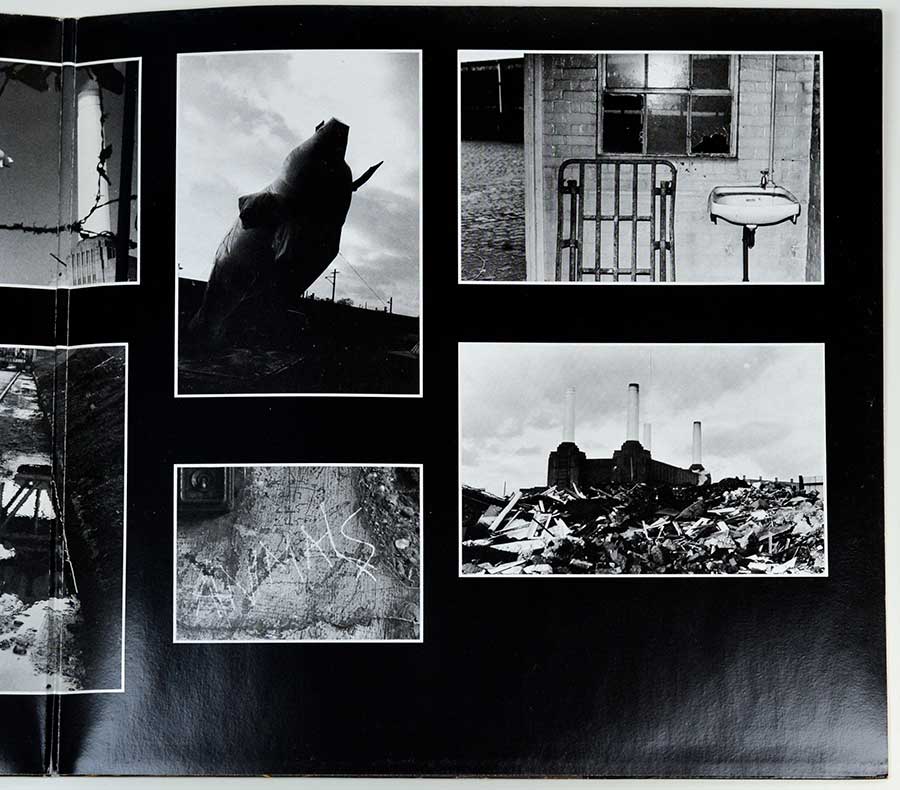
The album's packaging, presented in a Fold Open Cover (FOC), also known as a Gatefold cover, adds a tactile dimension to the listening experience. The inflatable pig, designed by E.R.G Amsterdam, becomes a symbol of the album's artistic prowess, adding an unconventional touch to its visual identity.
|
Album Fact Sheet: PINK FLOYD - Animals
|
|
Music Genre:
Prog Rock, Acid/Psych
|
Album Production:
Roger Waters Pink Floyd Music Publishers Ltd 1977 ,
Engineered by Brian Humphries,
Brian Humphries – Sound engineerI know Brian Humphries as one of those essential studio men whose work helped shape the dark weight of Black Sabbath and the wide-screen atmosphere of Pink Floyd. Read more... Brian Humphries was the sort of engineer I never ignore, because his name turns up exactly where the sound gets deeper, heavier and more cinematic. In 1970 he co-engineered Black Sabbath's "Paranoid", helping trap that blunt, iron-lunged force without polishing away its menace. With Pink Floyd, he entered the frame in 1969 on "Animals" and "Ummagumma", also working on music connected to "Zabriskie Point". He returned in the mid-1970s as front-of-house mixer during 1974, 1975 and 1977, then engineered "Wish You Were Here" in 1975 and "Animals" in 1977. By the late 1970s he was also tied to Britannia Row, right at the point where Floyd's sound became vast, cold and beautifully unsettling.
Recorded Brittania Row Studios, London,
Sleeve design by Roger Waters,
Organized by Storm Thorgerson, Aubrey Powell (
both founders of the Hipgnosis Design Group)
Graphics: Nick Mason
Photography; Aubrey Powell, Peter Christopherson, Howard Bartrop, Nic Tucker, Bob Ellis, Rob Brimson, Colin Jones
Inflatable Pig designed by E.R.G Amsterdam (Eventstructure Research Group Amsterdam)
|
|
Record Label & Catalognr:
Harvest – 064-74 6128 1
|
Album Packaging:
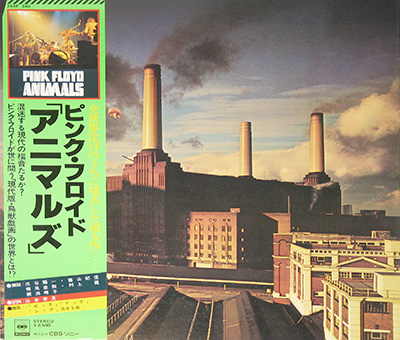
This 12" LP black vinyl music record comes comes in a Fold Open Cover (FOC), which is also also known as a Gatefold cover. The inner pages of this album cover contains photos
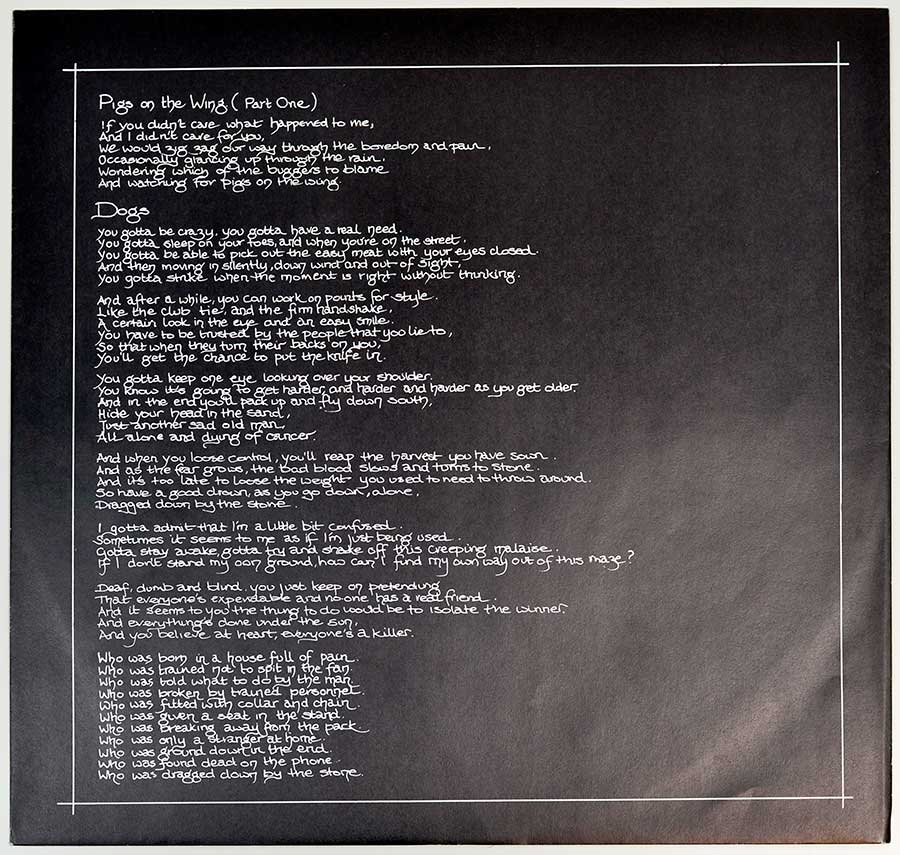
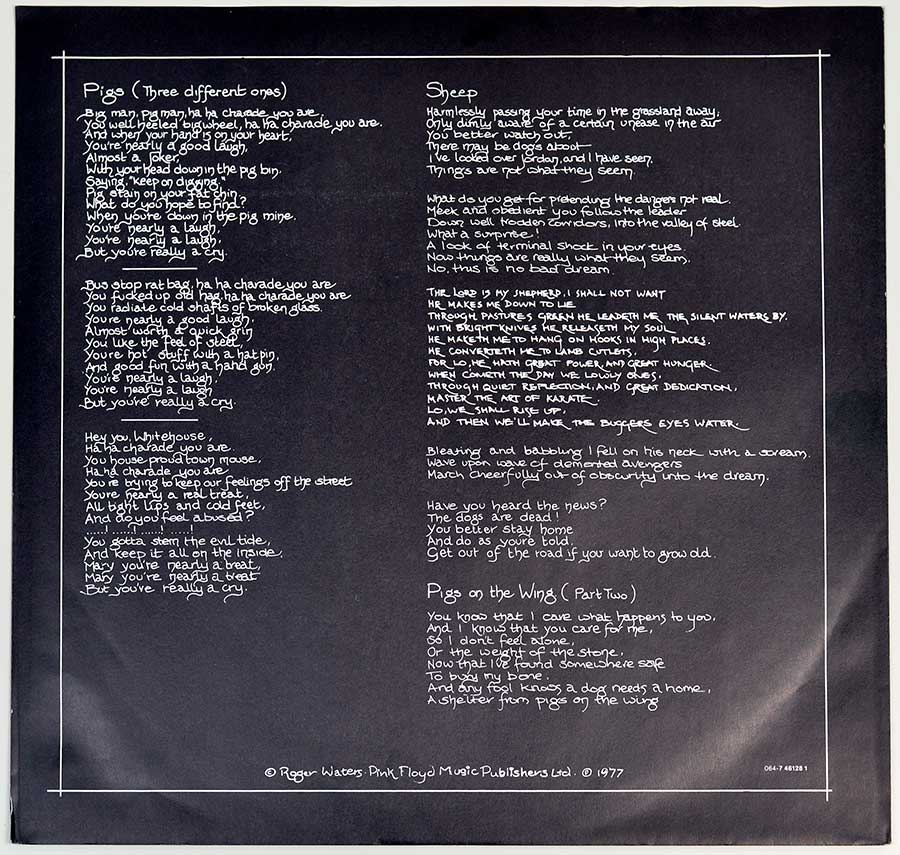
This album "PINK FLOYD - Animals" includes the original custom inner sleeve with album details, complete lyrics of all songs by and artwork/photos
|
|
Record Format:
12" Vinyl Stereo Gramophone Record
Total Album (Cover+Record) weight: 280 gram
|
|
Country: Germany and Netherlands
|
Personnel/Band Members and Musicians on: PINK FLOYD - Animals
|
Band-members, Musicians and Performers
- David Gilmour – Lead Guitar
- David Gilmour – Guitar, vocals
David Gilmour is the voice-and-fingers combo I hear whenever Pink Floyd turns from “spacey” into straight-up cinematic: he joined in 1967 and basically helped define what “guitar tone with emotions” even means. Read more... David Gilmour is, for me, the calm center of Pink Floyd’s storm: an English guitarist, singer, and songwriter whose playing can feel gentle and devastating in the same bar. His earliest band period worth name-dropping is Jokers Wild (1964–1967), before he stepped into Pink Floyd in 1967 as Syd Barrett’s situation unraveled. From there his main performing era is Pink Floyd (1967–1995), including the post-Roger Waters years where the band continued under his leadership and released "A Momentary Lapse of Reason" (1987) and "The Division Bell" (1994), with a later studio coda in "The Endless River" (2014). Outside Floyd, he’s had a long solo run (1978–present) with albums ranging from "David Gilmour" (1978) to "Luck and Strange" (2024), and he even did a sharp side-quest in 1985 with Pete Townshend’s short-lived supergroup Deep End. And for one historic night, the classic lineup reunited at Live 8 in Hyde Park, London on 2 July 2005—one of those “you had to be there (or at least press play)” moments.
- Roger Waters – Lead And Harmony Vocals, Guitars
- Roger Waters – Bass, vocals, songwriter
Roger Waters is the guy I blame (politely) when a Pink Floyd song stops being “spacey vibes” and starts staring straight through you with lyrics that feel like a courtroom cross-examination. Read more... Roger Waters is, to my ears, Pink Floyd’s razor-edged storyteller: bassist, singer, and the main lyric engine who pushed the band from psychedelic drift into big, human-scale themes. His key band period is Pink Floyd (1965–1985), where he became the dominant writer through the 1970s and early 1980s, before leaving and launching a long solo career (1984–present). After years of public tension, he briefly reunited with Pink Floyd for a one-off performance at Live 8 in London on 2 July 2005—basically the musical equivalent of spotting a comet: rare, bright, and gone again. Since the late 1990s he’s toured extensively under his own name, staging huge concept-driven shows that revisit Floyd classics like "The Dark Side of the Moon" (notably on the 2006–2008 tour) and "The Wall" (2010–2013), because apparently subtlety is not the point when you’ve got something to say.
- Nick Mason – Drums, Percussion
- Richard Wright
- Keyboards
- Richard Wright – Keyboards, vocals
Richard Wright is the secret atmosphere machine in Pink Floyd: the guy who can make one chord feel like a whole weather system, and then casually add a vocal harmony that makes it hit even harder. Read more... Richard Wright (born Richard William Wright) is, for me, the understated genius of Pink Floyd: co-founder, keyboardist, and occasional lead vocalist whose textures are basically baked into the band’s DNA. His main performing period with Pink Floyd runs from 1965 to 1981 (including the early albums through the massive arena years), then he returned as a full member again from 1987 to 1994 for the later era tours and albums. In between those chapters, he didn’t just vanish into a fog machine: he released a solo album, "Wet Dream" (1978), and later "Broken China" (1996), and he also had a proper side-project moment with Zee (1983–1984), which produced the album "Identity" (1984). He passed away in 2008, but his playing still feels like the part of Pink Floyd that makes the air shimmer.
- Guest Musicians:
- Snowy White
|