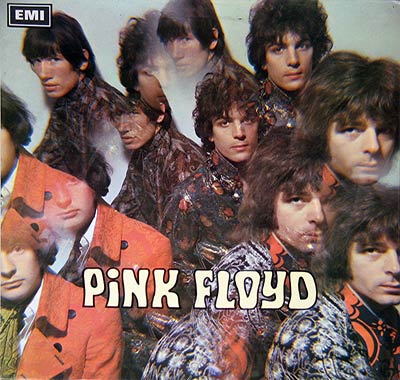
Pink Floyd: Navigating Change and Creating Legends
Band Description:
Pink Floyd's journey from 1968 to the early 1990s was a tumultuous one, marked by lineup changes, creative conflicts, and legal battles. However, amidst these challenges, the band produced some of the most iconic and influential music in rock history.
1968-1979: The Classic Lineup
The arrival of David Gilmour in 1968 coincided with the departure of Syd Barrett , whose mental health struggles made him unable to continue. Gilmour's guitar work and vocals seamlessly blended with the band's existing sound. This lineup, featuring Gilmour, Roger Waters , Nick Mason , and Richard Wright , became the most recognized and celebrated.
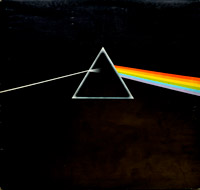
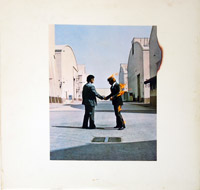
This era saw the release of groundbreaking albums that explored themes of madness, war, greed, and the human condition. "The Dark Side of the Moon" (1973) is considered one of the greatest albums of all time, with its exploration of themes like time, mortality, and mental illness. "Wish You Were Here" (1975) paid homage to Barrett while delving into themes of absence and the music industry. "Animals" (1977) offered a scathing critique of capitalism and social inequality. Finally, "The Wall" (1979) presented a semi-autobiographical rock opera about isolation and personal struggles.
1979-1985: Departures and Disputes
Creative tensions and personal conflicts began to surface during the recording of "The Wall." Richard Wright was dismissed from the band by Waters, though he remained as a paid session musician for the subsequent tour. Waters' influence over the band's direction grew, leading to further strain.
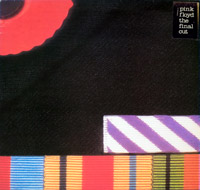
After the release of "The Final Cut" in 1983, essentially a Waters solo album, the band went on hiatus. In 1985, Waters declared Pink Floyd "a spent force creatively" and attempted to legally dissolve the band. However, Gilmour and Mason contested this, leading to a protracted legal battle.
1987-Early 1990s: The Gilmour-Led Era
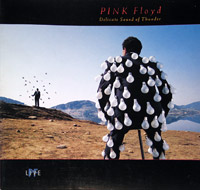
Gilmour and Mason ultimately won the legal right to continue using the Pink Floyd name. They reunited with Wright, initially as a session musician and then as a full member. This Gilmour-led era saw the release of "A Momentary Lapse of Reason" (1987) and "The Division Bell" (1994). These albums, while commercially successful, were met with mixed critical reception, with some feeling they lacked the depth and conceptual ambition of earlier works. Nevertheless, they solidified Pink Floyd's presence in the music scene and featured impressive live shows.
Legacy
Pink Floyd's journey through this period is a testament to their resilience and enduring musical legacy. Despite the challenges and changes, their music continues to resonate with listeners across generations. Their groundbreaking albums, innovative live performances, and exploration of complex themes have cemented their place as one of the most important and influential bands in rock history.
Even today, Pink Floyd's music continues to inspire and captivate, reminding us of the power of artistic expression and the enduring human spirit.