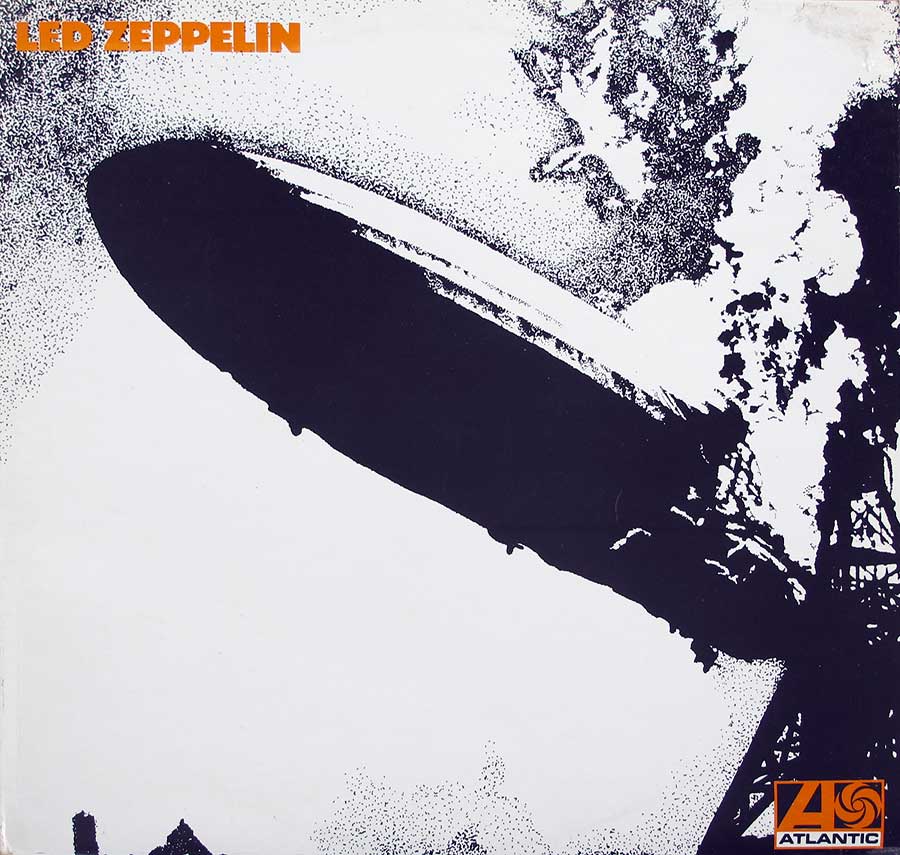
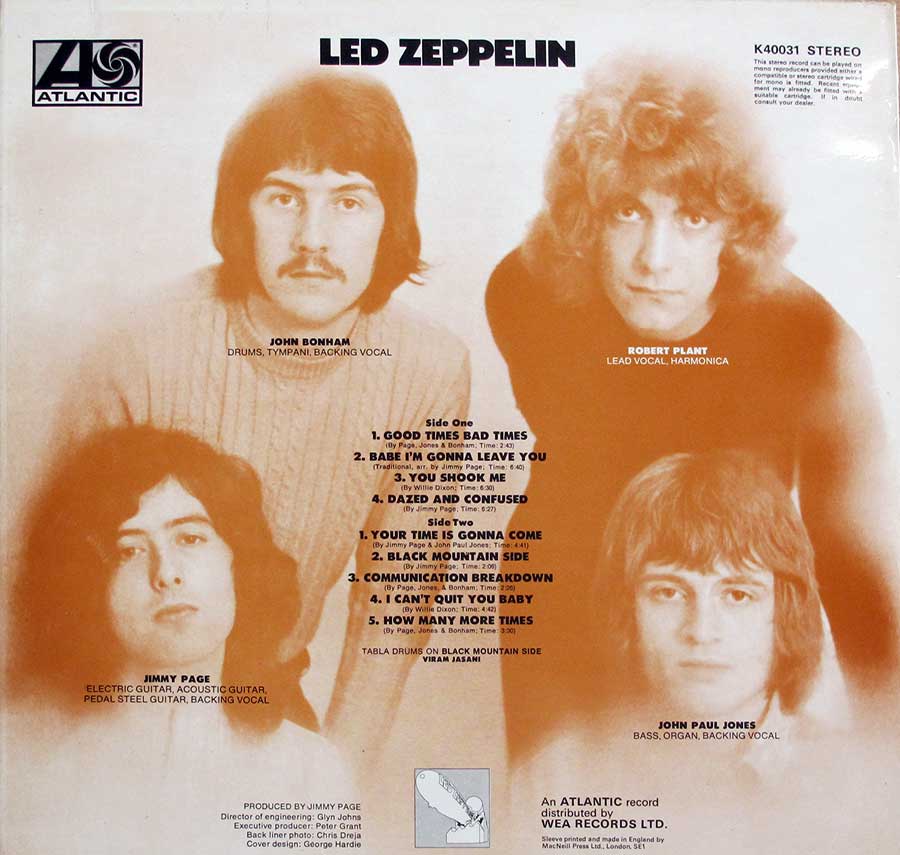
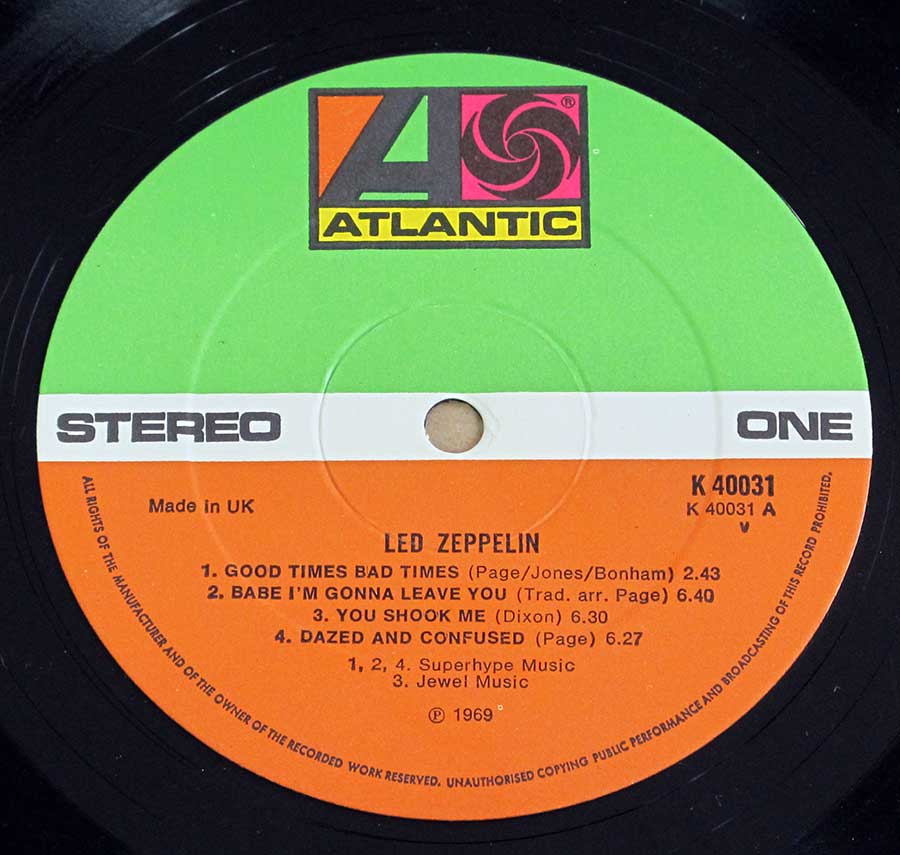
In the waning days of the psychedelic haze that was 1968, when flower power wilted and the Summer of Love grew cold, a sonic thunderclap erupted from the heart of Swinging London. It was the raw, unadulterated howl of Led Zeppelin's debut album, a primal scream that ripped through the remnants of peace and love, leaving a trail of scorched earth and electrified souls in its wake.
Historically, this wasn't just another rock record. The Beatles were still evolving, the Stones were licking their wounds after the Altamont debacle, and Cream had just imploded. The landscape was ripe for a new sound, a new energy. Enter four young Brits with a hunger in their bellies and fire in their fingers, ready to unleash a sonic maelstrom the likes of which the world had never heard.
Led Zeppelin I was a musical exploration, a fearless fusion of blues, rock, and folk, forged in the crucible of Jimmy Page's Yardbirds apprenticeship and Robert Plant's soaring, banshee wail. It wasn't just the blues, it was the *blues on steroids*, amplified to ear-splitting levels and infused with a raw, sexual energy that made parents clutch their pearls and teenagers pump their fists.
"Dazed and Confused" was a 10-minute odyssey of psychedelic blues-rock, a showcase for Page's virtuosity and Plant's unhinged vocal acrobatics. The song's improvisational nature and raw power made it a live staple, captivating audiences with its sheer intensity and unpredictability. "You Shook Me" and "Babe I'm Gonna Leave You" were gut-wrenching blues standards, reinterpreted with a ferocity that made the originals sound like lullabies. Plant's emotive vocals and Page's searing guitar solos breathed new life into these classic songs, showcasing the band's ability to pay homage to their influences while forging their own unique path. And "Communication Breakdown" was a three-minute blast of pure adrenaline, a proto-punk anthem that set the template for a generation of headbangers. Its driving rhythm, catchy riff, and Plant's frenetic vocals made it an instant classic, capturing the youthful energy and rebellious spirit of the late '60s.
But this was more than just a new genre of music; it was a cultural earthquake. The album's raw energy and unapologetic sexuality sparked controversy, with critics decrying its "loudness" and "vulgarity." But that just fueled the fire. The kids got it. They felt the primal power, the unbridled passion, the sheer *balls* of this music. It spoke to their teenage angst, their rebellion against the status quo, their yearning for something real in a world of plastic smiles and empty promises.
Behind the scenes, the album's production was a testament to Page's vision and the band's raw talent. Recorded in a matter of days at Olympic Studios with engineer Glyn Johns, it captured the band's live energy with minimal overdubs. Page's guitar roared, John Paul Jones' bass thundered, John Bonham's drums pounded like a tribal war beat, and Plant's voice soared like a banshee on a bender. It was a sonic assault, a wall of sound that left you breathless and exhilarated.
Led Zeppelin I wasn't just an album; it was a declaration of war. It was a primal scream that shattered the peace and love facade of the late '60s, ushering in a new era of rock and roll excess and rebellion. It was the sound of four young men pushing the boundaries of music and culture, unafraid to piss off the establishment and embrace their own primal instincts. And in the process, they created a masterpiece that continues to resonate with listeners today, a testament to the enduring power of rock and roll.