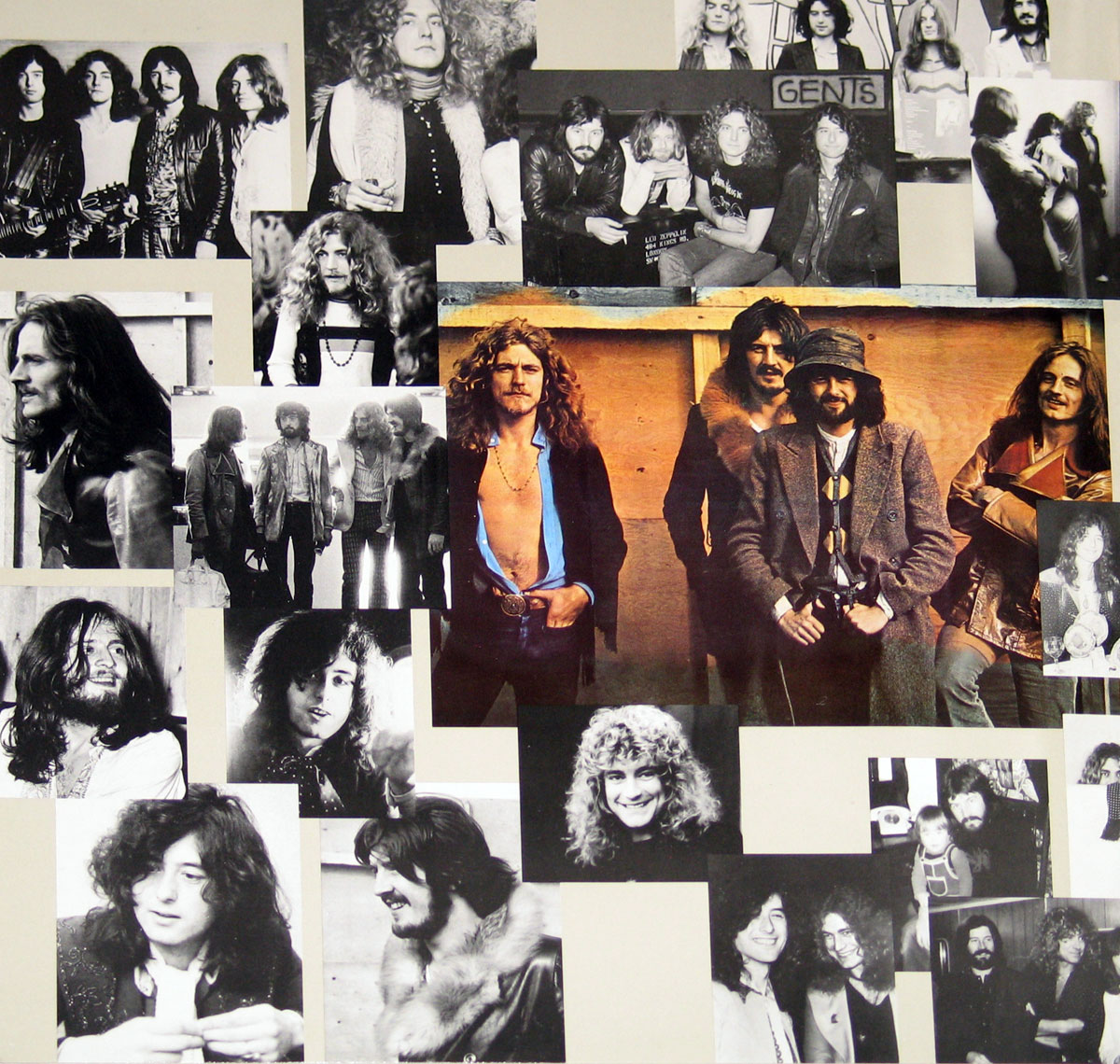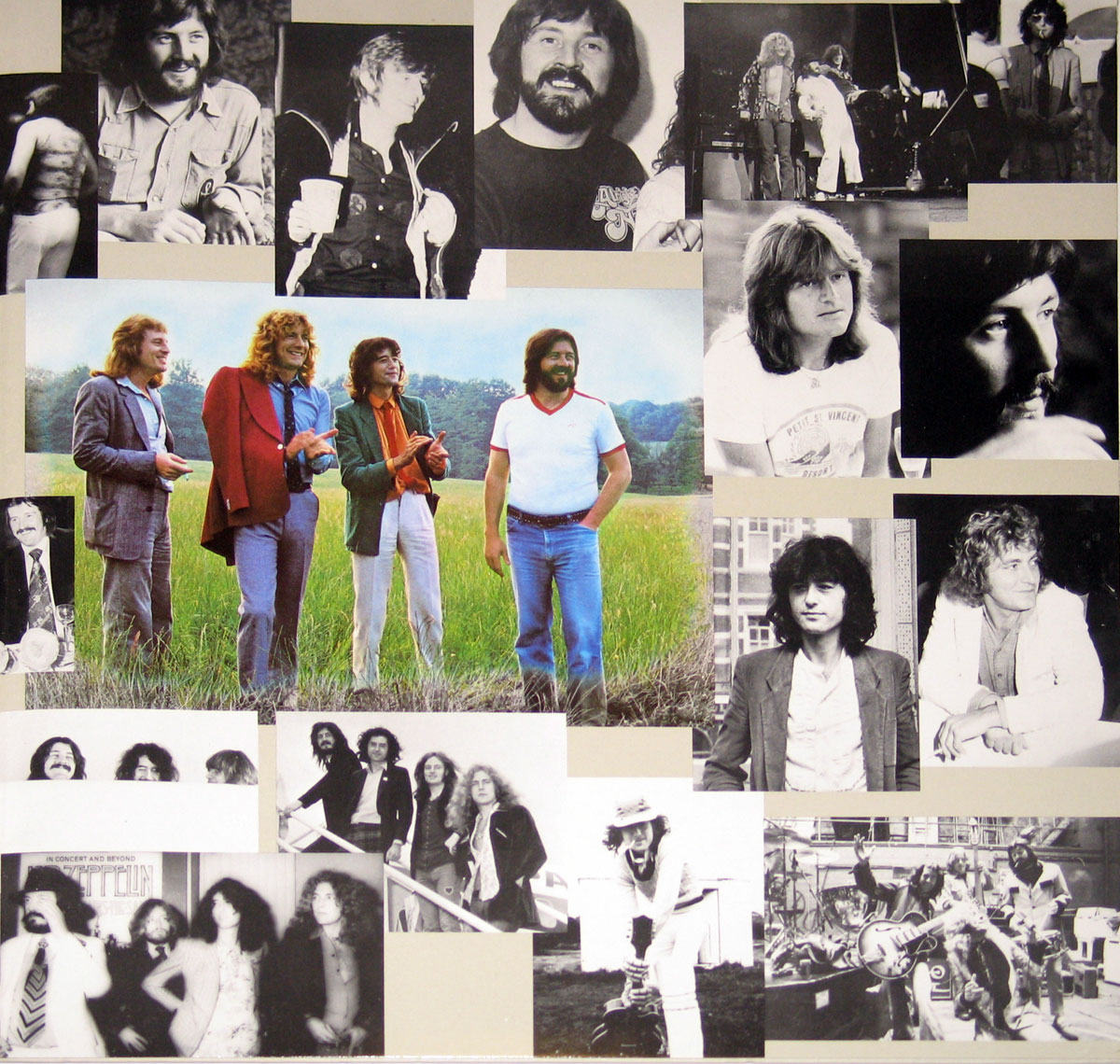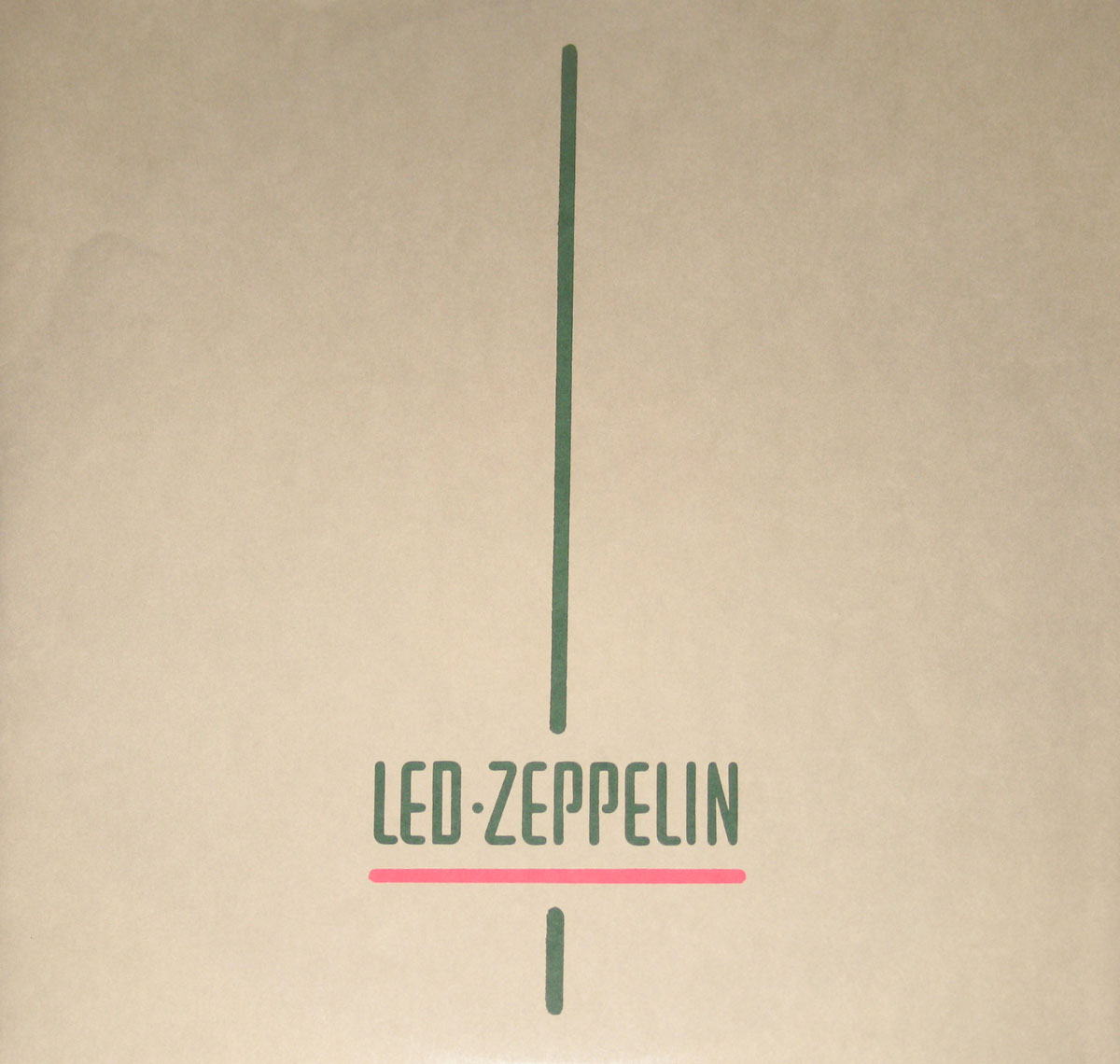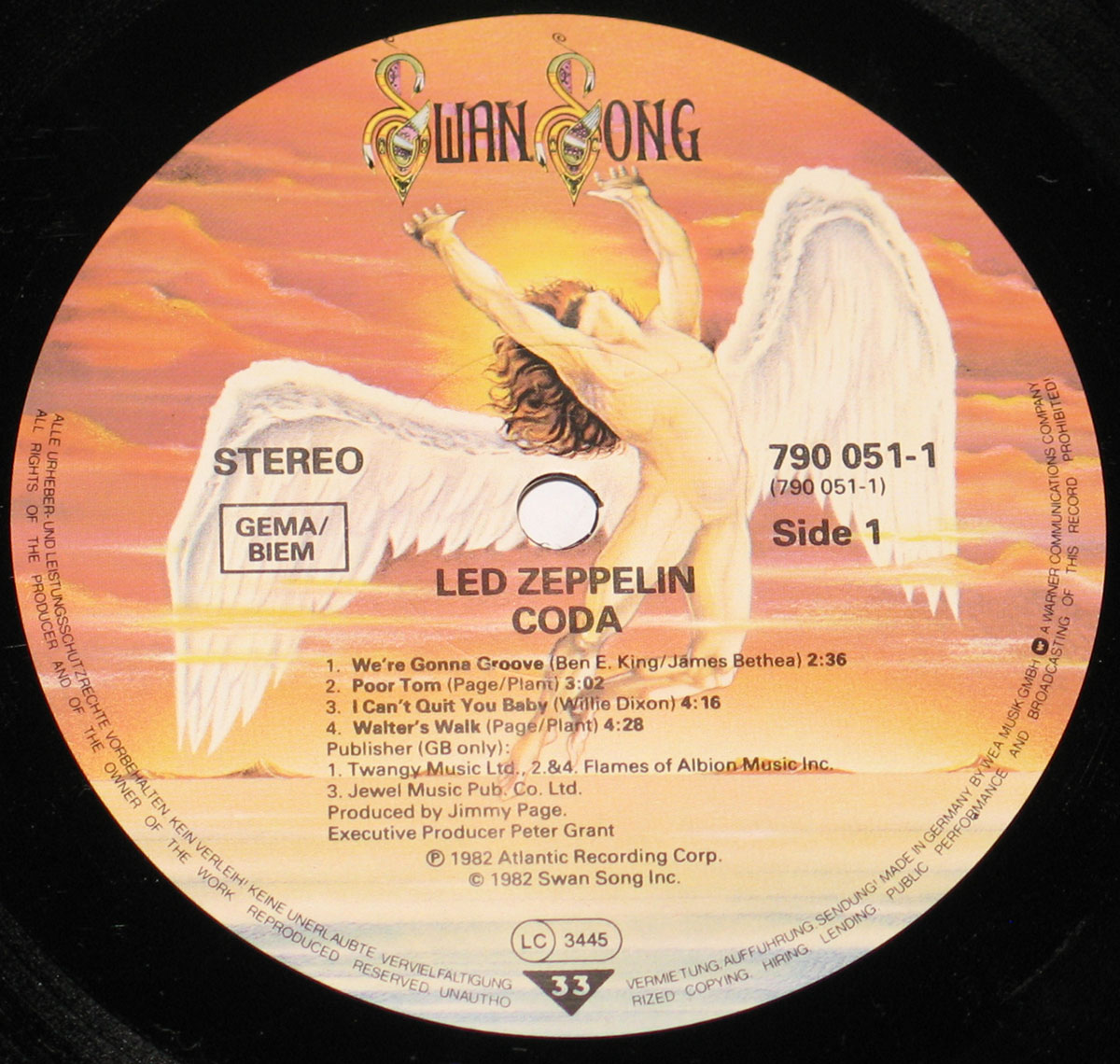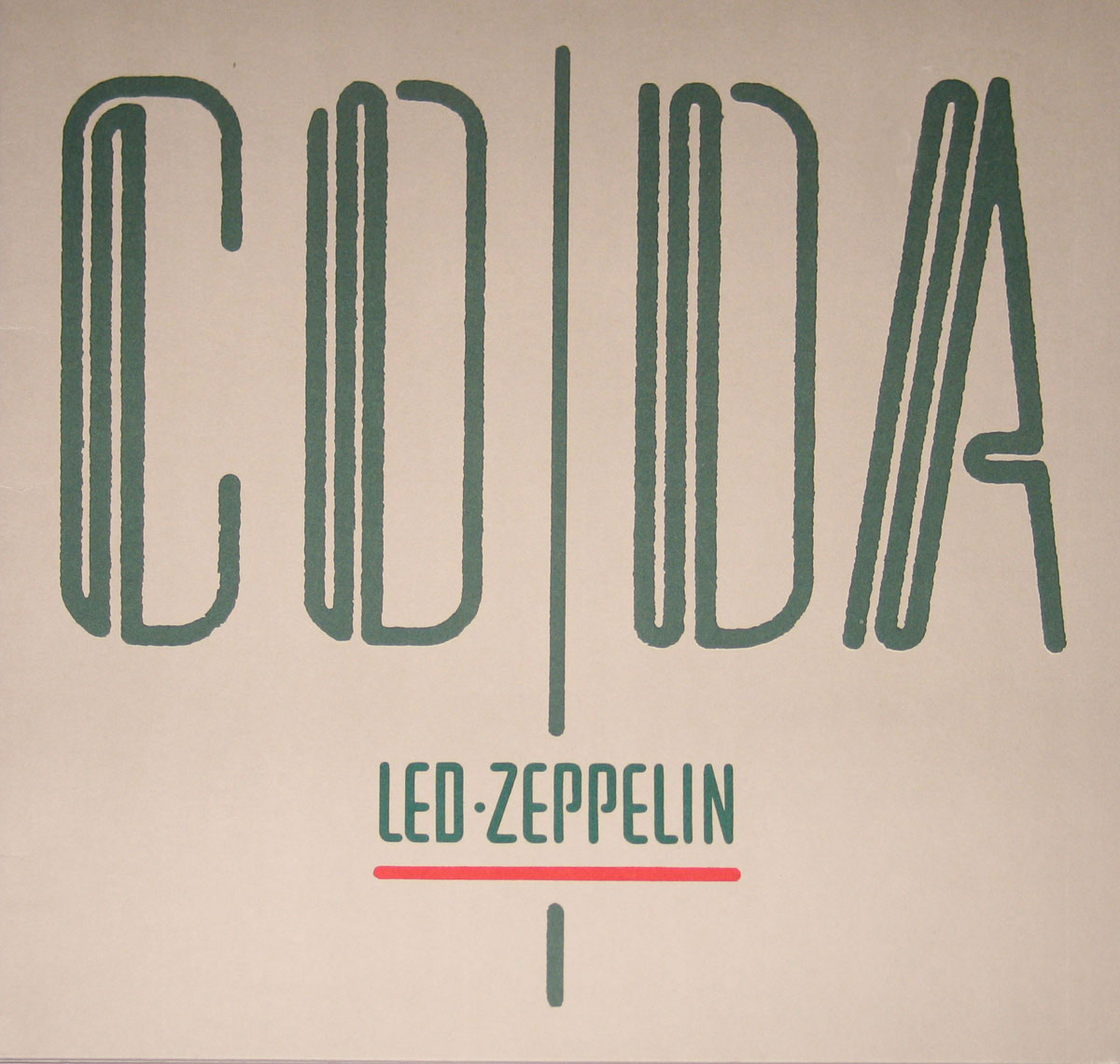
"Coda" Album Description:
"Coda" is the record that shows up after the party, when the lights are half-on and everyone is pretending they are not tired. It landed in 1982, after Led Zeppelin had already stopped being a band in 1980 when John Bonham died. And yeah, you can feel that. Not in a dramatic, violin-on-a-grave way. More like the quiet thud of a door closing.
People love to call it the band’s ninth and final album, and sure, on paper that’s true enough. But this is not a shiny "new studio statement." This is the drawer being emptied: outtakes, rejects, leftovers, the bits that didn’t fit when the machine was still running at full speed.
The title is almost annoyingly perfect. A coda is the ending passage, the bit after the main body. The thing you play because stopping cleanly would feel too sudden. That’s exactly what this LP does: it doesn’t rewrite the Zeppelin story, it tacks on the last scraps of it and lets them rattle around in your head.
I like "Coda" best when I treat it like what it is: a release that exists because the world kept demanding "one more thing." Some fans hear scraps. I hear the workbench. You can tell what they threw away, and you can tell why the standards were brutal.
"Bonzo's Montreux" is the emotional landmine here. No lyrics, no pleading, just Bonham’s presence pressing up through the grooves like the room suddenly got heavier. It’s not a memorial, but it does what memorials do: it reminds you what’s missing without asking permission.
On vinyl, it’s even more blunt. Big sleeve, real weight, that familiar little ritual of lowering the needle and hearing the first breath of surface noise. "Coda" doesn’t feel like a victory lap. It feels like proof that endings aren’t neat, and anyone who tells you otherwise is selling something.
References
- Vinyl Records Gallery: "Coda" high-resolution album cover photos (this page)
- Vinyl Records Gallery: high-resolution album cover archive
- Wikipedia: Led Zeppelin - "Coda" (release context + overview)
- Discogs: Led Zeppelin - "Coda" (release variations)
- Encyclopaedia Britannica: Led Zeppelin (band timeline)