"IV" or "Zoso" Album Description:
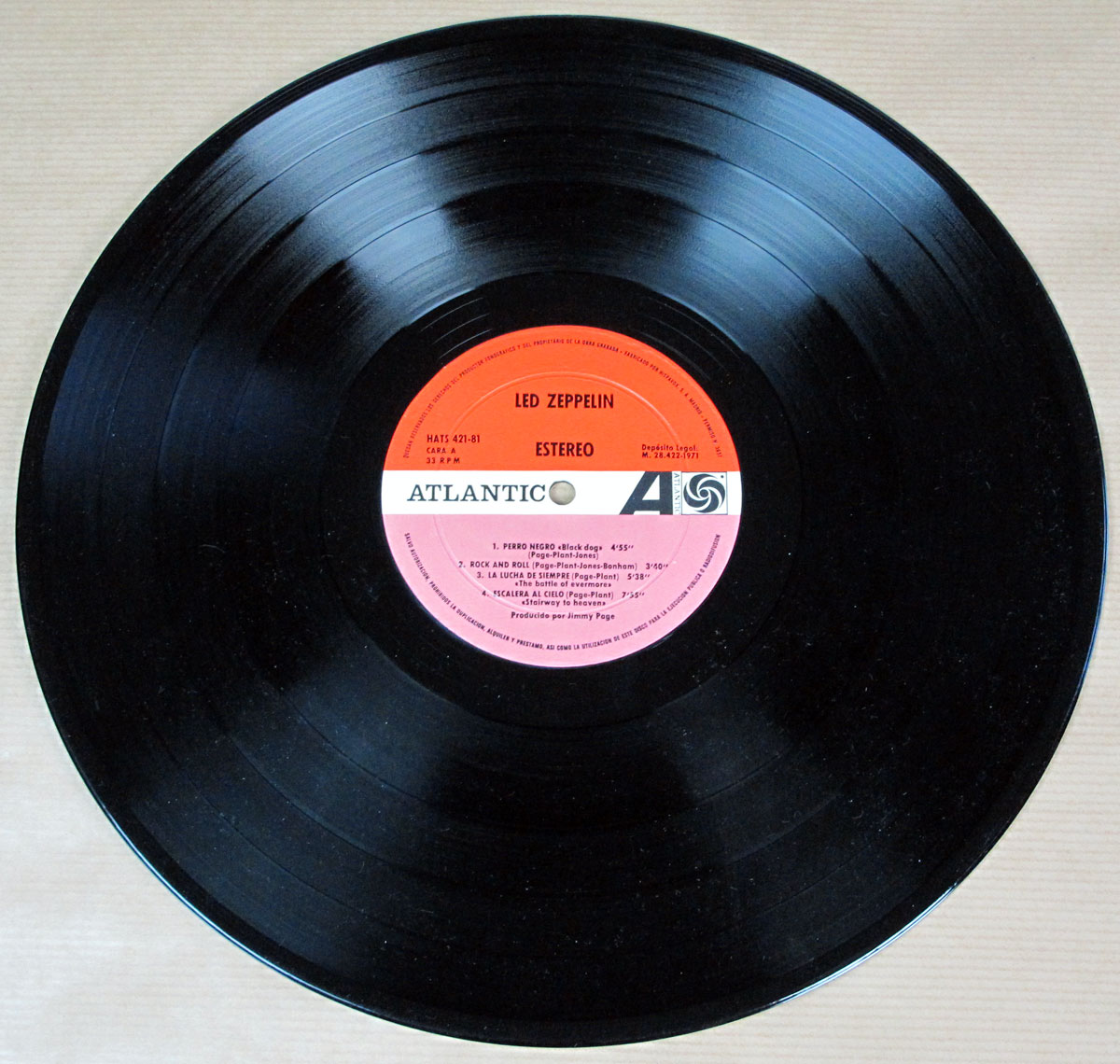
Led Zeppelin's fourth studio album, often colloquially referred to as "IV" or "Zoso," stands as a landmark in the band's discography and a pivotal release in the context of its era. This Spanish release, featuring a distinctive red and plum record label with track titles printed in Spanish, adds a layer of uniqueness to the album's global presence.
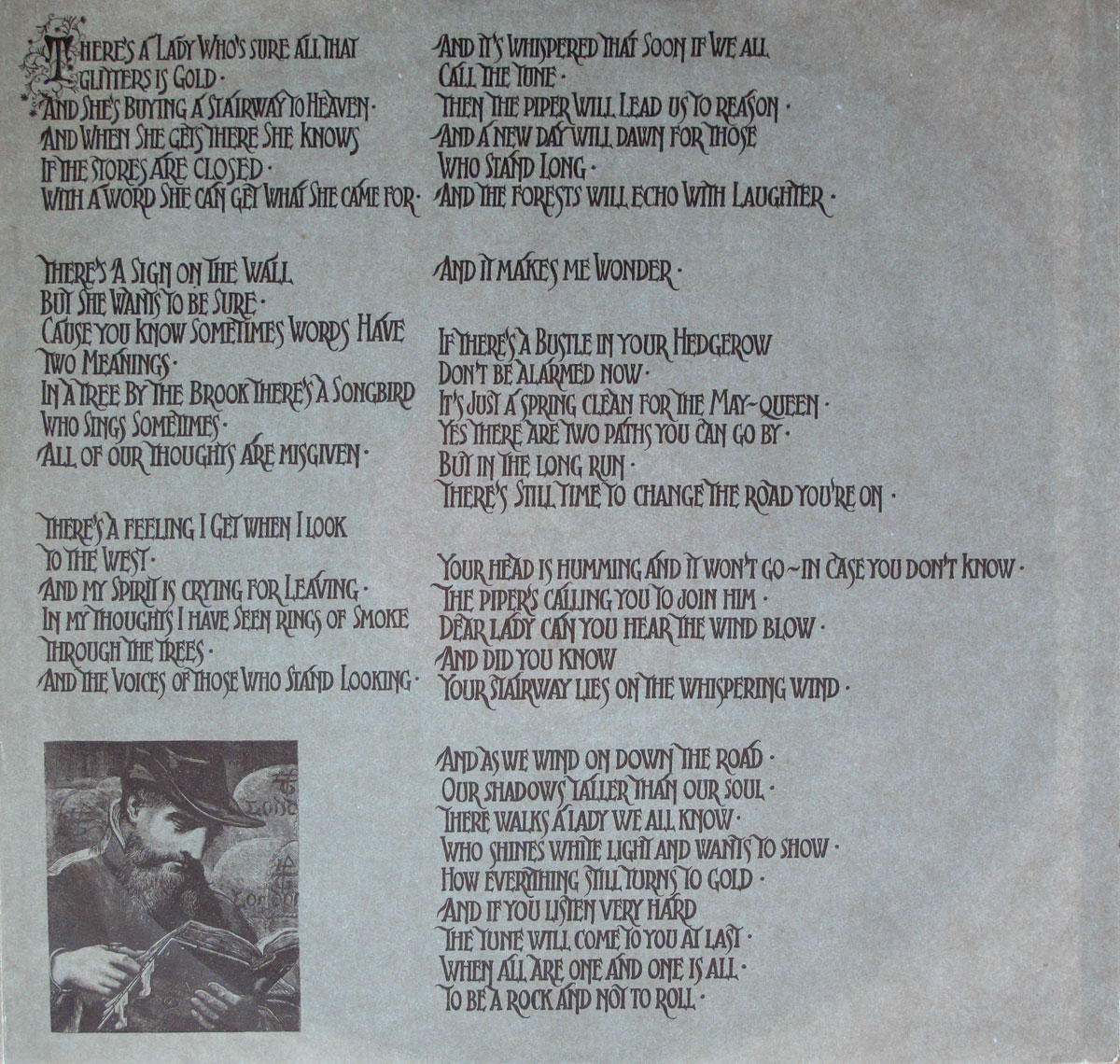
Released in 1971, Led Zeppelin IV marked a period of musical exploration and experimentation for the band. Produced by Jimmy Page and Peter Grant, the album showcased the band's musical prowess and innovative approach to rock music. The absence of an official title on the album cover led to various monikers, including "Four Symbols," "The Fourth Album," "Untitled," "Runes," "The Hermit," and the widely used "Zoso," derived from Jimmy Page's symbol featured on the album sleeve.
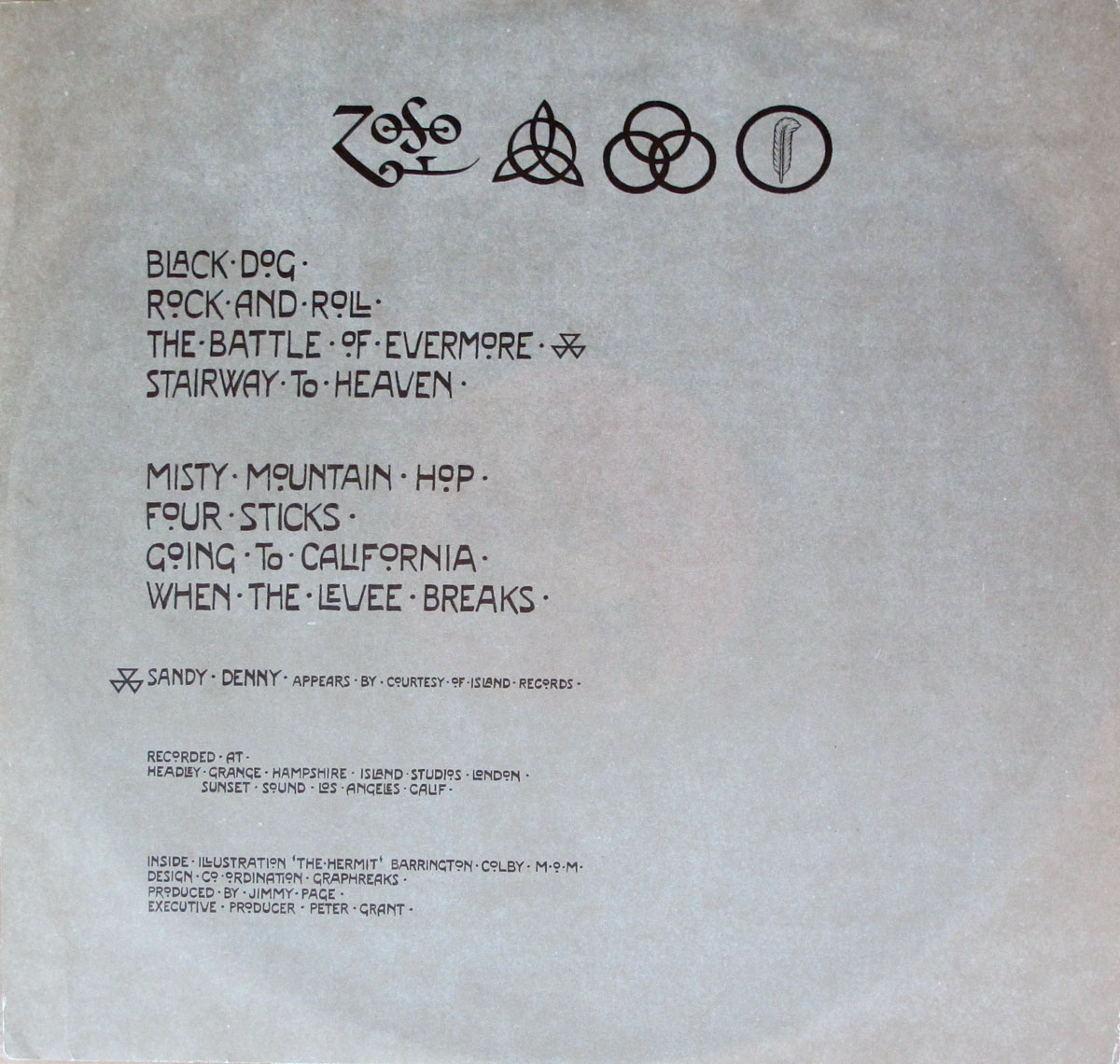
The recording sessions for the album took place at multiple locations, including Headley Grange in Hampshire, Island Studios in London, and Sunset Sound in Los Angeles, California. This diverse range of settings contributed to the eclectic sound and varied influences evident throughout the album.
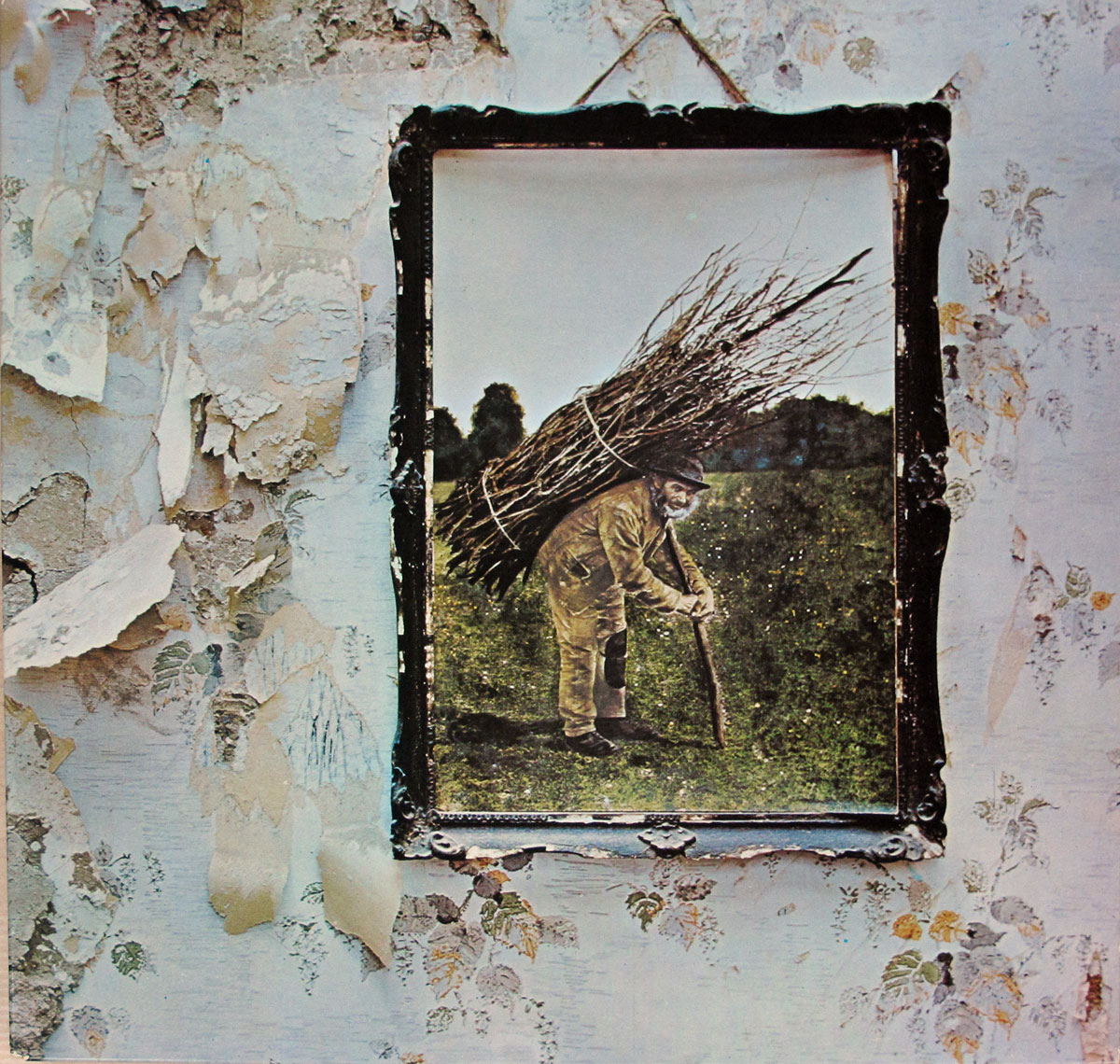
The album cover, designed by Grapheaks, is as mysterious as the music within. The iconic imagery has become synonymous with Led Zeppelin, featuring symbols representing each band member. The enigmatic cover, combined with the absence of a title, added to the album's allure, inviting listeners to delve into the music without preconceived notions.
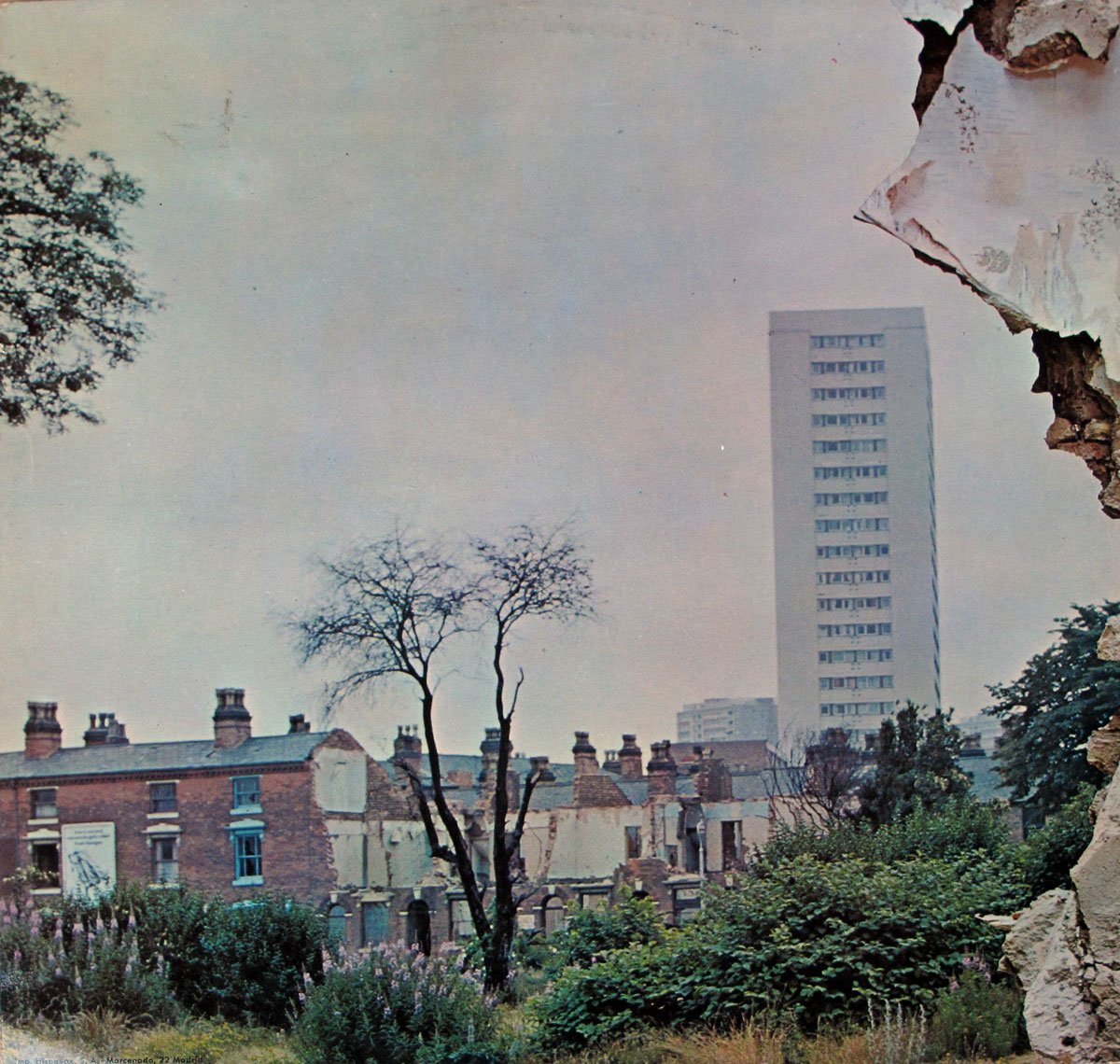
The photography for the album cover was skillfully handled by Keith Morris, capturing the essence of Led Zeppelin's mystique. The choice of visuals complemented the musical content, creating a cohesive and immersive experience for the audience.
One notable aspect of this Spanish release is the translation of track titles into Spanish, providing a localized touch for Spanish-speaking audiences. This attention to detail demonstrates the band's awareness of its global fanbase and the significance of connecting with listeners on a cultural level.
Cataloged under Atlantic HATS 421-81, this Spanish release holds a special place in the extensive Led Zeppelin discography. The red and plum record label, Spanish track titles, and the overall design contribute to the album's cultural adaptation, making it a collector's item for enthusiasts and a testament to the band's worldwide impact.
Personnel/Band Members and Musicians on: LED ZEPPELIN - IV ZOSO Spain FOC Gatefold
|
Band-members, Musicians and Performers
- John Bonham – drums
- John Bonham – Drums
John Bonham (1948–1980) was Led Zeppelin’s powerhouse drummer, whose thunderous attack and deep groove redefined what rock drumming could sound like in the 1970s. Read more... Bonham’s playing combined raw force with surprising finesse, turning tracks like “Moby Dick” and “When the Levee Breaks” into masterclasses in power and feel. He had that rare ability to sound both loose and absolutely locked in, swinging like a jazz drummer while hitting like a demolition crew. His massive bass drum tone and inventive fills became a blueprint for generations of hard rock and metal drummers. When he died in 1980, Led Zeppelin chose to end the band rather than replace him, a decision that says everything about how central he was to their sound. His legacy still echoes every time a drummer dares to hit hard and groove harder.
- John Paul Jones – bass guitar, electric piano, mandolin, recorders, EMS VCS 3, acoustic guitar on "The Battle of Evermore"
- John Paul Jones – Bass Guitar
John Paul Jones, born January 3, 1946, was Led Zeppelin’s quietly brilliant bassist and multi-instrumentalist, the man who added brains, depth, and unexpected color to the band’s colossal sound. Read more... While Page, Plant, and Bonham grabbed headlines, Jones built the architecture underneath them. His fluid basslines drove songs like “Ramble On,” while his keyboards and orchestral arrangements transformed tracks such as “No Quarter” into moody epics. Trained, disciplined, and endlessly curious, he brought a session musician’s precision to a band famous for excess. After Led Zeppelin ended in 1980, Jones expanded into production, film scoring, and adventurous collaborations, proving he was never just “the bass player.” His legacy rests in the details—the subtle moves that turned great riffs into fully realized compositions.
- Jimmy Page – acoustic and electric guitar, mandolin, production, mastering, digital remastering
- Jimmy Page – Guitars
Jimmy Page, born January 9, 1944, is the legendary guitarist and sonic architect behind Led Zeppelin’s groundbreaking sound, famous for riffs that could level buildings and still somehow swing. Read more... Jimmy Page became rock royalty as Led Zeppelin’s guitarist, arranger, and studio mastermind, shaping the band’s huge 1970s sound with inventive riffs, layered textures, and a producer’s obsession for detail. His live performances mixed precision with danger, stretching songs into epic improvisations without losing the groove. After Led Zeppelin ended in 1980, Page stayed active through projects like The Firm and a run of high-profile collaborations, keeping his influence all over rock well into the 1980s and beyond. Even when he wasn’t on the radio every five minutes, his fingerprints were still on the genre’s DNA.
- Robert Plant – lead vocals, harmonica, tambourine
- Robert Plant – Lead Vocals
Robert Plant, born August 20, 1948, is the iconic English frontman of Led Zeppelin, whose soaring vocals and magnetic stage presence helped define hard rock and heavy metal. Read more... Robert Plant rose to global fame as the voice of Led Zeppelin, shaping the sound of 1970s rock with his dynamic range and blues-infused power. After the band disbanded in 1980, he built a remarkably diverse solo career, exploring blues, folk, world music, and Americana. His willingness to evolve artistically rather than repeat past glories has secured his reputation as a restless innovator and enduring rock pioneer.
- Additional musicians
- Sandy Denny – vocals on "The Battle of Evermore"
- Ian Stewart – piano on "Rock and Roll"
- Ian Stewart – Piano
Kicked out for not being "marketable" in 1963, kept around forever for actually playing. Read more... Ian Stewart, Ian Stewart is the Rolling Stones' no-nonsense piano anchor, and I will die on the hill that he kept the boogie honest while everyone else chased the spotlight. From 1961-1962 he worked London's R&B circuit with Alexis Korner's Blues Incorporated; in 1962 he co-founded the Rolling Stones and, after being pushed out of the "official" lineup in 1963 for image reasons, stayed on as road manager and session pianist right up to 1985. I hear him in the Stones' live roar and studio grooves, and he even guested on early-1970s sessions with Led Zeppelin. In the early 1980s he fronted Rocket 88, built for sweat, not fashion. When a Stones track suddenly swings like a pub jukebox at closing time, I blame Stu.
|