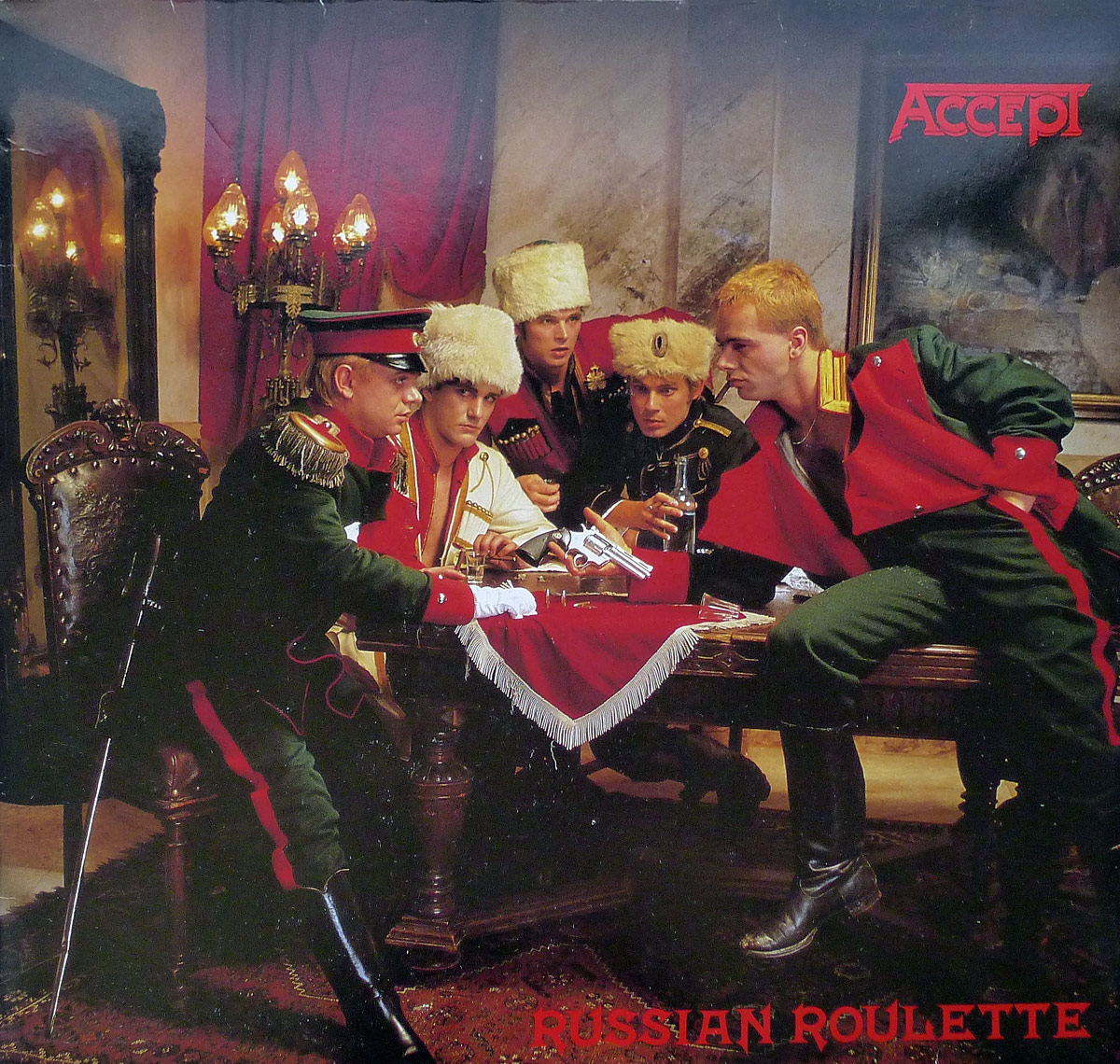
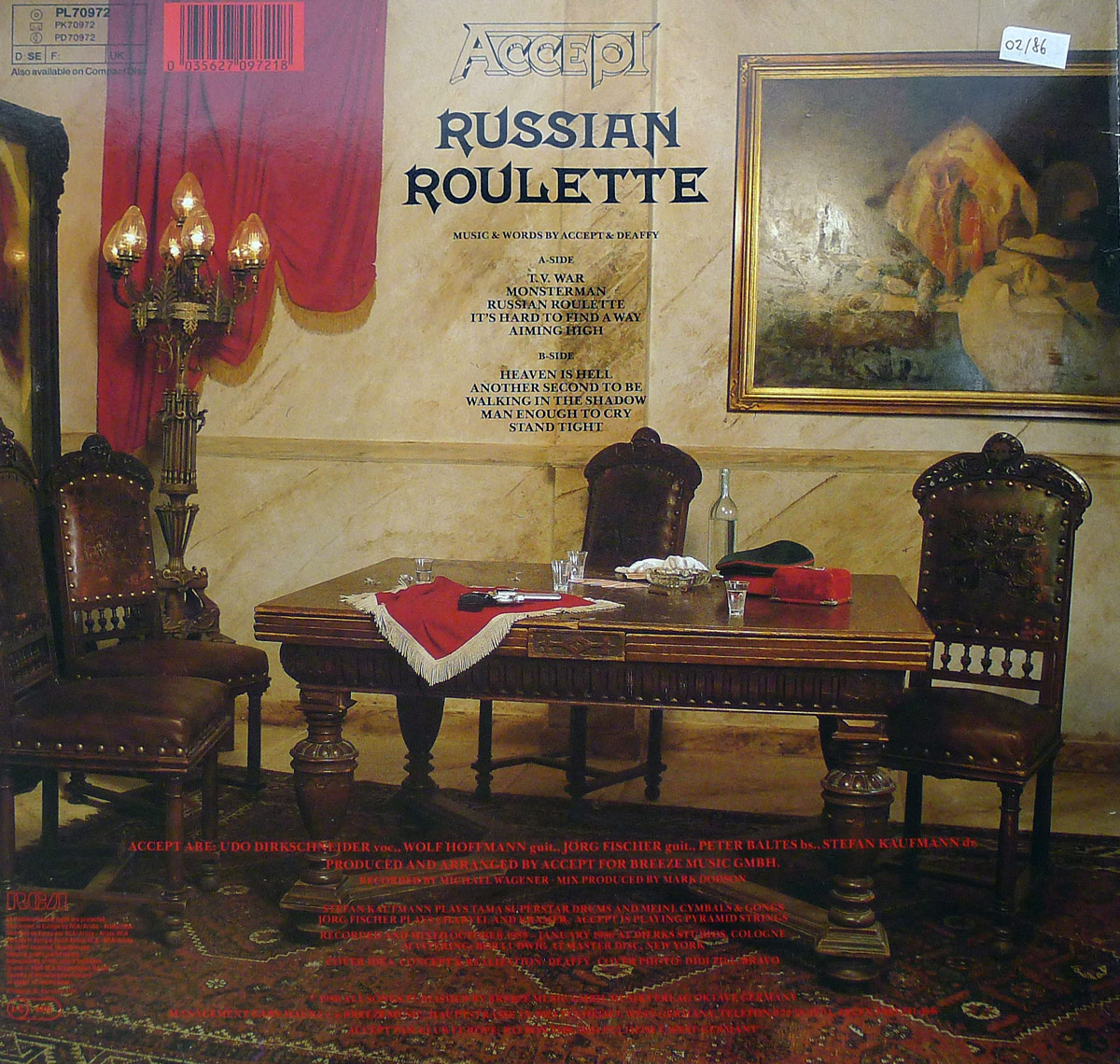
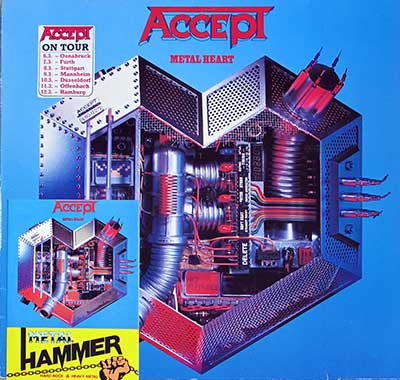
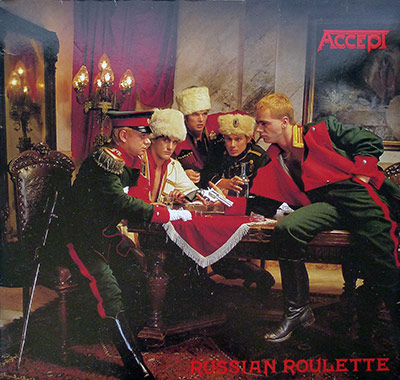
In the heart of the 1980s, when the neon lights of glam metal clashed with the raw power of thrash, Accept, the German heavy metal titans, took a bold step into the unknown with their seventh studio album, "Russian Roulette." Released in 1986, this album marked a turning point for the band, a daring departure from the commercial sound of its predecessor, "Metal Heart."
"Russian Roulette" was a calculated risk. Accept, known for their unyielding energy and powerful riffs, decided to self-produce the album, leaving behind the guiding hand of Dieter Dierks, who had helmed their previous efforts. This decision was a gamble, but one that ultimately paid off.
The album was recorded at the familiar grounds of Dierks Studios, the birthplace of many of Accept's classic records. However, this time, the band was in full control. They aimed to recapture the raw, unpolished sound of their earlier works, a sound that had been somewhat tempered on "Metal Heart."
"Russian Roulette" is a heavy metal album through and through. It eschews the glossy production of the era in favor of a more aggressive and direct approach. The guitars are razor-sharp, the drums thunderous, and Udo Dirkschneider's vocals are as ferocious as ever. The album opens with the anthemic "T.V. War," a searing indictment of the media's obsession with violence. This sets the tone for the rest of the album, which explores themes of conflict, aggression, and personal struggle.
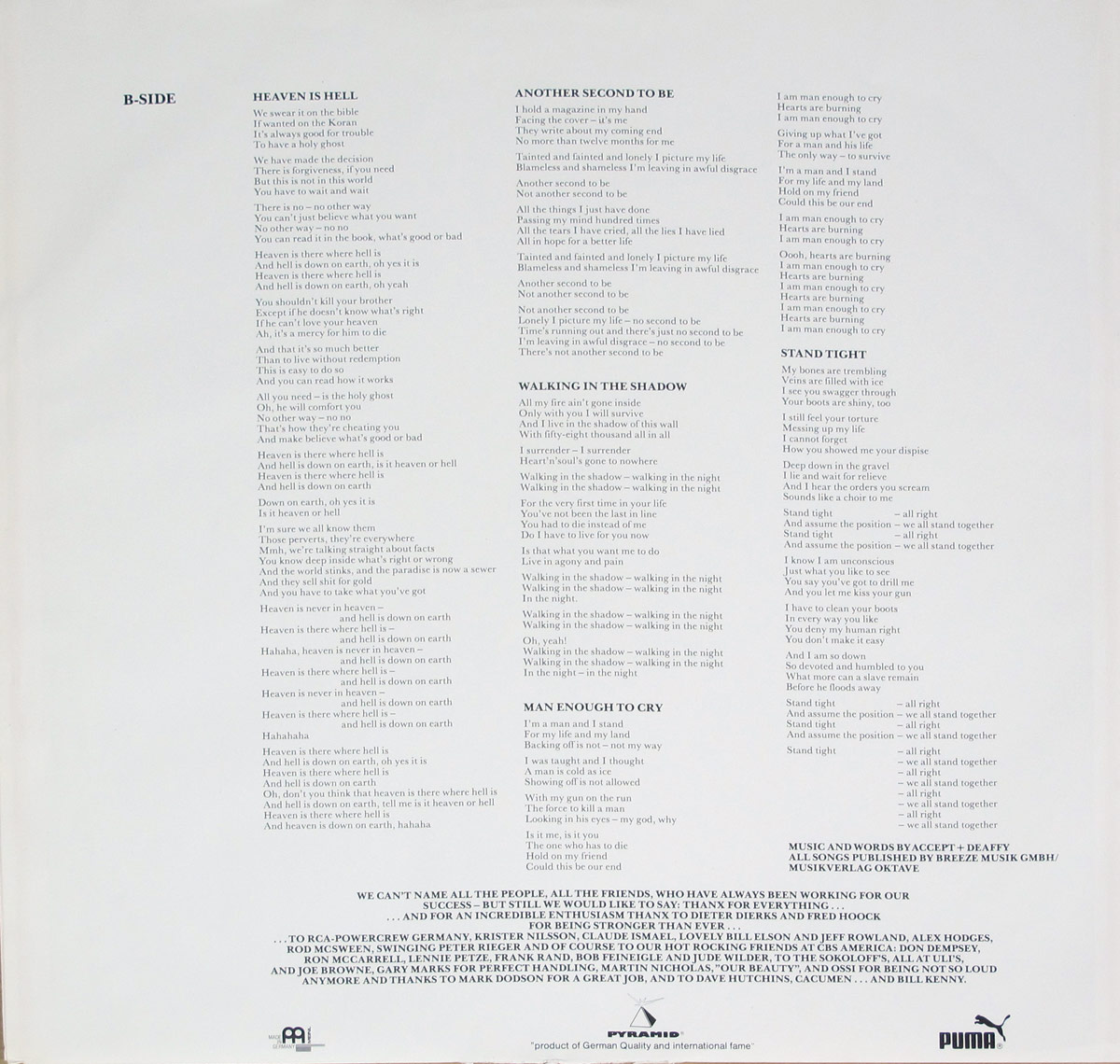
The album's title track, "Russian Roulette," is a standout, a heavy metal masterpiece that perfectly captures the band's energy and intensity. Other highlights include the driving "Monsterman," the melodic "It's Hard to Find a Way," and the epic "Heaven Is Hell."
While "Russian Roulette" was a critical and commercial success, it was not without controversy. Some fans felt that the album's production was too raw and unpolished. Others criticized the band for abandoning the more melodic sound of "Metal Heart." However, Accept stood by their decision to self-produce the album, arguing that it was a necessary step to recapture their true sound.
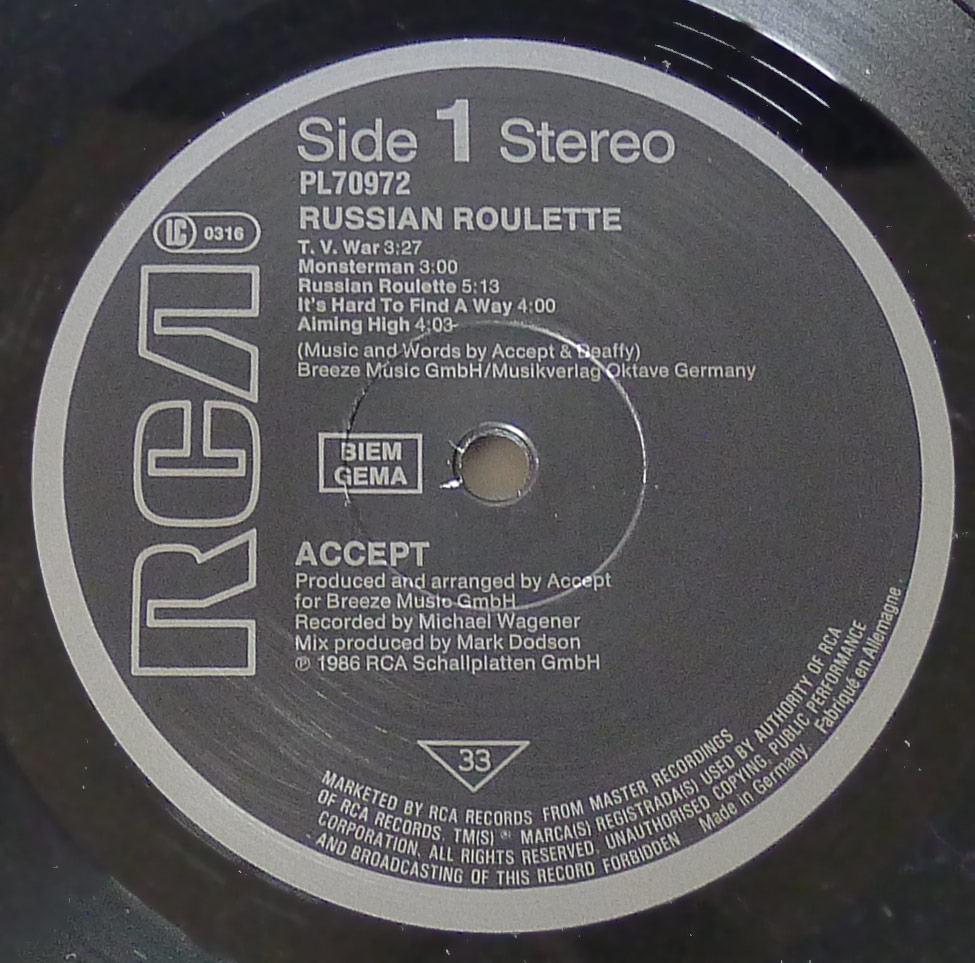
The production team for "Russian Roulette" was a tight-knit group, led by the band themselves. Accept's core members, Udo Dirkschneider, Wolf Hoffmann, Peter Baltes, Jörg Fischer, and Stefan Kaufmann, were all involved in the songwriting and arranging process. The album was engineered by Michael Wagener, a veteran of the heavy metal scene who had worked with bands like Metallica and Dokken.
Despite the controversy, "Russian Roulette" proved to be a pivotal moment in Accept's career. It cemented their reputation as one of the leading heavy metal bands of the 1980s and paved the way for their later success. The album's raw power and uncompromising attitude continue to resonate with fans today, making it a true classic of the genre.