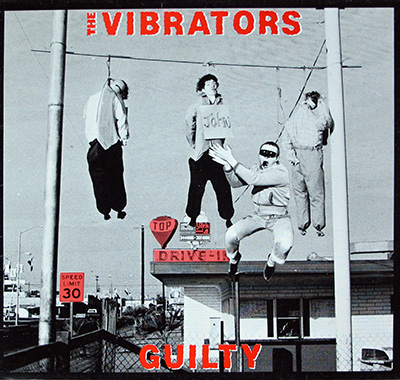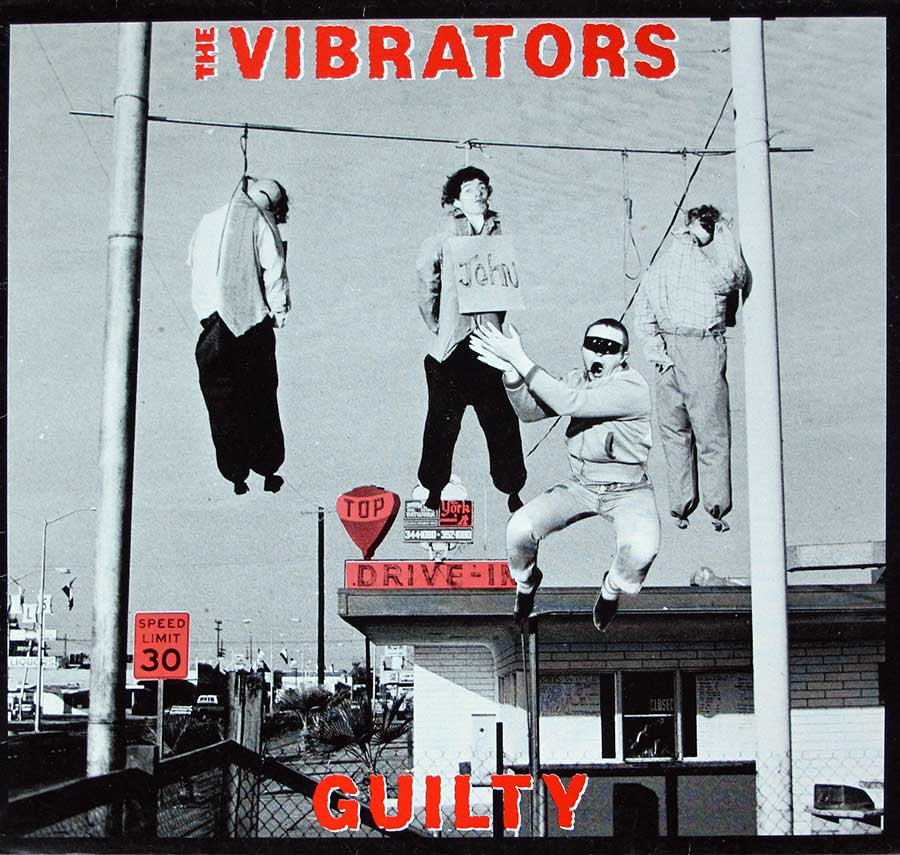
"Guilty" (1982) Album Description:
The Vibrators did not make Guilty to win a nostalgia contest. They made it to prove they could still land a punch in 1982, when British punk had splintered into faster, harder, stranger shapes. As their third studio album and first after the 1980 split, it is a lean comeback record that keeps the old hooks, adds a few new bruises, and sounds like a band refusing to fade politely into the background.
Where Britain was at in 1982
In 1982, Britain was tense and loud: Thatcher-era austerity, unemployment, and the aftershock of the 1981 riots were still in the air, and the Falklands War dragged patriotism and anger into the same cramped room. Punk did what it always does when pressure rises: it fractured and multiplied. The old "three chords and truth" crowd was still here, but the streets had new accents and new tempo.
What "British punk rock" meant by then
By the early 80s, "punk" was no longer one sound, it was a family argument. UK82 and hardcore pushed speed and blunt-force choruses, Oi! leaned into gang-shout grit, and anarcho-punk brought politics to the front like a megaphone you cannot switch off. Meanwhile post-punk and new wave were stealing punk's nerves and rewiring them into sharper, colder forms.
1982 scene map (fast and unfair, like the real thing)
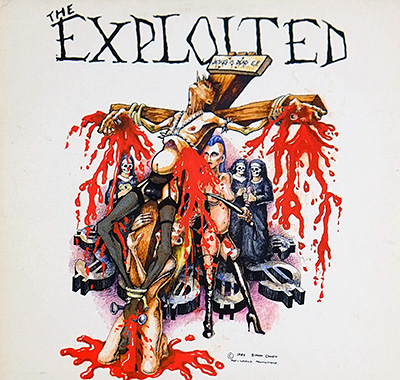
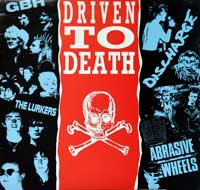
- UK82/hardcore: The Exploited, Discharge, GBH
- Oi!/street punk: Cockney Rejects, Angelic Upstarts, The Business
- Anarcho-punk: Crass, Conflict, Subhumans
- Punk with pop DNA: UK Subs, The Vibrators, and anyone who still believed in choruses
The band story that leads directly to this record
The Vibrators formed in London in 1976, landed early attention fast, and then did what punk bands often do: they burned hot and ran into internal friction. By 1980 the group split, and the name briefly floated through lineup reshuffles that did not feel like a stable long-term plan. In 1982 the original core re-assembled and signed with Anagram, putting the band back in a real studio situation with something to prove.
Key people behind the sound
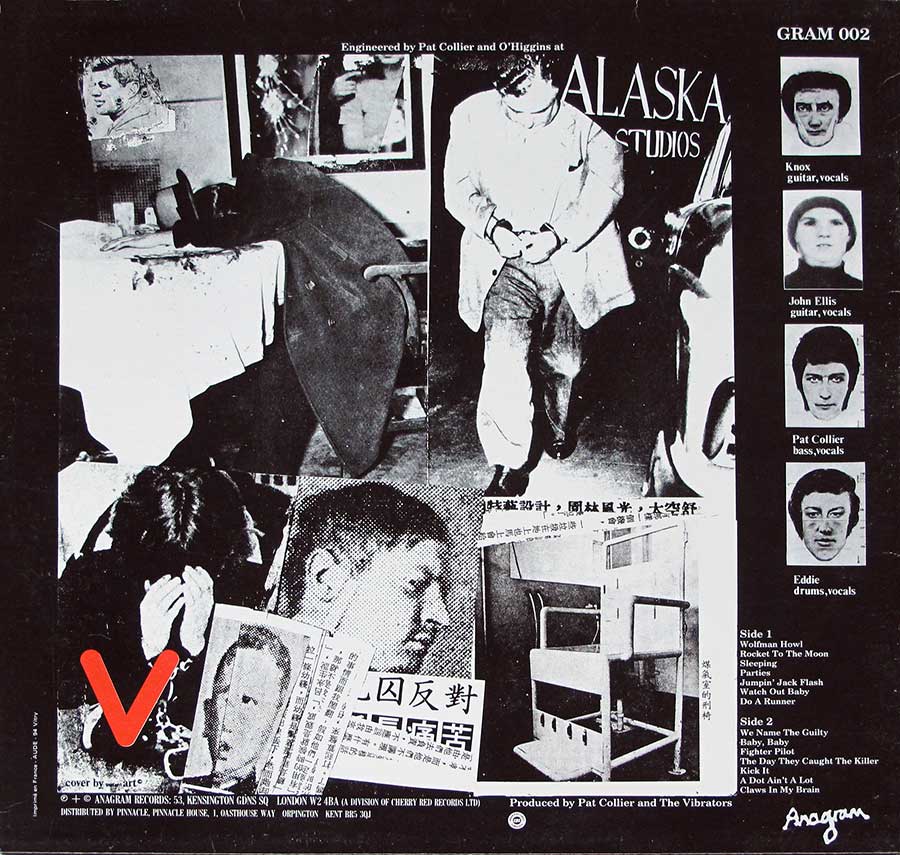
Guilty is produced by Pat Collier with the band, and that matters because it keeps the record from drifting into glossy rock correction. The classic quartet is back in play: Knox and John Ellis handling guitars and vocals, Collier anchoring bass and voice, and "Eddie" Edwards driving the kit with that clipped, staccato punctuation punk lives on. Engineering credit lands with Iain O'Higgins alongside Collier, which helps explain why the record feels controlled without feeling domesticated.
Musical exploration
This is not a museum piece of 1977, and the band does not pretend it is. The guitars still snap, but there are moments where the arrangements stretch and flirt with other textures, like a band testing the borders of its own identity. You get tight punk sprinting next to little detours that hint at psychedelia, swagger-rock, and singalong street-chant energy.
Track moments that show the range
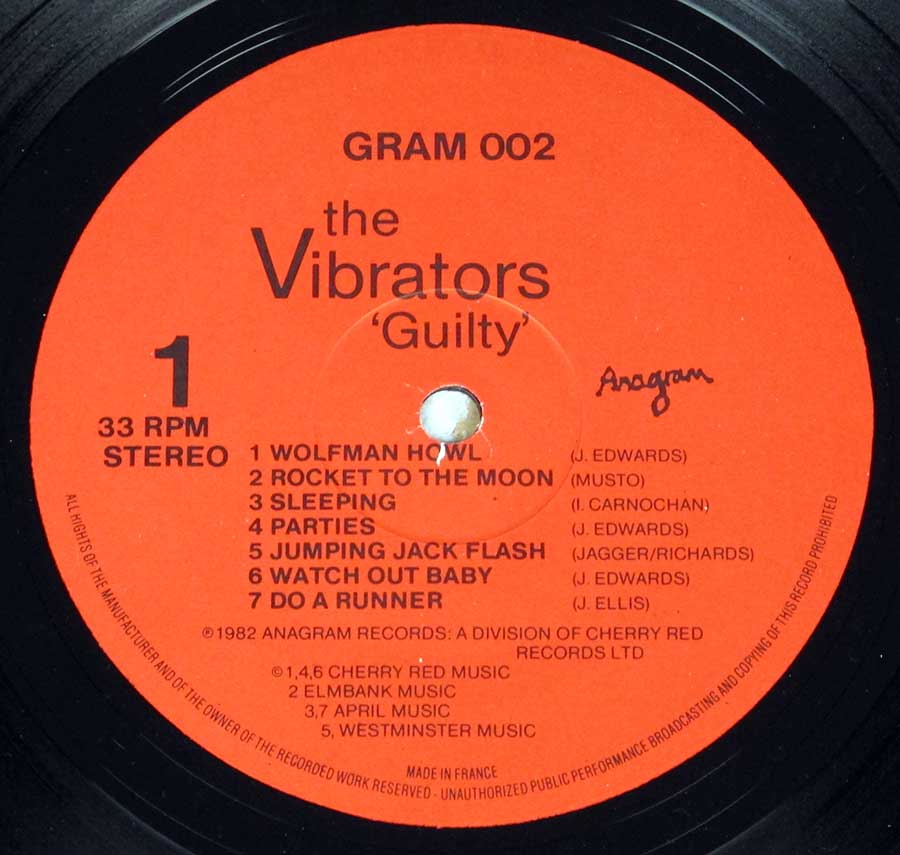
Wolfman Howl and Rocket to the Moon move like classic Vibrators: brisk, hooky, built to land fast and leave a mark. Sleeping and Kick It lean into spaced-out guitar color that would have sounded suspicious in 1977, but fits the post-punk air of the early 80s. Then there is the choice to take on Jumpin' Jack Flash, which is either cheeky confidence or the kind of decision that makes purists roll their eyes so hard they can see their own brain.
The secret of Guilty: it keeps punk's bite, but it lets the band play like musicians instead of slogans.
So, did it cause controversy?
Not the tabloid kind, but the scene kind, which is the only controversy punk really respects. Some listeners wanted UK82 punk scene. brutality or anarcho purity, and Guilty refuses to pick a single tribe, especially when it experiments with chant-like vocals and left-field stylistic turns. Add a high-profile cover choice and a comeback narrative, and you get the predictable argument: "is this punk" versus "who cares if it hits."
How to listen to it in 2026 without overthinking it
Treat it like a 1982 document, not a 1977 time capsule. Listen for how the rhythm section stays tight while the guitars keep slipping sideways into new colors, and how the vocals shift between snarl and straight-up rock attitude. If you want a quick entry point, start with Wolfman Howl, We Name the Guilty, and Rocket to the Moon, then work outward from there.