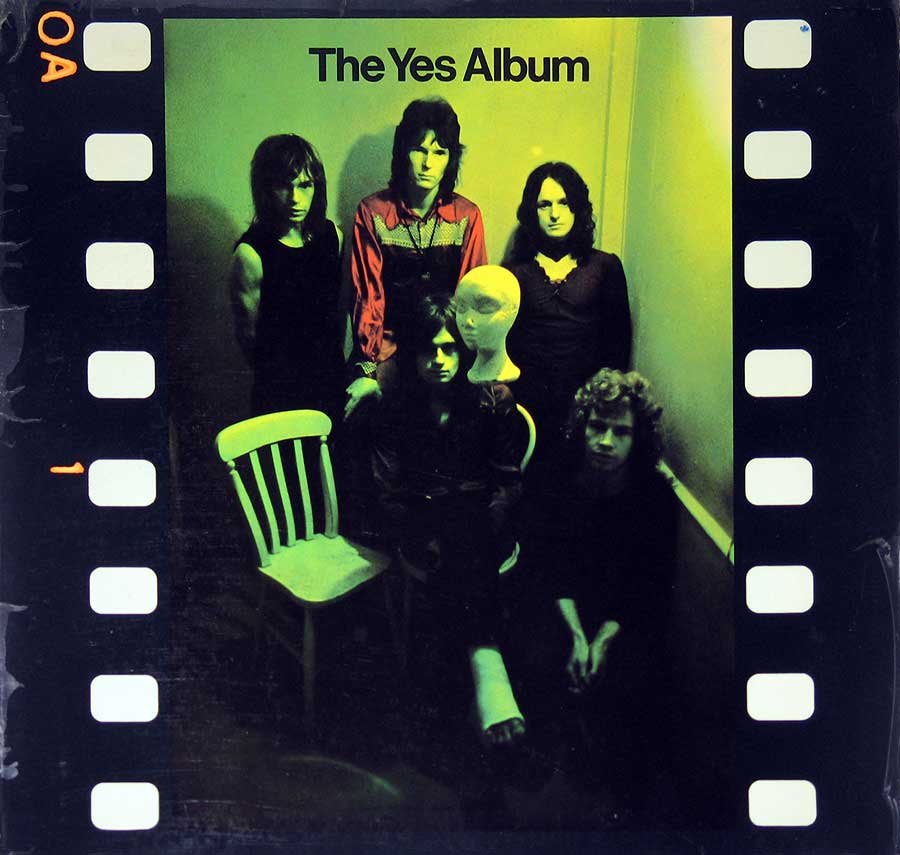
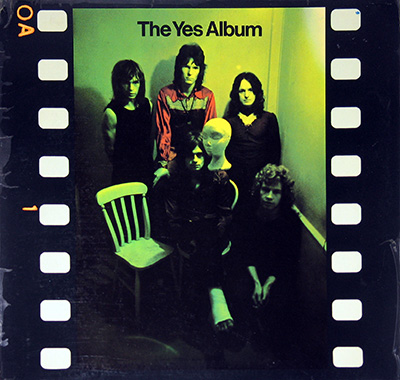
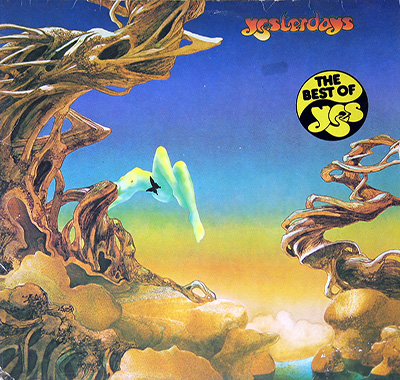
In the swirling, kaleidoscopic landscape of early 1970s progressive rock, there emerged an album that would serve as both a sonic manifesto and a testament to the boundless possibilities of musical exploration. Yes' self-titled third album, simply called "The Yes Album," wasn't just a collection of songs; it was a declaration of artistic intent, a bold step into uncharted territory that solidified the band's place in the pantheon of prog rock pioneers.
Released in 1971, "The Yes Album" arrived at a time when rock music was undergoing a seismic shift. The psychedelic haze of the late '60s was giving way to a more complex, ambitious sound, where bands weren't afraid to push the boundaries of conventional song structures and embrace the virtuosity of their musicianship. Yes, with its ever-evolving lineup and penchant for intricate arrangements, was at the forefront of this movement.
"The Yes Album" marked a turning point for the band, not only because it was their first release with guitarist Steve Howe, but also because it showcased a newfound maturity and confidence in their songwriting. Howe's arrival injected a fresh energy into the band's sound, his fluid guitar lines weaving seamlessly into the intricate tapestry of keyboards, bass, and drums. The album's opener, "Yours Is No Disgrace," is a prime example of this synergy, its dynamic shifts and soaring vocals setting the stage for the sonic journey that lay ahead.
One of the defining characteristics of "The Yes Album" is its sense of musical exploration. From the intricate time signatures of "Starship Trooper" to the sprawling, multi-part suite "Close to the Edge," the band fearlessly delved into uncharted waters, crafting compositions that were as challenging as they were rewarding. The album's production, helmed by Eddy Offord at Advision Studios in London, captured the raw energy and technical prowess of the band's performances, while also allowing the music to breathe and unfold in all its glory.
While "The Yes Album" was met with critical acclaim and commercial success, it wasn't without its share of controversy. Some critics dismissed the band's music as overly complex and self-indulgent, while others questioned the sincerity of their lyrics. But for a generation of music fans hungry for something more than the standard three-minute pop song, Yes offered a gateway to a world of sonic possibilities.
"The Yes Album" wasn't just a landmark achievement for Yes; it was a watershed moment for progressive rock as a whole. It proved that rock music could be both intellectually stimulating and emotionally resonant, that it could transcend the limitations of genre and embrace the full spectrum of human experience. In the decades since its release, "The Yes Album" has continued to inspire and challenge musicians and listeners alike, its legacy cemented as one of the most important and influential albums in the history of rock music.