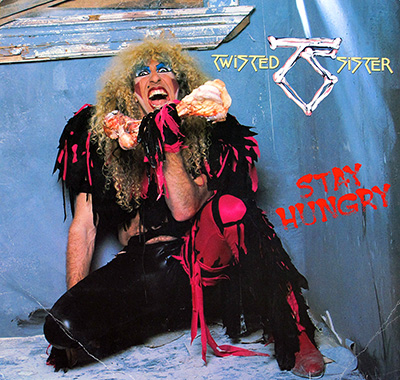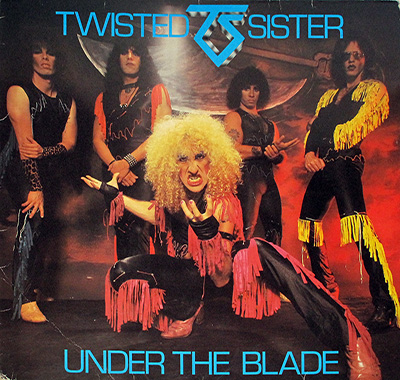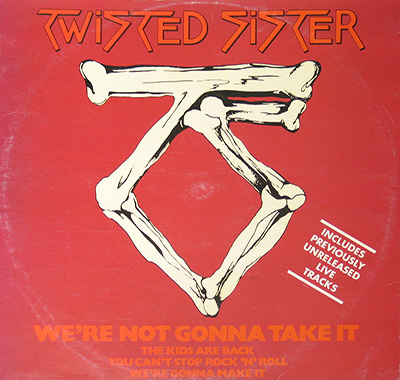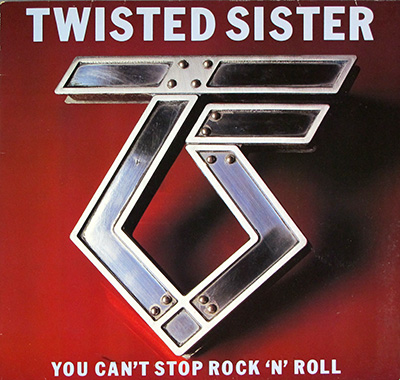
Bob Defrin, gets filed in my head as one of those behind-the-curtain operators who quietly shaped what a whole era thought “rock” was supposed to look like. Work at Atlantic Records put him in the blast zone where sleeve art wasn’t decoration, it was stage lighting on paper. Late 1970s into the 1980s, his art-direction fingerprints show up around AC/DC as the logo era locks in (1977’s Let There Be Rock, then the blood-and-thunder run through If You Want Blood You’ve Got It in 1978, Highway to Hell in 1979, Back in Black in 1980, and on into mid-80s titles like Fly on the Wall). Same period energy spills into other big-label moments too, like Foreigner’s 4 in 1981, where the final cover design became the one the world actually remembers. By 1992 he’d gone independent with Bob Defrin Design in Amenia, New York—still doing what the best art directors do: making the music feel inevitable before the needle even drops.
"Love is for Suckers" Album Description:
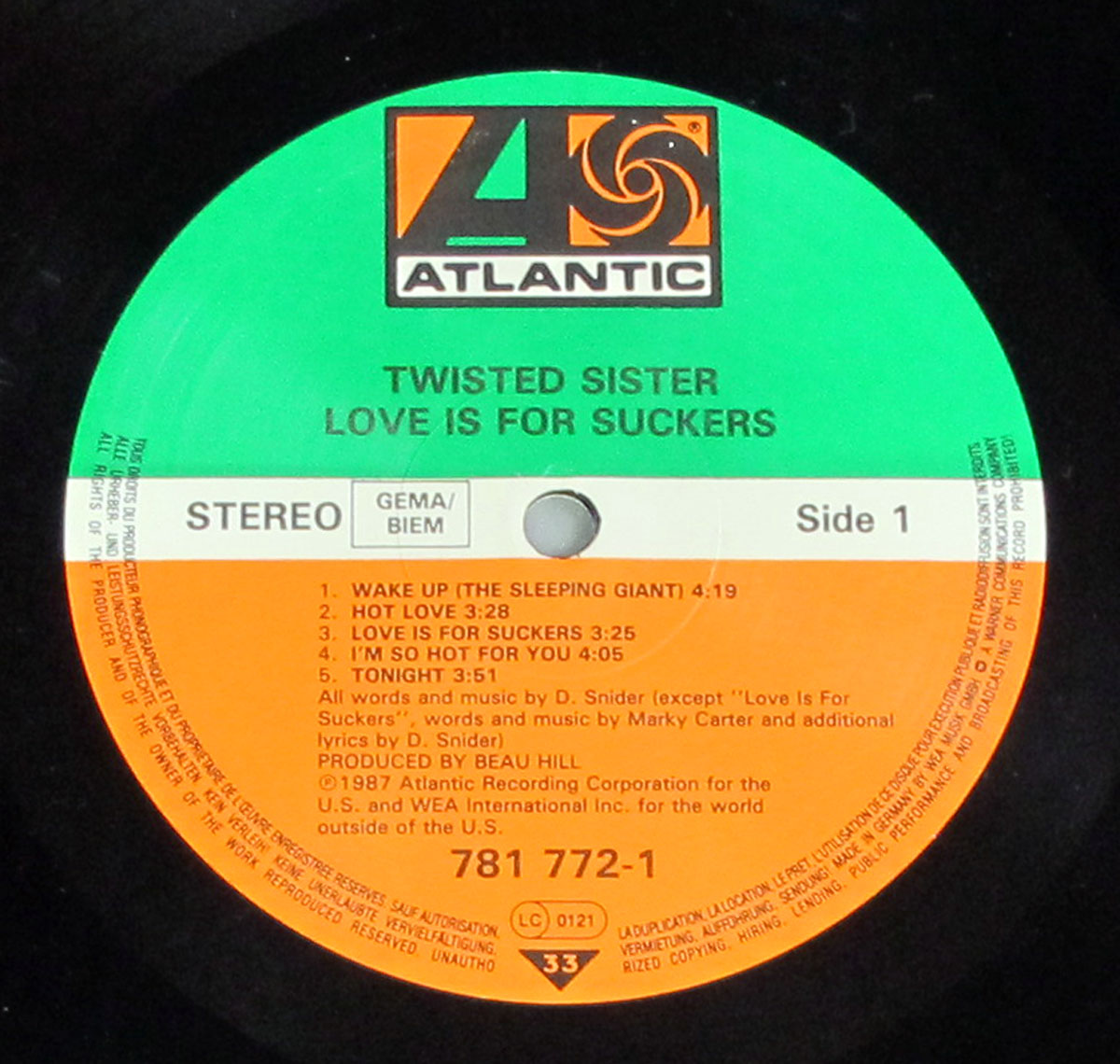
Twisted Sister's fifth and final studio album, "Love is for Suckers," was released on August 13, 1987, by Atlantic Records. The vinyl album features nine tracks that showcase the band's transition to a more commercial and polished sound, which received mixed reviews from fans and critics at the time.
The album was produced by Beau Hill, who had previously worked with acts such as Ratt and Warrant. The production is slick and radio-friendly, with a focus on catchy hooks, harmonies, and ballads that were aimed at a wider audience. Lead singer Dee Snider has stated that the album was originally intended to be his solo debut, but the record company pushed for it to be released under the Twisted Sister name.
The vinyl album opens with the track "Wake Up (The Sleeping Giant)," a hard-hitting rocker that showcases the band's signature heavy metal sound. Other standout tracks include "Hot Love," a catchy pop-metal tune that features a saxophone solo, and "Me and the Boys," a fun and upbeat track that pays homage to the band's roots in the New York club scene.
Despite its commercial aspirations, "Love is for Suckers" failed to achieve the same success as the band's previous albums, and Twisted Sister disbanded shortly after its release. However, the album has gained a cult following over the years and has been reissued multiple times with bonus tracks and remastered versions.
Historical & Contextual Information
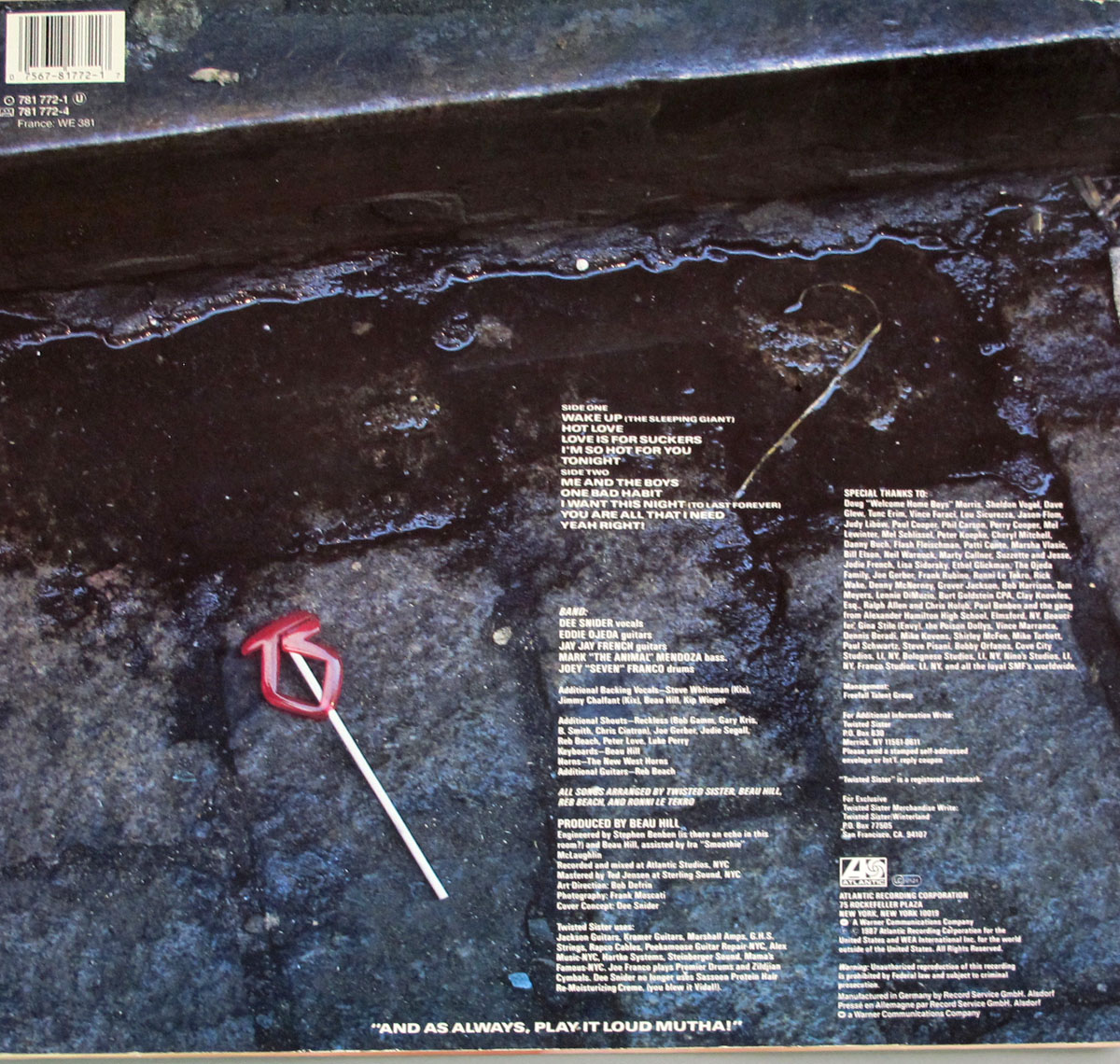
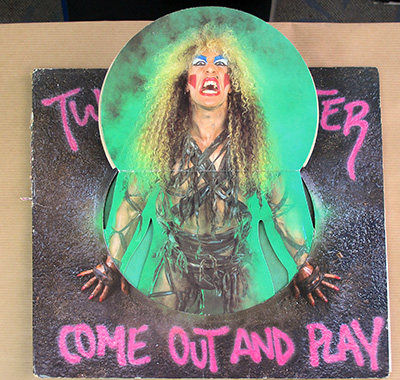
Recorded after the underperformance of "Come Out and Play" (1985), this era saw internal strain and a stylistic pivot toward the dominant glam/hair-metal sound of 1987. Drummer A.J. Pero had departed in 1986 and was replaced by Joey Franco, while producer Beau Hill steered the sessions toward streamlined, radio-ready arrangements. Much of the material originated from Dee Snider’s planned solo project, which the label redirected into a Twisted Sister release—an inflection point that preceded the band’s breakup later that year.
Album Cover & Artwork
The provocative cover centers on glossy red lips poised over a lollipop shaped like the band’s “TS” logo—risqué, playful, and perfectly aligned with late-’80s pop-metal aesthetics and MTV-era attention. The concept is credited to Dee Snider, with art direction by Bob Defrin and photography by Frank Moscati. Its candy-coated imagery underlines the album’s themes of desire and temptation while signaling the band’s move toward a sleeker mainstream presentation.