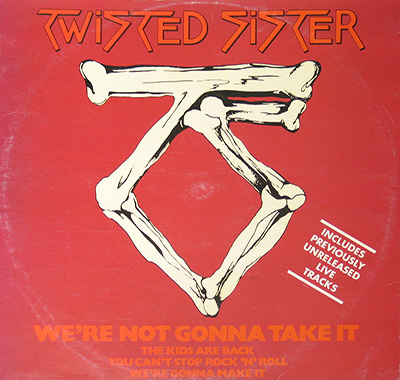
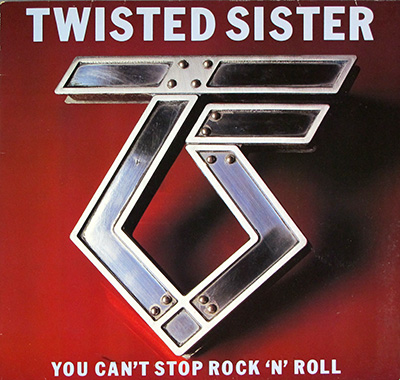
Album Production Information:
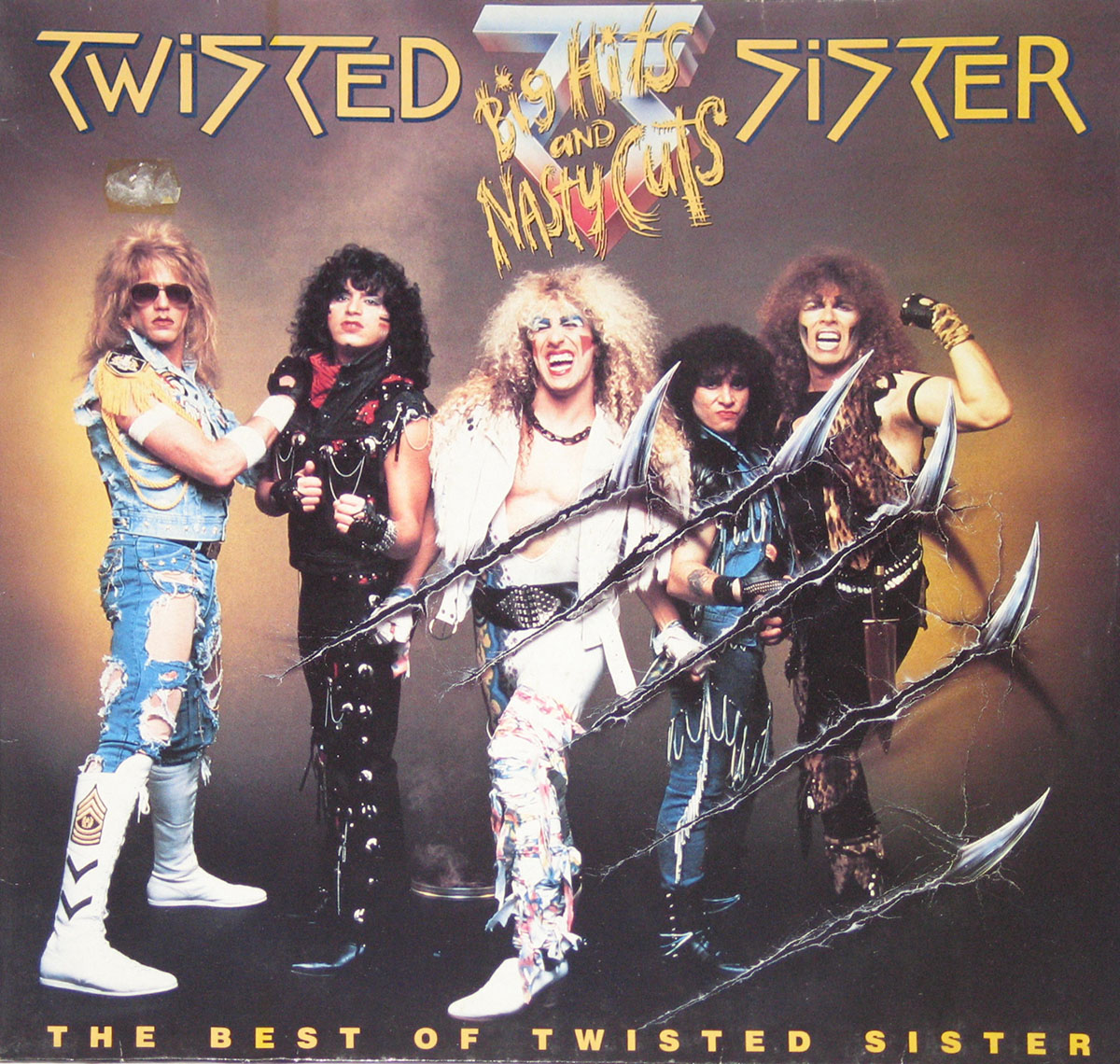
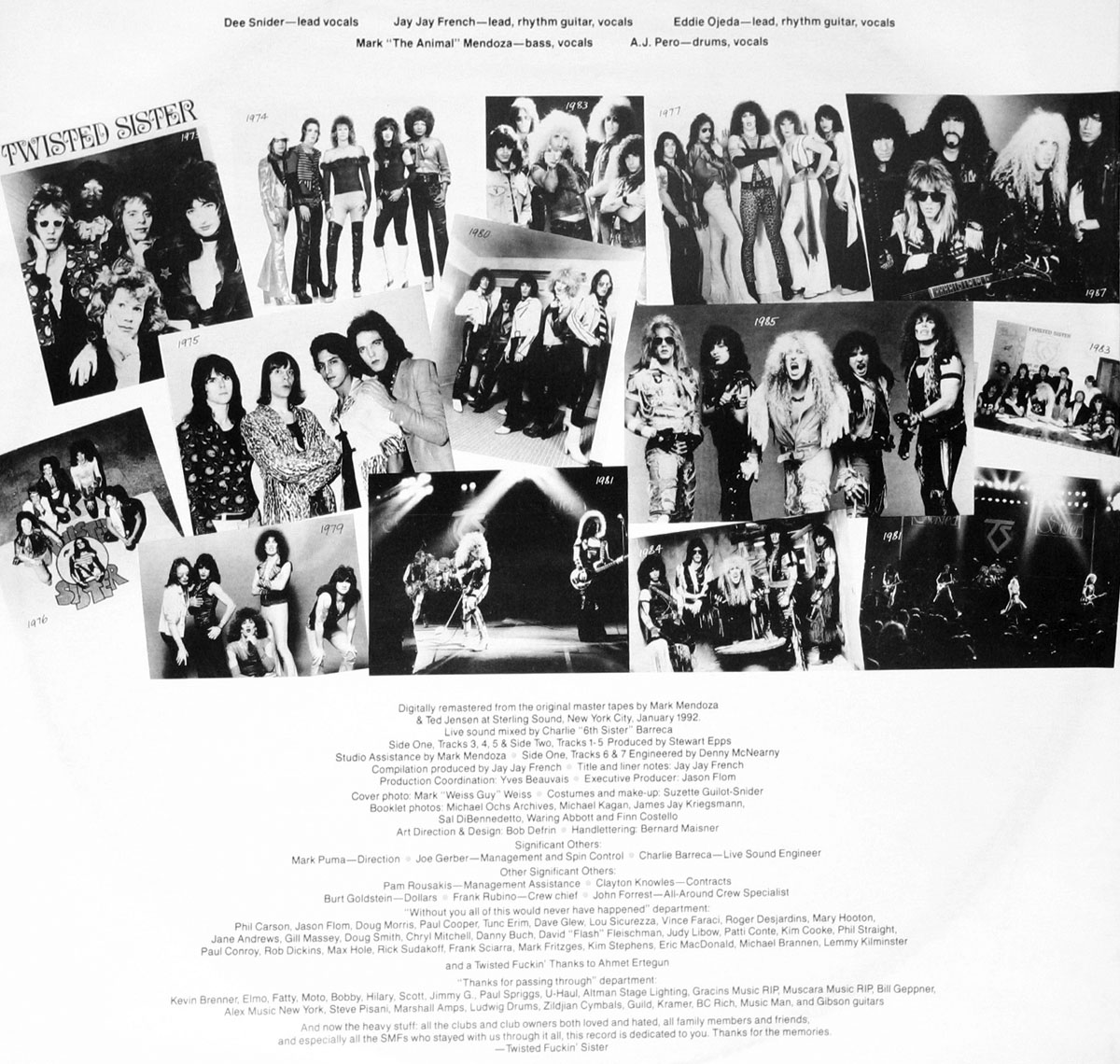
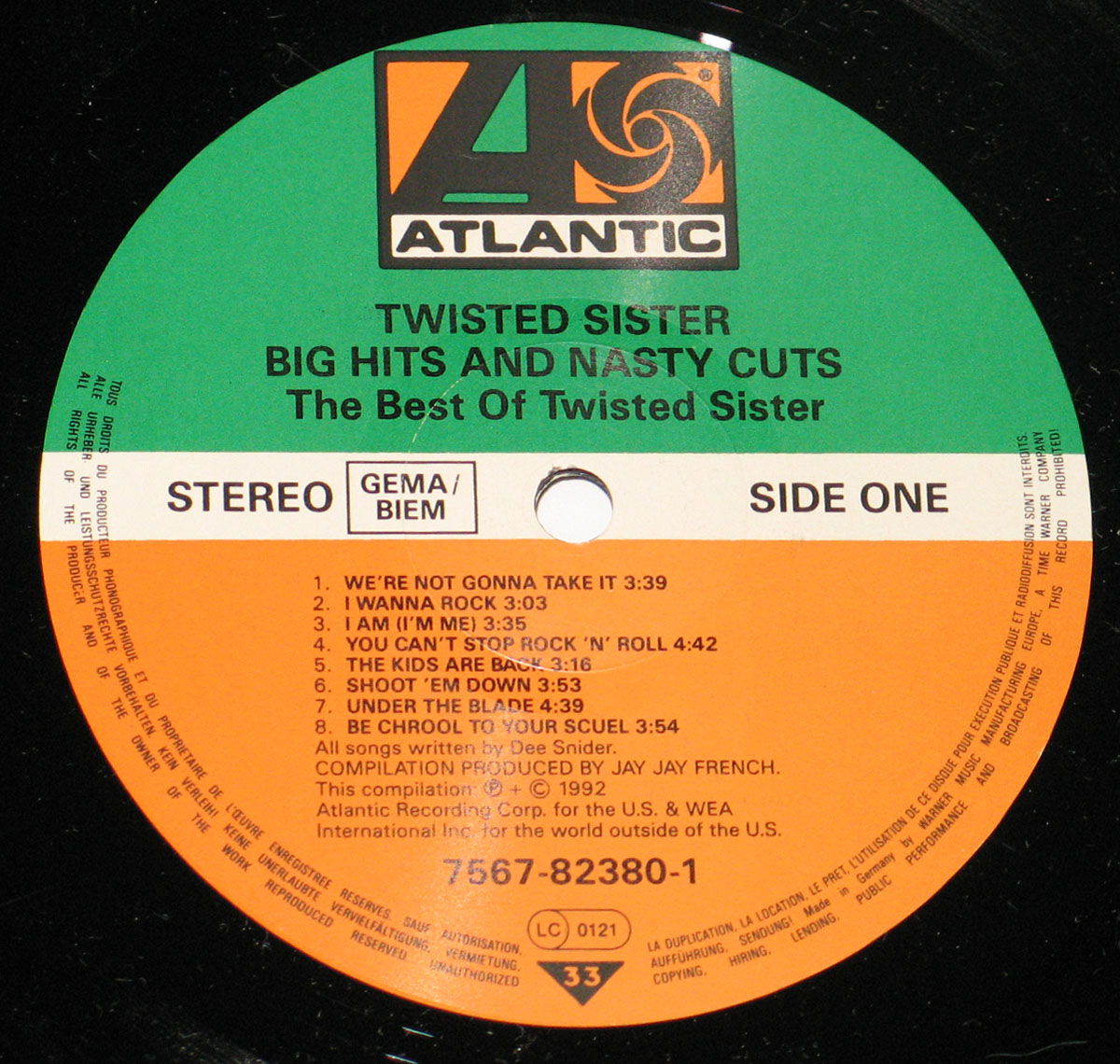
The album: "Big Hits and Nasty Cuts" was produced by: Jay Jay French
Dieter Dierks - Producer, Engineering, Mixing
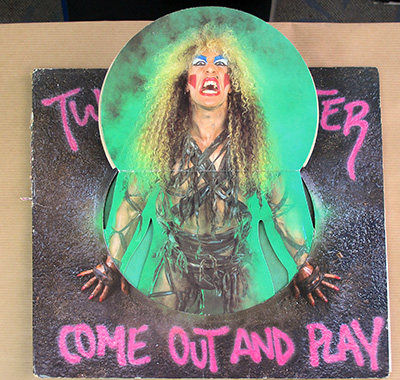
Dieter Dierks – Producer & Sound EngineerThe German studio wizard who helped turn Scorpions into a worldwide export (and gave plenty of other bands that big, shiny bite). Read more... Dieter Dierks is one of those credit-line names that changes the temperature in the room. I see it, and I already expect the sound to come out glossy and slightly smug—in a good way, most of the time. Before the big, billboard-sized rock thing, he was down in that late-’60s / mid-’70s German underground swirl—krautrock territory, the kind of sessions where “weird” wasn’t a phase, it was the point. Stuff like early studio work with Tangerine Dream and Ash Ra Tempel. You can hear what that era taught him: how to bottle chaos without letting it turn to mush. Then he locks in with Scorpions, mid-’70s through 1988, and suddenly the same hands that could catch the strange stuff are building arena walls. From the raw bite of “In Trance” to the polished roar of “Savage Amusement,” he’s basically the guy behind the curtain making sure the knives look sharp and the hooks hit like they mean it. In the ’80s the net gets wider—Stommeln studios and beyond—pulling in hard rock and metal names like Dokken, Black ’n Blue, and Plasmatics. And then, in 1985, he even jumps over to the U.S. to produce Twisted Sister’s “Come Out and Play,” because apparently his passport also had a “make it bigger” stamp. My favorite detail, though? Rory Gallagher preferred recording at night at Dierks’ place. That tells you more than a paragraph of praise ever could. Some rooms just sound better after midnight—and some producers probably do too.
Eddie Kramer - Producer, Sound Engineer
Edwin H. “Eddie” Kramer – Producer, Audio EngineerThe guy who could take Hendrix saying “make it sound green” and somehow turn that into real audio. Read more... Edwin H. “Eddie” Kramer, in my book, is rock’s ultimate behind-the-glass magician: starting in London studios in the early 1960s, then going full-throttle with Jimi Hendrix from 1967–1970, capturing Woodstock (1969), engineering major Led Zeppelin work from 1969 onward, steering Electric Lady Studios as engineering director in 1970–1974, and later locking in that arena punch with Kiss through the mid/late 1970s (and beyond). When I see his credit, I expect big guitars, bigger atmosphere, and a mix that still feels alive.
Jason Flom - Executive Producer
Pete Way - Producer
Pete Way A Life of Rock 'n' Roll Excess and Musical Brilliance. Peter Frederick Way, born 1950, in Enfield, England, was a force of nature in the rock music world. A founding member and bassist of the legendary band UFO, Way's thunderous basslines and charismatic stage presence helped define the sound of hard rock and heavy metal.
Early Life and Musical Beginnings:
more...
Way's passion for music ignited in his teenage years. He started playing bass guitar in local bands, honing his skills and developing his signature style. In 1968, he co-founded Hocus Pocus with Phil Mogg, a band that would eventually evolve into UFO.
UFO and Beyond:
With
UFO
, Way achieved international fame. Their energetic live shows and albums like "Phenomenon" (1974) and "Lights Out" (1977) solidified their status as hard rock icons. Way's driving basslines were a cornerstone of their sound, complementing Michael Schenker's blistering guitar solos.
However, Way's tenure with UFO was marked by periods of turbulence and departure. He left the band in 1982, embarking on a solo career and forming the band
Waysted
. He also played with Ozzy Osbourne, Fastway, and the Michael Schenker Group.
Waysted and Solo Endeavors:
Waysted, a project close to Way's heart, allowed him to explore different musical avenues. Their albums like "Vices" (1983) and "Save Your Prayers" (1986) showcased a heavier, more aggressive sound, reflecting Way's punk influences.
Way also released several solo albums, including "Amphetamine" (1996) and "Acoustic Animal" (2000), demonstrating his versatility as a musician. His solo work allowed him to experiment with different genres and collaborate with various artists.
Return to UFO and Legacy:
Despite his numerous side projects, Way's heart always remained with UFO. He rejoined the band several times throughout his career, contributing to albums like "Walk on Water" (1995) and "You Are Here" (2004). His final stint with UFO lasted until 2008.
Pete Way passed away on August 14, 2020, leaving behind a legacy of iconic basslines, electrifying performances, and a reputation as a true rock 'n' roll rebel. His musical contributions continue to inspire generations of musicians, and his name remains synonymous with the spirit of hard rock and heavy metal.
Stuart Epps - Producer
Tom Werman - Producer
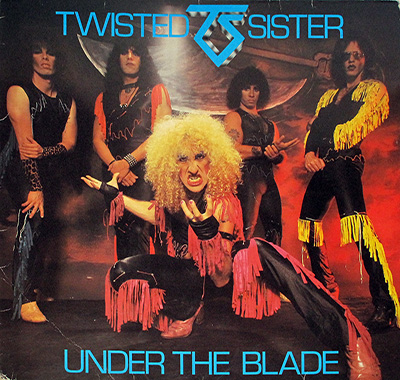
Tom Werman – ProducerEpic A&R turned hit-maker: the guy who helped polish hard rock into arena-sized trouble. Read more... Tom Werman, I think of him as the sonic chiropractor of late-70s/80s rock: he cracks the songs into place and suddenly the chorus stands up straight. He started at Epic Records in 1970, then left fingerprints on Cheap Trick (1977-1978), Ted Nugent (1977), Blue Oyster Cult (1979), and a long Molly Hatchet stretch (1978-1983). Then came the glam-metal fireworks: Motley Crue (1983-1987), Twisted Sister (1984), Poison (late 1987-1988), and Kix (1988). Tom Werman Wiki
Yves Beauvais - Project coordinator
Charlie Barreca - Sound Engineer
Craig Engel - Sound Engineer
Craig Thomson - Sound Engineer
Craig Vogel - Sound Engineer
Denny McNearny - Sound Engineer
Eddy Delana - Sound Engineer
Geoff Workman - Sound Engineer
Will Gosling - Sound Engineer
Ted Jensen - Mastering Engineer
Bob Defrin - Art Direction
Bob Defrin – Art Director / Album Cover Designer
The Atlantic Records visual architect who helped hard rock look like it sounded: loud, sharp, and built to last.
Read more...
Bob Defrin, gets filed in my head as one of those behind-the-curtain operators who quietly shaped what a whole era thought “rock” was supposed to look like. Work at Atlantic Records put him in the blast zone where sleeve art wasn’t decoration, it was stage lighting on paper. Late 1970s into the 1980s, his art-direction fingerprints show up around AC/DC as the logo era locks in (1977’s Let There Be Rock, then the blood-and-thunder run through If You Want Blood You’ve Got It in 1978, Highway to Hell in 1979, Back in Black in 1980, and on into mid-80s titles like Fly on the Wall). Same period energy spills into other big-label moments too, like Foreigner’s 4 in 1981, where the final cover design became the one the world actually remembers. By 1992 he’d gone independent with Bob Defrin Design in Amenia, New York—still doing what the best art directors do: making the music feel inevitable before the needle even drops.
Mark "Weissguy" Weiss - Photography
Mark Weiss – Rock music photographerThe “Weissguy” behind a huge chunk of the 1980s rock image—backstage, on tour, and way too close to the hair spray. Read more... Mark Weiss, Mark “Weissguy” Weiss is the rock photographer whose images basically taught the 1980s how to pose. His origin story is wonderfully punk: in 1977 he got arrested for selling his KISS photos outside Madison Square Garden, and by June 1978 he’d landed a national splash with a Steven Tyler (Aerosmith) centerfold for Circus—then ended up on staff. In the 1980s, he wasn’t just “covering” bands; he was riding alongside them as a tour photographer for artists like Ozzy Osbourne, Bon Jovi, Mötley Crüe, Poison, Metallica, and Twisted Sister, helping lock in that whole glam-and-guts look while it was still hot and loud. Later on, his lens also tracked bigger pop-culture gravity wells—acts like The Rolling Stones, Madonna, and Wu-Tang Clan—but the heart of the Weiss legend is still that late-’70s-to-’80s run where rock didn’t just sound larger-than-life; it looked like it too.
Dave Bascombe - Sound Engineer
|