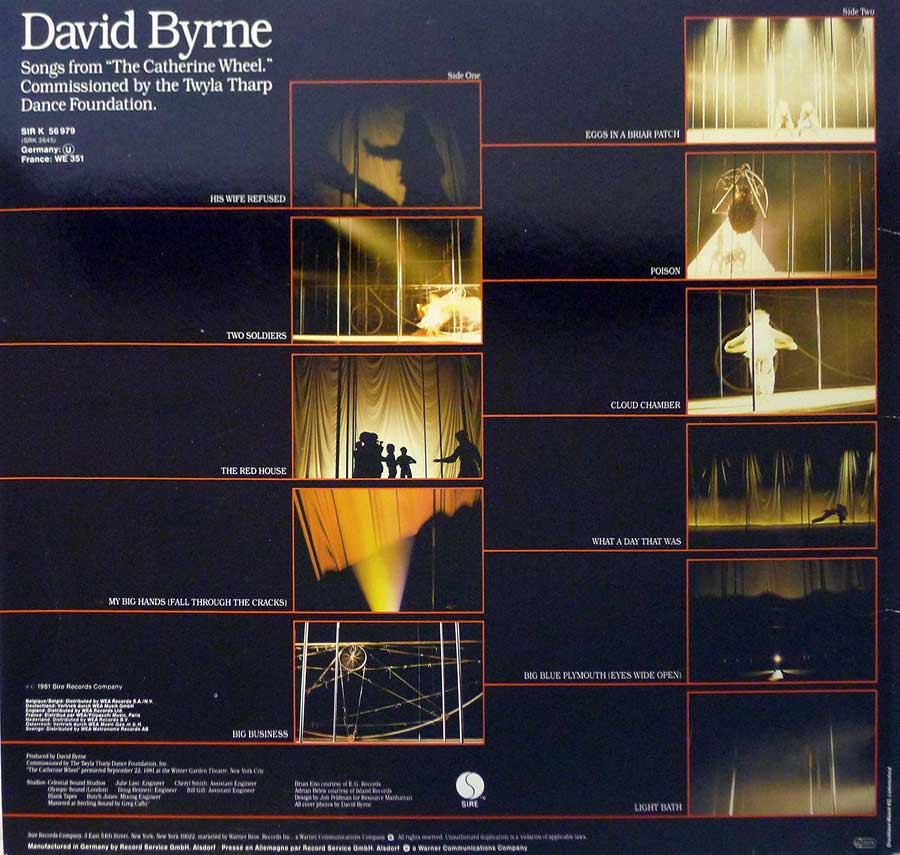
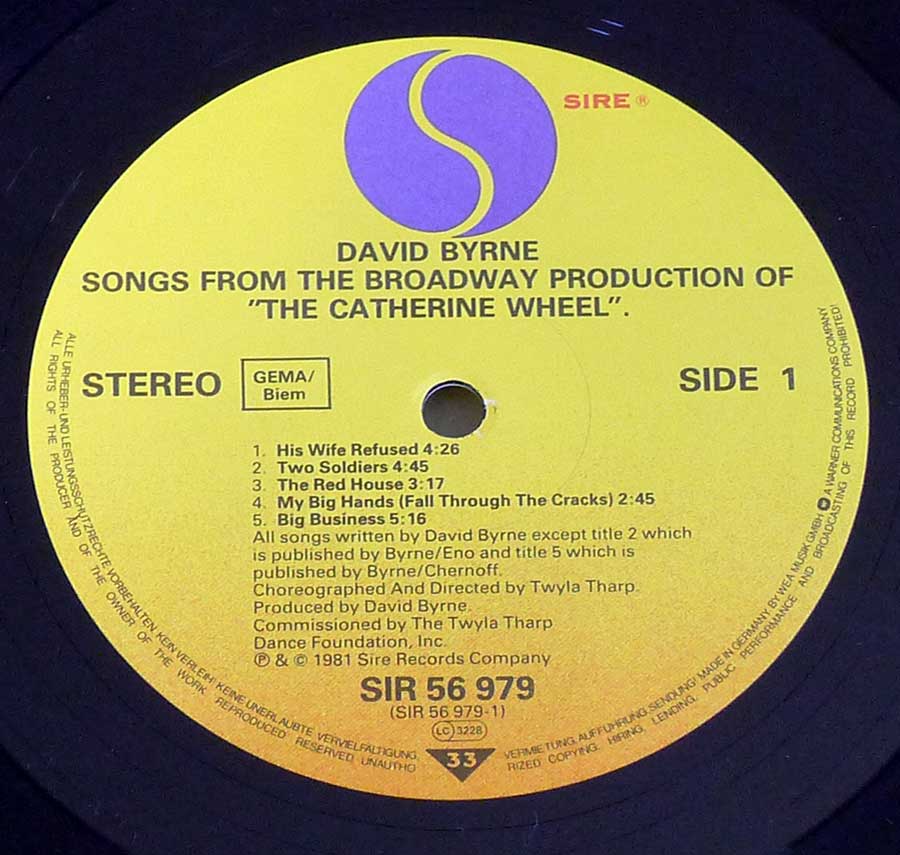
His Wife Refused
- Adrian Belew - steel drum guitar
- David Byrne - vocals, bass, guitars
- David Byrne – Vocals, Guitar, Songwriter
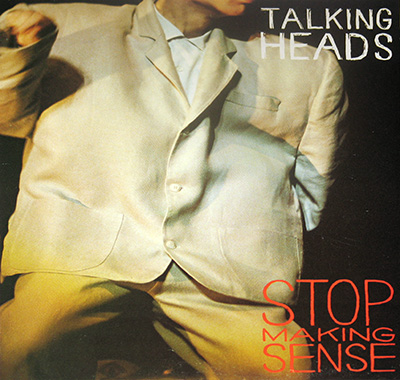
Scottish-born, New York-rewired; he made nervous art-pop sound like cardio. Read more... David Byrne is the restless frontman who turned New York anxiety into dance-floor gospel. I first clocked him in the mid-70s: a RISD dropout with the short-lived Artistics (1973-1974), then Talking Heads (1975-1991), where he went from CBGB razor-pop to funked-up, polyrhythmic fever. While the band was still rolling he peeled off for outside projects and early solo moves (1979-1981), then came back with a proper solo album run (1989-present). His sharpest detour is with Brian Eno (1979-1981; 2008), two brains rewiring what a "song" can be. Later he sparred and harmonized with St. Vincent (2012). For me, "Stop Making Sense" (1984) is the receipt: weird, sweaty, human, precise.
- John Chernoff - gung gong
- Yogi Horton - drums
- Bernie Worrell - mini Moog, piano
Two Soldiers
- Adrian Belew - guitars
- David Byrne - basses, guitar, OBX, primetime
- David Byrne – Vocals, Guitar, Songwriter
Scottish-born, New York-rewired; he made nervous art-pop sound like cardio. Read more... David Byrne is the restless frontman who turned New York anxiety into dance-floor gospel. I first clocked him in the mid-70s: a RISD dropout with the short-lived Artistics (1973-1974), then Talking Heads (1975-1991), where he went from CBGB razor-pop to funked-up, polyrhythmic fever. While the band was still rolling he peeled off for outside projects and early solo moves (1979-1981), then came back with a proper solo album run (1989-present). His sharpest detour is with Brian Eno (1979-1981; 2008), two brains rewiring what a "song" can be. Later he sparred and harmonized with St. Vincent (2012). For me, "Stop Making Sense" (1984) is the receipt: weird, sweaty, human, precise.
- John Chernoff - congas
- Brian Eno - bass, piano
Brian Eno The 1970s and 1980s marked a transformative period in the world of music, with experimentation and innovation at the forefront of artistic endeavors. One name that stands out prominently during this era is Brian Eno, a multifaceted musician, producer, and visionary who left an indelible mark on the European music scene.
The Ambient Pioneer:
Brian Eno, born in Woodbridge, Suffolk, in 1948, began his musical journey as a member of the glam rock band
Roxy Music
. However, it was his departure from the band in the early 1970s that allowed him to fully embrace his avant-garde inclinations. Eno's ambient music, characterized by atmospheric soundscapes and minimalistic compositions, became synonymous with the era.
more...
Eno's solo albums during the 1970s, such as "Music for Airports" (1978) and "Another Green World" (1975), exemplified his ability to create immersive sonic environments. His work in ambient music not only reflected the cultural and technological shifts of the time but also laid the foundation for an entirely new genre that would continue to influence artists for decades to come.
Collaborations with Iconic Bands:
Apart from his solo ventures, Brian Eno's collaborative efforts with some of the most iconic bands of the era solidified his reputation as a musical innovator. Eno's influence was particularly evident in his collaboration with the German electronic band Kraftwerk, where his production skills enhanced their groundbreaking albums, including "Autobahn" (1974) and "Radio-Activity" (1975).
Eno's collaboration with
David Bowie
in the late 1970s produced a series of critically acclaimed albums, including "Low" (1977), "Heroes" (1977), and "Lodger" (1979). Eno's ambient textures and electronic experimentation played a pivotal role in shaping the sound of these albums, contributing to Bowie's reinvention and the broader evolution of popular music.
Production Wizardry:
Brian Eno's prowess as a producer extended beyond his collaborations with Bowie and Kraftwerk. His work with
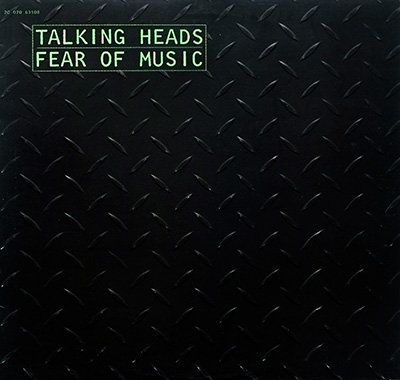
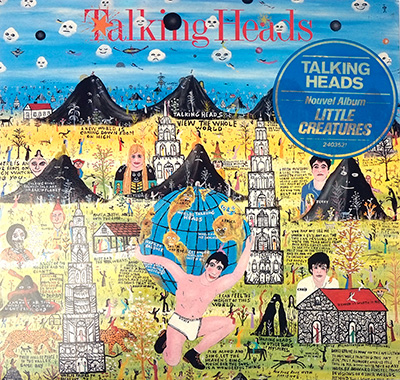
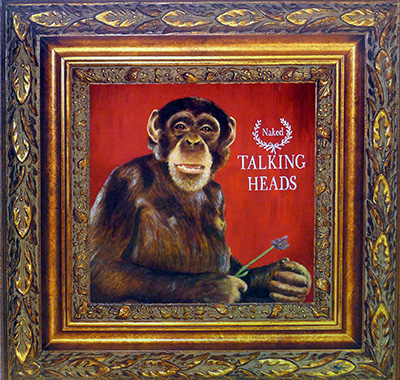
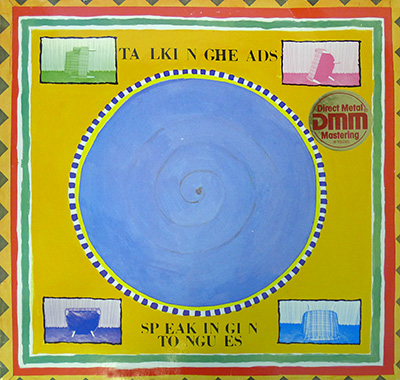
Talking Heads
on the landmark album "Remain in Light" (1980) showcased his ability to blend diverse musical elements, incorporating African polyrhythms and avant-garde sensibilities. This collaboration marked a turning point for Talking Heads, propelling them into uncharted musical territories.
Additionally, Eno's production work with
U2 in the 1980s
, particularly on "The Unforgettable Fire" (1984) and "The Joshua Tree" (1987), played a crucial role in shaping the band's sonic identity. His innovative production techniques and sonic landscapes elevated U2's sound to new heights, contributing to their global success.
- Yogi Horton - drums
The Red House
- David Byrne - basses, guitars, prophet
- Brian Eno - prophet scream
- Yogi Horton - drums
My Big Hands
- David Byrne - vocals, bass, guitars, percussion, prophet
- Yogi Horton - drums
Big Business
- David Byrne - vocals, bass, fierce and high guitars
- John Chernoff - galloping guitar
- Bernie Worrell - clavinet
Eggs in a Briar Patch
- Adrian Belew - floating guitars
- David Byrne - guitars, horses
- John Chernoff - gung gong
- Brian Eno - bass, vibes
- Jerry Harrison - clavinet
- Yogi Horton - drums
Poison
- David Byrne - vocals, bass, guitars, mini synthesizer, prophet strings
- Dolette McDonald - vocals
Cloud Chamber
- David Byrne - kitchen metals
- Jerry Harrison - large drum
- Twyla Tharp - water pot
What a Day That Was
- David Byrne - vocals, bass, guitars, synthesizers
- John Cooksey - drums
- Steve Scales - congas
Big Blue Plymouth
- David Byrne - vocals, guitars
- Sue Halloran - vocals
- Yogi Horton - concert toms, drums
Light Bath
- David Byrne - triggered flutes
- John Chernoff - percussion
|