Album Description:
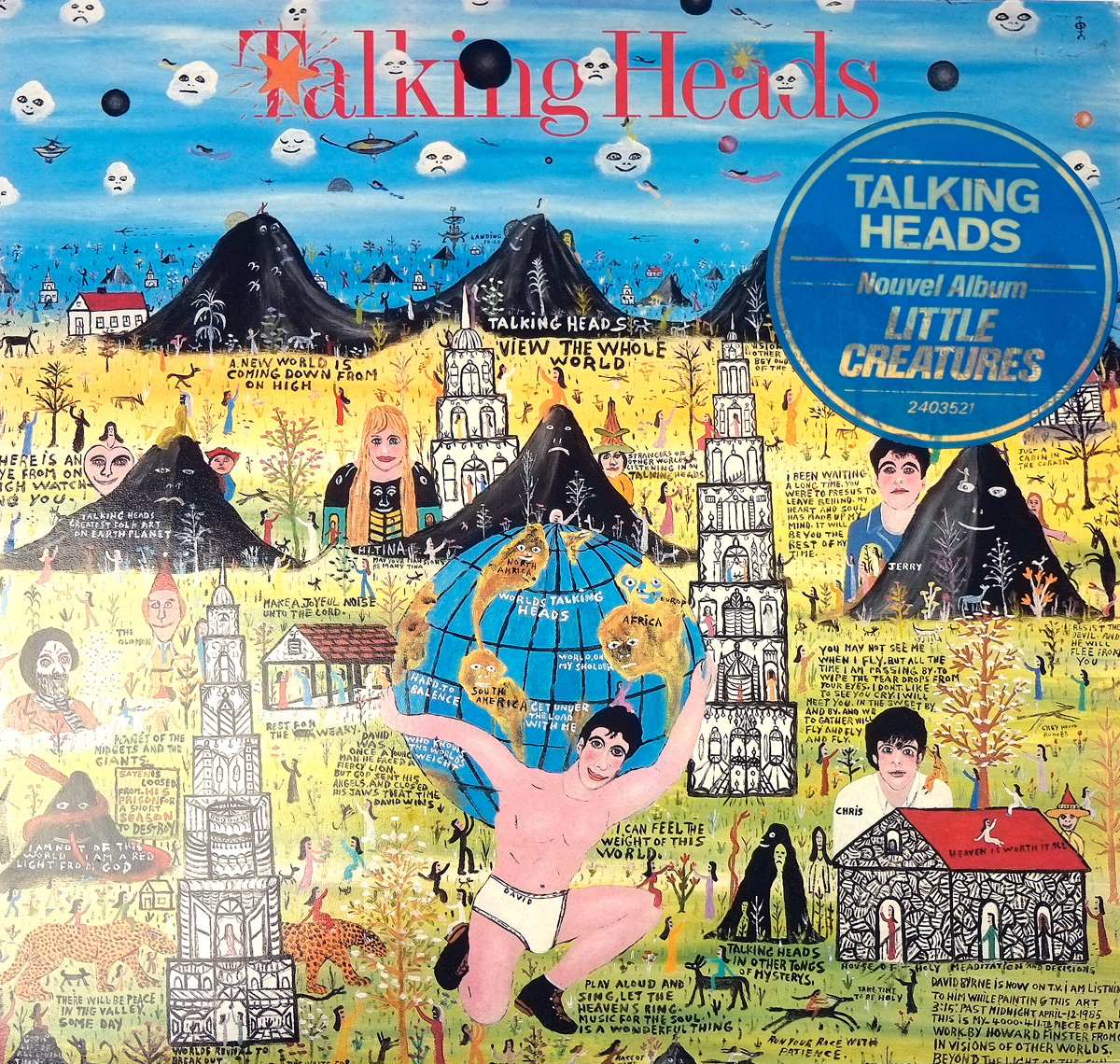
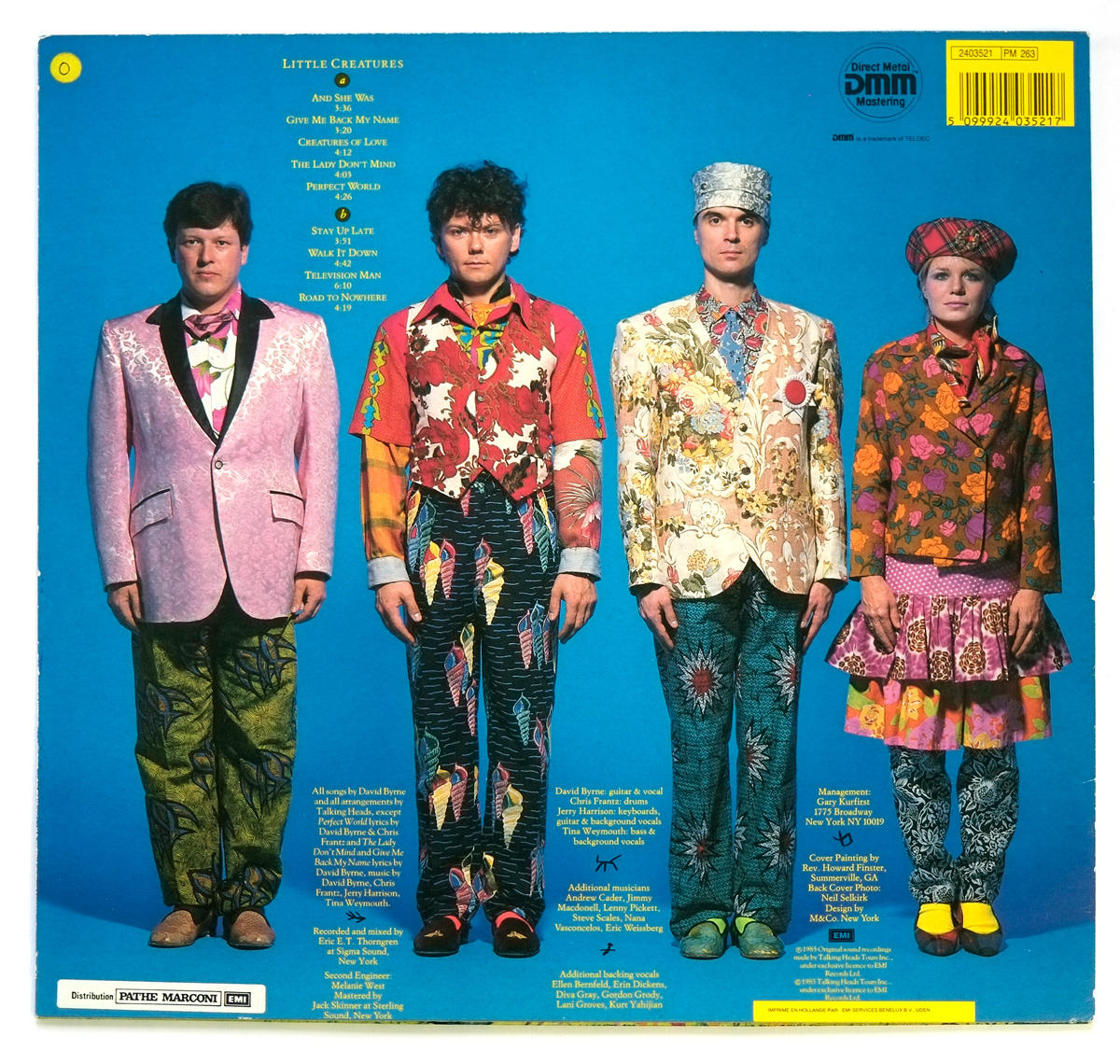
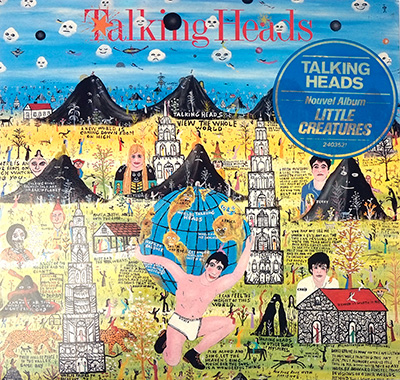
In the vibrant landscape of alternative rock, Talking Heads carved a niche for themselves with their groundbreaking and experimental approach to music. One of their standout albums, "Little Creatures," released in 1985, showcases the band's ability to reinvent their sound while maintaining their distinctive artistic vision. Through the fusion of Americana themes and country-inspired elements, Talking Heads created an album that captivated both critics and fans alike. From its evocative cover art by Howard Finster to its chart-topping success, "Little Creatures" remains a testament to the band's creative prowess.
Exploring Americana:
"Little Creatures" delves into the heart of Americana, a genre rooted in the cultural fabric of the United States. By incorporating themes that celebrate American life and exploring the complexities of the nation, Talking Heads offered a unique perspective on the American experience. The album's lyrics touch upon subjects such as suburban life, relationships, and the struggle for identity in a rapidly changing world.
Country Music Influence:
To further enrich their exploration of Americana, Talking Heads embraced elements of country music on "Little Creatures." This departure from their previous sound showcased the band's versatility and willingness to experiment with new musical styles. The inclusion of steel guitar, a hallmark of country music, added a distinct texture to the album, evoking a sense of nostalgia and lending an authentic country flavor to many tracks.
Critical Acclaim and Cultural Impact:
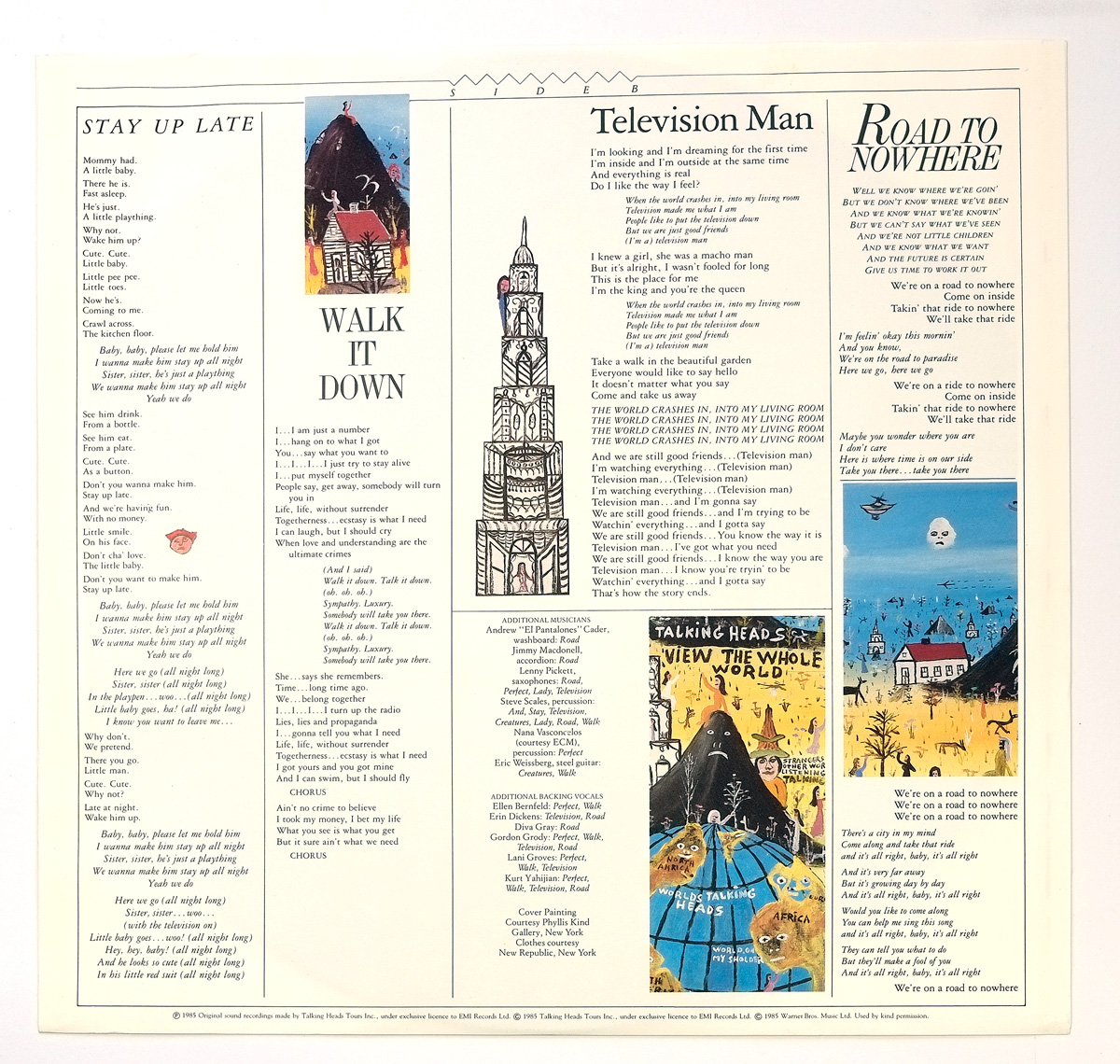
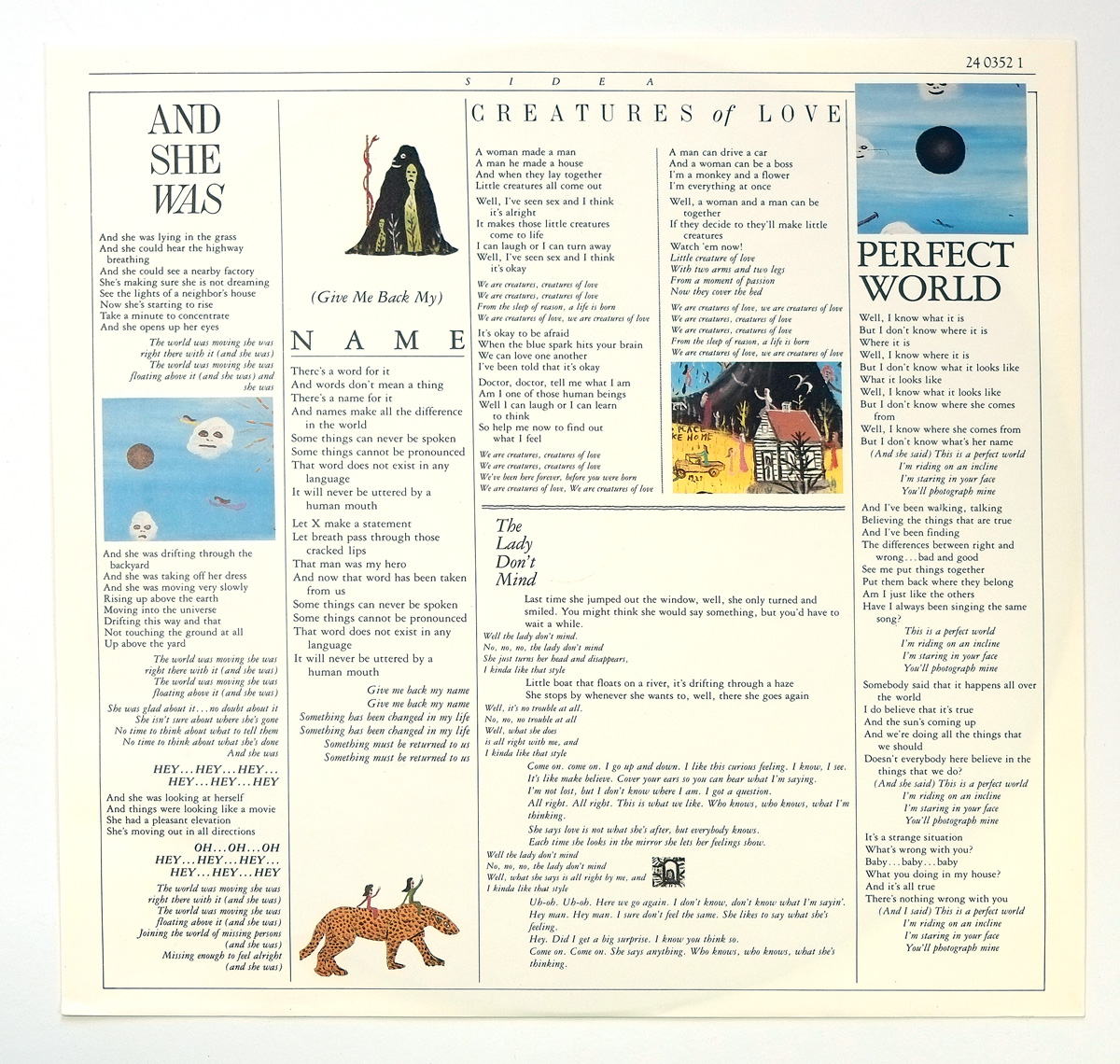
Upon its release, "Little Creatures" received widespread acclaim, solidifying Talking Heads' position as innovators in the alternative rock scene. The album's unique blend of Americana and country influences struck a chord with audiences, garnering significant commercial success. It reached the top 20 on the Billboard 200 chart and produced several hit singles, including "And She Was" and "Road to Nowhere."
In addition to its chart success, "Little Creatures" was recognized for its artistic merit. The album was voted as the best album of 1985 in The Village Voice Pazz & Jop critics poll, a testament to its cultural impact and critical acclaim. The album cover, featuring a vivid and imaginative painting by outsider artist Howard Finster, was hailed as Rolling Stone magazine's album cover of the year, further solidifying the album's artistic significance.