U2 Band Description:
U2 started in Dublin in 1976, because a teenager (Larry Mullen Jr.) stuck a note on a school noticeboard and four kids decided noise was better than homework. That origin story still matters: you can hear the “we have something to prove” energy in the early records, even when they’re trying to sound holy.
The long-haul lineup is the one everybody knows: Bono on vocals (and yes, he’ll grab a guitar when the moment needs a prop), The Edge on guitar and keyboards, Adam Clayton on bass, Larry Mullen Jr. on drums and percussion. It’s a simple machine. When it locks in, it feels inevitable. When it doesn’t, it feels like a very expensive committee meeting.
I still think their early run hits hardest when it’s lean and twitchy: "Boy" (1980) and "October" (1981) sound like a band finding its spine in real time. Not polished. Not “legacy”. Just bright wire-strike guitars, drums that push forward, and a singer already leaning into the big emotional swing.
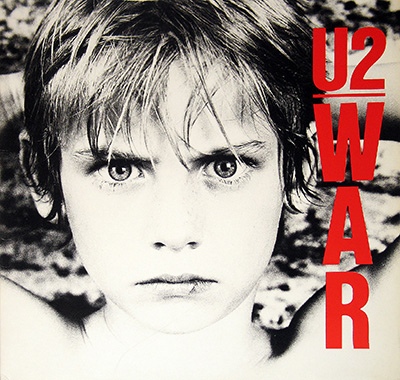
Then "War" (1983) arrives and suddenly they’re not just a good post-punk band from Ireland anymore—they’re staring conflict in the face and refusing to blink. "Sunday Bloody Sunday" doesn’t need a lecture from me; it needs volume. You don’t “analyze” that riff. You endure it, in the best way.
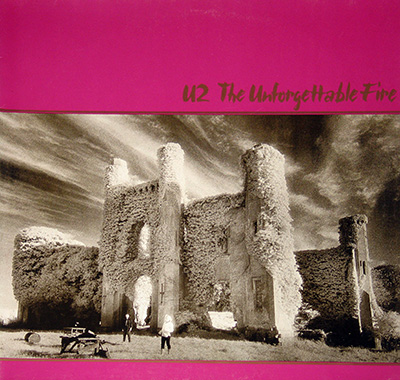
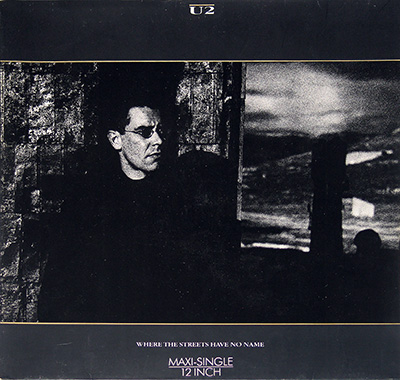
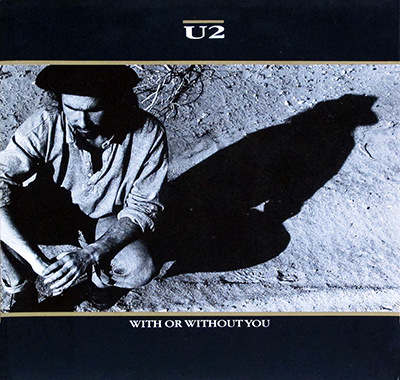
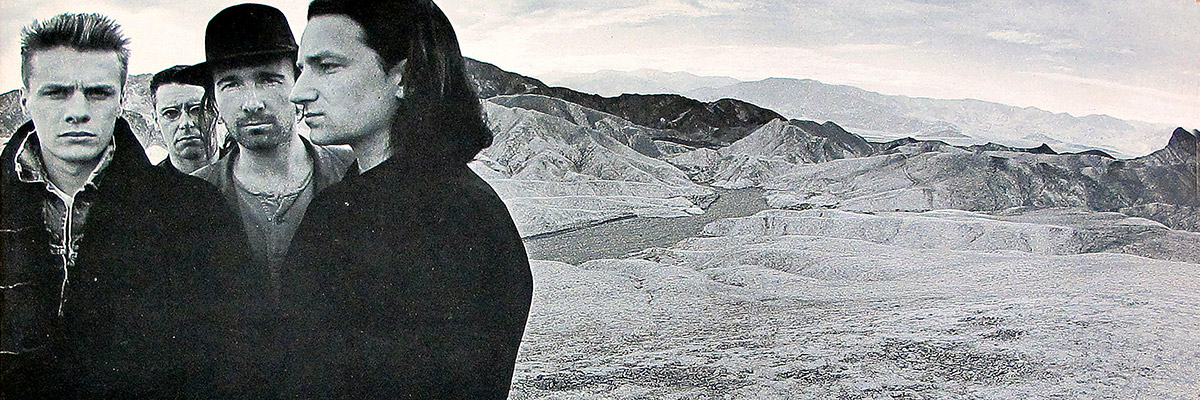
"The Unforgettable Fire" (1984), produced by Brian Eno and Daniel Lanois, is where the air changes. The songs stop marching and start hovering. And then "The Joshua Tree" (1987) turns them into a global weather system: "With or Without You", "Where the Streets Have No Name", "I Still Haven't Found What I'm Looking For"—the kind of tracks that follow you around like old guilt.
The 1990s are them deliberately messing up the room: "Achtung Baby" (1991) is the big pivot, and it still feels gutsy. After that, "Zooropa" (1993) and "Pop" (1997) chase electronics and dance culture with mixed results. Some nights it works. Some nights it sounds like four rock guys trying on a shiny jacket in a dressing room mirror and pretending it isn’t a costume.
They course-correct with "All That You Can't Leave Behind" (2000) and later add another full studio chapter with "Songs of Experience" (2017), bringing their studio-album count to 15. Sales-wise, the estimates land around 150–170 million records worldwide, and they’ve stacked up 22 Grammy Awards. Big numbers, sure. But the real measure is simpler: you can walk into a room where nobody agrees on music and still find at least one U2 song everybody knows.
Their most recent album release is "Songs of Surrender" (2023): 40 re-recorded and reimagined tracks, slimmer and more reflective. Sometimes it feels like a band rewriting its own diary in cleaner handwriting. Sometimes it’s genuinely moving. Sometimes I miss the original mess. And no, I’m not sorry about that.
U2’s activism is real, and it’s also part of the brand—both can be true at the same time, like a song that’s heartfelt and still designed for stadium lighting. Their live shows have a reputation for scale and precision, but what people come for is that moment when Bono stops selling the idea of a song and starts bleeding it out. When they’re on, it’s not “grandiose”. It’s gravity.