Madonna in the 80s: lace, backlash, bangers, and zero apologies:
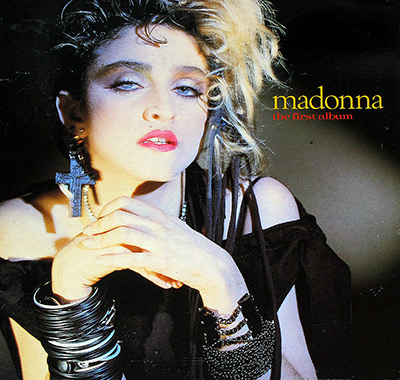
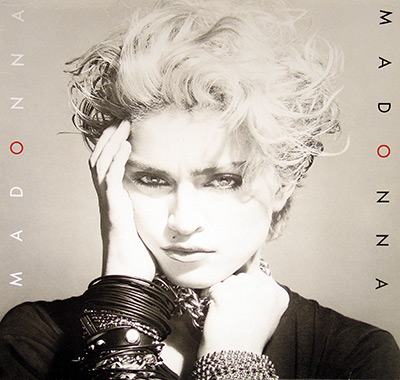
Madonna did not glide into the 1980s like some polite pop guest. She kicked the door, checked her reflection in the broken glass, and kept walking. New York club energy was still in her hair when the self-titled album "Madonna" landed in 1983, and "Holiday" hit like a clean, bright flash in a decade that loved loud colors and louder confidence.
Madonna's Music
Before the world started calling her "an icon" (a phrase that always sounds like a polite way of saying "we ran out of adjectives"), she was making dance-pop that moved like a body, not a thesis. "Holiday" (1983) is the obvious entry point: simple, buoyant, and built for rooms where nobody wanted to talk about their feelings until the lights came on.
The debut album is packed with that early-engineered shine: "Lucky Star" right behind it, and "Borderline" waiting in the wings until it got pushed out as a single in February 1984. None of this is subtle. It is meant to stick. That is the point.
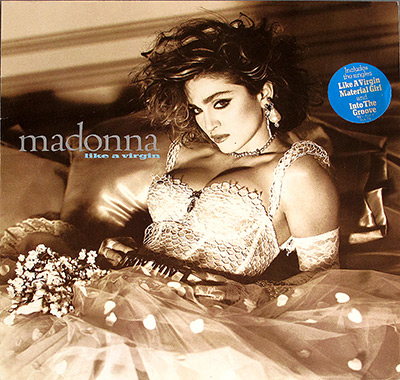
The shock moment people still replay is 1984: "Like a Virgin" and that first VMAs performance where she rolled around in a wedding dress with a "Boy Toy" belt buckle like she was daring America to complain on live TV. America obliged, of course.
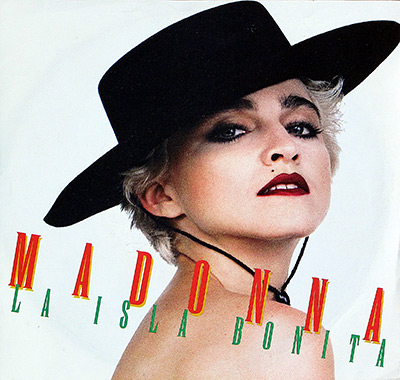
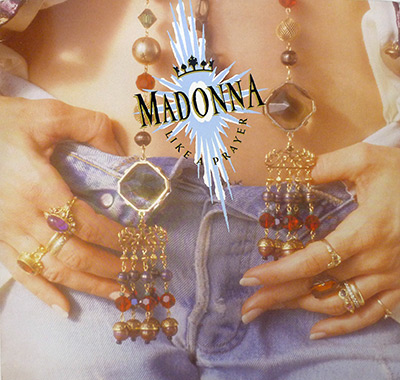
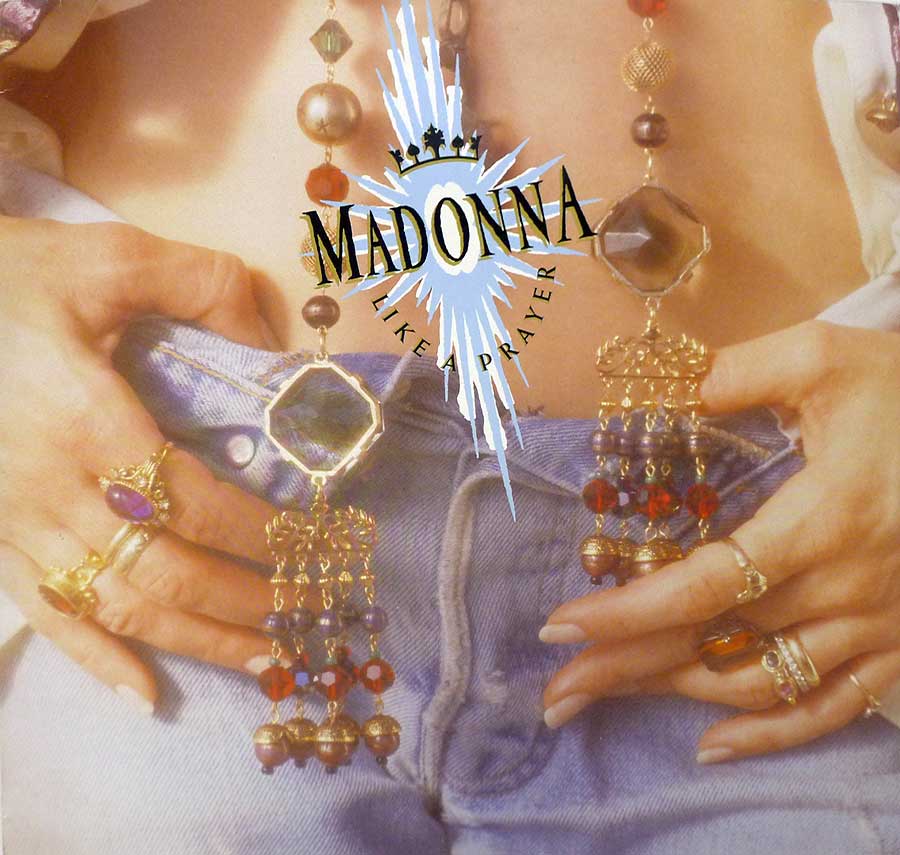
By the time you get to "Papa Don't Preach" (1986), she is not just flirting with controversy, she is steering it. And "Express Yourself" (released May 1989, off "Like a Prayer") is basically her yelling through glitter and drum machines: do not shrink yourself to make the room comfortable.
Madonna's Fashion
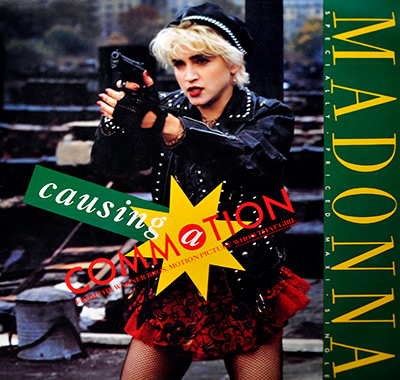
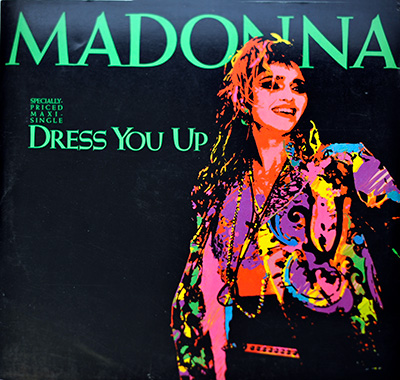
The clothes were never just clothes. They were a practical weapon. Lace, gloves, crucifixes, layered junk-shop jewelry, the kind of look that made parents sigh and made teenagers immediately start copying it with whatever was lying around. She did not "influence fashion" so much as she infected it.
That 1984 "Boy Toy" moment is the snapshot: lingerie-as-armor, pop-as-performance-art, and a wink that felt half playful and half predatory. The funniest part is how quickly the world tried to turn it into a safe costume. Madonna never looked safer.
Madonna's Persona
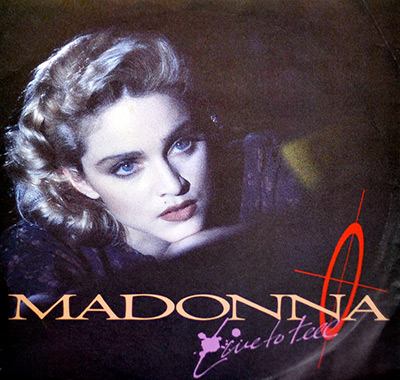
She ran on contradiction: horny and strategic, sentimental and calculating, approachable and untouchable. People wanted a role model, a villain, a punchline, a saint, a scandal. She served different plates to different tables and watched them argue over who got the "real" one.
And yes, the Catholic imagery mattered, not as decoration but as a provocation she knew would light the fuse. When "Like a Prayer" arrived in 1989, the religious symbols were not subtle background props; they were the point, and the backlash was immediate (including corporate fallout).
The 1980s did not make Madonna. Madonna made the 1980s feel like it had a pulse you could actually hear through the wall. If that annoyed people, good. Pop that never annoys anyone is basically elevator music with better hair.
References
- Britannica: Madonna biography (early hits, debut era)
- Wikipedia: "Borderline" release details (single year/date)
- Wikipedia: "Express Yourself" release details (1989, "Like a Prayer")
- Rolling Stone: 1984 VMAs "Like a Virgin" and the "Boy Toy" belt
- TIME: 1989 "Like a Prayer" controversy and backlash context