Index of LAS CHICAS DEL CAN - Featured Vinyl Records and album cover photo Gallery

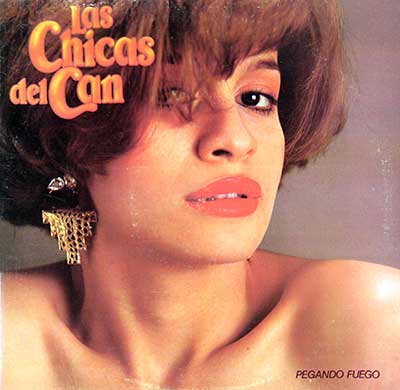
large album front cover photo of:  LAS CHICAS DEL CAN

 Las Chicas del Can did not drift into merengue history like some elegant cultural footnote. They barged in. Bright, fast, a little unruly, and impossible to ignore. The group came out of Santo Domingo, and the early story still carries a bit of glorious mess: Wilfrido Vargas was part of the machine behind it, yes, but Belkis Concepcion belongs right in the center of the origin story too, and leaving her out is the sort of shortcut that makes music writing go stale. This was not decorative merengue. This was guira scrape, tambora crack, hair flying, heels working overtime. A little perico ripiao attitude in the bloodstream. Eso si.

 The dates are not as tidy as lazy summaries pretend. Some sources push the beginning to 1981, others even earlier, so pinning the whole thing down to a smug little "founded in 1982" is too neat by half. What matters more is the sound they kicked loose in the 1980s: "El Negro No Puede", "La Media Maria", "Sukaina", "Juana la Cubana", "Culeca", "Ta' Pillao", "Fuego", "Fiebre", "Las Pequenas Cosas". Those records do not sit politely on a shelf. They lean forward. They grin. They dare the room not to move. I can almost hear one of those tracks coming from a half-open car window on a hot evening, all brass and swagger and zero patience for stillness.

 And the lineup? Forget the fantasy of one fixed, framed band portrait. Las Chicas del Can kept changing faces, which is half the reason the story stays alive. Belkis Concepcion lit the fuse, then Miriam Cruz, Eunice Betances, Teresa Dominguez, Veronica Medina and others carried the name through its strongest years, with later formations keeping the banner in motion. That shifting cast gave the group its own kind of voltage. A little unstable. A little competitive. Better that way, frankly. Merengue this alive should never sound over-organized. Que siga la vaina.


LAS CHICAS DEL CAN Band Description:

 Las Chicas del Can never sounded like a polite idea on paper. They sounded like merengue with its sleeves rolled up. Dominican, all-female, loud in exactly the right way. The horns snapped, the rhythm section kept pushing, and the singers came at the beat with that mix of sweetness and bite merengue does so well. Concho, this was not wallpaper music. This was the kind of group that walked into the room before you did.

 Their history is messier than the tidy version people like to recycle. The group emerged in the orbit of Wilfrido Vargas, but Belkis Concepcion sits right at the heart of the early story too, and pretending otherwise is just lazy writing. That early period gave the band its spark, and later voices such as Miriam Cruz, Eunice Betances and Teresa Dominguez helped turn the name into a real force rather than a gimmick with a good hairstyle.

 By the 1980s they were firing out songs that stuck fast: "El Negro No Puede", "La Media Maria", "Juana la Cubana". Those records did not beg for respect. They grabbed it. The hooks were sharp, the choruses were built to travel, and the whole machine moved with that delicious merengue urgency that makes standing still look faintly ridiculous. Dale. Eso si. Once that rhythm locked in, the room belonged to them.

 Later, as lineups shifted and the story twisted the way band stories always do, the banner changed into Miriam Cruz y Las Chicas, and the sound kept moving with hits such as "Te Propongo" and "La Loba". That matters, because Las Chicas del Can were never just one frozen lineup in a frame. They were a living merengue organism: part brand, part battleground, part dance-floor detonator. And honestly, that restless quality is half the charm. Too tidy would have ruined it.
References
What is Merengue Music

 Merengue didn’t arrive politely. It kicks the door open. In the Dominican Republic the rhythm starts with two stubborn instruments: the tambora drum cracking like a whip and the metallic scrape of the güira. Then the accordion jumps in, fast and cheeky, pushing the whole thing forward. Suddenly the room moves. ¡Eso! Dale, compay. The groove is simple but relentless — African rhythm meeting European melody and deciding to throw a party together.

 Old-school merengue típico leans heavily on accordion, tambora, and güira. Later the big orchestras added horns, bass, and keyboards, turning the music into a full-blown dancefloor machine. Dominican bands in the 1980s pushed that sound across the Caribbean and straight into New York dance halls. One minute you think it’s just a rhythm, the next minute people are shouting ¡Que siga la fiesta! and nobody’s sitting down anymore.

 The dance itself is almost disarmingly simple. Couples stay close, stepping side to side, hips moving with the beat like a relaxed march. No complicated choreography, no ballroom stiffness. Just motion. A quick spin here, a grin there. The kind of dance where beginners survive their first minute and suddenly think: hey, maybe I can do this after all.

 The first time you hear merengue played loud — really loud — the rhythm sneaks under your ribs. I remember hearing it spilling out of a small Caribbean bar, accordion squealing happily while the güira scraped like sandpaper on chrome. The music wasn’t asking permission. It was announcing itself. And once that beat grabs you, amigo… it doesn’t let go easily.

References

Index of CHICAS DEL CAN Featured Vinyl Album Discography and Album Cover Gallery

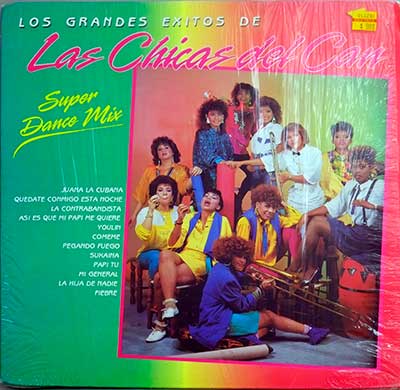
LAS CHICAS DEL CAN - Los Grandes Exitos Super Dance Mix 12" Vinyl LP
Thumbnail Of  LAS CHICAS DEL CAN - Los Grandes Exitos Super Dance Mix album front cover

SONO Latin Records SD-1430 , 1989 , USA

"Las Chicas del Can - Los Grandes Exitos Super Dance Mix" is a captivating 12" LP Vinyl Album showcasing the vibrant merengue rhythms of the renowned all-girl band from Santo Domingo. Flourishing in the 1980s, the compilation features their top hits, including the infectious "Juana La Cubana" and the rhythmic "Sukaina." This musical anthology captures the essence of an era and the enduring charm of Las Chicas del Can.

Learn more
LAS CHICAS DEL CAN - Pegando Fuego 12" Vinyl LP
Thumbnail Of  LAS CHICAS DEL CAN - Pegando Fuego album front cover

SonoTone Latin Records SO-0403 , 1986 , USA

"Pegando Fuego," the fourth official album by the Dominican all-female music ensemble "Las Chicas Del Can," set ablaze the music scene upon its 1986 release. This 12" Vinyl LP showcased the group's fiery talent, leaving an indelible mark on the era's cultural landscape. With infectious rhythms and compelling vocals, the album's contribution to the musical tapestry of the time remains a testament to the group's enduring impact.

Learn more
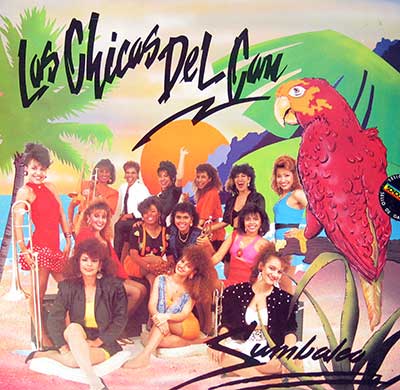
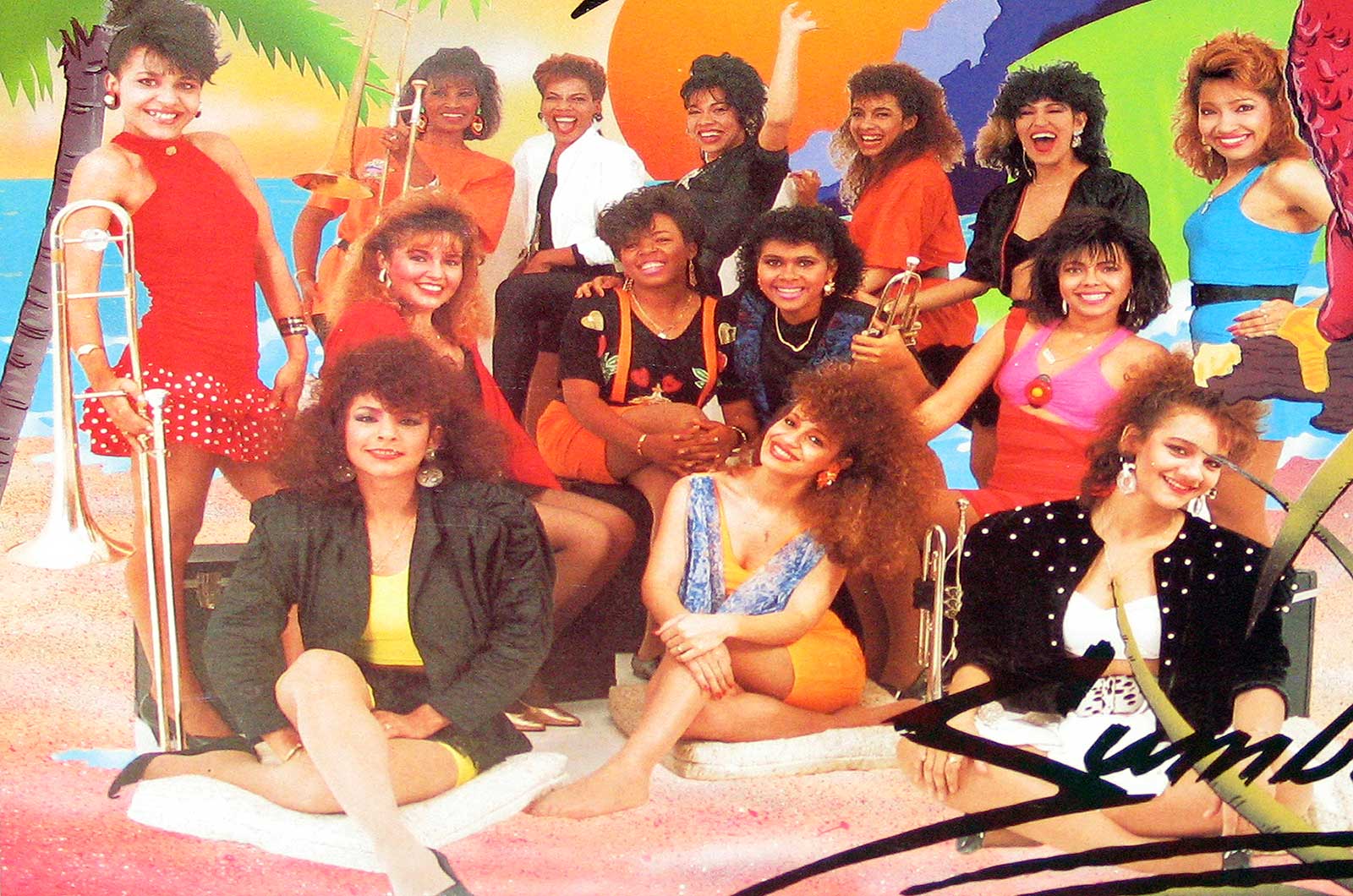
LAS CHICAS DEL CAN - Sumbaleo
Thumbnail Of  LAS CHICAS DEL CAN - Sumbaleo  album front cover

Palm Pro 10.284 , 1990 , Venezuela

In 1990, Las Chicas del Can's "Sumbaleo" 12" Vinyl LP, produced by Wilfrido Vargas, made a significant impact in the thriving merengue scene. With a stellar lineup of musicians led by Maria Acosta, the album's fusion of traditional and contemporary elements resonated globally. Its enduring legacy continues to influence and inspire, marking a pivotal moment in the evolution of merengue music.

Learn more
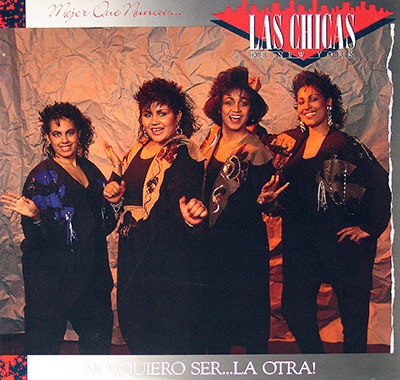
LAS CHICAS DE NUEVA YORK - Mejor Que Nunca
Thumbnail Of  LAS CHICAS DE NUEVA YORK - Mejor Que Nunca  album front cover

Alegria Records , 1989 , USA

"Mejor Que Nunca", the 12" vinyl LP by "Chicas de Nueva York", shines with the talents of Jackie Sanchez, Rosa Melendez, Lucia "Kenny" Diaz, and Asia Gonzalez. Produced by the skilled hands of Raphy Pou, this album embodies their finest work. With captivating harmonies and melodies, it's a musical journey that proves they're better than ever.

Learn more