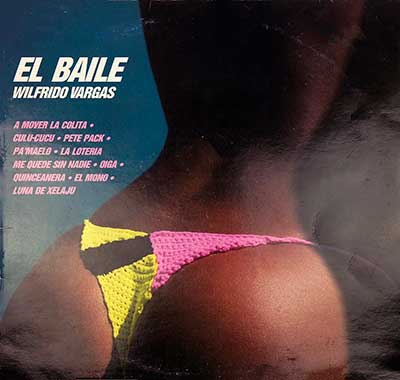
Wilfrido Vargas Story:
I would not write about Wilfrido Vargas as if he were some framed museum piece with a brass plaque under him. That misses the whole point. His music was built to move bodies, not flatter historians. Born on 24 April 1949 in Altamira, he came out of a family where music was already in the walls, and by the time most kids were still making noise for the sake of noise, he was studying seriously and handling the trumpet with real intent. You can hear that discipline later, even when the records sound loose, wild and sabroso.
The original text explained merengue as if the reader had never been near a dance floor in their life. I do not buy that. Wilfrido matters because he did not leave merengue sitting politely in the corner. He pushed it. He tightened it. He sped it up and messed with its balance just enough to wake people up. That was the trick. Not academic talk. Not brochure language. Motion. Pressure. Ay, que mambo.
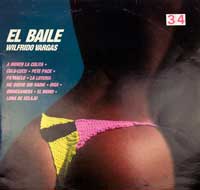
In the early 1970s he pulled Los Beduinos together, and the first Karen album, "Wilfrido Vargas y sus Beduinos", arrived in 1974. That record did more than introduce a band. It opened a door. The response was strong enough that the group landed a residency at Happy Hills Casino in New York in 1975, which tells you plenty about where the music was already heading: out of the local frame, into migrant nights, crowded rooms, sharp suits, sweat, brass, and people refusing to go home when they should have.
What I like most is that Vargas did not behave like a caretaker. He behaved like a provocateur with arrangement skills. His band drove merengue harder, played with sudden rhythmic shifts, and irritated some traditional dancers while thrilling younger ones. Good. Music should bother somebody once in a while. If everybody nods politely, something has gone wrong. Merengue was never meant to sit still with its hands folded.
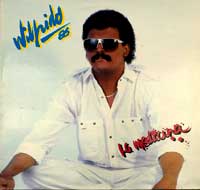
By the time "Punto y Aparte!" hit in 1978 and "El Barbarazoi" started cutting through the air, you could hear the thing taking shape properly. Not respectable. Not tidy. Alive. Later came the huge 1980s run, the kind of catalog that made his orchestra feel less like a band and more like a finishing school for merengue ambition. He did not merely front the music; he trained it, sharpened it, and sent it out into the world wearing stage shoes. Eso si prendia.
There is also a difference between honors and mythology, and this article had started blurring that line. So let me keep the floorboards level. "Animation" earned a GRAMMY nomination. In 2018 the Latin Recording Academy gave Vargas a Lifetime Achievement Award. Both matter. Neither needs to be inflated into fairy dust. His real achievement is easier to spot anyway: put one of his records on and the room changes shape. Chairs get dragged back. Somebody grins. Somebody older claims this is the good stuff. Somebody younger finally understands why the older crowd gets stubborn about it.
That is the Wilfrido Vargas I trust more than the polished-summary version: not a footnote in merengue history, but a man who kept the genre from going soft. The brass had bite, the tempos had nerve, and even when the arrangements turned slick, there was still a little edge left in the collar. Sabroso, yes. Polite, never. Better that way.
References
- Universal Music Publishing Latin America - Wilfrido Vargas biography
- Universal Attractions Agency - Wilfrido Vargas bio
- Dominican Music in the US - 1970s merengue narrative
- Recording Academy - Wilfrido Vargas awards listing
- Latin Recording Academy - 2018 Lifetime Achievement Award announcement
- Vinyl-Records.nl - high resolution Wilfrido Vargas album cover photos