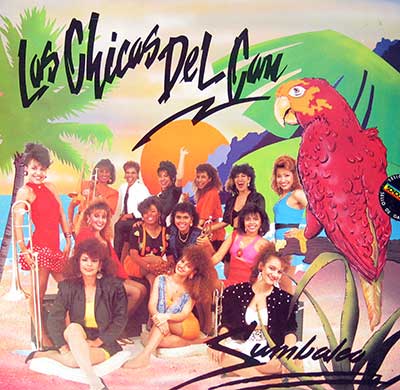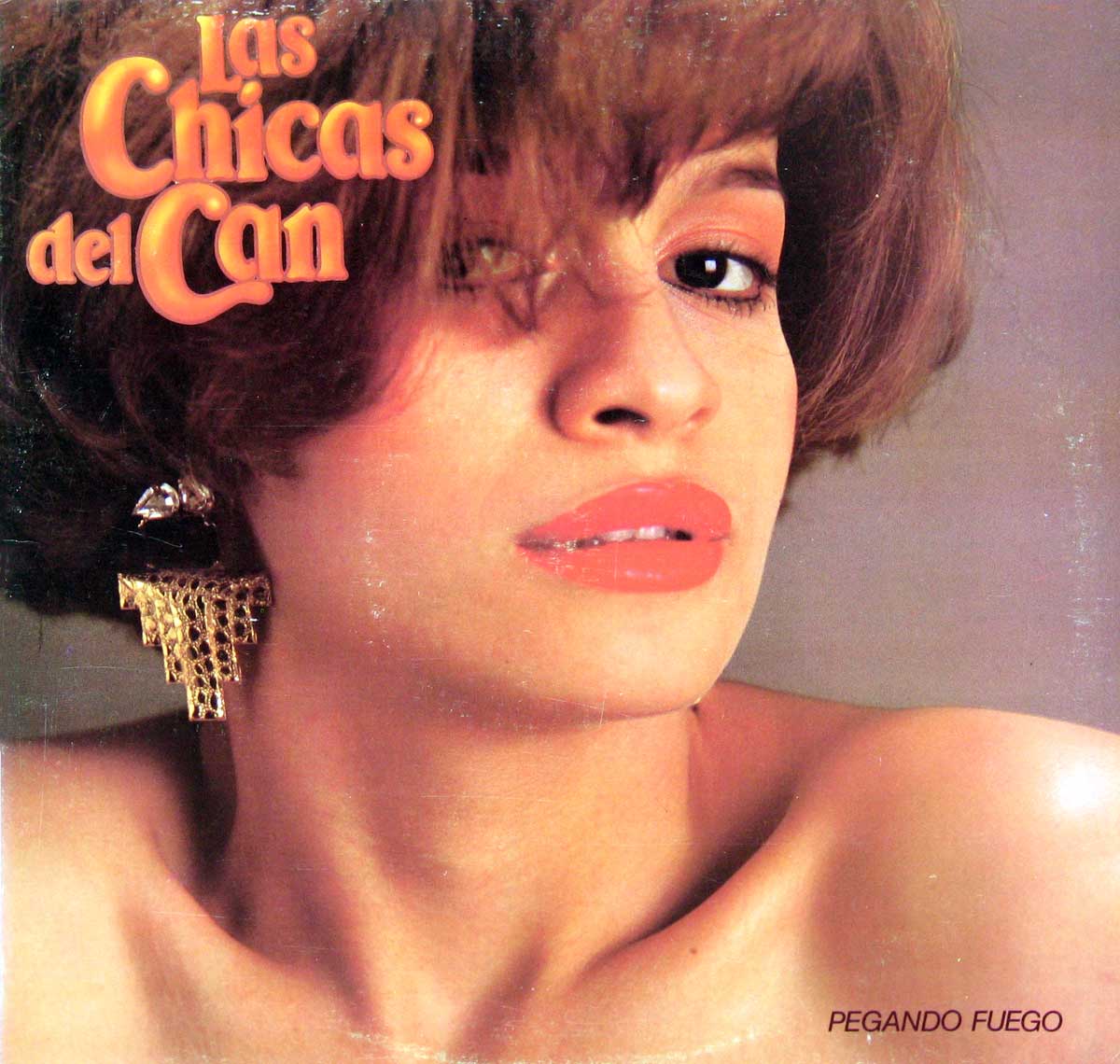
"Pegando Fuego" (1986) Album Description:
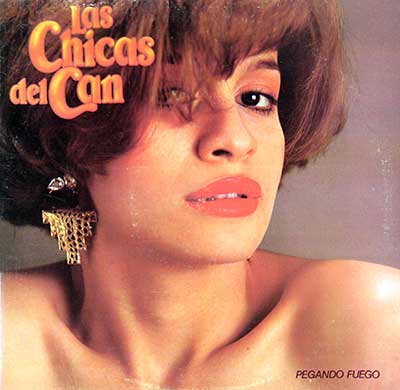
"Pegando Fuego" kicks the door, flashes a grin, and gets straight to work. By the time this LP hit in 1986, Las Chicas del Can were already moving through that dangerous little stretch where a group can either stiffen into formula or get meaner, faster, and more alive. They chose the second option. The record pushes merengue hard, with the brass punching from the side, the rhythm section scraping and cracking underneath, and the choruses landing like they were built for crowded rooms, not careful listening.
There is another reason this one grabs you. It comes after the early Belkis Concepcion chapter had already been cracked open, which means the group was no longer selling novelty. No more easy “all-female merengue act” label and call it a day. By now they had to prove the machine still had teeth, and "Pegando Fuego" sounds like a band that knew exactly what people were waiting to hear: heat, hooks, movement, and just enough roughness around the edge to keep it from smelling like showroom polish. You hear that by the title track, and you hear it again when the album starts shifting shape.
The year had static in the air
In the Dominican Republic in 1986, Joaquín Balaguer was back in power, the economy was jittery, and merengue was not some cute entertainment on the side. It was in the street, on the radio, in campaign noise, in dance halls, in the national bloodstream. That matters, because "Pegando Fuego" does not sound like an album made in a vacuum. It sounds like a record cut in a country where rhythm had to do more than entertain. It had to move bodies and hold attention fast. No lounging. No drift. Dale y vámonos.
Where it sits in the 1986 merengue traffic
The mid-1980s merengue field was crowded with killers. Wilfrido Vargas was still driving the genre outward with that brass-heavy, sharply arranged style that made everything feel like it had a spotlight on it. La Gran Manzana was pushing urban bite in New York. The New York Band was about to make the crossover lane even busier. Los Hermanos Rosario were tightening the swing until it felt almost weaponized. Against that crowd, Las Chicas del Can did not win by sounding delicate. They won by sounding fast, disciplined, and slightly dangerous in heels.
What the record actually does
The title track comes out hot and stays there. The tempo is urgent without turning sloppy, and that is harder than it looks. Merengue can die two stupid deaths: too stiff and it feels like a lesson, too loose and it turns into bar-band soup. "Pegando Fuego" avoids both. The güira scrape keeps flickering at the edges, the tambora snaps the middle of the beat, and the arrangement keeps nudging the singers forward instead of letting them loaf around in it.
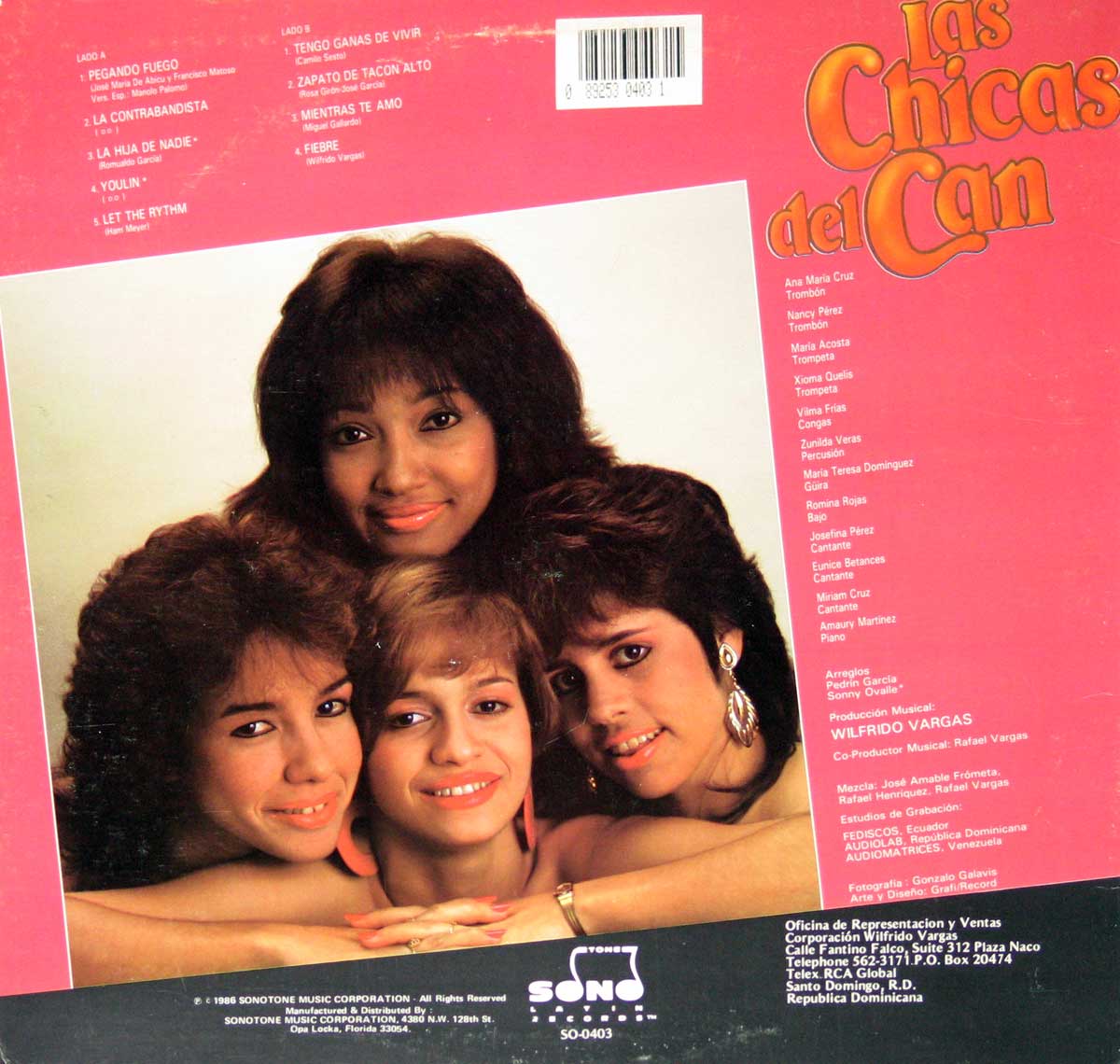
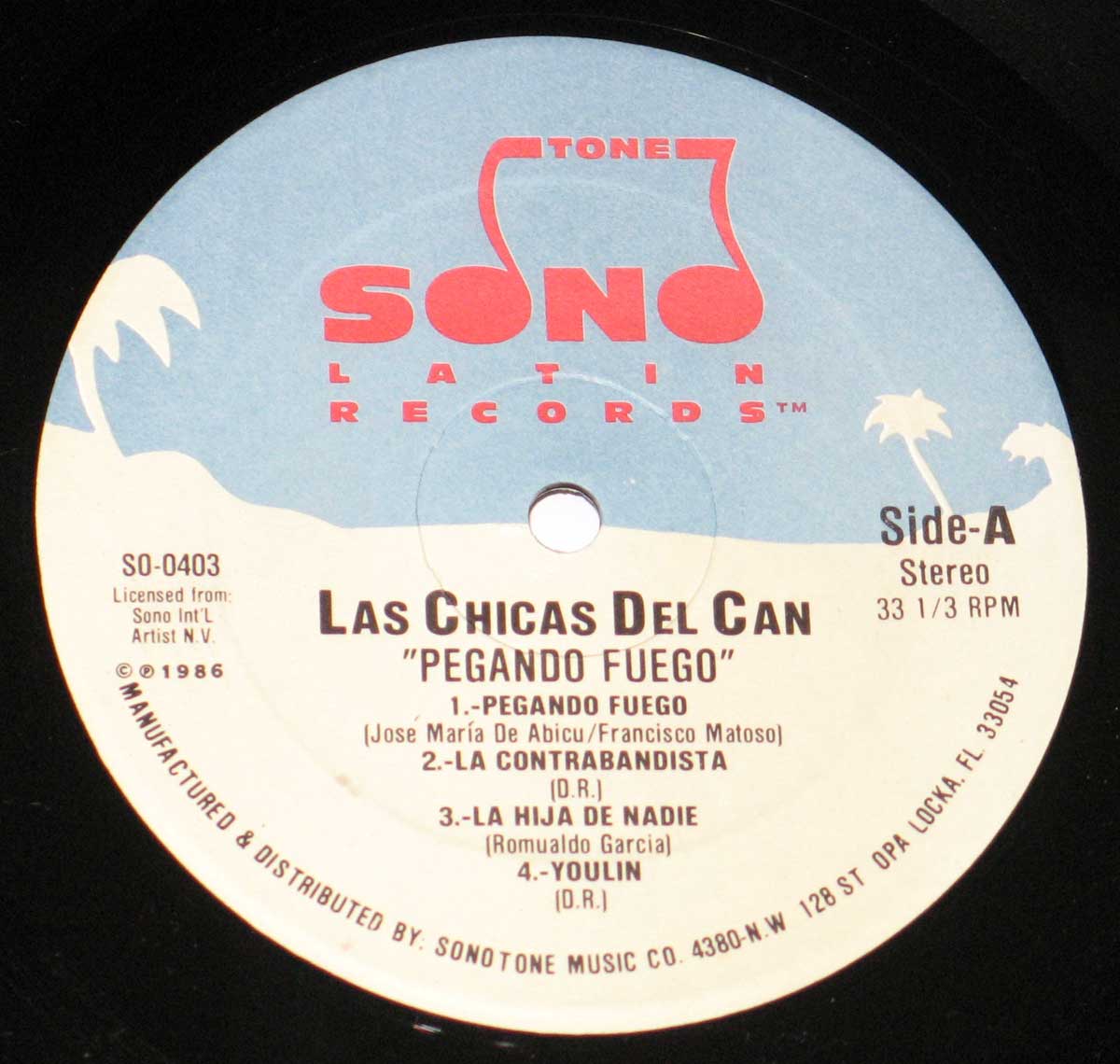
"La Hija de Nadie" brings in a more dramatic streak, the kind of song that gives the front line room to lean into character rather than just rhythm. Then you get a title like "Let the Rhythm" and you can practically hear the band eyeing the broader dance floor, not with desperation, but with that sly little merengue confidence that says: yes, we know this thing can travel. "Fiebre" closes the set with exactly the right title for a record like this. Fever. Not contemplation. Not tasteful restraint. Fever.
The people behind the push
Wilfrido Vargas produced the album, and his fingerprints are all over the discipline of it. He understood how to keep merengue bright, sharp, and commercial without draining the blood out of it. But the record is not just a producer’s diagram. It depends on the group’s shifting female lineup to make the attack feel human. Your page names Ana Maria Cruz, Nancy Perez, Maria Acosta, Xioma Quelis, Vilma Frias, Zunilda Veras, Maria Teresa Dominguez, Romina Rojas, Josefina Perez, Eunices Betances, Miriam Cruz, and Amaura Marinez for this LP, and that larger cast is part of the point: this was not one fixed postcard lineup but a working merengue engine.
That churn in personnel was not a side note. It shaped the record. Belkis had already left to go solo in 1985, so the group had to keep its center of gravity without the obvious early focal point. The result is not a fragile transition album. It sounds more like a band proving it can survive the exit, sharpen the hooks, and keep dancing right through the personnel smoke.
No scandal, but a couple of lazy myths
I could not find a real public controversy tied specifically to the release of "Pegando Fuego," and that in itself is useful to say plainly. The usual nonsense sits elsewhere. One lazy myth is that Las Chicas del Can were a tidy, unchanging act, when the whole history of the name says the opposite. Another is that the group can be explained as a Wilfrido Vargas invention full stop, which leaves Belkis Concepcion standing out in the rain when she should be right there in the doorway. The truth is more interesting because it is less tidy. Imagine that.
One small real-world angle
This is the sort of LP I can picture turning up in a late-night record shop bin with a little ring wear on the sleeve and a clerk who swears the title track still destroys a room. You do not need a lecture to understand it. You need a turntable, a little volume, and enough honesty to admit the beat is already halfway up your spine.
What "Pegando Fuego" gets right is simple and not simple at all: it behaves like merengue should behave. It moves first. It seduces second. It explains nothing. And when it is over, it leaves you with that familiar suspicion that the room was a little warmer before you even noticed why. That is not academic. That is the whole damned point.
References
- Vinyl-Records.nl - high-resolution "Pegando Fuego" album cover photos and LP details
- Apple Music - "Pegando Fuego" album listing
- Wikipedia - Las Chicas del Can history and lineup overview
- Dominican Music in the US - 1980s merengue scene context
- Britannica - Joaquin Balaguer and the 1986 Dominican political backdrop
- UNESCO - merengue as everyday Dominican cultural practice