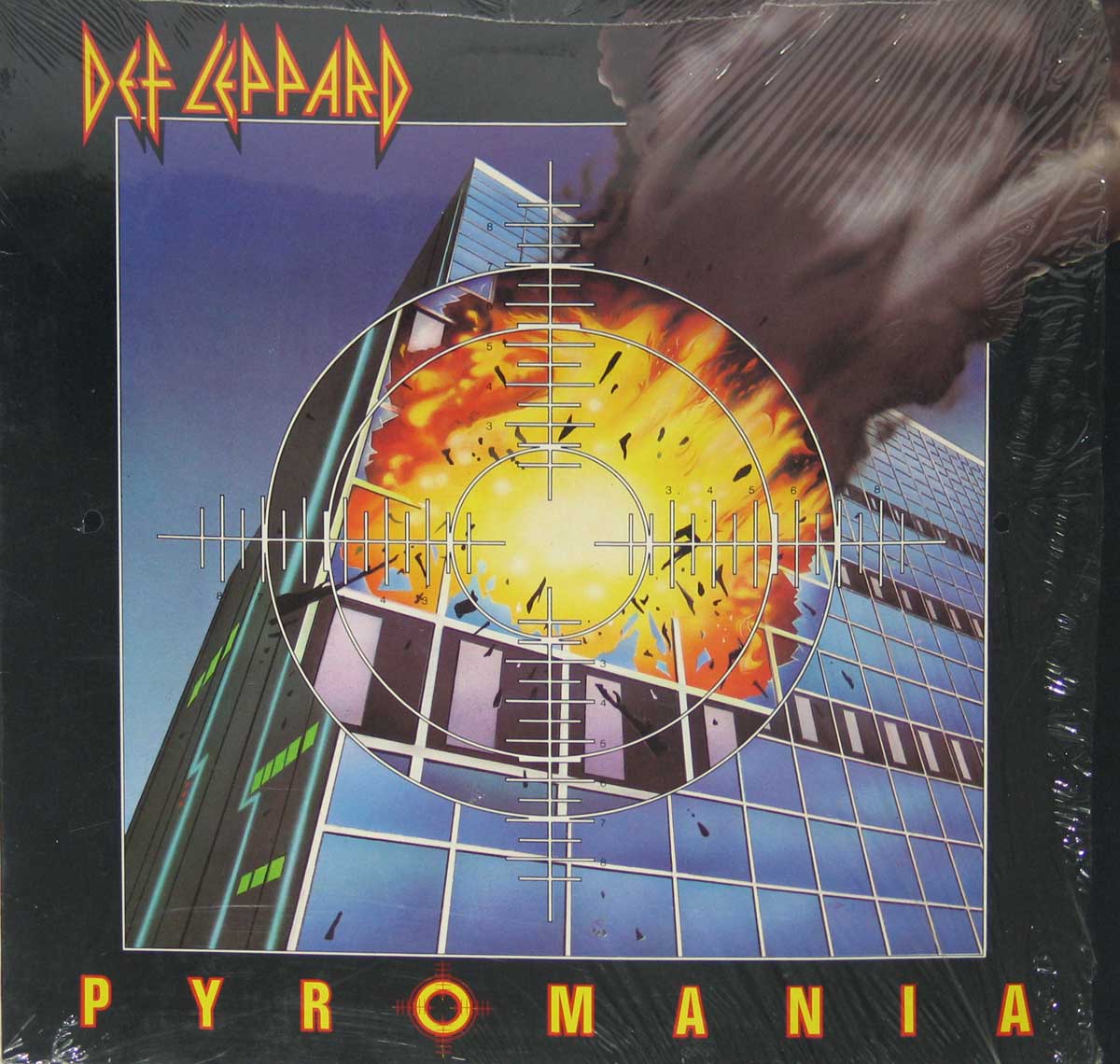
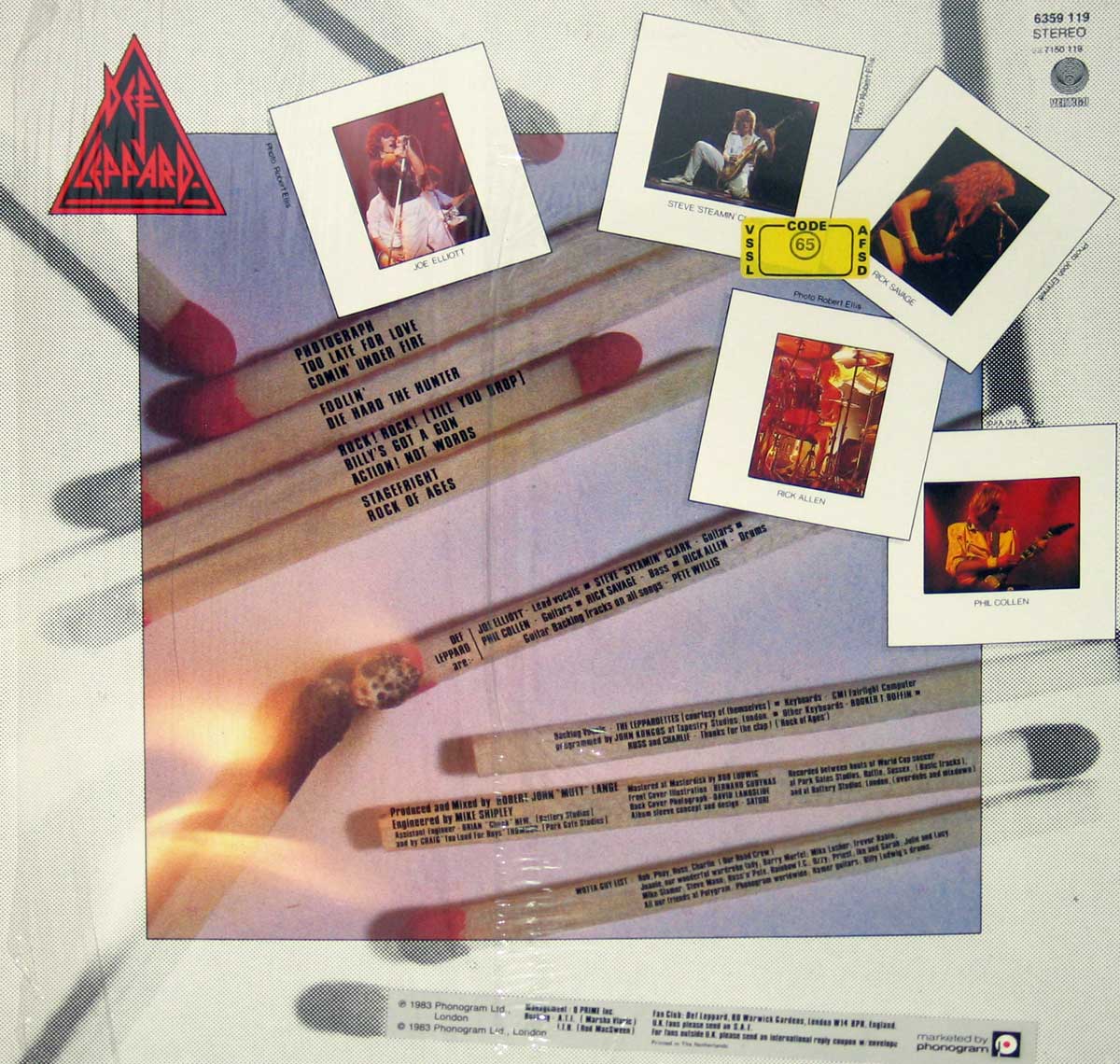
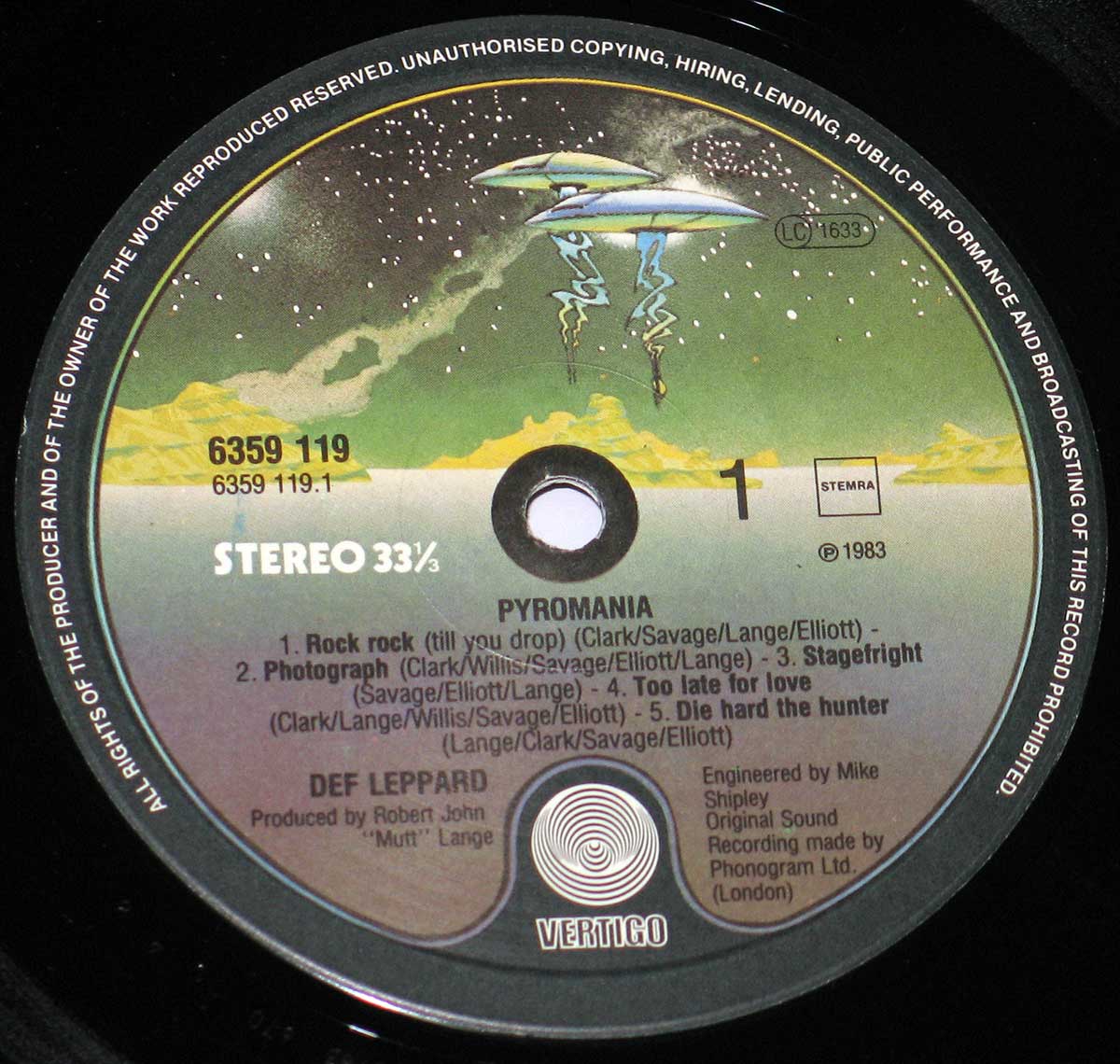
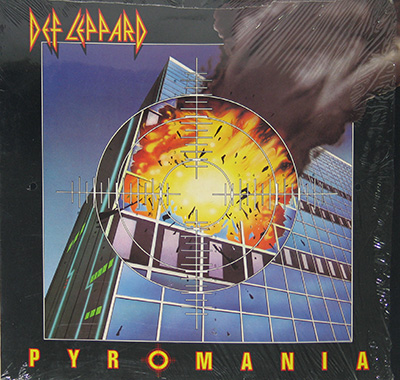
"Pyromania" (1983) Album Description:
"Pyromania" is the moment Def Leppard stops being “that hungry UK rock band” and becomes a full-on arena organism—built to survive MTV, radio, and the increasingly loud 1983 arms race for the biggest chorus in the room. This Netherlands pressing wears it proudly: Made in Holland, Vertigo in the credits, and that feeling that the needle is about to jump onto something glossy, dangerous, and weirdly permanent.
1. The band and the record
I hear this album like a controlled explosion: hooks stacked like fireworks, guitars sharpened until they shine, and Joe Elliott selling every line like he’s trying to convince the back row of the stadium to believe in it. It’s still hard rock at heart, but it’s hard rock that’s learned how to pose for the camera without losing the punch.
2. 1983 and the cultural weather
1983 is peak transition season: the tail-end grit of the late ’70s collides with the new reality that a music video can turn a band into a household name overnight. Heavy riffs are still welcomed, but they’re getting dressed up—cleaner, louder, more photogenic—and "Pyromania" doesn’t just adapt to that world, it helps write the rulebook.
3. How they got here
This isn’t a band casually wandering into greatness. You can feel the ambition and the pressure in every bar: Def Leppard had already proven they could write, tour, and survive, but here they’re aiming for the leap—the one where a “rock band” becomes a global brand without sounding like a jingle factory.
Robert John “Mutt” Lange sits at the center of that leap like a mad scientist with a metronome, pushing the songs into a tighter, brighter, more relentless shape. The result is a record that feels engineered for impact—but still sweaty enough to remember it came from humans.
4. Sound, songs, and musical direction
Sonically, "Pyromania" has that steel-and-neon texture: riffs that hit clean, drums that feel like they’re marching in formation, and choruses that arrive like a floodlight to the face. It’s not “raw,” and that’s the point—this is hard rock learning how to dominate the airwaves without apologizing for being catchy.
The obvious monuments are "Photograph" and "Rock of Ages"—both built like classic singles, but with enough bite to keep the metal crowd from fully rolling their eyes. Then you’ve got deep-cut adrenaline like "Stagefright" and the slow-burn drama of "Too Late for Love", which proves they weren’t just chasing speed; they were chasing atmosphere.
5. Where it sits next to its 1983 cousins
In the same year that metal and hard rock were splitting into different futures, "Pyromania" chose the future with the biggest speakers. If you line it up against other 1983 heavy hitters, you can hear the difference instantly:
Quiet Riot’s "Metal Health" is a bar fight; Iron Maiden’s "Piece of Mind" is a galloping war march; Dio’s "Holy Diver" is myth carved in stone. "Pyromania" is the stadium floodlight—less grit under the nails, more precision in the punch, and a hook-per-minute rate that feels borderline illegal.
6. Controversies and public reactions
The “controversy,” if you want to call it that, is the eternal rock argument: Is it still heavy if it’s this polished? Some people heard a sellout; others heard a band finally getting the sound in their head onto tape with zero compromises. Either way, the public reaction was basically: “Turn it up, then play it again.”
7. Band dynamics and creative tensions
Behind the shine, there’s a real band story: during the making of the album, guitarist Pete Willis was fired for alcohol-related issues and Phil Collen stepped in to finish the job. You can practically hear the machine keep moving—because that’s what big ambition does: it doesn’t pause, it just swaps parts and keeps racing toward the finish line.
8. Reception and legacy
This record didn’t just do well—it became one of the defining success stories of the decade, helped by massive MTV exposure and singles that refused to die. Over time it’s been framed as a major catalyst for the 1980s pop-metal wave, and in the U.S. it eventually crossed into Diamond territory for sales.
Decades later, I don’t reach for "Pyromania" because it’s “perfect.” I reach for it because it’s a snapshot of a band catching fire at exactly the right cultural moment—when loud guitars learned how to glow on television, and nobody was embarrassed to want the chorus to be bigger than the room.
9. Closing the sleeve
Put this Dutch pressing on, and it still feels like 1983 trying to convince you the future is going to be loud, glossy, and unstoppable. The riffs may be polished, but the heartbeat is real—and yeah, decades later, the grooves still smell faintly of beer, sweat, and misplaced optimism.