In the smoldering ashes of the New Wave of British Heavy Metal, a phoenix rose from Sheffield. Def Leppard, a band of scrappy lads with a penchant for melody and a knack for hooks, unleashed "Pyromania" onto an unsuspecting world in 1983. This wasn't just an album; it was a sonic Molotov cocktail lobbed into the heart of a music scene craving something more than just leather, studs, and Satanic imagery.
West Germany, a land still healing from its post-war divisions, found itself caught in the crossfire of this melodic hard rock assault. The Cold War was in full swing, the Berlin Wall stood as a stark symbol of division, and yet, amidst the political tension, a generation of young Germans found solace and rebellion in the anthemic power of Def Leppard's music.
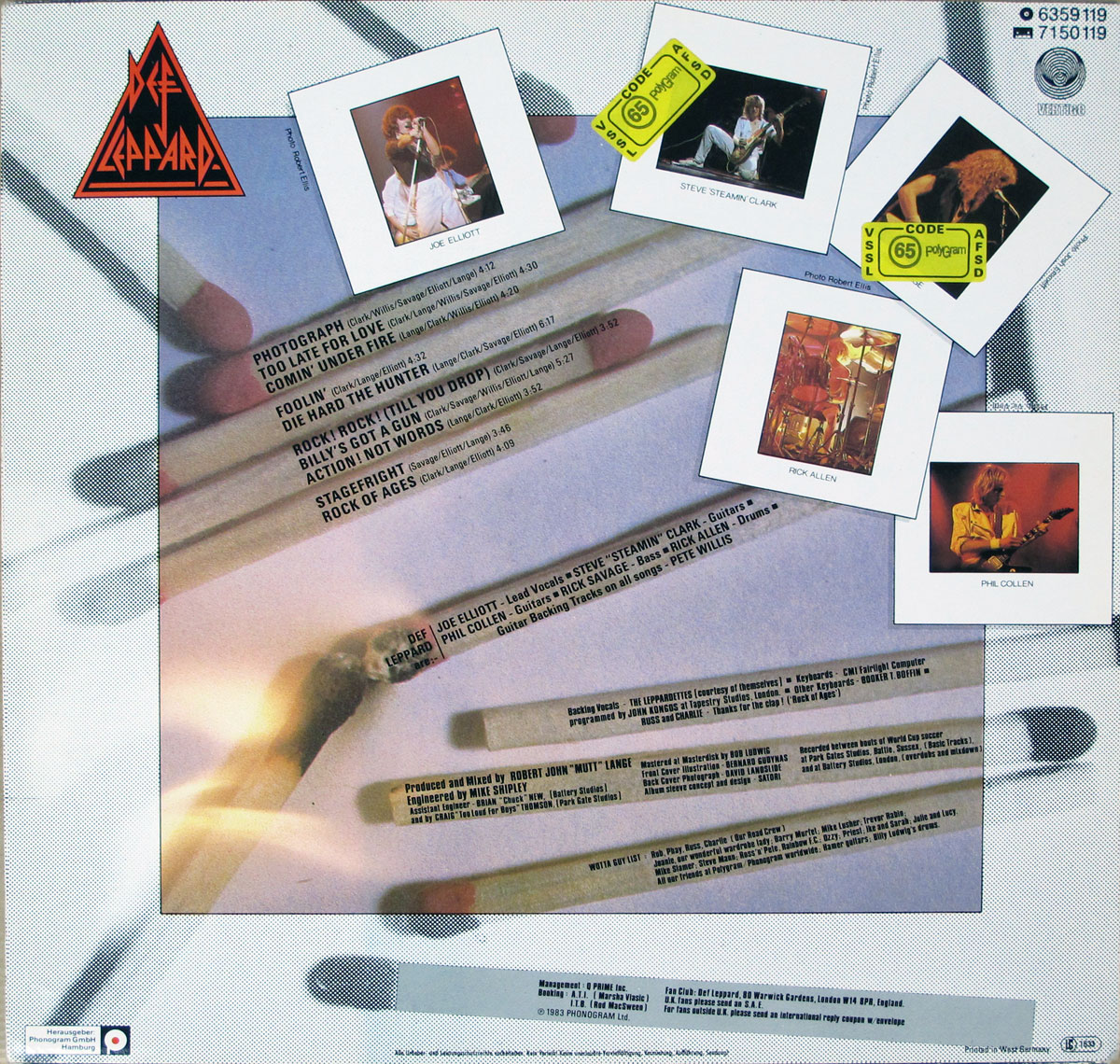
"Pyromania" wasn't just a collection of songs; it was a carefully crafted sonic experience. Producer Robert John "Mutt" Lange, known for his meticulous approach and pop sensibilities, steered the band towards a more polished and radio-friendly sound. This wasn't the raw, unfiltered energy of their earlier work; it was a calculated move towards mainstream success, and it paid off. The album's slick production, layered vocals, and emphasis on melody marked a significant departure from the band's earlier, rawer sound, sparking debate among fans and critics about the band "selling out" to achieve commercial success.
The album was recorded in various locations, including Battery Studios in London, a legendary space that had witnessed the birth of countless rock and roll classics. But it was Park Gates Studios in Battle, Sussex, where the magic truly happened. Here, amidst the rolling hills and historic battlegrounds, Def Leppard laid down the tracks that would ignite a global firestorm. Interestingly, despite drummer Rick Allen's impressive performance on the album, the drums were largely produced using a Fairlight CMI sampler, showcasing the innovative production techniques of the time.
From the opening chords of "Rock! Rock! (Till You Drop)" to the final notes of "Billy's Got a Gun," "Pyromania" was a non-stop adrenaline rush. Songs like "Photograph" and "Foolin'" became anthems for a generation, their infectious melodies and soaring vocals echoing through bedrooms, stadiums, and even the most hardened of hearts. The album's singles, particularly "Photograph," dominated MTV and rock radio, propelling the band to superstardom and solidifying the album's place in music history as a landmark release in the glam metal genre.
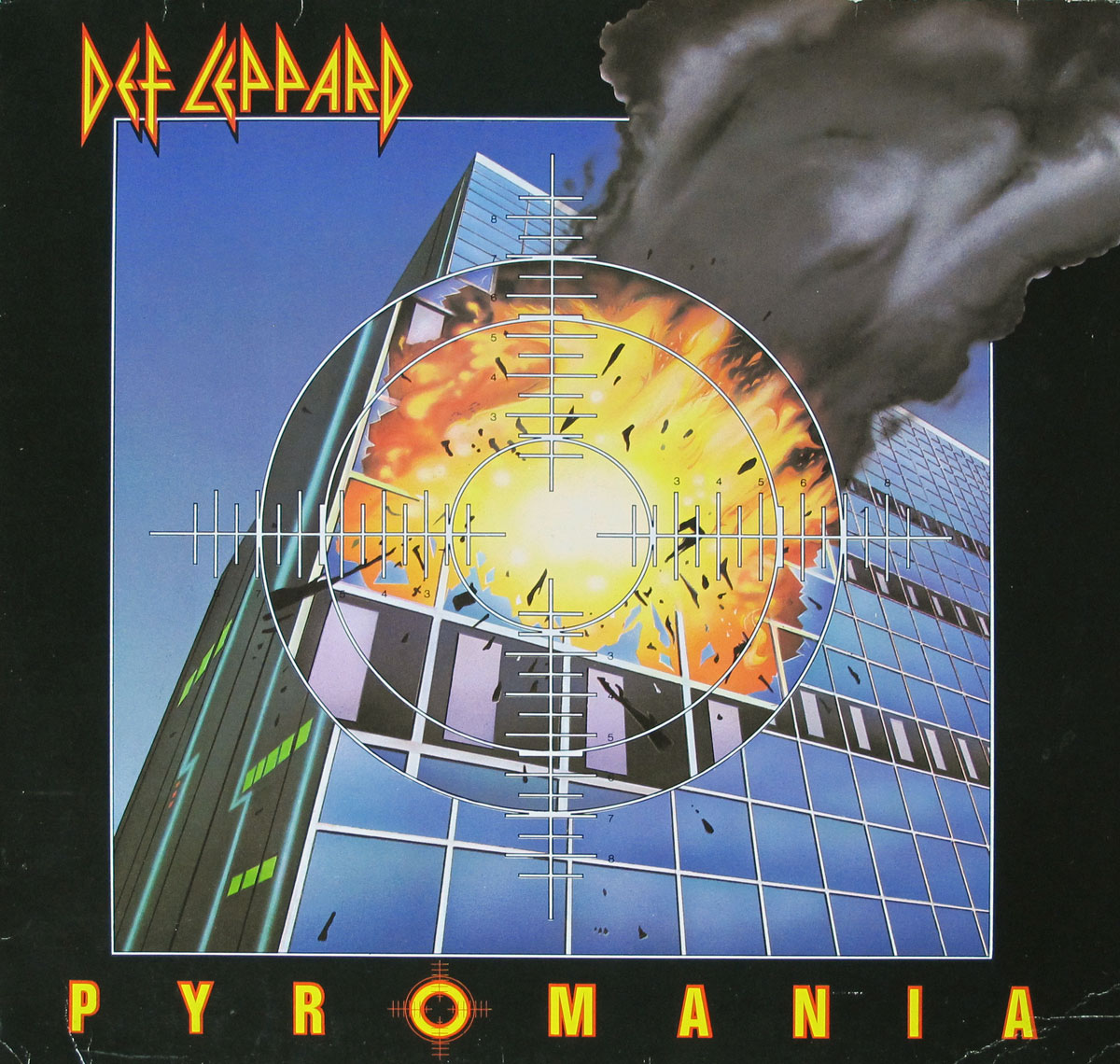
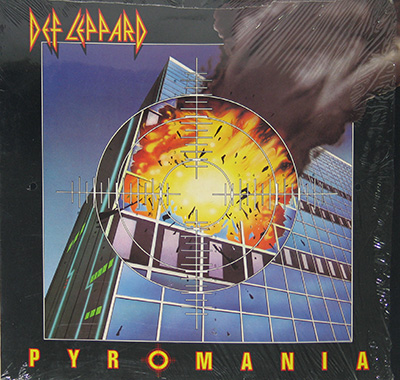
Of course, no rock and roll story is complete without a bit of controversy. The album's cover art, depicting a burning hand reaching towards a skyscraper, raised a few eyebrows and sparked accusations of promoting violence and arson. But Def Leppard brushed off the criticism, claiming it was merely a metaphor for the passionate intensity of their music. This controversy, however, only fueled the album's popularity, adding to its rebellious appeal.
"Pyromania" wasn't just a musical triumph; it was a cultural phenomenon. It broke down barriers, united disparate audiences, and cemented Def Leppard's status as one of the biggest bands on the planet. It was a testament to the power of music to transcend language, politics, and even the most entrenched of ideologies. The album's success also paved the way for other glam metal bands, influencing the sound and style of the genre for years to come.