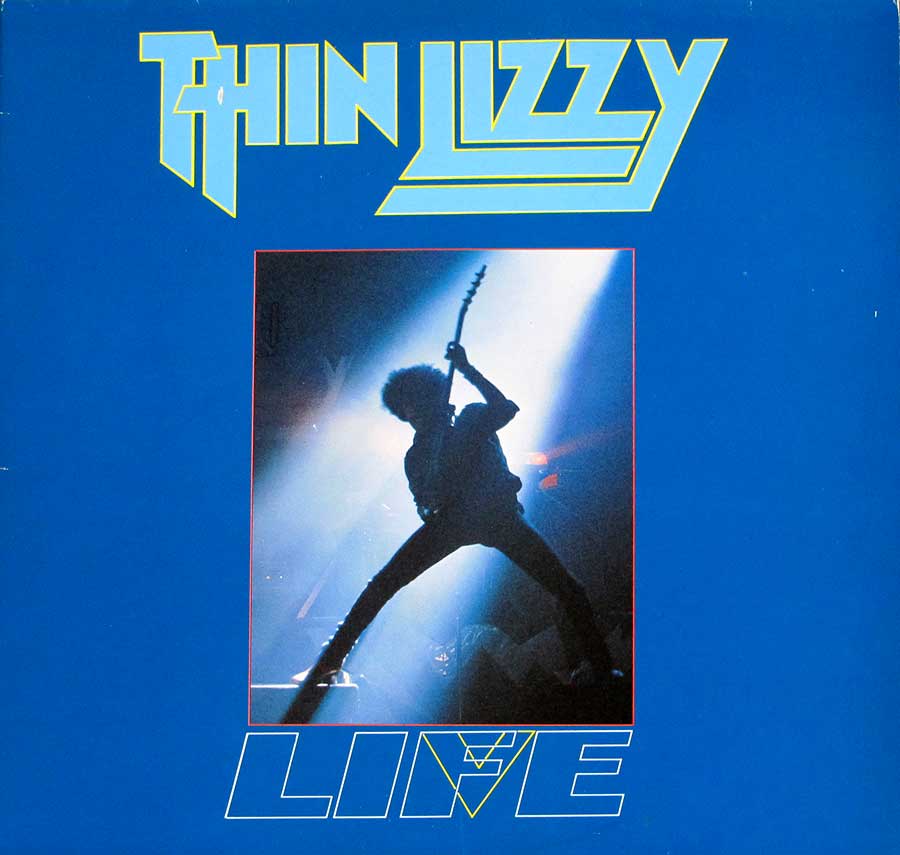
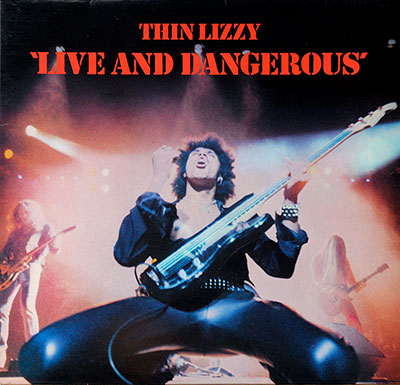
"Life Live 2LP" (1983) Album Description:
Thin Lizzy’s "Life Live 2LP" is the sound of a great band taking its final bow without pretending it’s just another night at the office. It’s a double live snapshot from the 1983 farewell tour, captured mainly at the Hammersmith Odeon in London, with Phil Lynott steering the ship like he already knows the lights are about to go out.
1. Thin Lizzy and this album
I always hear this record as a goodbye letter written in stage sweat. It’s still Lizzy—street-poet swagger, twin-guitar lift, and that Lynott voice that can sound like a grin and a bruise at the same time—but the mood is different because the band has openly decided this run is the end.
2. Historical and cultural context
1983 is a loud, competitive year for hard rock and heavy metal: the genre is getting bigger, sharper, and more arena-sized by the week. In that climate, a live double album from a farewell tour doesn’t need to reinvent anything—it just needs to prove, one last time, that the band still owns the room.
3. How the band came to record it
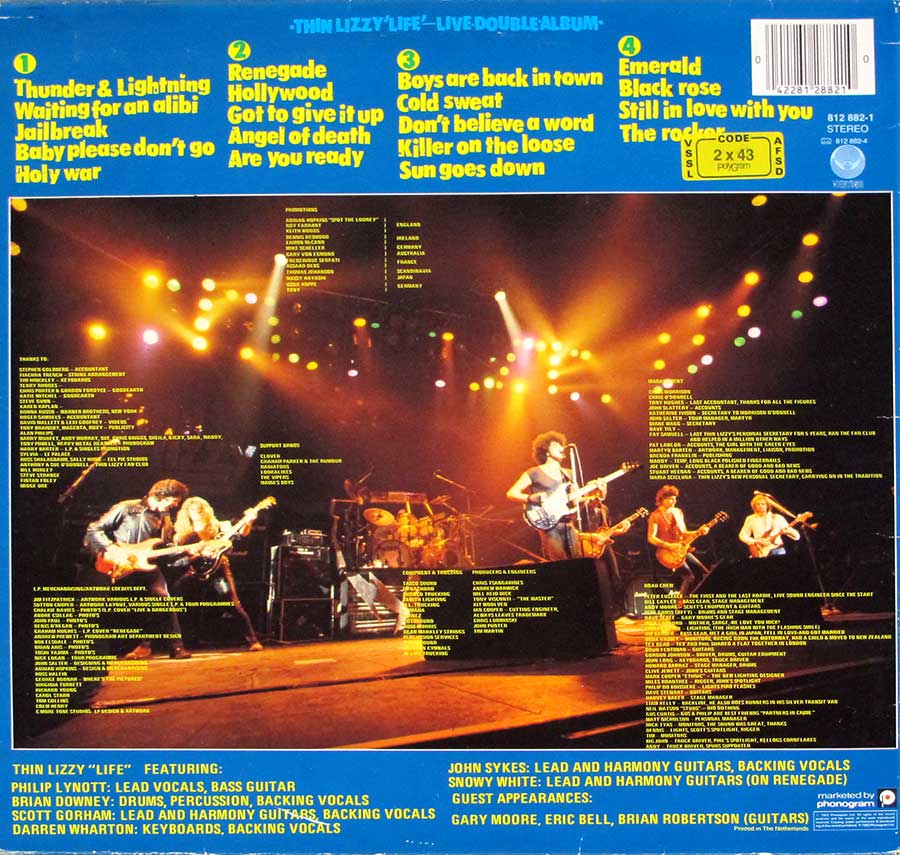
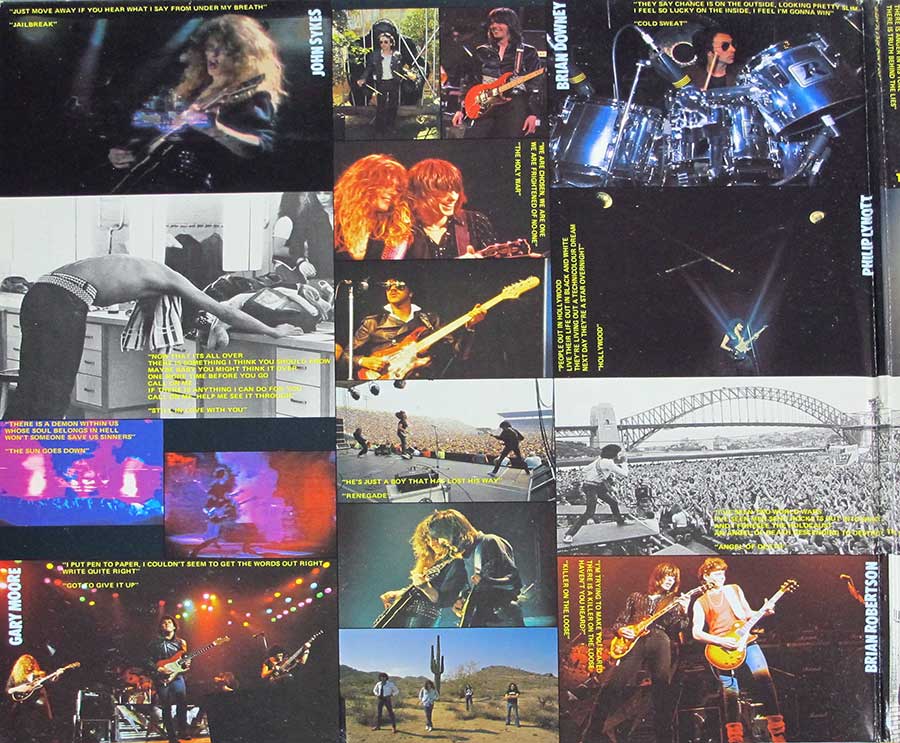
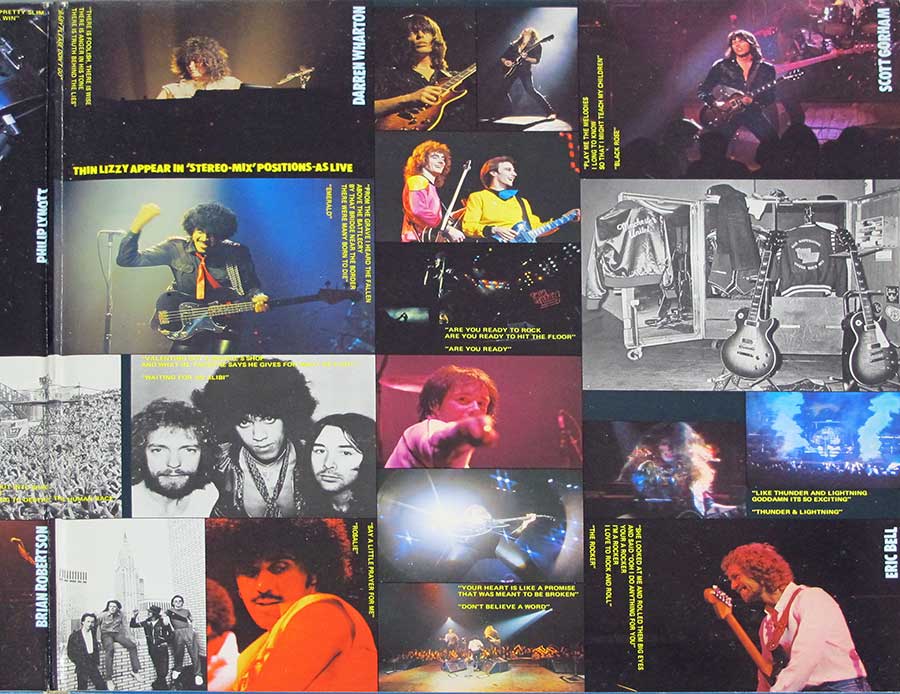
The story baked into the grooves is simple and brutal: Phil Lynott had reluctantly decided it was time to disband after the 1983 tour, and "Life Live" became the marker in the road. To make the goodbye hit harder, former Lizzy guitarists Eric Bell, Brian Robertson, and Gary Moore joined the band onstage at the end of these shows for what got called "The All-Star Jam"—basically a rolling family reunion with amps.
4. The sound, songs, and musical direction
This is Irish rock and hard rock played with that very specific Lizzy magic: tough rhythms, melodic guitar lines that actually remember to be melodic, and choruses that feel like they were designed to bounce off balcony railings. When "Jailbreak" and "The Boys Are Back in Town" hit, it’s less nostalgia and more muscle memory—like the crowd and band share the same pulse.
The set also leans into the band’s later, heavier edge—"Thunder and Lightning" opens the door wide—and it makes the whole record feel like a victory lap that still throws elbows. Then you get those moments where the room slows down and breathes—"Still in Love With You" is the kind of long, emotional live stretch that reminds you Lizzy were never just about speed and swagger.
5. Comparison to other albums from the era
If you drop this into 1983’s hard-rock/metal ecosystem, it sits in a sweet spot: heavier than classic 70s rock comfort food, but still warmer and more human than the ice-cold precision some metal was moving toward. Quick reality check, 1983 gave us plenty of big statements, but Lizzy’s edge is that it sounds like people on a stage, not a laboratory experiment.
Small comparison highlights, just to pin the vibe down:
- Twin-guitar storytelling over pure speed: harmonies and hooks that feel like scenes, not exercises.
- Street-level charisma instead of glossy perfection: Lynott’s presence is the center of gravity.
- A farewell-tour tension you can actually hear: every chorus lands like it matters.
6. Controversies or public reactions
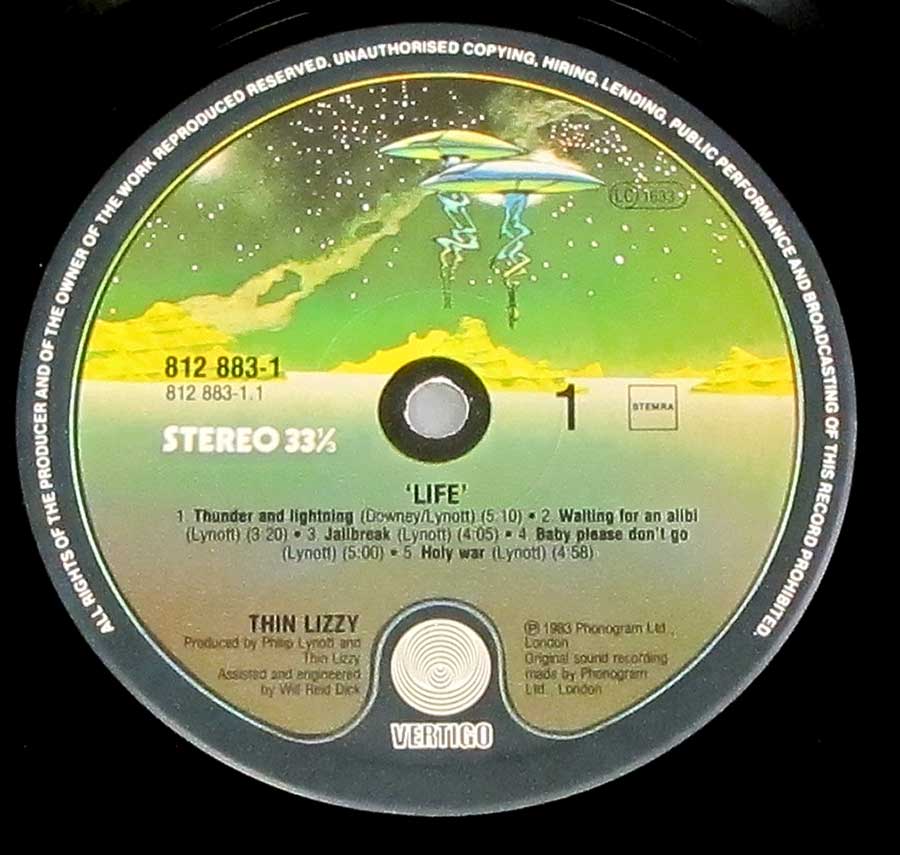
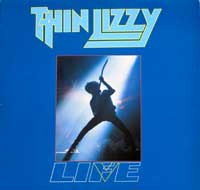
This one doesn’t need scandal to be memorable, but it does have one delicious collector-grade glitch: the front cover spells the title as "LIVE" while the record label spells it as "LIFE". Some folks overthink it, some shrug, and collectors (hi, it’s me) quietly love it because it makes the album feel even more like a goodbye snapshot—life, live, same difference when the curtain drops.
7. Band dynamics and creative tensions
The lineup here feels like a band balancing the present and the entire Lizzy history at the same time. You’ve got the core unit driving the farewell set, and then the returning guitar alumni stepping in for specific moments—like the band is acknowledging, out loud, that Thin Lizzy was always bigger than any one version of itself.
8. Critical reception and legacy
What lasts is the document: a major band, at the end of its run, still sounding dangerous and alive in a big London room. Decades later, it also hits differently because we know how quickly the story ends—Phil Lynott died in 1986—so this record plays like a final chapter you can still touch.
9. Reflective closing
When I pull this gatefold out, I don’t hear a band fading away—I hear a band choosing the exit with dignity, volume, and a last grin. And yeah, the title confusion is perfect, because this is the rare live album where the "live" part really does feel like "life": messy, loud, heroic, and gone too soon. Decades later, the riffs still smell faintly of beer, sweat, and misplaced optimism.