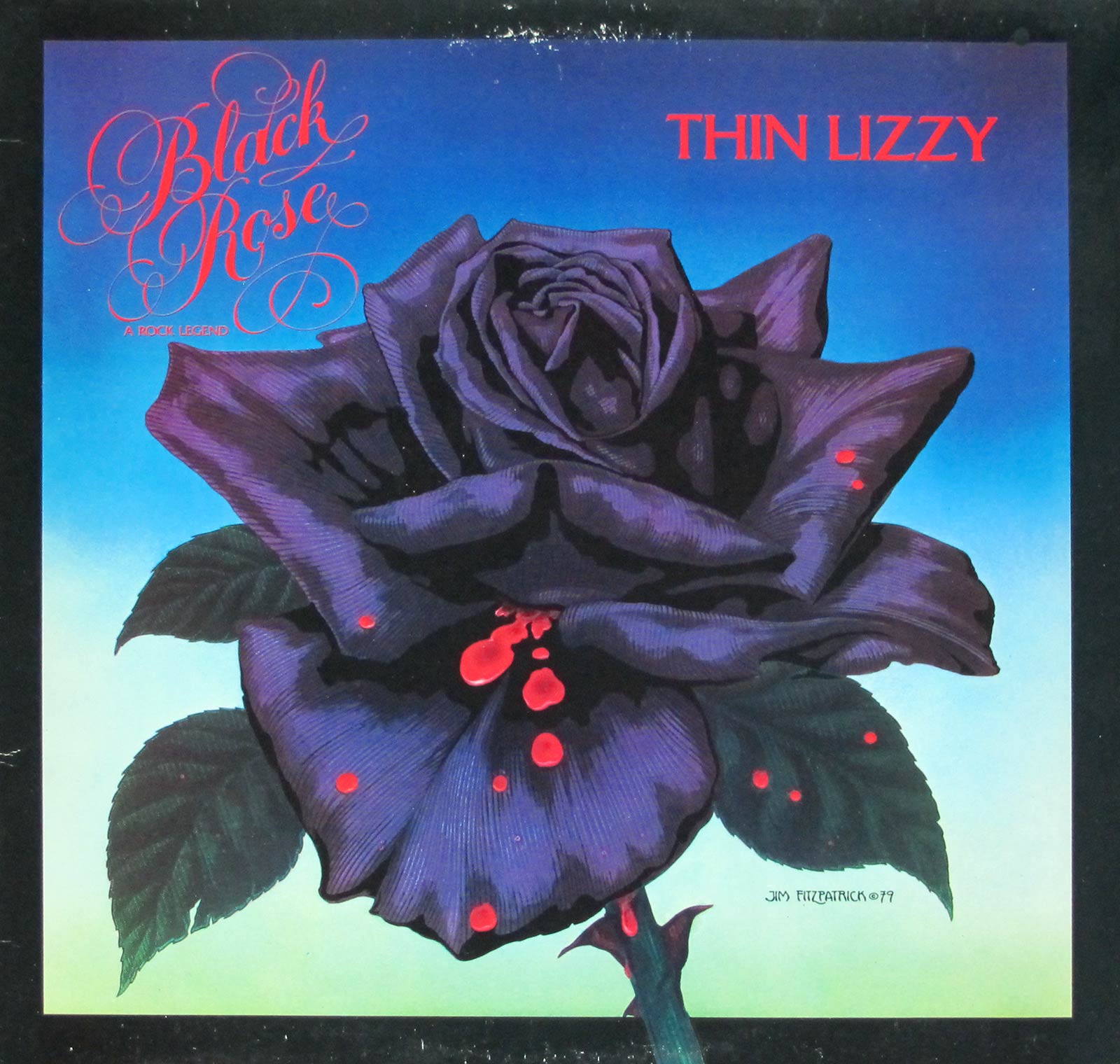
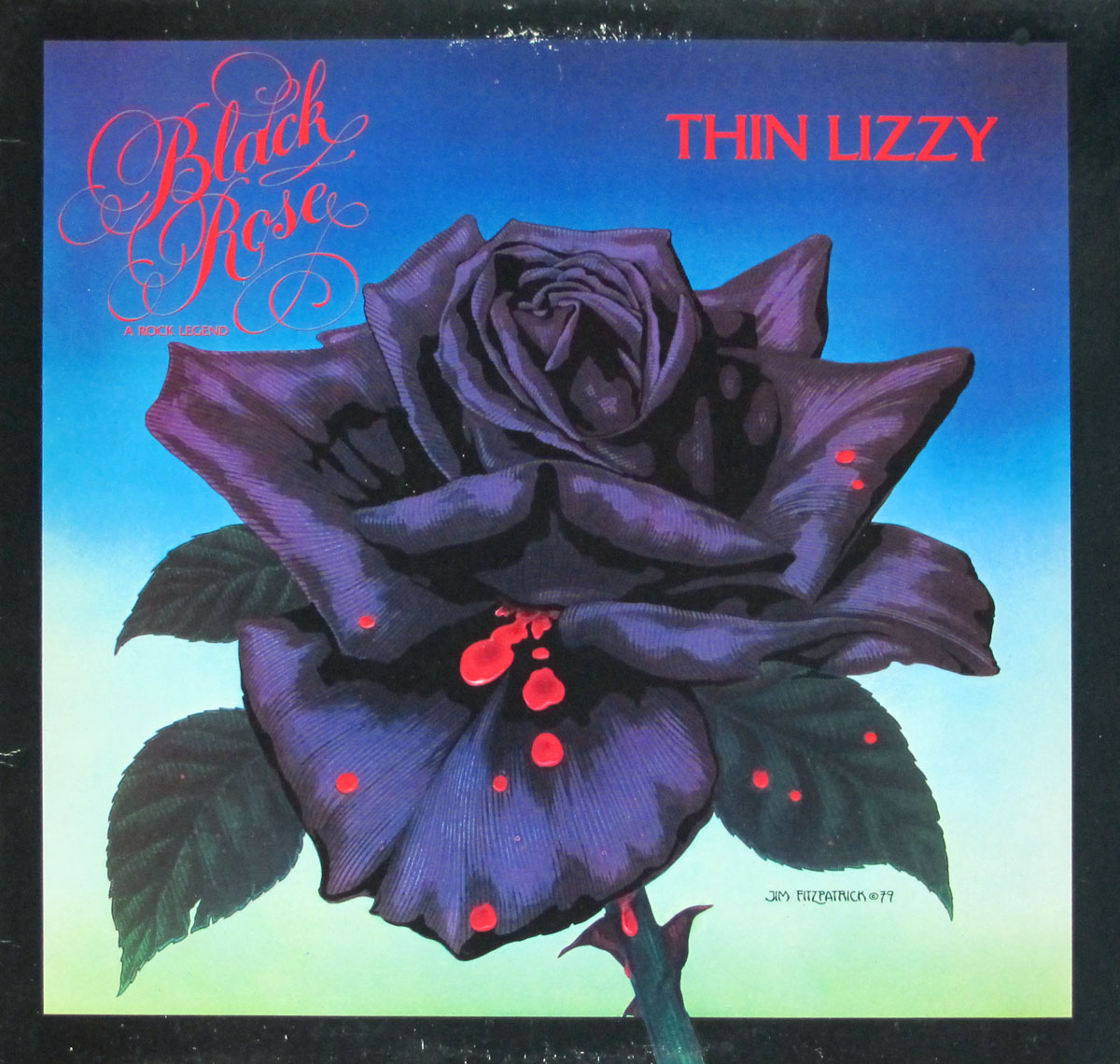
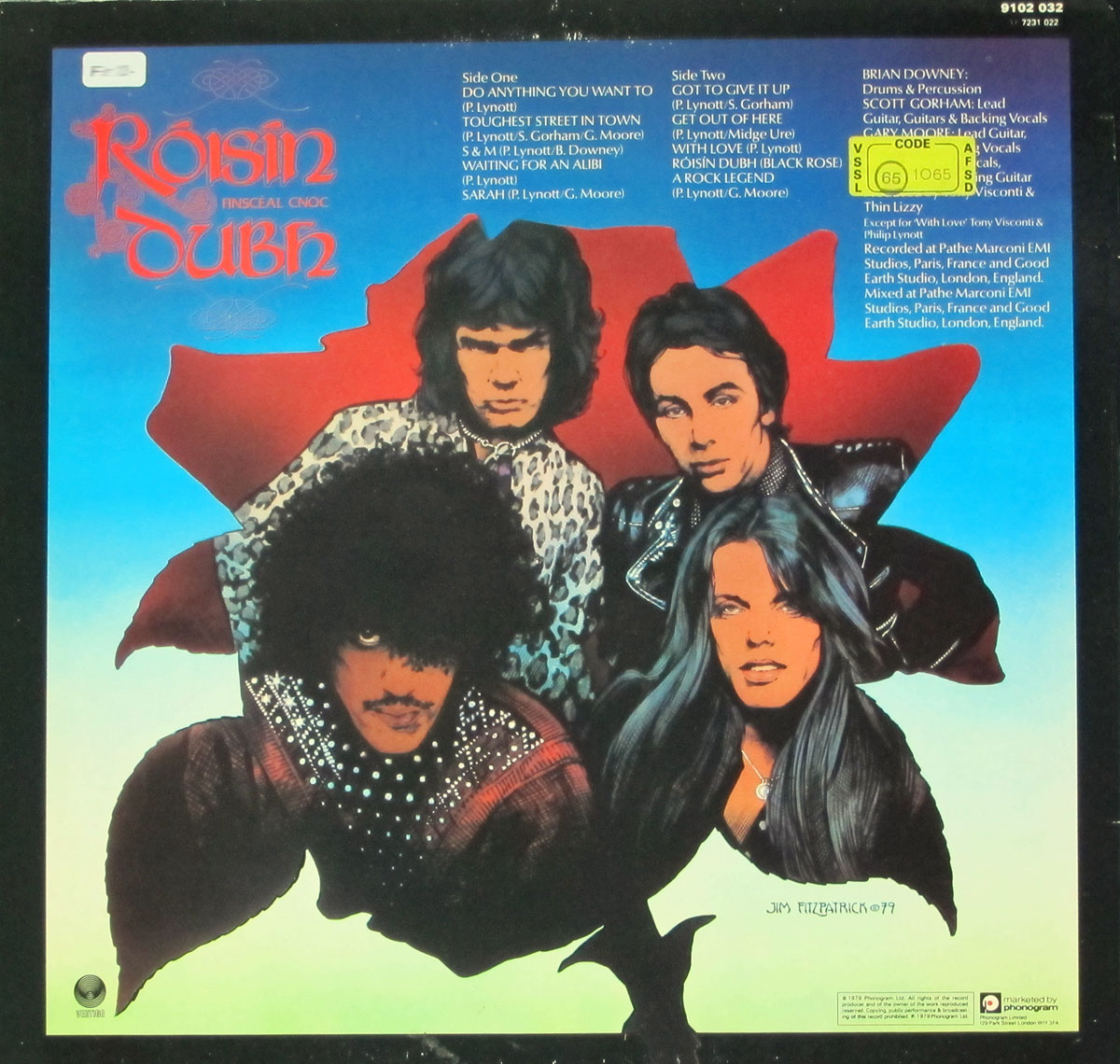
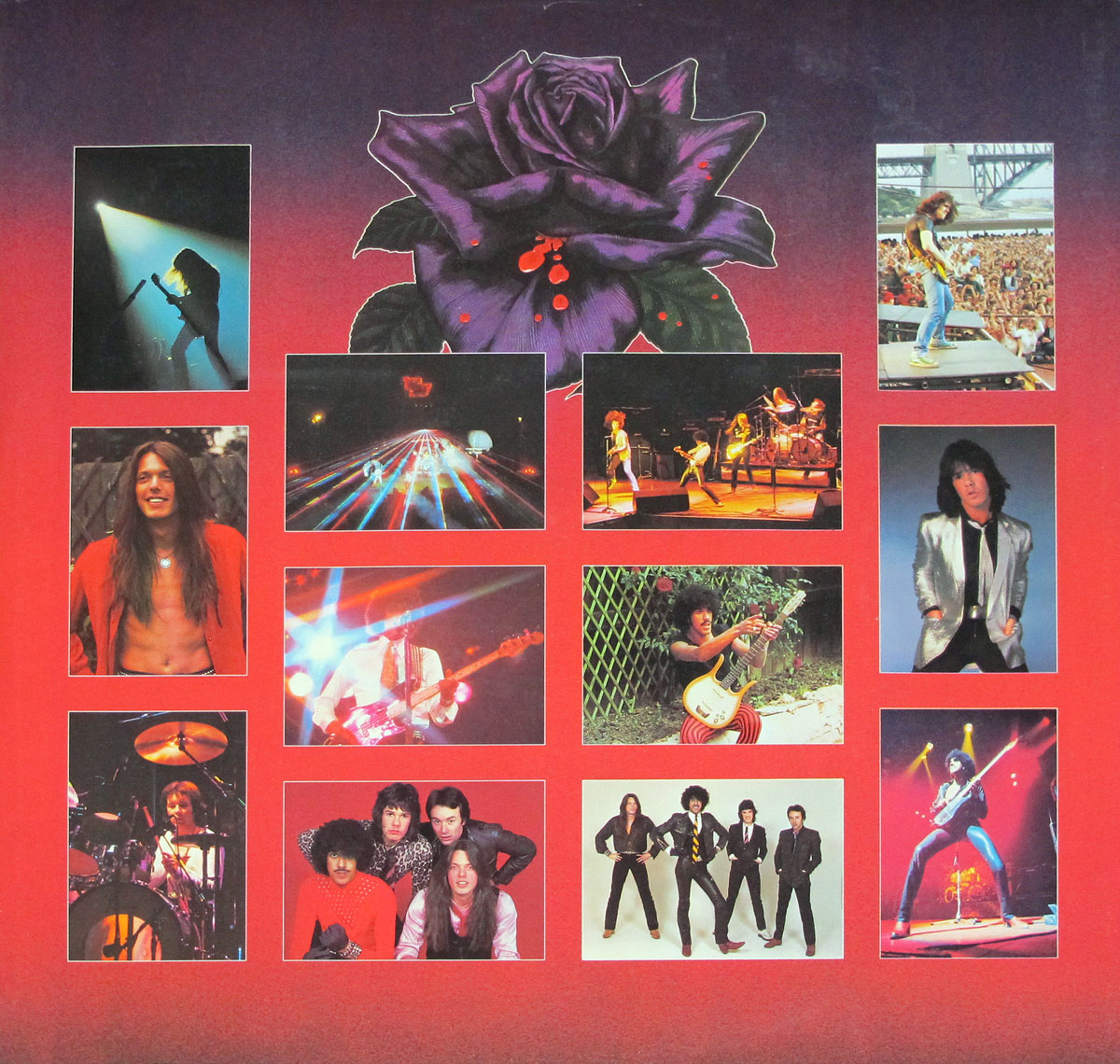
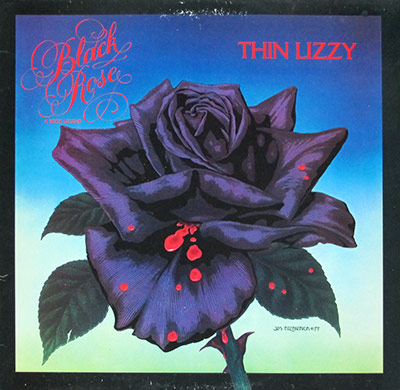
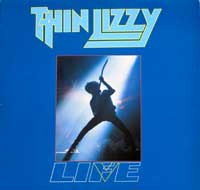
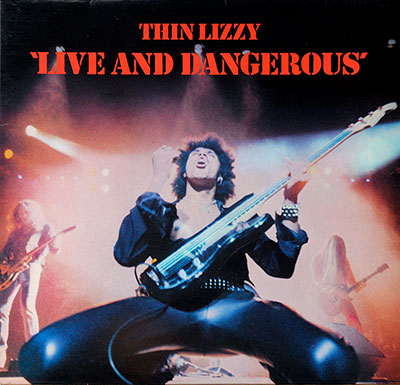
In the grand chronicle of rock and roll, there are albums that transcend mere collections of songs, becoming sonic monuments that capture the essence of an era, a band, and a spirit. Thin Lizzy's "Black Rose: A Rock Legend" is such an album. Released in 1979, this 12" vinyl LP, a genuine pressing from England, is more than just a piece of music history; it's a tribute to the raw power, lyrical depth, and sheer swagger of a band that defied categorization and carved its own path through the tumultuous landscape of late-'70s rock.
To understand the significance of "Black Rose," we must first journey back to the band's roots in Ireland. Thin Lizzy, fronted by the charismatic Phil Lynott, emerged from a country steeped in history, mythology, and a deep-seated love for storytelling. Lynott, a mixed-race Dubliner, embodied the contradictions and complexities of his homeland. His lyrics were infused with a poetic sensibility that drew inspiration from Irish folklore, literature, and the struggles of a nation grappling with its identity.
Musically, Thin Lizzy defied easy categorization. They were a rock band, but their sound was a heady brew of hard rock, blues, folk, and even hints of jazz. The twin guitar attack of Scott Gorham and Brian Robertson, coupled with Lynott's melodic bass lines and Brian Downey's thunderous drumming, created a sonic landscape that was both intricate and explosive. On "Black Rose," this musical alchemy reached its zenith. The album is a masterclass in dynamics, seamlessly shifting from tender ballads to full-throttle rockers, all anchored by Lynott's soulful vocals and poetic lyrics.
The album's title track, "Black Rose: A Rock Legend," is a sprawling epic that encapsulates the band's ambition and musical prowess. Lynott's lyrics, steeped in Irish mythology and symbolism, paint a vivid picture of a fallen hero, a rock legend whose flame burns bright even in the face of adversity. The song's soaring melodies, intricate guitar harmonies, and Lynott's impassioned vocals create a sense of grandeur that is both exhilarating and poignant.
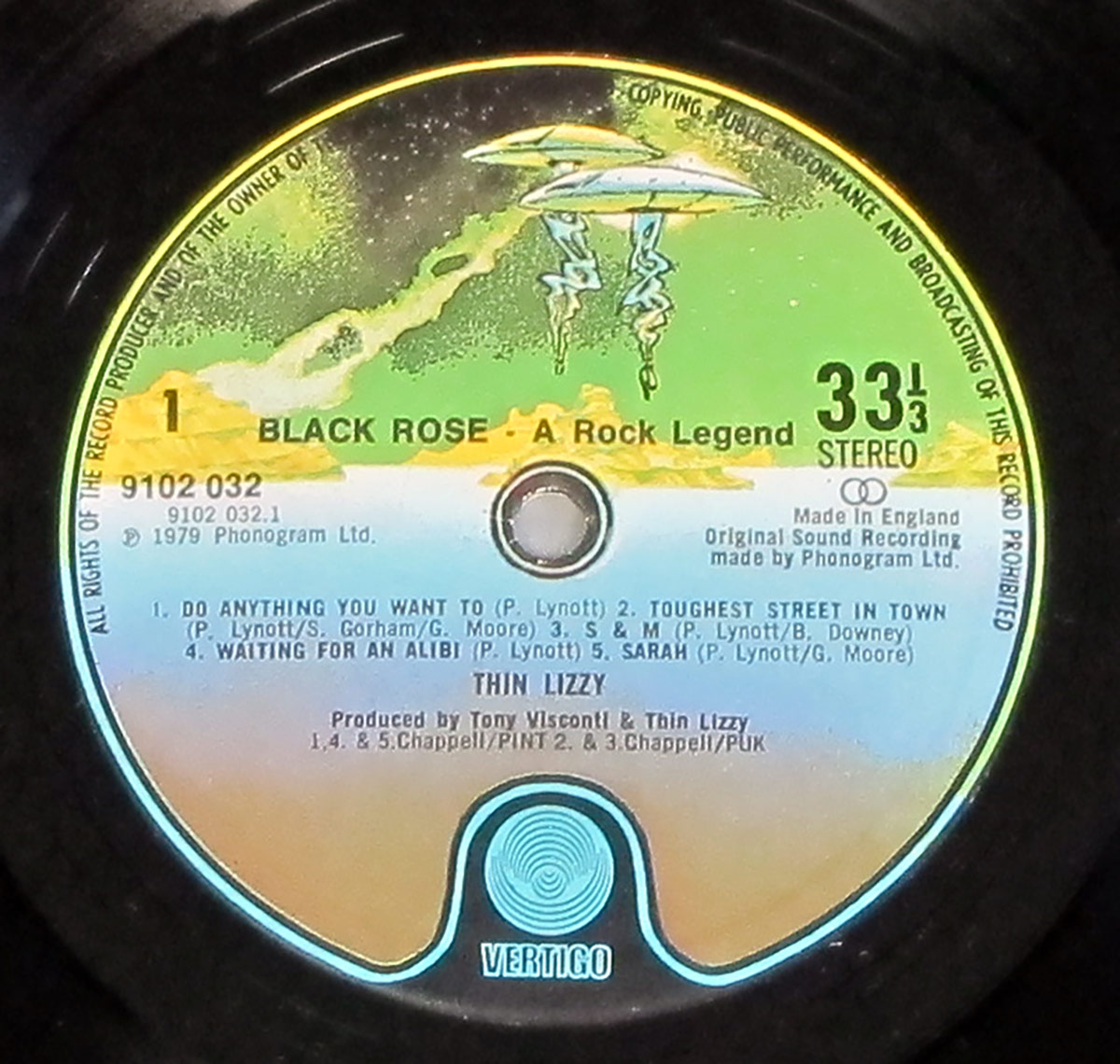
But "Black Rose" is more than just its title track. The album is packed with gems like the hard-driving "Do Anything You Want To," the bluesy "Toughest Street in Town," and the anthemic "Waiting for an Alibi." Each song showcases the band's versatility and their ability to seamlessly blend different musical styles into a cohesive whole.
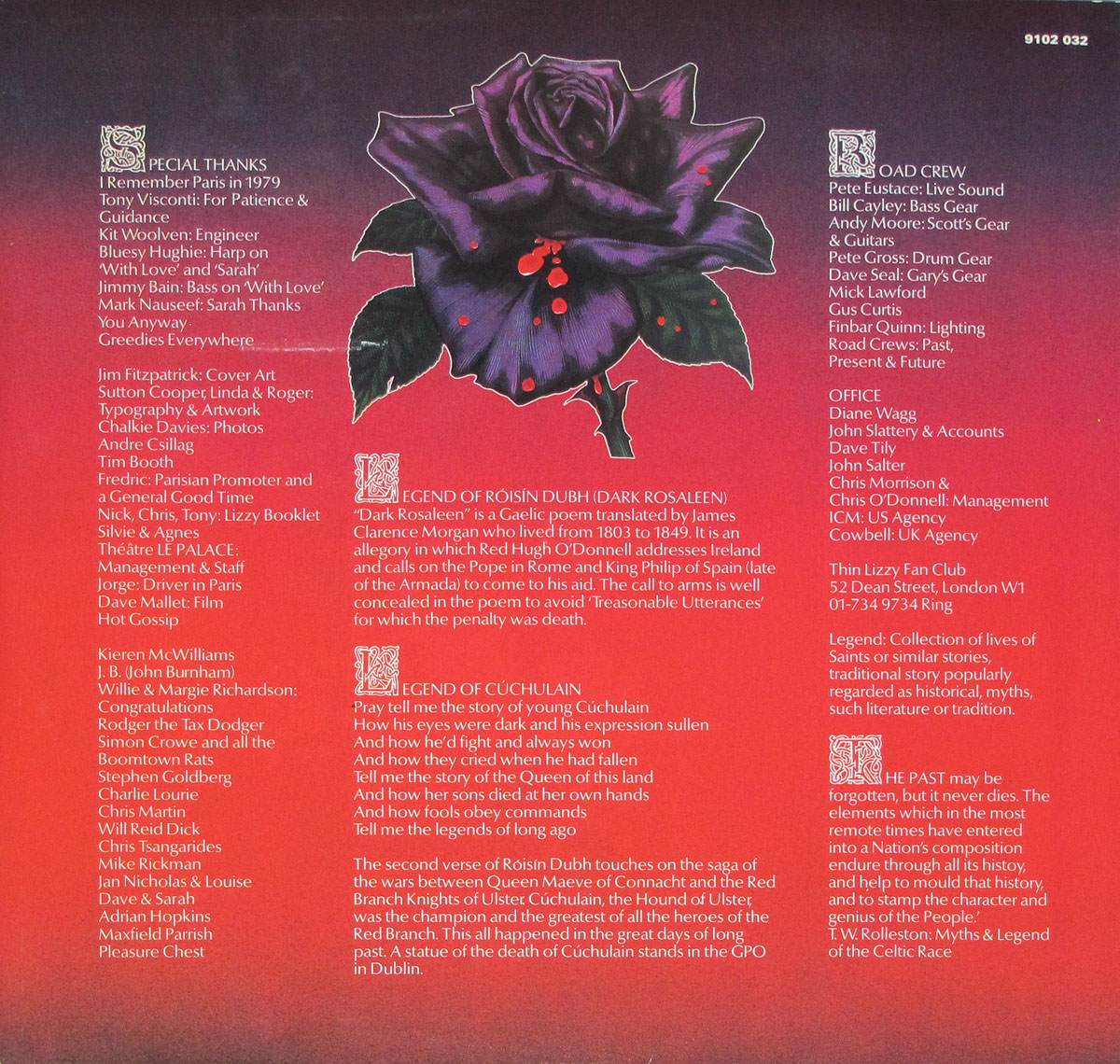
The album's production, helmed by Tony Visconti, who had previously worked with David Bowie, is crisp and powerful, capturing the raw energy of the band's live performances. Recorded at Paris's Studio Des Dames, "Black Rose" benefits from Visconti's deft touch, allowing each instrument to shine while maintaining a sense of sonic cohesion.
Of course, no discussion of Thin Lizzy would be complete without mentioning the controversies that often surrounded the band. Lynott's struggles with addiction and the internal tensions within the band were well-documented. But on "Black Rose," these struggles seem to fuel the music, adding an extra layer of intensity and emotional depth to the songs.
In the end, "Black Rose: A Rock Legend" is more than just an album; it's a monument to the enduring power of rock and roll. It's a celebration of a band that dared to be different, that embraced its roots while pushing the boundaries of its genre. It's a reminder that even in the face of adversity, the human spirit can soar, and that rock and roll, at its best, can be a force for both rebellion and transcendence.