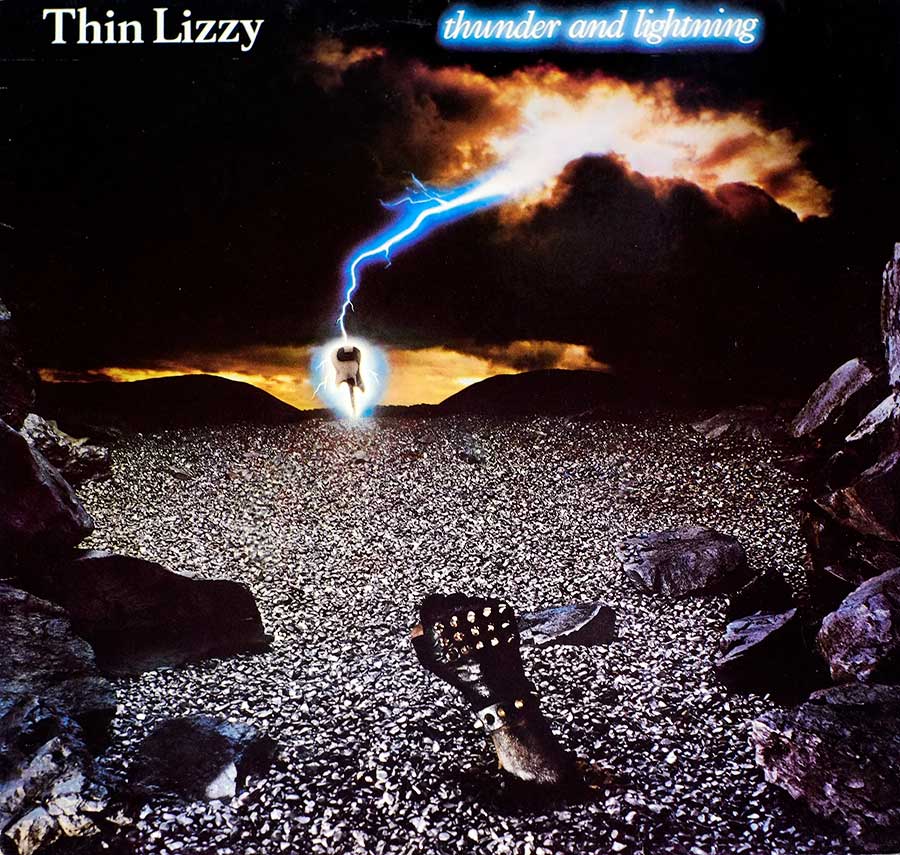
In the world of rock and roll, few bands have embodied the raw, unbridled energy and passion of Thin Lizzy. Hailing from the Emerald Isle itself, they injected their music with a unique blend of Celtic spirit, bluesy swagger, and hard rock grit. But it was with their 1983 magnum opus, "Thunder and Lightning," that Thin Lizzy unleashed a sonic tempest that would forever etch their name in the pantheon of rock legends.
From the Ashes of Rebellion
To understand the power of "Thunder and Lightning," one must first delve into the historical context from which it emerged. Ireland in the early 1980s was a land still grappling with the scars of centuries of conflict and oppression. The Troubles, a period of sectarian violence and political unrest, cast a long shadow over the nation. Yet amidst the turmoil, a vibrant music scene thrived, fueled by a generation of young artists determined to express themselves and challenge the status quo.
Thin Lizzy, led by the charismatic frontman Phil Lynott, emerged from this crucible of creativity. Lynott, a mixed-race Dubliner, defied societal expectations and became a symbol of defiance and self-expression. His lyrics often touched upon themes of social injustice, personal struggle, and the enduring spirit of the Irish people. With "Thunder and Lightning," Thin Lizzy channeled the raw energy of their homeland into a musical statement that resonated far beyond Ireland's shores.
A Sonic Exploration
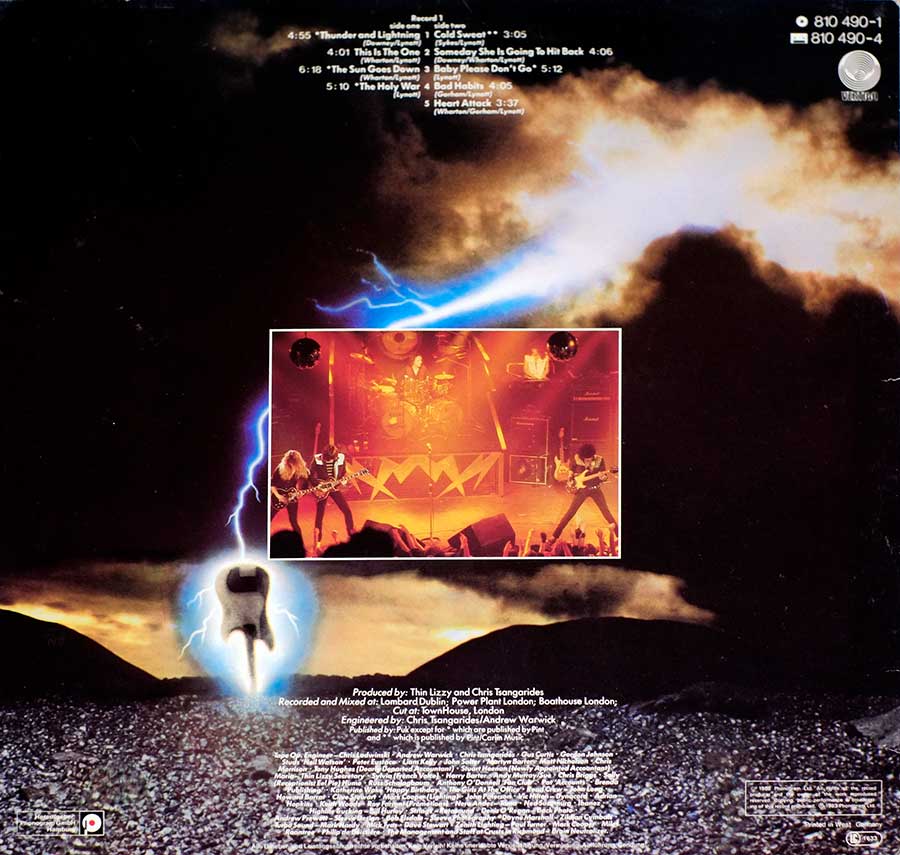
"Thunder and Lightning" marked a departure from Thin Lizzy's previous albums, embracing a heavier, more aggressive sound that pushed the boundaries of hard rock. The band enlisted the production talents of Chris Tsangarides, known for his work with Judas Priest and other heavy metal luminaries. Tsangarides' expertise helped capture the raw power of Thin Lizzy's performance, while also adding a layer of polish and sophistication to their sound.
The album was recorded at the legendary Windmill Lane Studios in Dublin, a hallowed ground for Irish musicians. The studio's intimate setting and state-of-the-art equipment allowed Thin Lizzy to experiment and push their musical boundaries. The result was a collection of songs that seamlessly blended hard-hitting riffs, soaring melodies, and Lynott's soulful vocals.
Musical Genre and Controversies
"Thunder and Lightning" is often categorized as hard rock or heavy metal, but it transcends simple genre labels. The album incorporates elements of blues, folk, and even classical music, creating a unique sonic tapestry that is both powerful and nuanced. Lynott's lyrics, meanwhile, explore a range of themes, from love and loss to social commentary and political protest.
The album's release was not without controversy. Some critics accused Thin Lizzy of selling out, abandoning their roots in favor of a more commercial sound. Others took issue with the album's explicit lyrics and references to sex and drugs. But for the band's loyal fans, "Thunder and Lightning" was a triumphant return to form, a testament to their enduring creativity and musical prowess.
A Legacy of Thunder
"Thunder and Lightning" stands as a testament to Thin Lizzy's enduring legacy. It is an album that captures the essence of a band at the peak of their powers, unafraid to challenge conventions and push the boundaries of their art. It is a celebration of the human spirit, a call to arms for those who dare to dream and defy expectations.
In the years since its release, "Thunder and Lightning" has become a touchstone for generations of rock fans. Its influence can be heard in the music of countless bands, from Metallica to Mastodon. It is an album that continues to inspire and excite, a reminder that the power of rock and roll knows no bounds.
So crank up the volume, let the thunder roll, and experience the lightning strike of Thin Lizzy's "Thunder and Lightning."