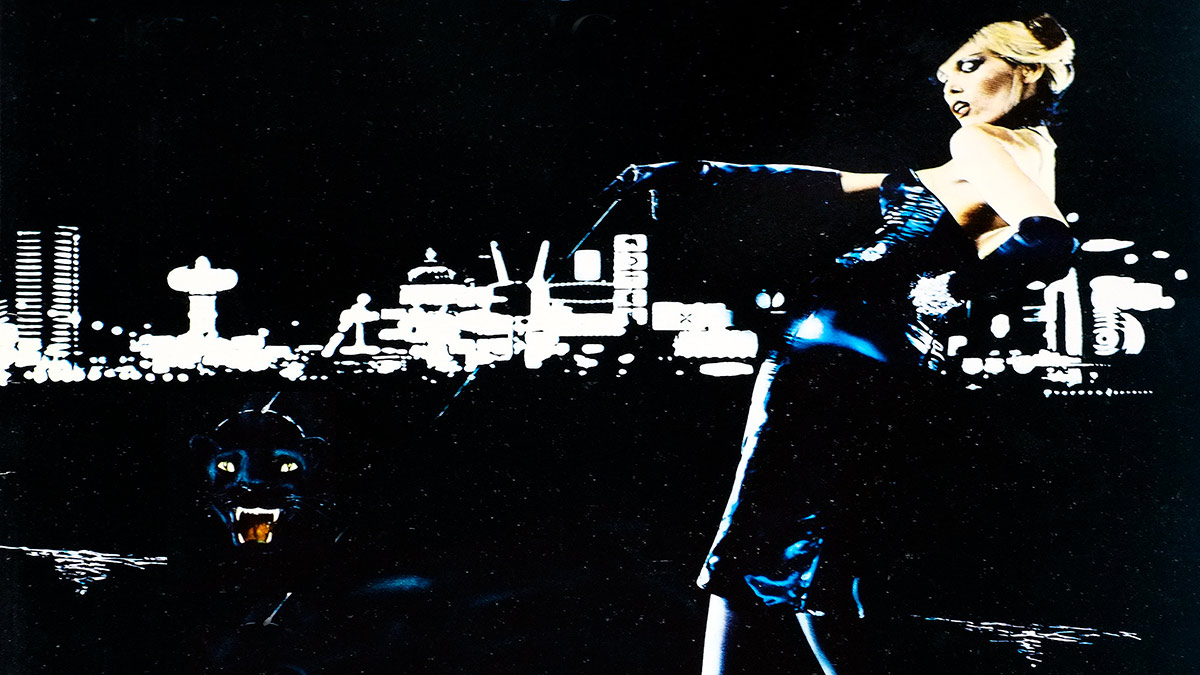
"Art Rock" (late 1960s-1970s) Album Description:
Art rock is what happens when rock music stops behaving and starts dressing up for trouble: bigger ideas, sharper angles, and the occasional moment where the band clearly thinks it is smarter than you (sometimes it is, annoyingly).
I think of it less as a strict genre and more as a bad habit that started in the late 1960s and early 1970s: musicians looking at the three-minute single and going, "Nope. Not enough oxygen in here." So they stretch songs, steal colors from classical, jazz, avant-garde noise, theatre, glam, and whatever else is lying around, then dare you to keep up.
The tell is physical. Gatefold sleeves. Strange typography. Cover photos that look like they came from a fashion shoot or an art school corridor. You can almost hear the cardboard when you pull the record out, like it is clearing its throat before the first note.
People love to claim art rock equals "complexity" and "instrumental proficiency." Sometimes, sure: odd time signatures, long structures, musicians flexing like they just discovered math. But plenty of art rock is simpler than the hype suggests. The real point is intent: it leans into mood, image, and atmosphere, and it does not apologize for being a little theatrical about it.
The progressive rock crowd lives nearby (sometimes in the same house), but art rock is not automatically prog. Prog can turn into engineering. Art rock more often turns into a mirror: identity, style, personas, the whole "who am I today and why do I look like that?" circus. David Bowie is the obvious example because he made reinvention feel like a normal Tuesday, and yes, it made a lot of other artists brave enough to be weird in public.
If you want the cooler, sharper edge, I will always point at Roxy Music for how they balance artifice and punch, or The Velvet Underground for proving you can sound avant-garde without sounding polite. Kate Bush belongs here too: she makes the "art" part feel human instead of academic, which is rarer than people admit.
The influence is real, but not in the boring "lasting impact" way. You hear it in post-punk and new wave when bands stop worshipping blues licks and start chasing textures, angles, and ideas. You see it every time a record sleeve looks like a statement instead of packaging.
The best art rock does not ask for permission. It walks into the room, moves the furniture, and leaves you either delighted or irritated. Usually both. And if a little of it is pretentious? Congratulations: you have discovered the genre's natural habitat.