CAN Band Description:
Mapping a Restless Journey Through Sound (1968-1979; reunions into 1991)
German collective Can carved their path as true originals, defying categorization from their inception in 1968 in Cologne. Their blend of relentless rhythmic drive, sonic exploration, and a spirit of "anything goes" improvisation made them central figures in the Krautrock movement – and so much more.
The Malcolm Mooney Era: Ignition and Hypnosis (1968-1970)
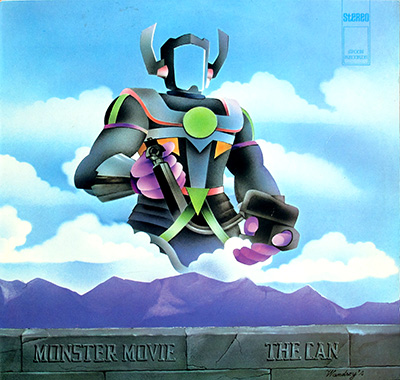
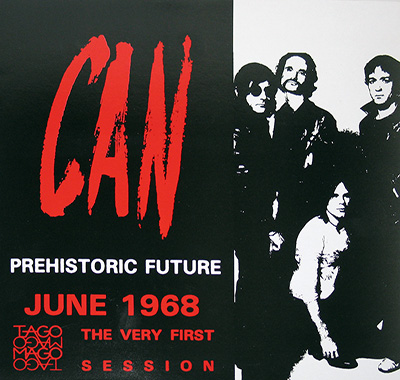
Can’s earliest recorded identity is tied to vocalist Malcolm Mooney, whose urgent, locked-in presence sits right on top of the band’s motorik pulse. Their debut album, "Monster Movie" (released August 1969), is the opening statement of that phase, with the long-form drive of "Yoo Doo Right" hinting at how far they could stretch a groove without it snapping.
The Damo Suzuki Era: Expansion and Free-Fall (1970-1973)
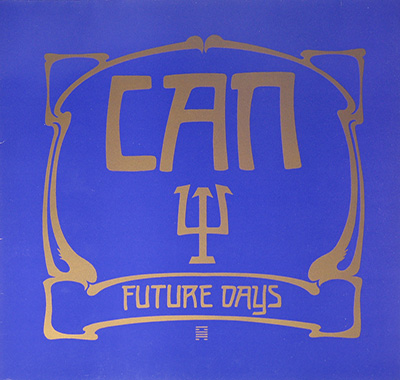
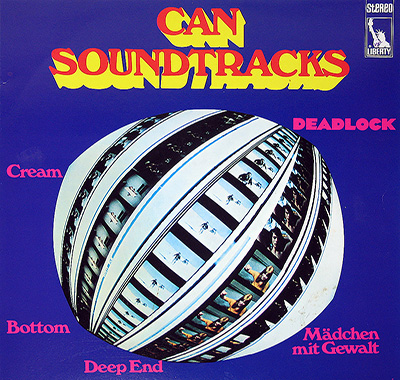
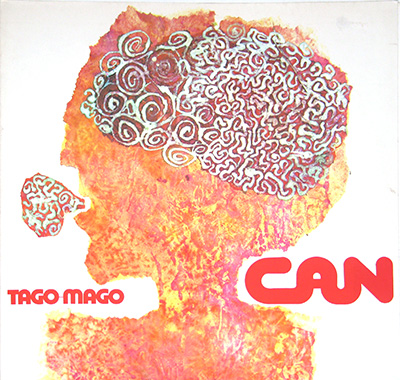
By 1970, Japanese vocalist Damo Suzuki had taken over the mic and Can moved into their most celebrated run. "Tago Mago" (1971) is the big bang: a double-album where extended pieces like "Halleluhwah" helped define their hypnotic intensity. "Ege Bamyasi" (1972) tightened the shape without losing the weirdness, and "Future Days" (1973) floated into a more spacious, shimmering sound world before Suzuki left later that year.
Shifting Tides & Explorations (1974-1979)
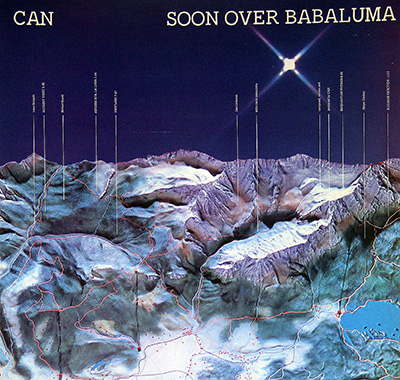
After Suzuki’s departure, the core band (including guitarist Michael Karoli) kept pushing forward, often handling vocals internally rather than replacing him with a single long-term frontman. "Soon Over Babaluma" (1974) and "Landed" (1975) show a group reshaping its language, while "Flow Motion" (1976) flirts with dance-floor momentum. By "Saw Delight" (1977), the palette leans into funk and broader rhythmic influences as the late-period lineup expands. :
After the Split and Reunions (1979-1991)
Can’s original run effectively ends with 1979, but the story doesn’t just hard-cut to silence. They briefly reunited in 1986 with Malcolm Mooney to record "Rite Time" (released in 1989), and there was another reunion session in 1991 connected to Wim Wenders’ film "Until the End of the World." So the “end of the line” isn’t Irmin Schmidt leaving in 1991 — it’s more that Can became a band that occasionally reappeared, did something specific, then vanished back into the lab.