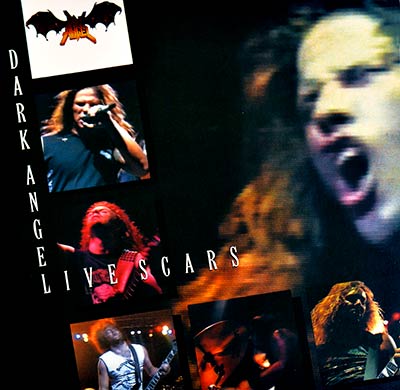
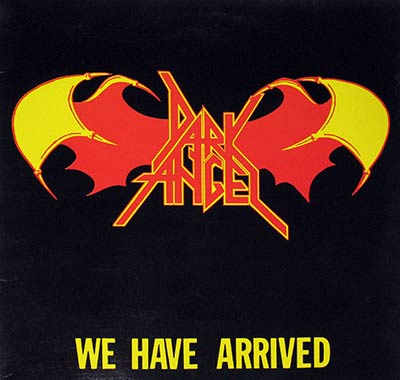
Album Description:
Historical and cultural context
Mid-’80s metal was detonating: underground tape-traders, packed clubs, denim vests turned into armor. In 1986, the genre went sharp-edged and serious, with thrash drawing a hard line between radio gloss and pit reality.
Dark Angel planted themselves on the ruthless side of that line, speaking to kids who wanted the music faster, darker, and a little scary.
How the band came to record this album
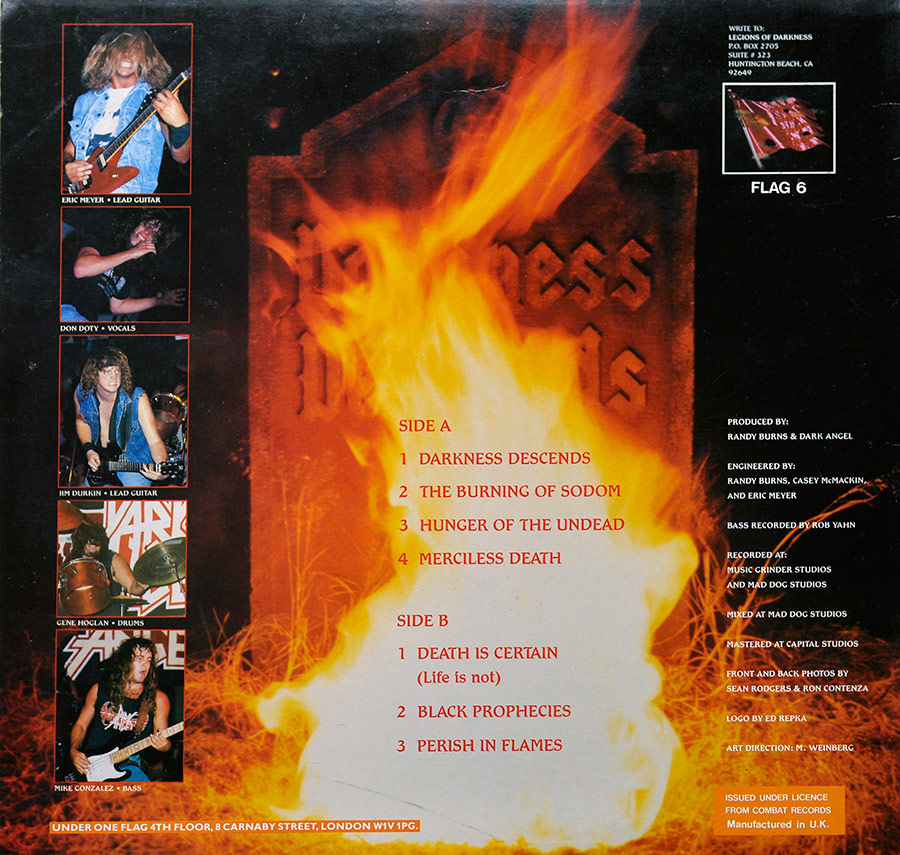
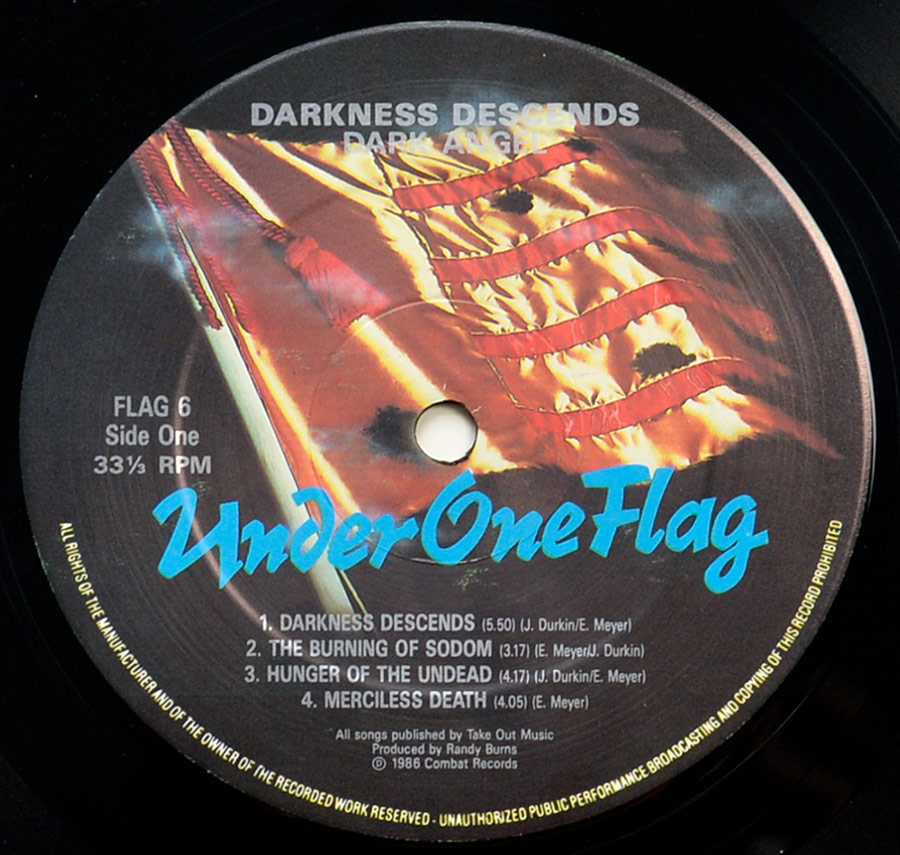
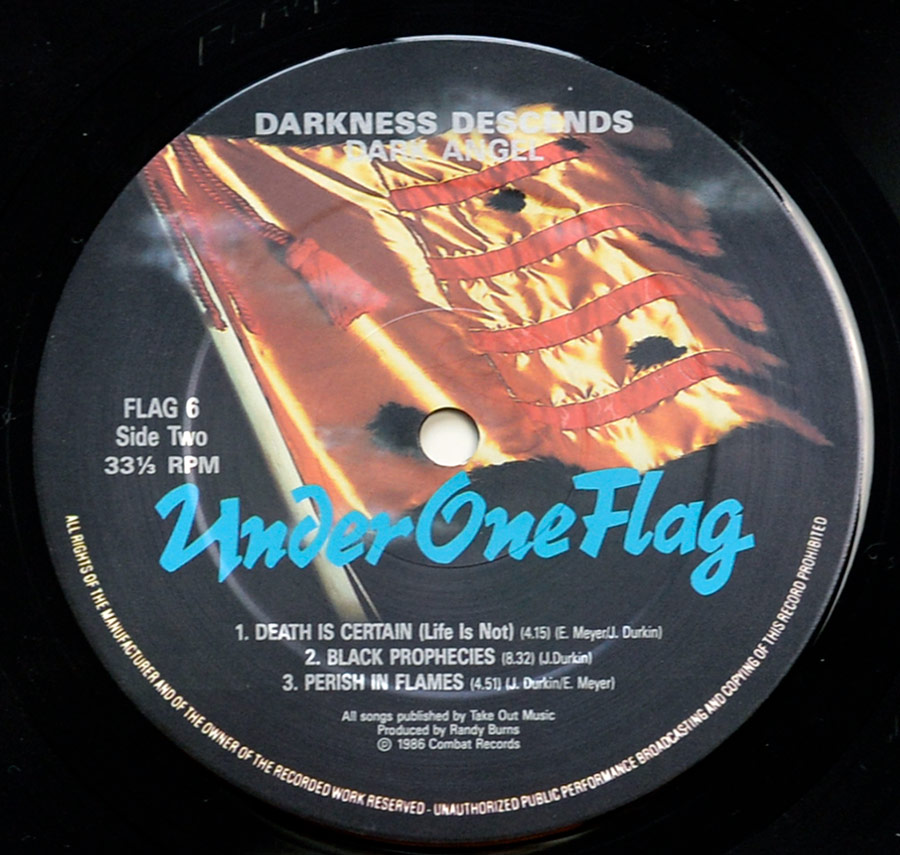
After a raw debut and heavy gig miles from Downey to the wider scene, the band funneled road anger into songs that refused to breathe. Producer Randy Burns helped capture the violence without sanding off the bark, while the Under One Flag release pushed the blast across the Atlantic.
You can feel the momentum: a group with something to prove, running on caffeine, adrenalin, and stubbornness.
The sound, songs, and musical direction
The title track kicks like a door, all serrated guitars and whip-crack drums. Gene Hoglan doesn’t play so much as stampede, and Don Doty’s vocal is a siren—urgent, slightly unhinged, perfect.
"The Burning of Sodom" races like it stole a car; "Merciless Death" is exactly what it says on the tin; "Black Prophecies" stretches the band’s stamina with dread-soaked dynamics. It’s not polite; it’s compelling.
Comparison to peers in the year
Where the year’s big thrash landmarks favored architecture and polish, Dark Angel chose velocity and spite. Think less concert hall, more basement furnace.
If others built cathedrals, this one lit a match under the pews—and dared you to keep up.
Controversies and public reactions
Some listeners called it too chaotic, too raw, too much. Others turned it louder and found exactly what they were missing in tidy metal: danger.
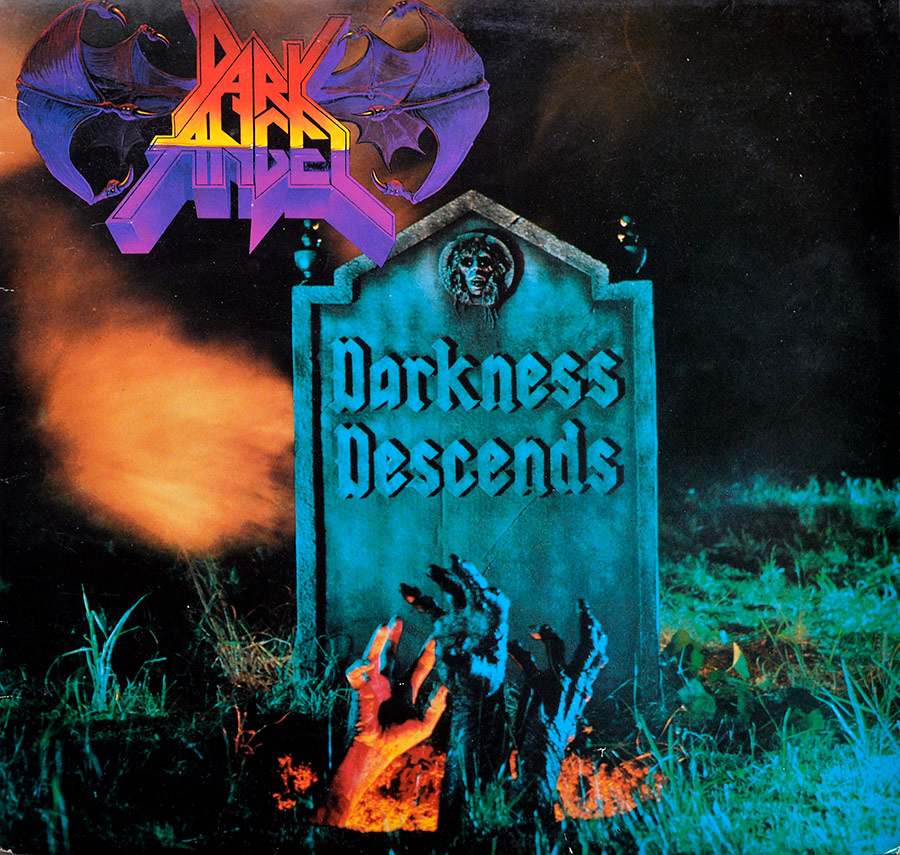
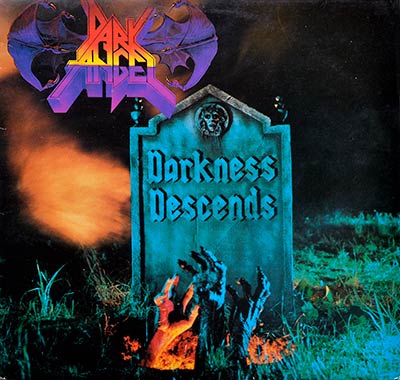
The artwork’s hooded menace and the relentless pacing didn’t try to win over skeptics; the album made its own tribe.
Band dynamics and creative tensions
You can hear the push-pull between precision and frenzy—guitars trying to carve lines while the rhythm section sprints past the horizon. That friction gives the record its teeth.
It’s the sound of a unit chasing the perfect take at breakneck speed, daring the tape to snap.
Critical reception and legacy
Over time the reputation only grew: a cornerstone for anyone charting extreme metal’s evolution, and a rite of passage for drummers who want to suffer and smile.
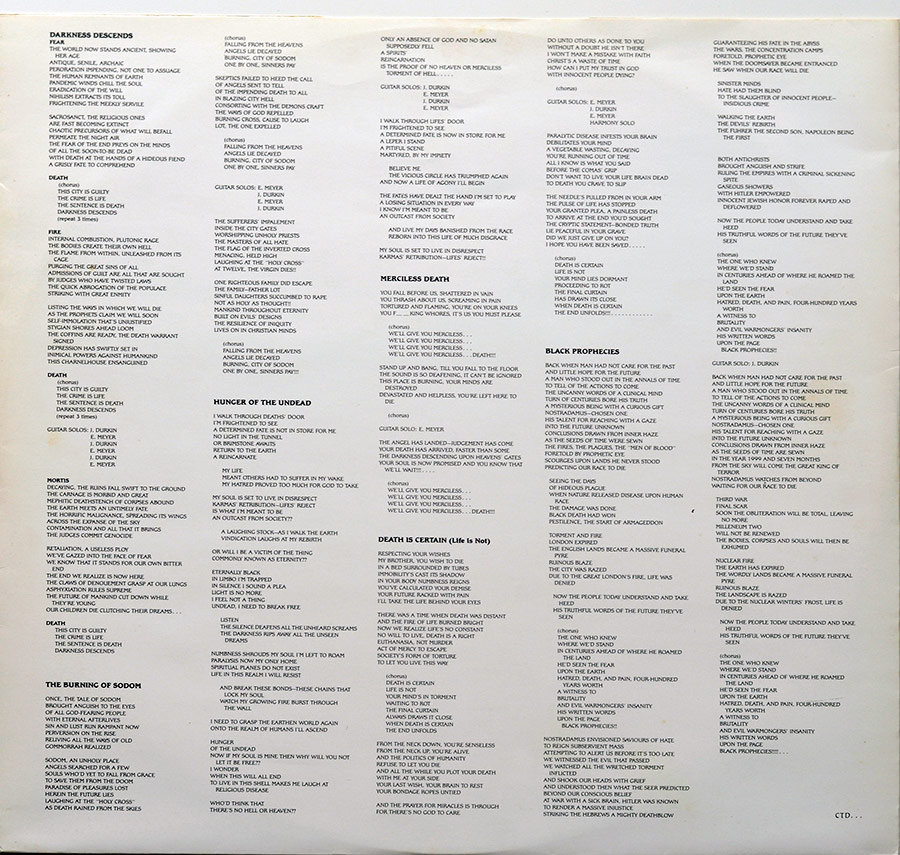
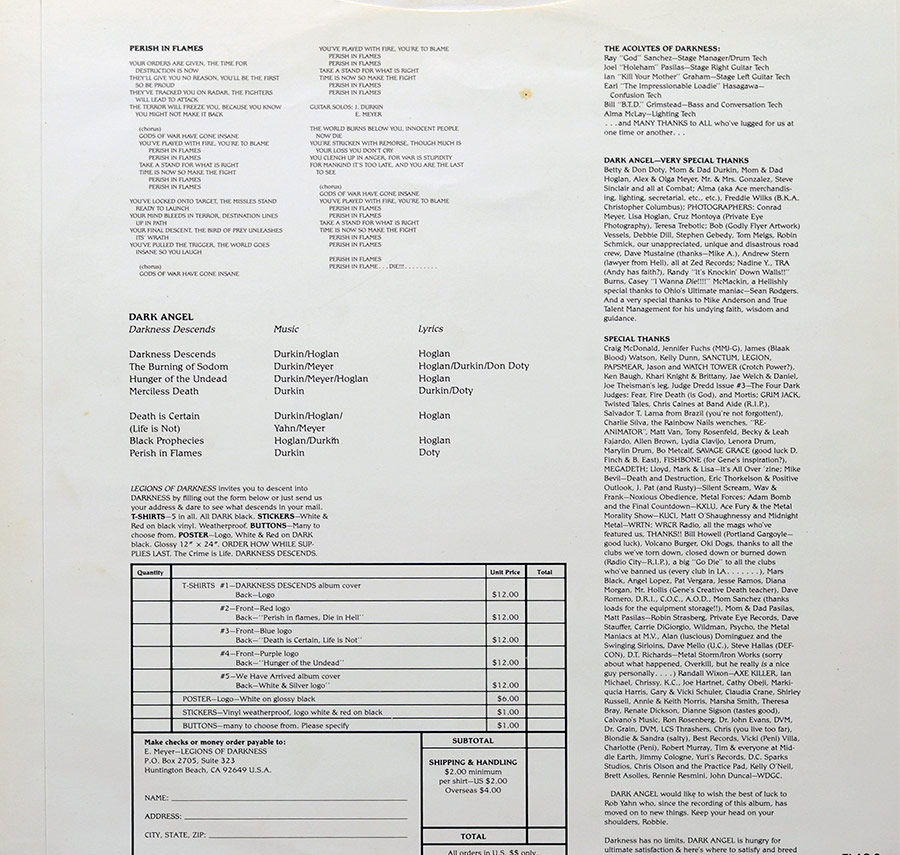
The original Under One Flag pressing, complete with the custom inner sleeve, has become a collector’s handshake—proof you were there for the blast wave.