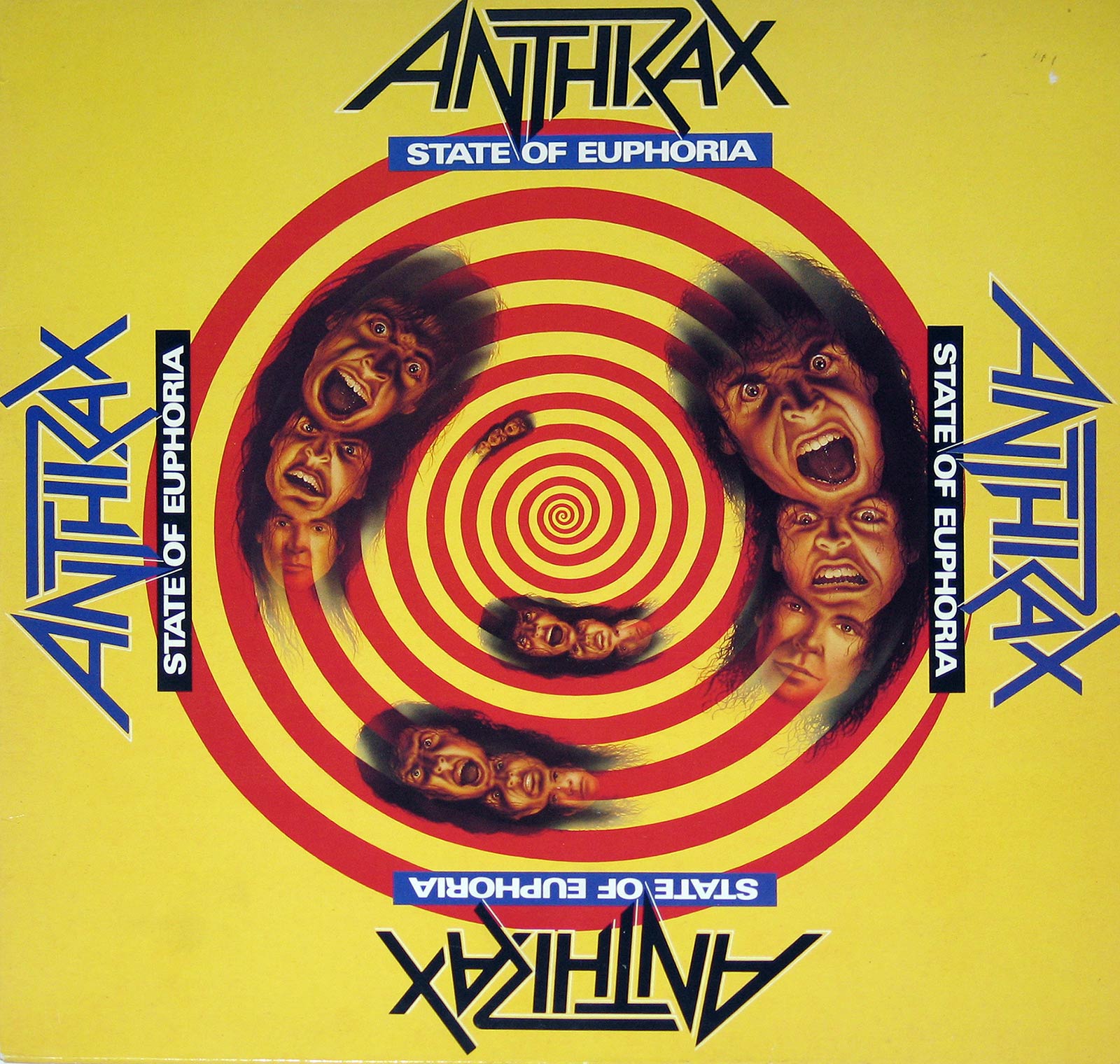
"State of Euphoria" (1988) Album Description:
By 1988, Anthrax had clawed their way to the top of the thrash metal heap — not by mimicking the doom of Metallica or the menace of Slayer, but by injecting humor, social wit, and a New York street edge into the genre’s furious heartbeat. “State of Euphoria” arrived as their defiant mid-career statement, balancing absurdity and anxiety in equal measure.
The Late-80s Thrash Boom
Thrash metal in the late eighties was a strange hybrid beast — equal parts rebellion and precision engineering. MTV was just beginning to flirt with the genre, and bands like Anthrax suddenly found themselves switching from sweat-drenched clubs to stadium stages. This was the year metal became self-aware: political, sarcastic, and occasionally self-mocking.
How Anthrax Got Here
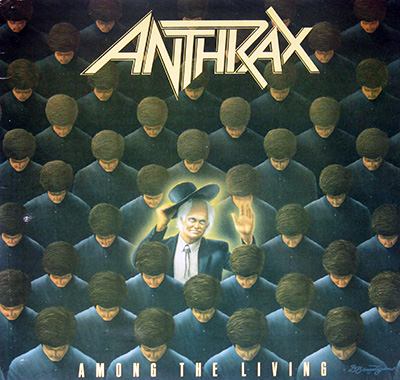
Coming off the critical high of “Among the Living,” the band was exhausted but unwilling to slow down. Endless touring and label expectations pushed them straight back into the studio. Joey Belladonna’s elastic voice, Scott Ian’s crunch-tight riffs, and Charlie Benante’s relentless drumming were a well-oiled machine — maybe too well-oiled. “Euphoria” reflects that tension between confidence and burnout.
Sound and Songs
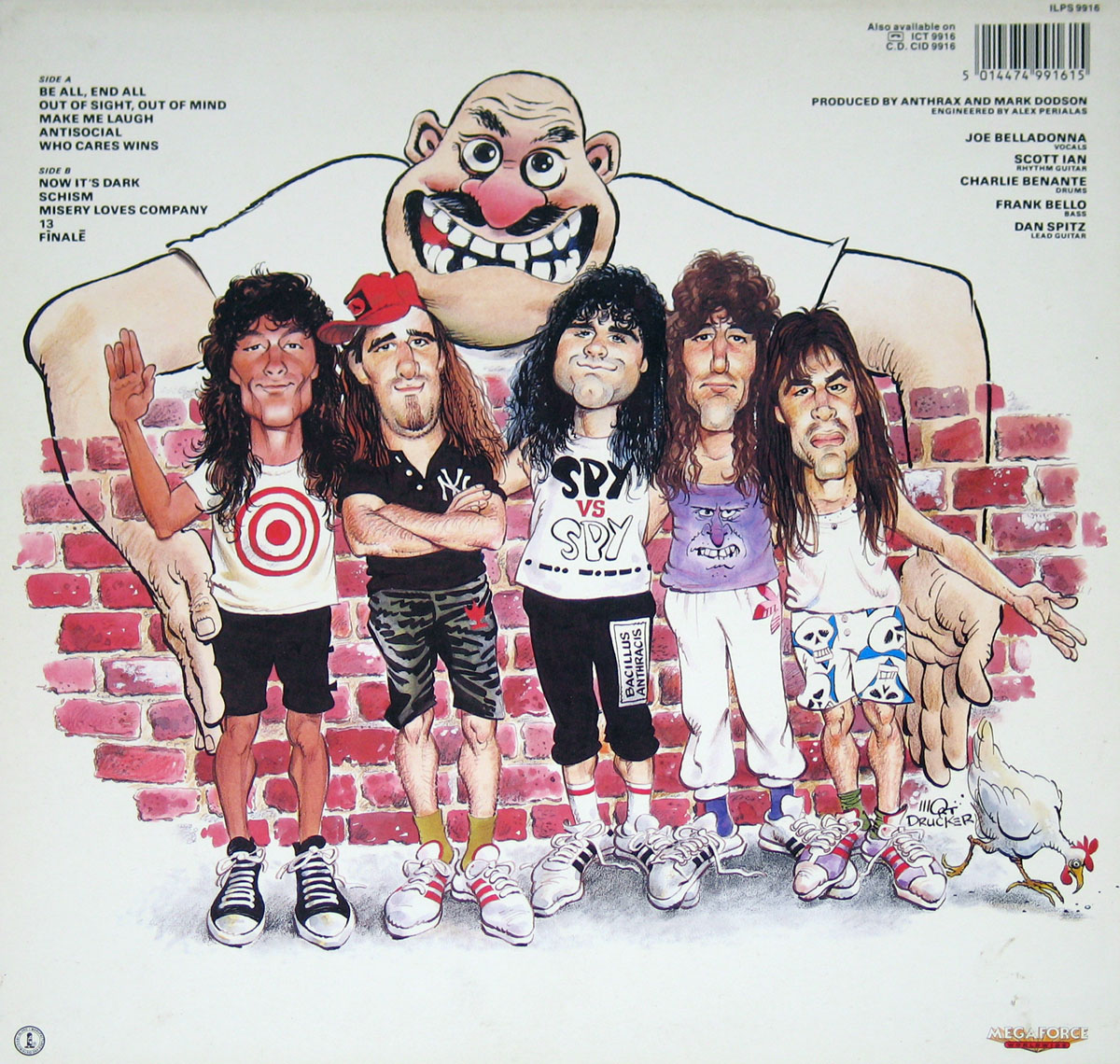
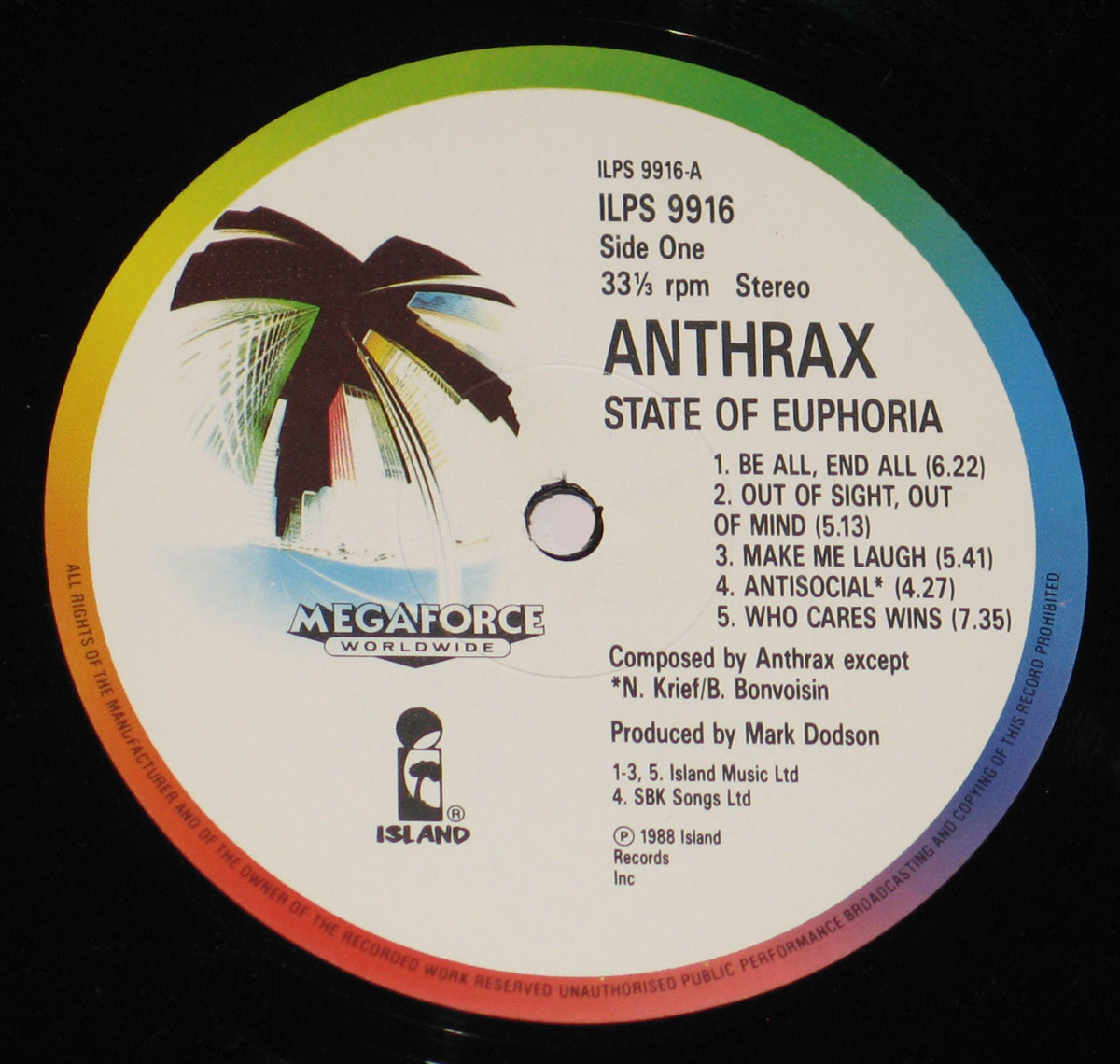
The album opens with “Be All, End All,” a wall of riffs that somehow manages to sound both triumphant and paranoid. “Make Me Laugh” turns televangelist hypocrisy into sharp comedy, while “Now It’s Dark” draws inspiration from David Lynch’s twisted film world. And then there’s “Antisocial,” a cover of the French band Trust that became Anthrax’s own anthem of alienation — sung half the time in French, because why not? It was a gutsy move that paid off with global appeal.
In the Company of Giants
1988 saw Metallica’s “...And Justice for All,” Slayer’s “South of Heaven,” and Megadeth’s “So Far, So Good... So What!” — each a heavy statement in its own right. Anthrax stood apart by refusing to take themselves too seriously. Their mix of hardcore velocity and Bronx humor made “State of Euphoria” the joker in the deck — one that could still out-riff the rest.
Critics, Confusion, and Cult Status
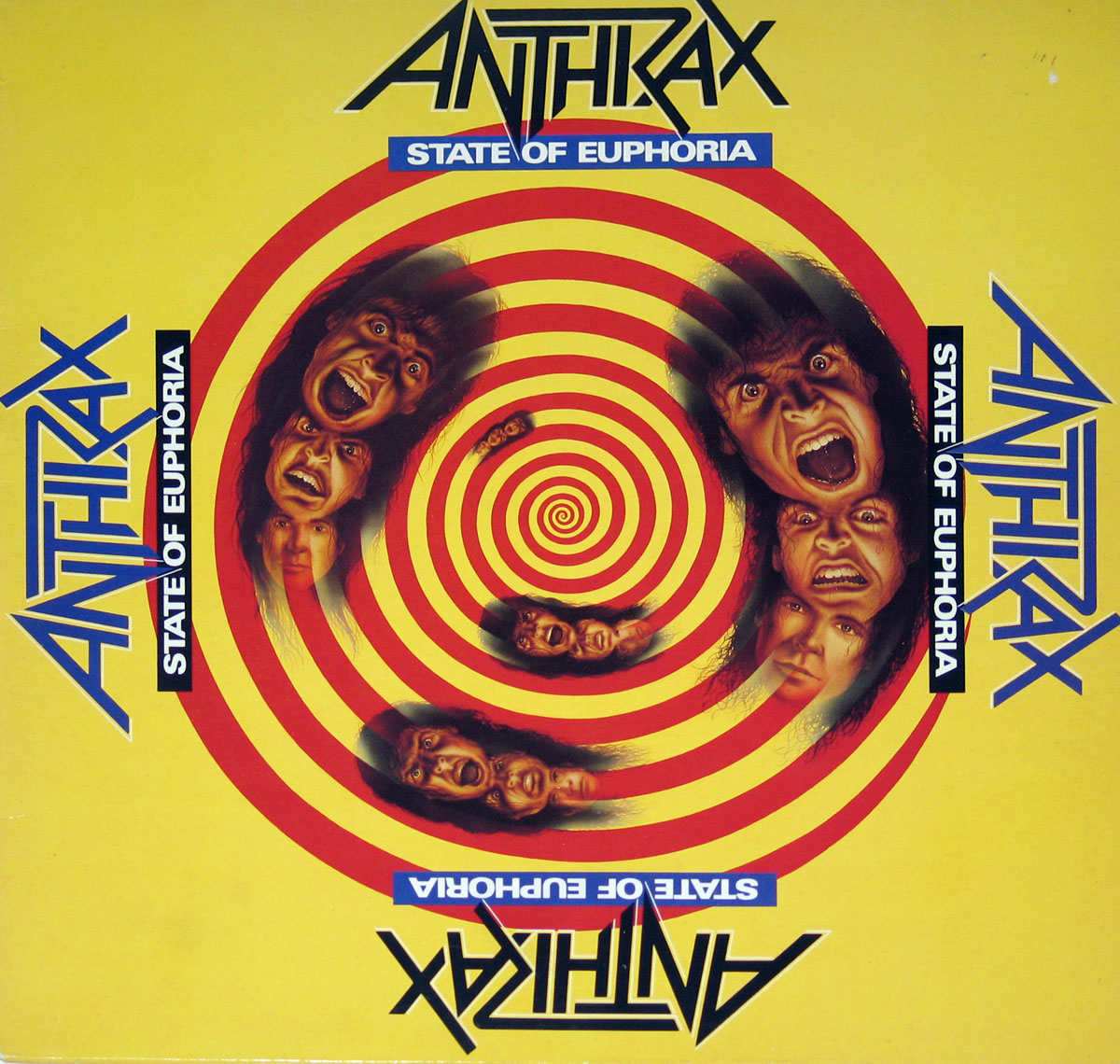
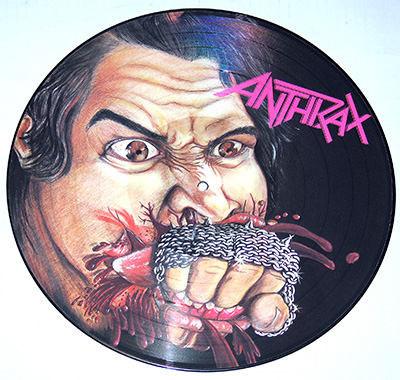
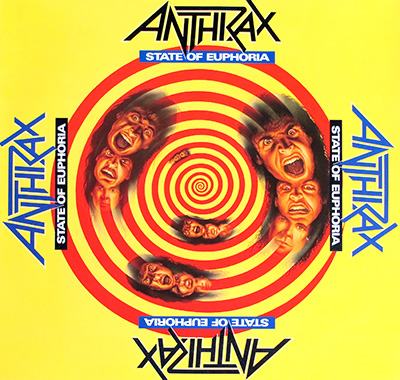
Critics were baffled. Some heard lazy repetition; others heard evolution with a smirk. The album’s frenetic pace and deliberately cartoonish cover art split opinion, but fans didn’t care — they moshed through the noise. Over time, its rough edges and unfiltered energy aged far better than many of the overproduced efforts of the same era.
Inside the Band
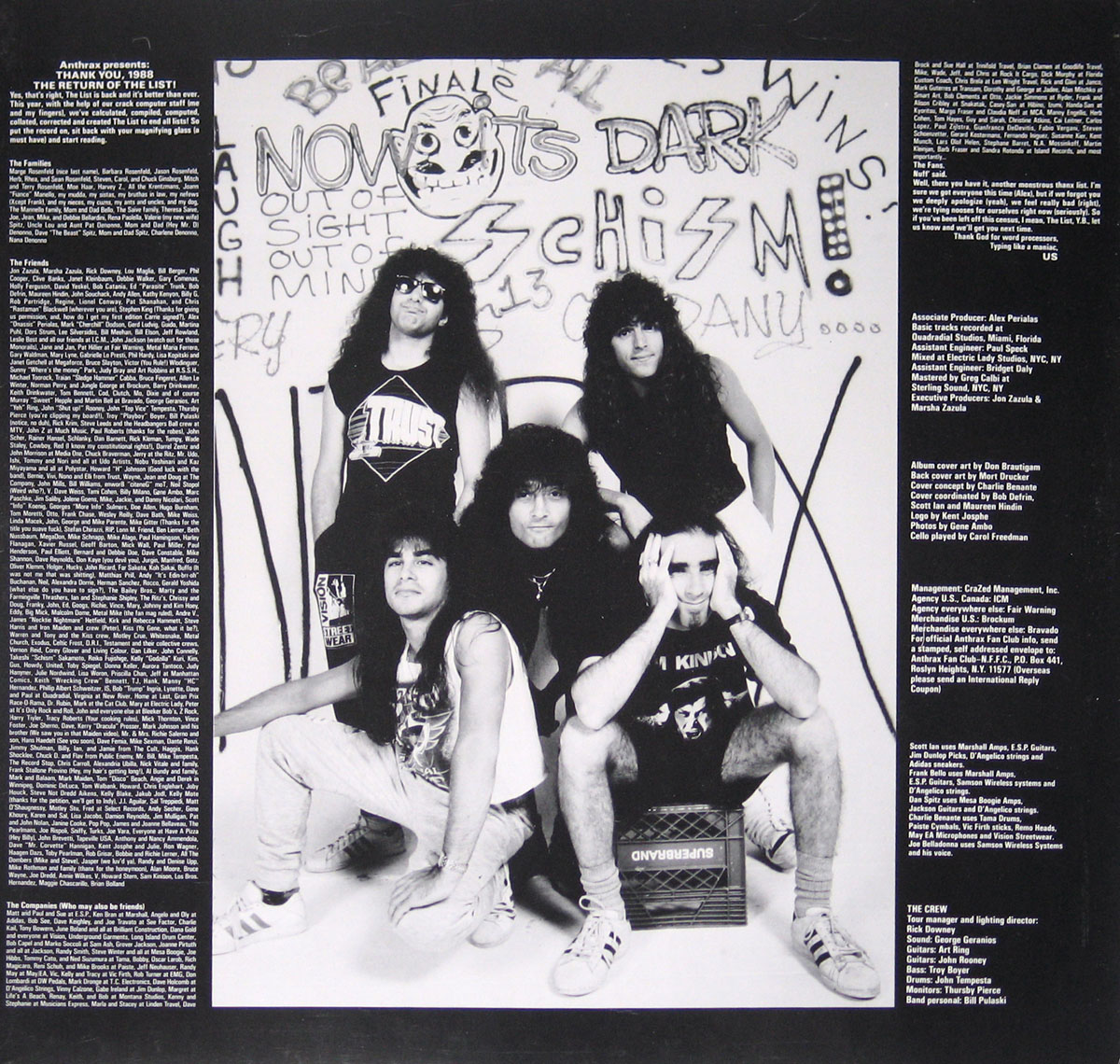
Beneath the bravado, Anthrax were juggling fame, exhaustion, and creative control. Scott Ian’s riffs were sharper than ever, but internal debates about direction hinted at future shake-ups. The humor that once bonded them now divided fans — some wanted more speed, others more substance. That push and pull gives “State of Euphoria” its peculiar flavor: half laughter, half scream.
Legacy and Reflection
Decades later, “State of Euphoria” still sounds like a band trapped between joy and frustration — a perfect state, really, for any creative act worth remembering. It may not be Anthrax’s most polished work, but it’s their most human. Drop the needle today and you can still hear the sweat, sarcasm, and stubborn pride of five guys chasing euphoria through distortion.
The riffs still ring out like subway noise under neon lights — loud, fast, and entirely unapologetic.