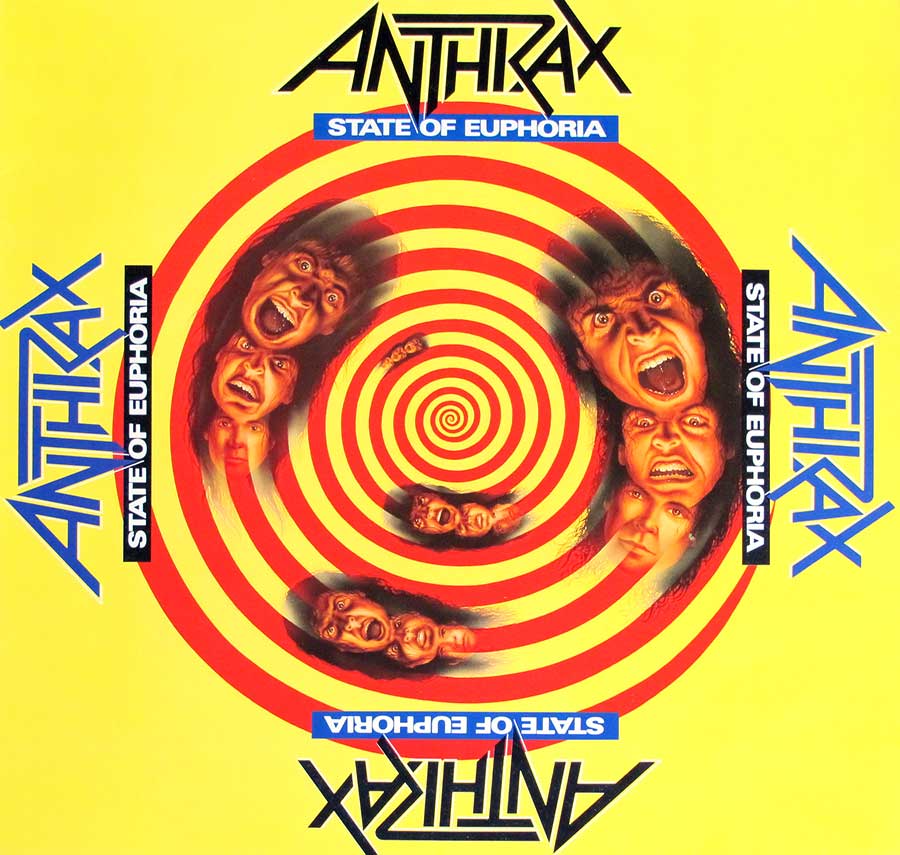
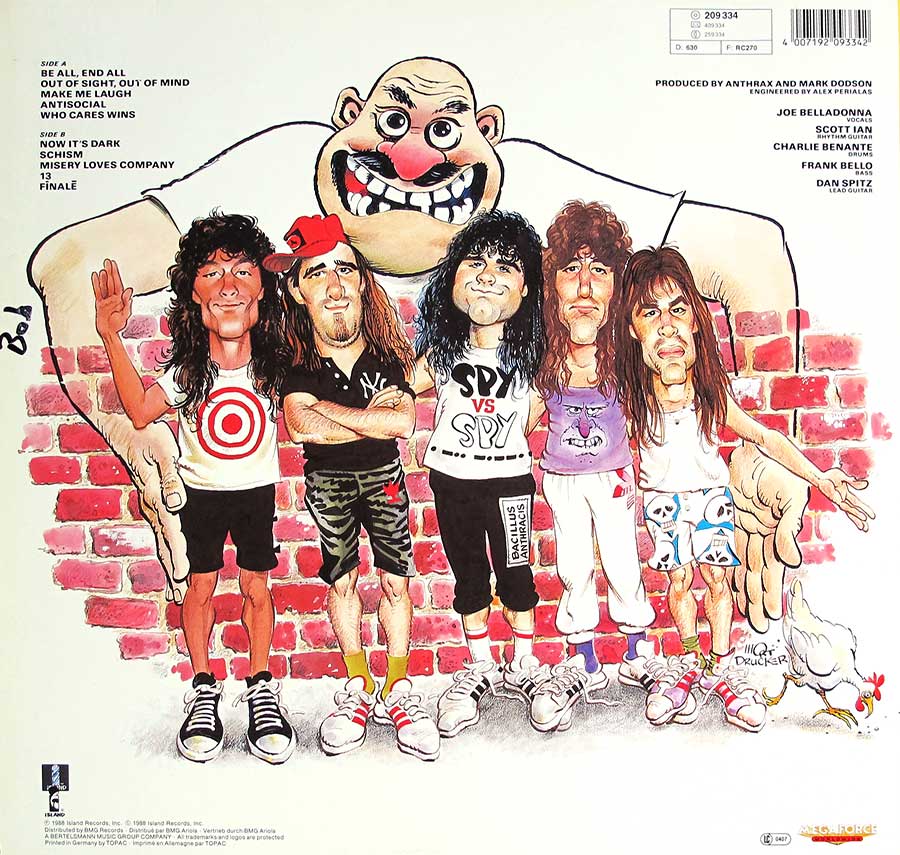
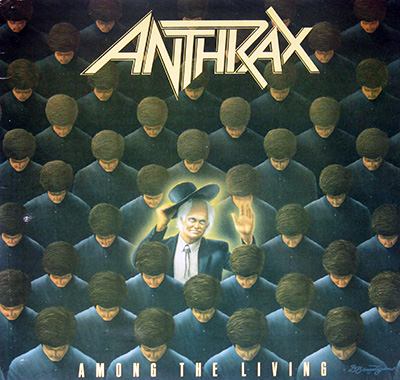
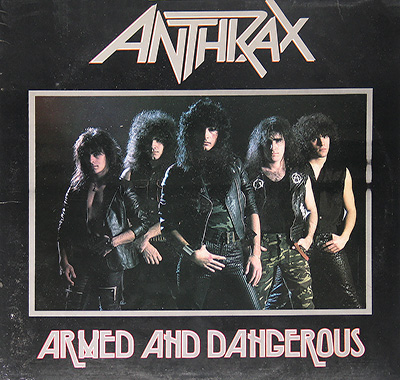
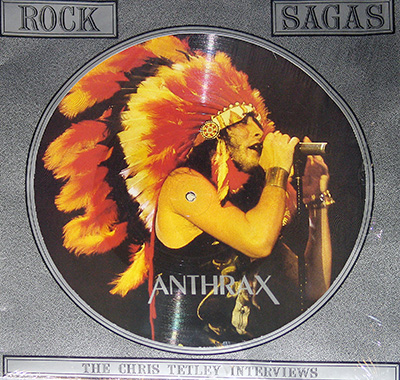
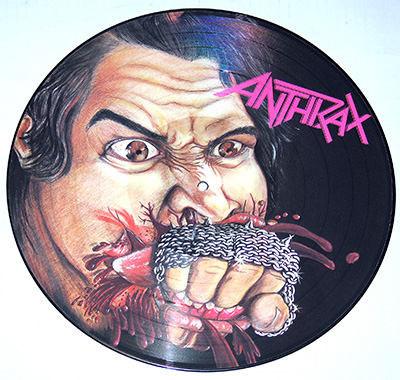
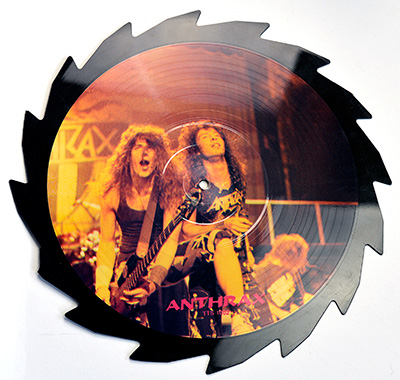
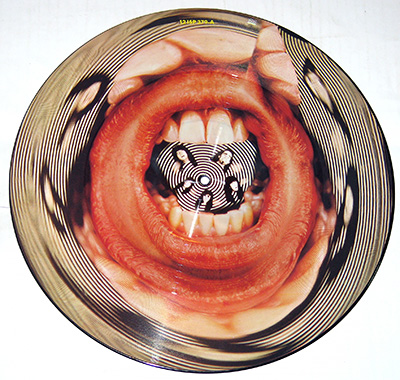
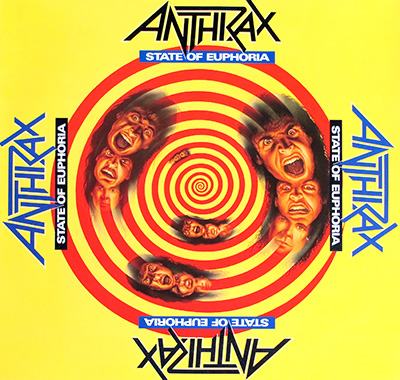
"State of Euphoria" (1988) Album Description:
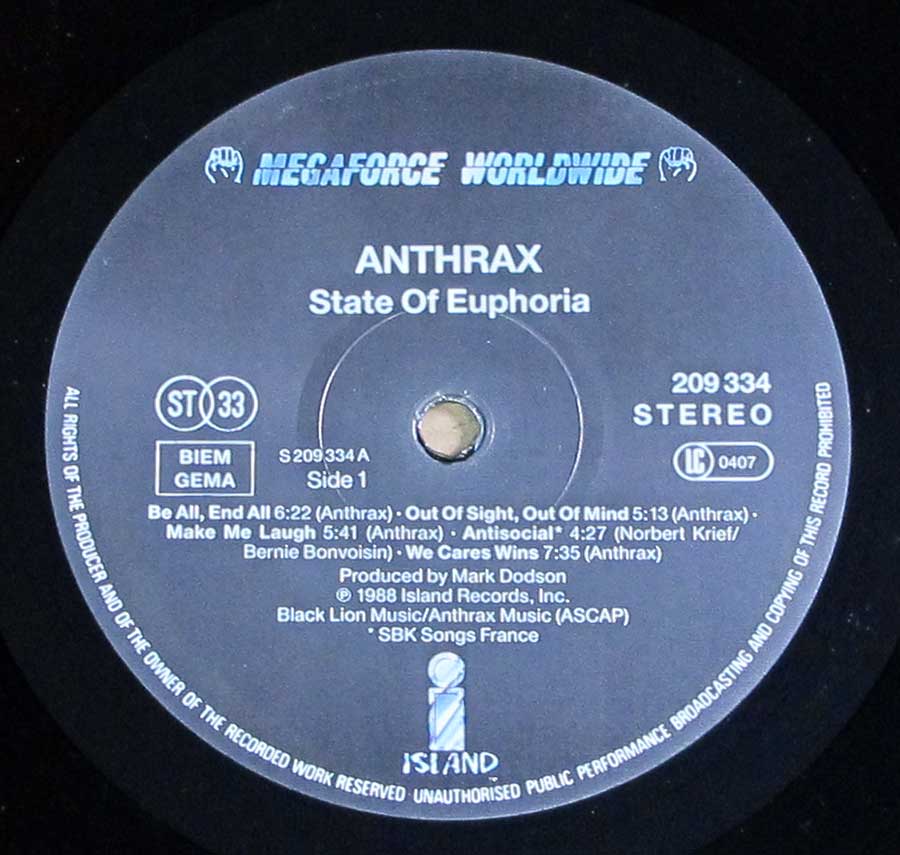
"State of Euphoria" is Anthrax at that sweet spot where the riffs hit like a bar fight, but the band is smart enough to crack a joke while dodging the chair. This German release (Megaforce/Island) captures them in 1988 with a tight, punchy set that leans into speed, hooks, and attitude without pretending thrash has to be humorless to be heavy.
1. Introduction on the band and the album
I always hear this record as Anthrax doubling down on what makes them different: the grin behind the grind. It is fast, riff-heavy, and weirdly catchy, like the band is daring you to sing along while your neck is already filing a complaint.
2. Historical and cultural context
1988 is deep into the era when metal is loud, visible, and suddenly “allowed” to show up outside the basement without losing its teeth. Thrash is sharpening its edges, MTV is a megaphone, and bands are learning that you can be aggressive and memorable at the same time.
3. How the band came to record this album
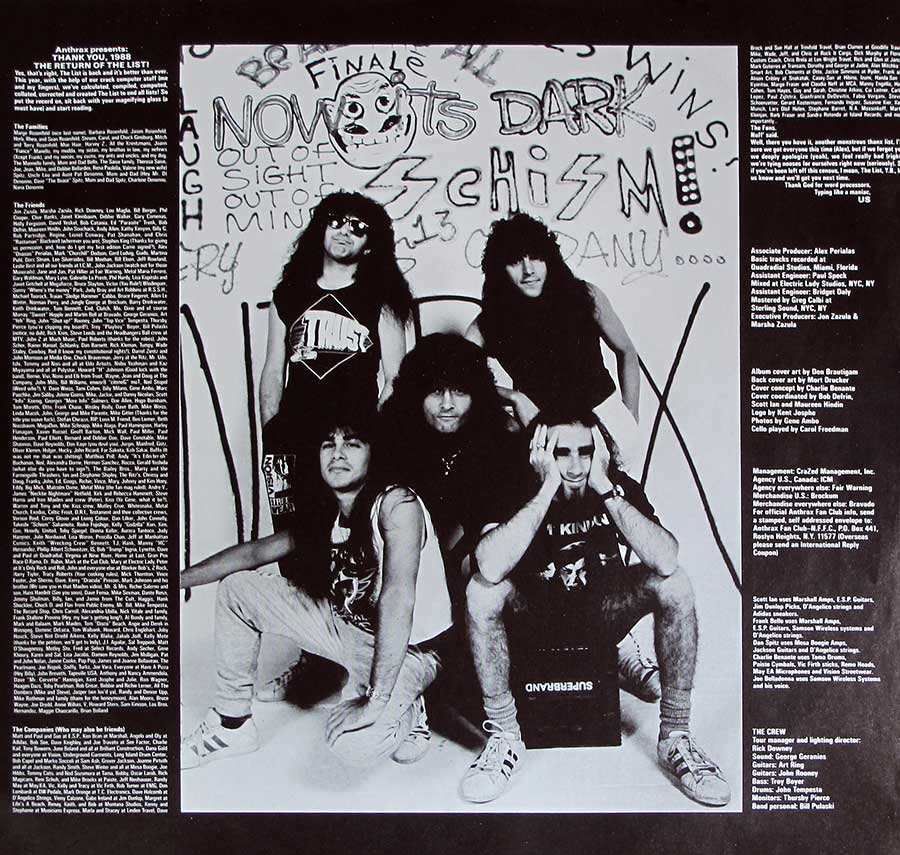
On this page’s version of events, the band walks into the studio with momentum and comes out with an album that helps lock their place in heavy metal. Recorded at Quadradial Studios in Miami, mixed at Electric Lady in NYC, and mastered at Sterling Sound, it’s basically a North American studio-map of “make it hit hard.”
4. The sound, songs, and musical direction
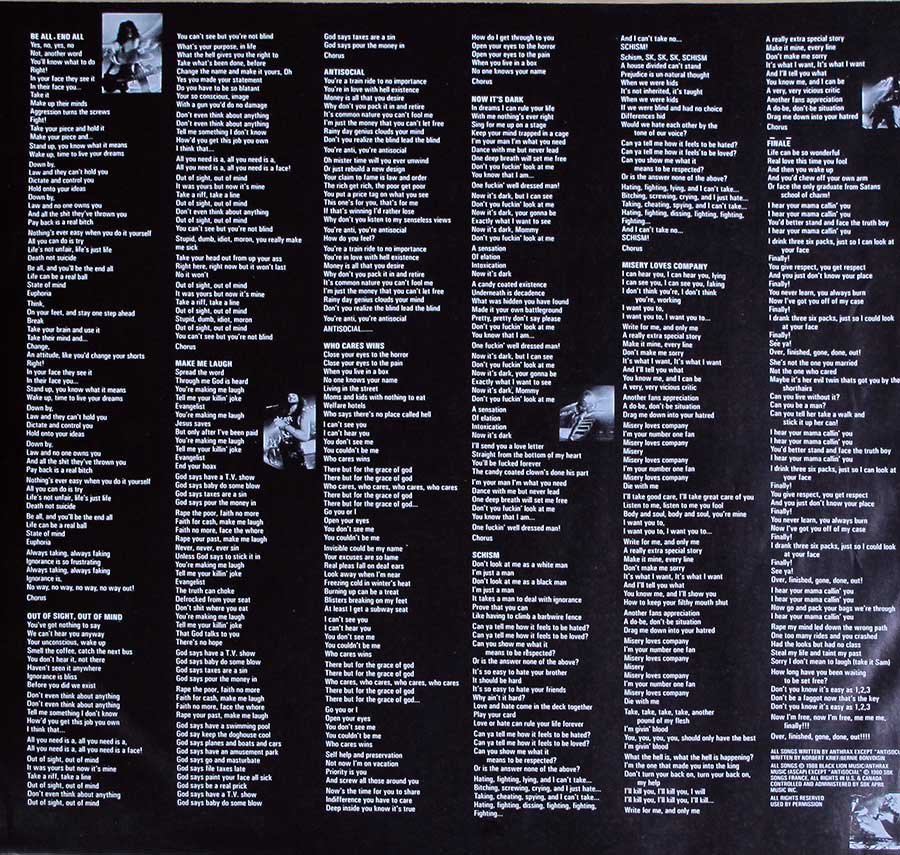
The opening punch of "Be All, End All" sets the rulebook: rapid-fire riffs, big rhythm, and vocals that soar over the chaos instead of getting swallowed by it. Then you get that classic Anthrax zig-zag where "Make Me Laugh" winks at the whole circus while the guitars keep swinging.
The standout that kicks the door wide open is "Antisocial"—a Trust cover that Anthrax turns into a full-on anthem with a chorus built for yelling at the ceiling. The page notes it pulled serious radio and MTV attention, and yeah, you can hear why: it’s pure adrenaline with a hook like a grappling hook.
When the mood goes darker, it does it properly: "Now It’s Dark" starts ominous, then detonates into thrash mayhem with lyrics leaning into mental collapse. It’s the album reminding you that the jokes don’t cancel the shadows—they just make them feel sharper.
5. Comparison to other albums in the same genre/year
On my shelf, "State of Euphoria" sits in the same 1988 air as Metallica’s "...And Justice for All", Slayer’s "South of Heaven", and Megadeth’s "So Far, So Good... So What!"—but it plays a different game. Where some peers go colder or heavier, Anthrax goes for speed plus personality, like they want the pit moving and the crowd laughing at the same time.
6. Controversies or public reactions
This one doesn’t need scandal to make noise; the ripple is the crossover moment. A French punk song becomes a metal hit, gets pushed into wider rotation, and suddenly people who weren’t shopping in the thrash aisle are hearing Anthrax whether they asked for it or not.
7. Band dynamics and creative tensions
The “tension” I feel here is creative, not tabloid: the band juggling bite-sized hooks with full-throttle aggression. You can hear them balancing humor ("Make Me Laugh") against the heavier headspace ("Now It’s Dark"), and somehow it comes off as confidence instead of confusion.
8. Critical reception and legacy
The page calls it a critical and commercial success, and frames it as a record that helped cement Anthrax in the genre. Decades later, it still reads like a snapshot of a band that understood the secret: thrash works best when the riffs are lethal and the vibe is human.
9. Reflective closing paragraph
Every time I pull this sleeve out, I get that same little jolt—like I’m about to drop the needle on a controlled explosion that still knows how to crack wise. Decades later, the riffs still smell faintly of sweat, fluorescent rehearsal rooms, and the kind of optimism you only get when the volume knob has no stop.