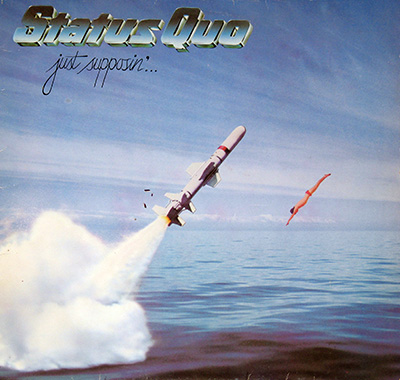
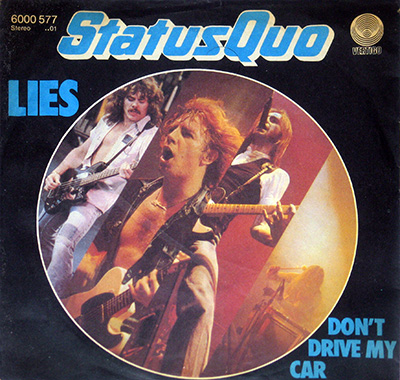
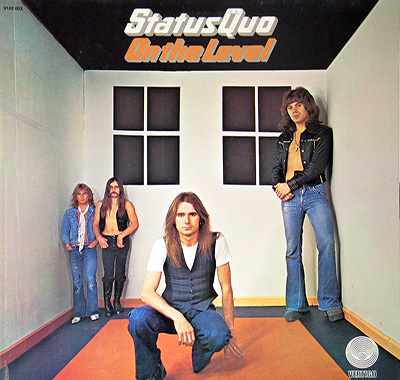
Pip Williams kept turning up on the kind of records that don’t politely “sound good” — they shove the room back a little. I remember clocking his name when I was flipping a sleeve on my table, needle already hovering, and thinking: okay, this is probably why the guitars feel like they’ve been fed properly. Before he lived behind the glass, he was out there doing the graft as a guitarist — early ’60s runs in Hamburg (that scene was not built for the fragile), then mid-1965 into late 1966 as lead guitarist with The Sovereigns, a West London touring band that had to earn every inch of volume. Later he took on musical director duties for Jimmy Ruffin, which is the kind of job that quietly reveals whether someone can actually steer a band without turning it into a spreadsheet. Then he moved into production and started making decisions that you can hear: from 1977 onward he produced Status Quo for a long stretch, locking in that tough, road-worn weight without sanding off the corners. He also put his hands on bigger, more polished recordings around the Moody Blues orbit, and years later he even surfaced again when metal went full cinema, supervising orchestral parts and arrangements for Nightwish. That arc sounds neat on paper. On wax, it just sounds like someone who hates weak takes and doesn’t mind telling a band so.
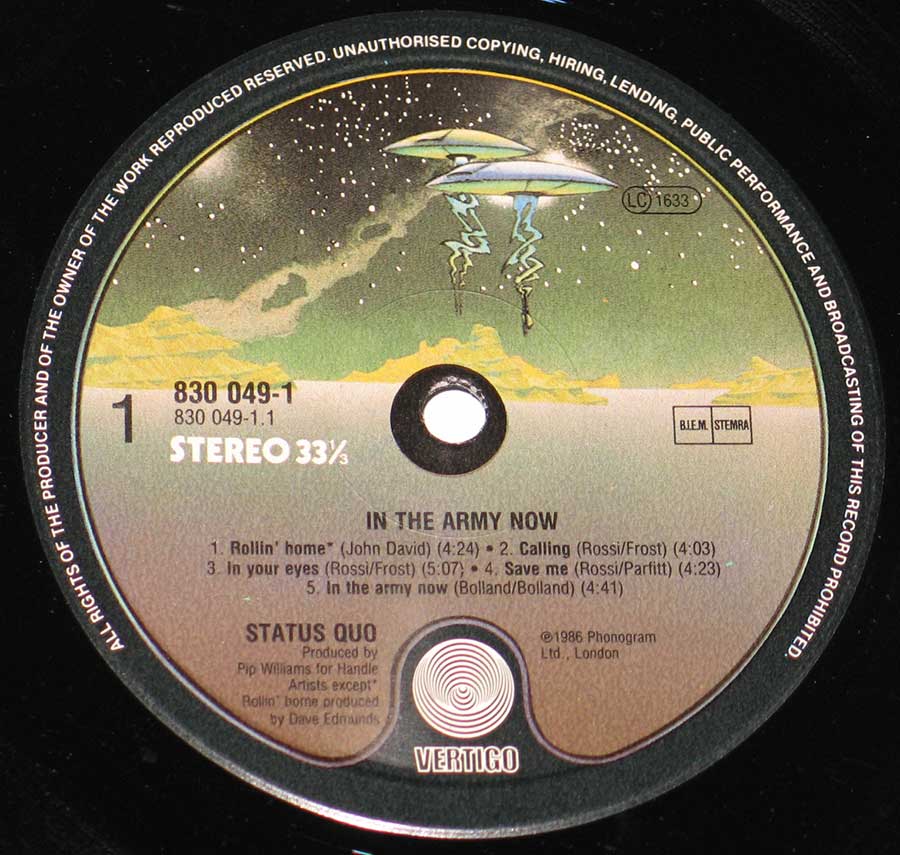
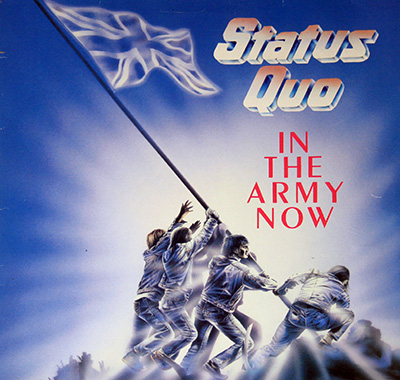
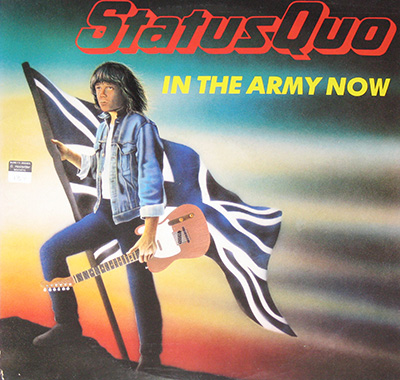
STATUS QUO - In The Army Now 12" Vinyl LP Album
- 1986 comeback album blending boogie rock roots with polished 80s sound
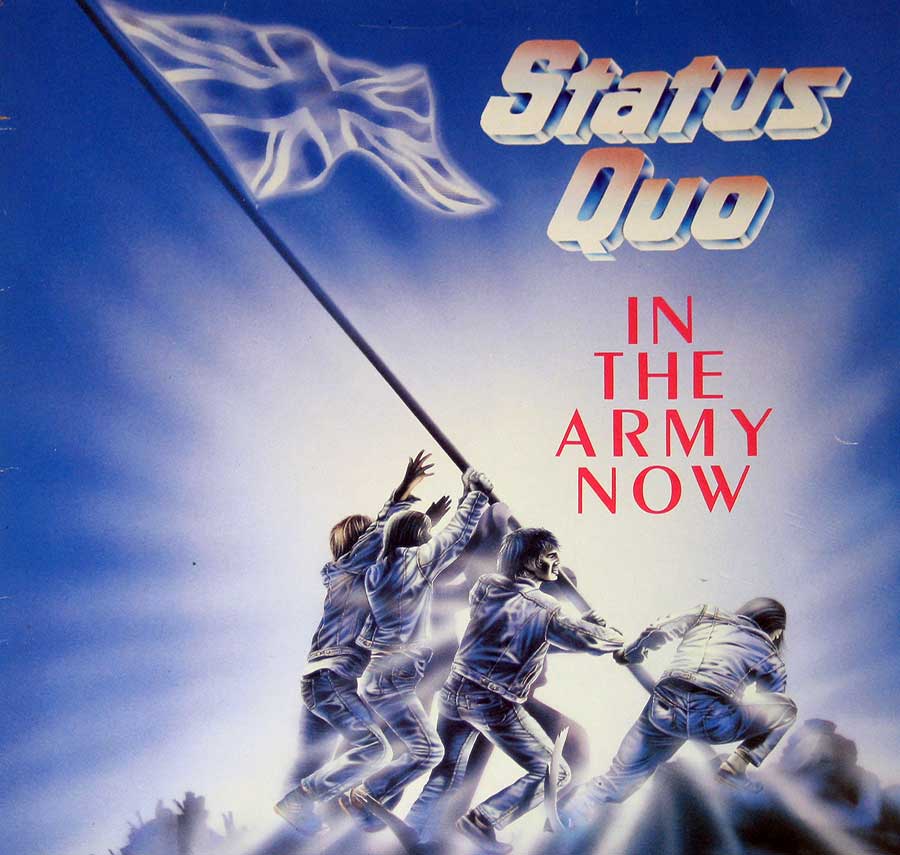
Released in 1986, In The Army Now marked a bold new chapter for Status Quo, blending their trademark boogie-rock energy with the glossy production of the 1980s. Produced by Pip Williams and Dave Edmunds, the album delivered enduring hits like “In The Army Now” and “Rollin’ Home,” proving that the veteran British rockers could adapt to new sounds without losing their roots.