- English Pop Rock – Parlophone Records (1989)
"The Miracle" finds Queen firing back in 1989 with defiant energy, recorded as the band closed ranks around Mercury’s private illness and rediscovered their unity. The album blends bright synths, sharp guitars, and a renewed sense of purpose, from the explosive opener “Party” to the epic closer “Was It All Worth It.” Critics were split, but fans felt its emotional voltage. Today it stands as the powerful start of Queen’s final creative chapter.
"The Miracle" is Queen in late-era battle mode—bruised, brilliant, and regrouping for one more charge. The band sounds unified in a way they hadn’t for years, folding their pop instincts into a polished, late-80s rock storm. It’s a record born out of pressure, secrecy, and sheer stubborn artistry, yet it shimmers with defiance rather than despair.
The late 80s were a messy crossroads: hair metal still roared, synth-pop refused to die, and the industry was desperately trying to look futuristic without actually knowing what the future was. In Britain, dance culture was exploding while traditional rock was treated like an ageing pub regular. Into that noise, Queen dropped an album that felt both defiantly classic and unmistakably of its era.
Synths were everywhere, drum programming was king, and glossy production was practically a moral obligation. Queen embraced those sounds—but twisted them into something warmer, stranger, and far more personal than the era usually allowed.
By 1988, the band had survived creative burnout, personal crises, and the heaviest secret imaginable: Freddie Mercury's AIDS diagnosis, known only to the band and their inner circle. Instead of pulling them apart, it welded them together. The old rivalries cooled, the songwriting became collective, and the studio turned into a shelter where four men played louder than their fears.
Recording stretched across a full year between London and Montreux, a slow process shaped by sickness, recovery, and the rediscovery of friendship. The album wasn’t just made—it was fought for.
Sonically, the album is a glossy fusion of rock and late-80s pop textures: big drums, sparkling keyboards, and Brian May's guitar weaving through the mix like a laser-guided flare. The opening duo of “Party” and “Khashoggi’s Ship” barrels forward with an energy that feels almost defiant—a “we’re still here, deal with it” statement wrapped in pounding rhythms.
Tracks like “The Miracle” and “Breakthru” radiate optimism and sheer melodic confidence, while “Scandal” drips with the bitterness of tabloid intrusion. And then there’s “Was It All Worth It,” a cinematic, riff-heavy finale that sounds like the band looking in the mirror and laughing, crying, and roaring all at once.
Compared to other rock releases of 1989—think Def Leppard polishing the chrome on "Hysteria’s" afterglow or the Black Crowes steering back toward rootsy swagger—Queen aimed for something sleeker, more eclectic, and unmistakably theirs. The album sits at the crossroads between arena rock bravado and pop sheen, refusing to pick a side.
Most bands chasing relevance in ’89 sounded like they were begging MTV to notice them. Queen, instead, sounded like they’d decided to outrun it.
While “controversy” might be too strong a word, the album arrived in a haze of rumors and intrusive speculation about Mercury’s health—stories the band refused to dignify with public comment. “Scandal,” razor-edged and bitter, was their answer: a middle finger dressed as a pop song.
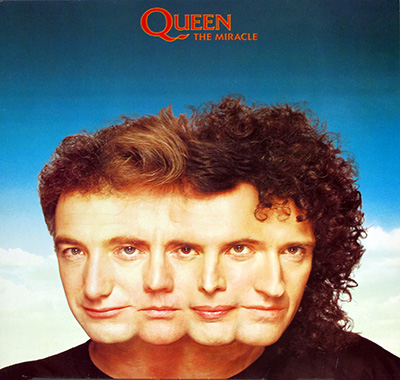
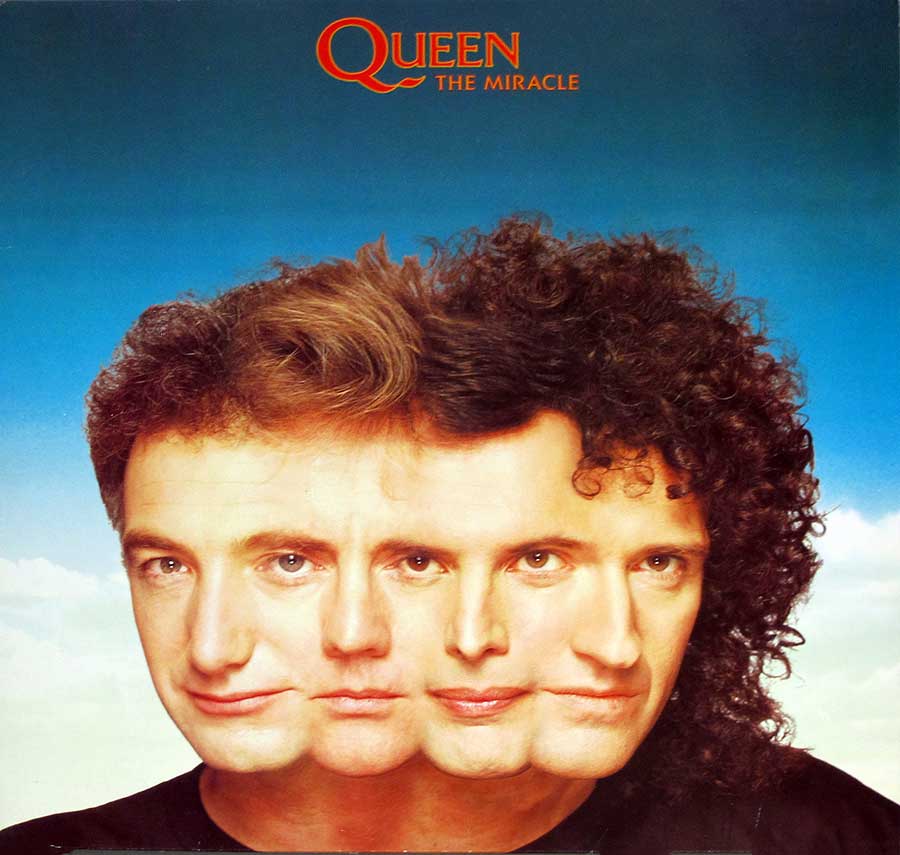
For once, Queen worked like a single organism. No more territory battles over songwriting credits; everything was stamped “written by Queen,” a gesture that made the creative process smoother and the band’s emotional bonds stronger. The merged faces on the cover weren’t just a gimmick—they reflected a genuine truce.
The result is an album with an unusually consistent tone, as if all four musicians were finally looking in the same direction.
Critics in 1989 didn’t quite know what to make of it—too pop for rock purists, too rock for the dance-gloss crowd—but fans embraced it, and over time the album has aged far better than many polished late-80s productions. Today, it stands as the first chapter of Queen’s unexpectedly powerful final act.
Heard now, “The Miracle” sounds like what it truly was: a band refusing to fade quietly, choosing instead to celebrate everything they still had left.
Listening to this vinyl on my stereo today, you can feel the tension, hope, and stubborn joy locked inside the grooves. It’s a late-career album that doesn’t mourn the past but salutes it, cracking a grin as it marches into the unknown. Decades later, the music still hits with that unmistakable Queen mixture of heart, muscle, and theatrical flair.
British Pop Rock
{{ album.genreDescription }}
Parlophone – Cat#: 064-79 2357
Standard sleeve.
Record Format: 12" LP Vinyl Stereo Gramophone Record
Total Weight: 230 gram
1989 – Made in EEC
Olympic Studios – London, England
The Townhouse Studios – London, England
Mountain Studios – Montreux, Switzerland
The Townhouse Studios – London, England
Roxy Meade – Lipsey Meade PR,
95 Mortimer Street, London W1N 7TA
Disclaimer: Track durations shown are approximate and may vary slightly between different country editions or reissues. Variations can result from alternate masterings, pressing plant differences, or regional production adjustments.
Note: All commentary and lore beneath the tracks reflect my personal interpretation as a collector and fan.
This sleeve hits with that unmistakable late-80s digital sharpness: four individual faces blended into one unsettling but perfectly aligned composite. Roger’s features sit on the left, Freddie’s anchor the center, and Brian’s curls dominate the right edge. The merge isn’t subtle at all — it’s deliberate, stacked, and mathematically clean, showing exactly where each musician’s facial structure has been fused to the next.
Lighting is bright, even, and low in shadow, giving the skin tones a smooth, almost airbrushed finish. Hair textures, especially on Brian’s side, keep the image from feeling flat. The sky backdrop is a calm gradient from deep blue to soft cloud white, creating enough separation so the merged portrait doesn’t get lost in the background.
The album title and band name sit above the portrait in red-orange print, sharp and readable without clutter. Typography is minimal and placed far from the faces, leaving the artwork to do the heavy lifting. For collectors, this is the exact front cover used on Parlophone’s 1989 EEC release — clean edges, strong color saturation, and no extra layout distractions.
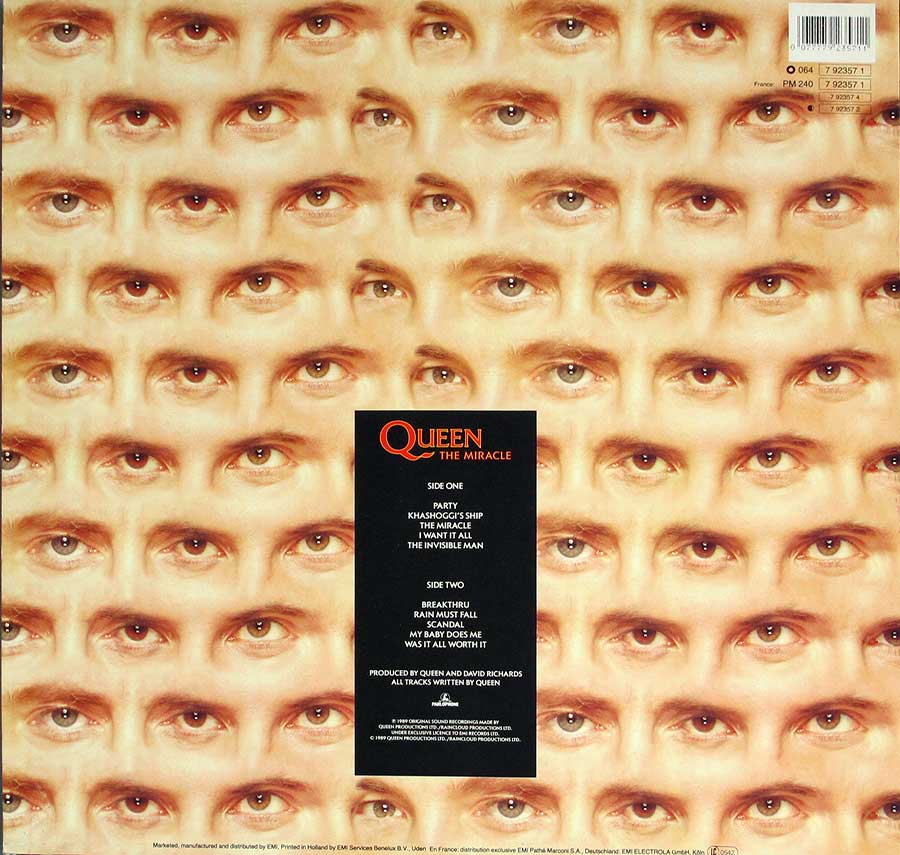
The entire back sleeve is filled edge to edge with a grid of eye close-ups taken from the merged band portrait. Each pair of eyes is cropped identically and repeated dozens of times, creating a patterned sheet that feels clinical, deliberate, and unmistakably tied to the album’s identity. Every tile uses the same warm skin tone and soft lighting, giving the layout a uniform texture across the sleeve.
A solid black rectangle sits slightly below center, cleanly aligned without touching the repeat pattern. The album title Queen – The Miracle is printed at the top in orange-red lettering, matching the typography from the front cover. Tracklists for side one and side two follow underneath in clear, compact white text, making this an easy reference point for collectors checking completeness or pressing variations.
The lower edge of the black panel includes production credits for Queen and David Richards, plus the standard publishing and copyright lines associated with Parlophone’s 1989 EEC release. The upper-right corner of the sleeve shows the catalog number block and barcode, printed cleanly with no visual overlap into the tiled background. Everything about this layout is functional and press-accurate, without cosmetic distractions or unnecessary embellishment.
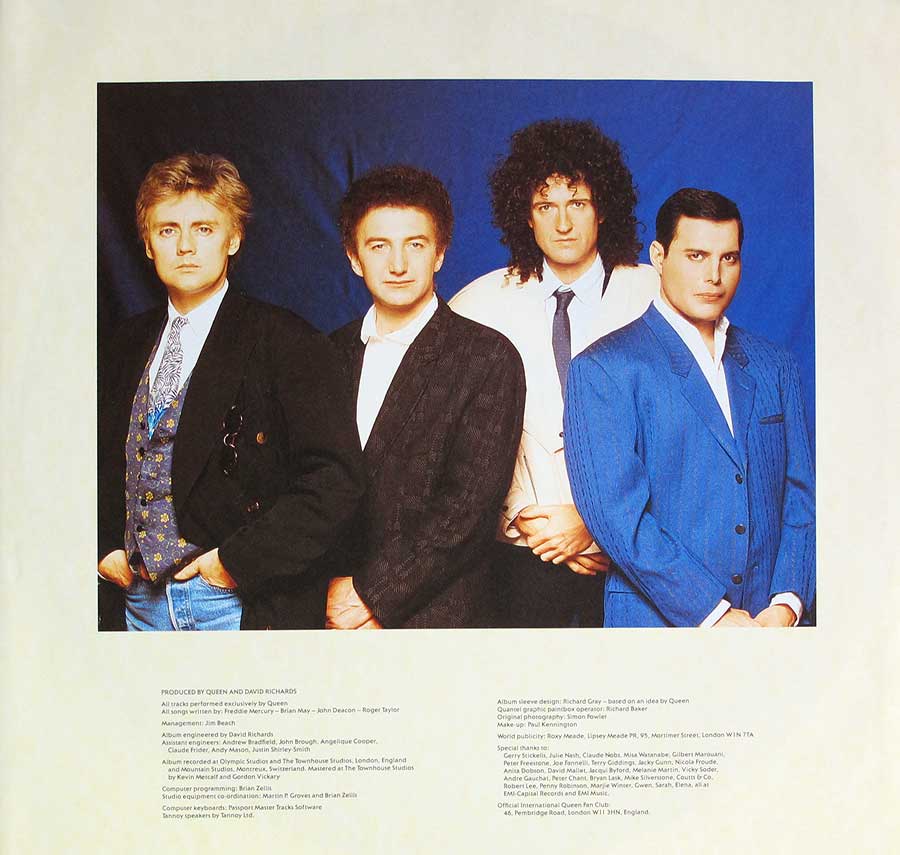
The inner sleeve presents a clean studio portrait of Queen in late-80s formality, shot against a deep blue cloth backdrop that absorbs light evenly and keeps the focus on the band. Roger stands on the far left wearing a black blazer, patterned vest, and loose jeans — a look that mixes polished and casual in a way only 1989 could get away with. John stands next to him in a darker jacket with a subtle pattern, positioned slightly forward with a neutral stance.
Brian stands third, taller than the others and wearing a pale jacket with a slim tie, his trademark curls lit softly to avoid harsh shadows. Freddie anchors the right side in a bright blue textured suit jacket, sharp collar, and clean lines that match the album’s high-gloss visual tone. Their arrangement is deliberate: evenly spaced, aligned at similar height, and kept tight within the frame so the portrait reads as a unified lineup rather than four separate poses.
Beneath the photo sits the full block of production credits, printed in small, clean type with generous spacing. Credits include the engineers, studio locations, mastering details, sleeve design, and label information, reflecting exactly what collectors expect from a complete original Parlophone inner sleeve. No decorative borders, no extra imagery — just the official text laid out with functional clarity.
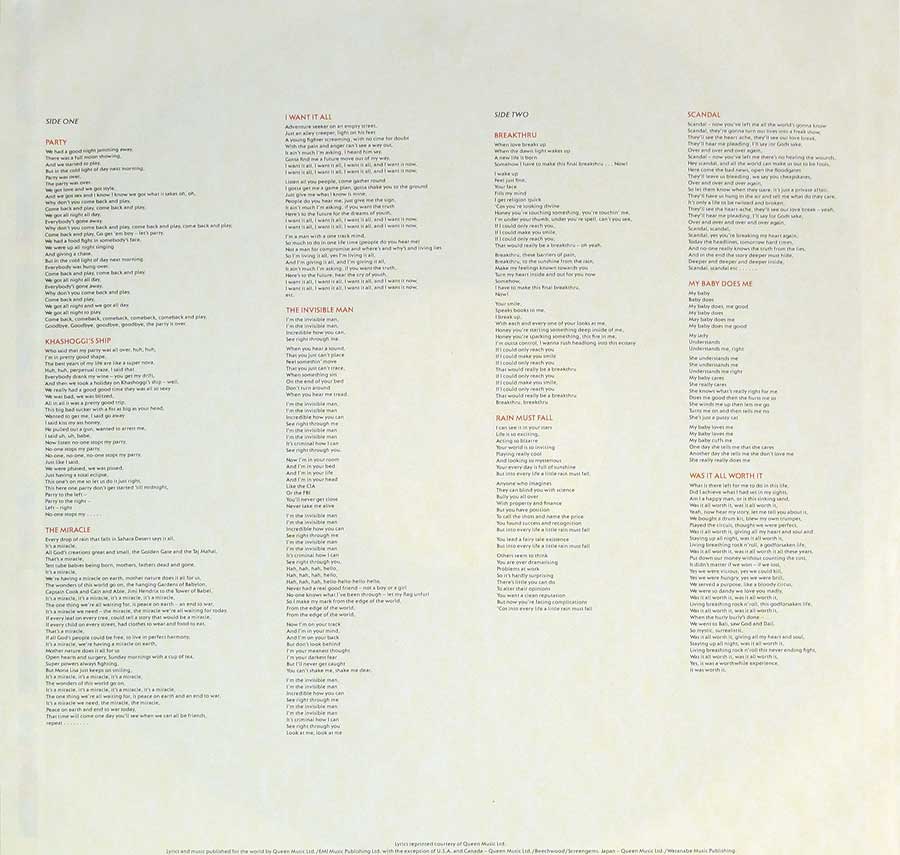
This inner sleeve is the text-heavy counterpart to the portrait insert, dedicated entirely to the full lyrics of the album. The paper stock has a light cream tone with subtle texture, staying neutral enough so the dense blocks of text remain readable. The layout uses multiple vertical columns, each clearly separated without borders, running nearly the full height of the page. Side One lyrics occupy the left columns, Side Two fills the right, with each song title printed in a red serif font to break up the long stretches of black text beneath.
Lettering is compact but sharp, consistent with late-80s EMI print standards. Line spacing is tight, the kind of functional layout collectors associate with inner sleeves designed for maximum information rather than decorative flair. Nothing here is stylized — no imagery, no framing, no color accents beyond the red titles. It’s a purely utilitarian design, built to pack in every lyric without breaking the visual rhythm of the multi-column grid.
Along the bottom edge, a small horizontal line of publishing and rights text runs the full width of the sleeve. The print is intentionally faint but fully intact, marking this as an original Parlophone EEC inner sleeve. For collectors, this is one of those inserts that often goes missing or gets replaced, so seeing it complete, clean, and text-crisp adds real value to the overall condition of the album.
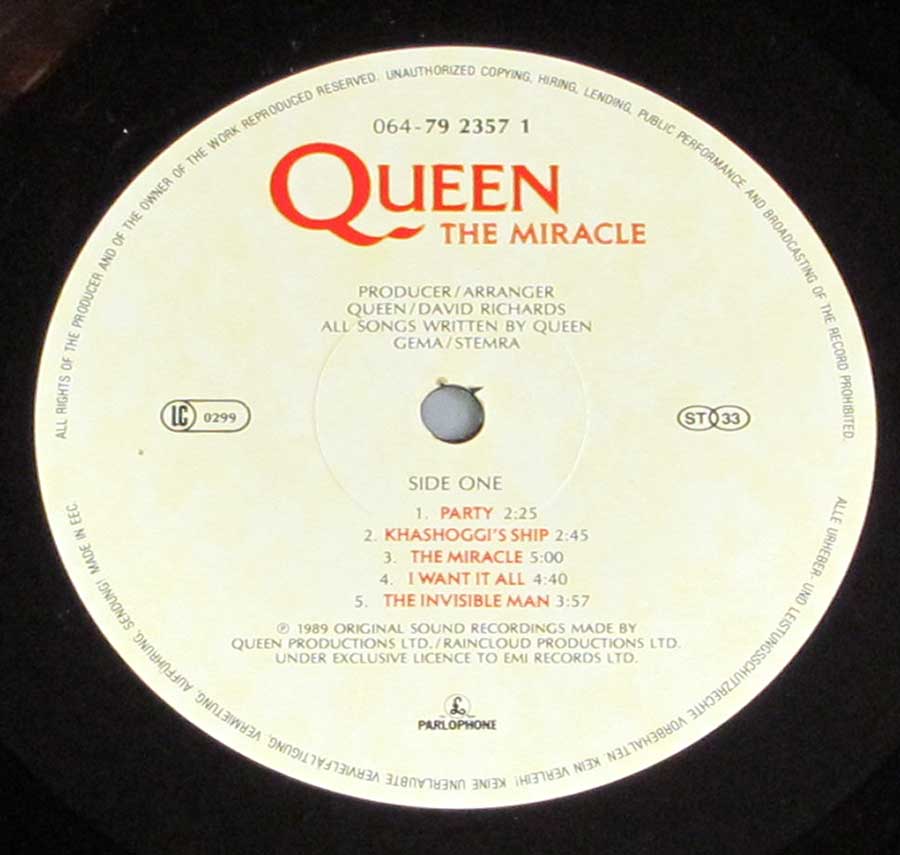
This close-up shows the Side One label of the original Parlophone EEC pressing, printed on a light cream base with clean black typography and a bold red Queen – The Miracle header. The catalog number 064-79 2357 1 sits above the logo in a narrow sans-serif font typical of late-80s EMI label layouts. The spindle hole is centered cleanly, with no tearing or ring damage, indicating limited play and good handling.
The text block lists the five tracks for Side One, each numbered with durations positioned tightly to the right. Song titles printed in red mark the album’s singles and standout cuts, matching the visual hierarchy used on other Parlophone labels of the period. The producer line credits Queen and David Richards, followed by the publishing group GEMA/ STEMRA — a standard indicator for EEC-distributed versions.
Around the outer ring, the legal perimeter text runs smoothly, without smudging or ink breaks, confirming an authentic machine-stamped label rather than a later digital reproduction. The LC0299 label code appears in a small boxed icon, and the ST33 symbol identifies the stereo LP format. The Parlophone logo sits at the bottom center, crisp and perfectly aligned — a detail collectors check when verifying legitimate pressings.
All images on this site are photographed directly from the original vinyl LP covers and record labels in my collection. Earlier blank sleeves were not archived due to past storage limits, and Side Two labels are often omitted when they contain no collector-relevant details. Photo quality varies because the images were taken over several decades with different cameras. You may use these images for personal or non-commercial purposes if you include a link to this site; commercial use requires my permission. Text on covers and labels has been transcribed using a free online OCR service.
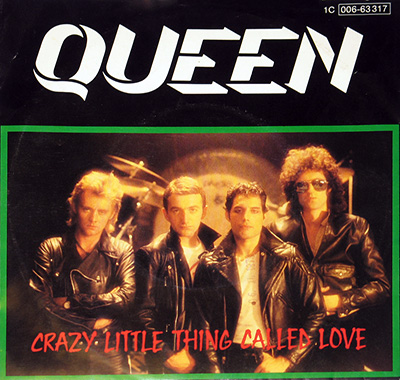
By 1979, Queen had already established themselves as one of the most innovative and flamboyant rock bands in the world. Their albums were a kaleidoscope of musical styles, from hard rock and heavy metal to progressive rock and opera. But with "Crazy Little Thing Called Love," they took a sharp left turn,
Crazy Little Thing Called Love b/w We Will Rock You 7" Vinyl Single e
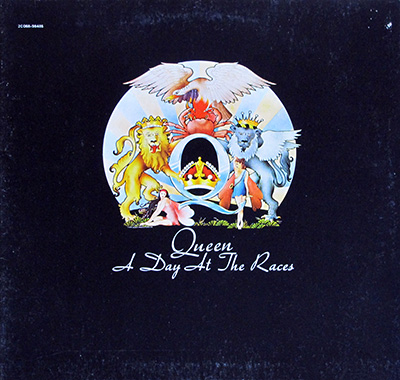
"A Day at the Races" marked a turning point for Queen. Following the success of "A Night at the Opera," the band took the reins for production, a first for them. This newfound creative control is evident in the album's diverse soundscapes, ranging from the operatic flair of "Somebody to Love"
QUEEN - Day At the Races Gatefold (1976, France) QUEEN - Day At The Races (1976, Gt Britain) QUEEN - Day At The Races (1976, Italy)
Released at a time when the music scene was fragmenting, with new wave and punk vying for attention, Queen's "Greatest Hits" was a bold statement of defiance. It was a reminder that rock music could be both accessible and ambitious, a sonic kaleidoscope that encompassed everything from operatic ballads to...
Greatest Hits 12" Vinyl LP
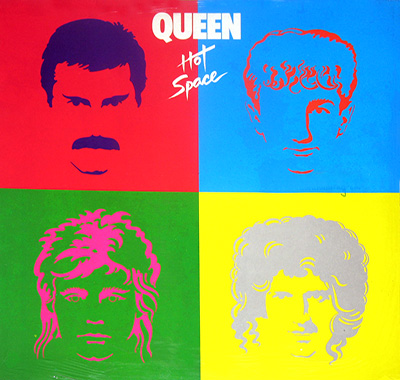
"Hot Space" stands out in Queen's discography for its departure from their signature rock sound. The album saw the band experiment with different musical styles, incorporating synthesizers, drum machines, and funk-inspired bass lines. This stylistic shift was met with mixed reactions at the time,
Hot Space 12" Vinyl LP
In the twilight of Freddie Mercury's life, Queen unleashed "Innuendo," a single that crackled with both defiance and melancholic beauty. Released in 1991, just months before Mercury's untimely death, the song served as a powerful reminder of the band's enduring spirit and their refusal to surrender to despair.
Innuendo 7" Vinyl Single
From the opening strains of "Mustapha," with its Middle Eastern-flavored chant, it was clear that Queen was not content to rest on their laurels. "Jazz" was a deliberate exploration of musical genres, a sonic kaleidoscope that defied easy categorization. The album careened from the rockabilly swagger of ....
Queen - Jazz (1978, France) QUEEN - Jazz (1978, Germany)
Released in 1986, "A Kind of Magic" stands as a testament to Queen's ability to craft captivating anthems and unforgettable melodies. The album was produced by Queen, along with the talented duo of Mack and David Richards. Together, they created a sonic landscape that embraced various musical styles
Kind of Magic 12" Vinyl LP
"A Ladder to the Stars" is a testament to Queen's restless spirit and their unwavering commitment to musical exploration. From the anthemic opener "We Will Rock You" to the operatic grandeur of "Bohemian Rhapsody," the album showcases the band's versatility and their willingness to take risks.
Ladder To The Stars 12" Vinyl LP
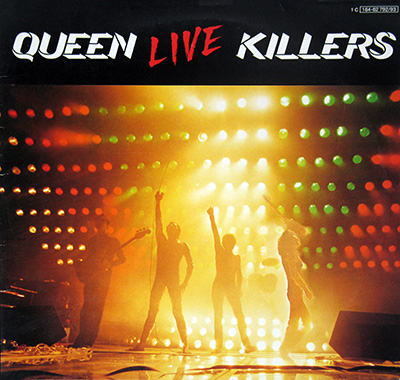
A band as bombastic, theatrical, and undeniably talented as Queen was always going to produce a live album that was either a glorious triumph or a spectacular flameout. "Live Killers" manages to be both, a testament to the band's ability to command a stage and a reminder that capturing lightning
Live Killers 12" Vinyl LP
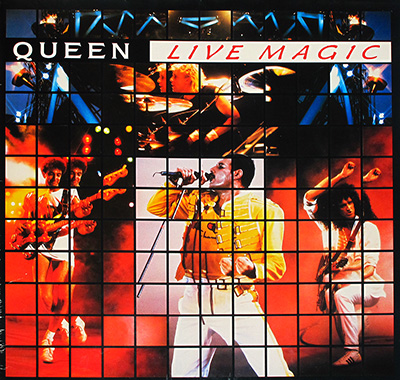
Recorded during Queen's legendary 'Magic Tour' in 1986, 'Live Magic' is a raw, unfiltered document of a band at the height of its powers. The album opens with the anthemic 'One Vision', Mercury's voice soaring over a wall of guitars, setting the tone for the rest of the album.
Live Magic 12" Vinyl LP
Parlophone 064-79 2357 , 1989 , EEC
Queen’s 1989 LP blends late-80s pop-rock gloss with the band’s trademark vocal power and guitar punch. Recorded between London and Montreux, the album shows a reunited band channeling urgency and optimism into polished production. Singles like “I Want It All” and “The Miracle” anchor the record’s modern sheen and emotional weight.
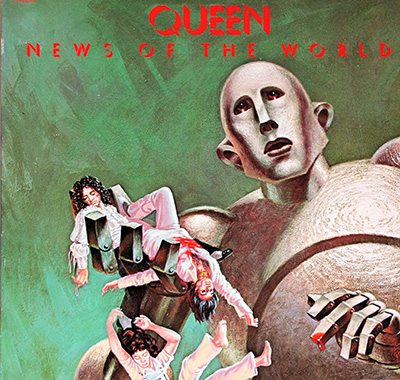
"News of the World" marked a crucial turning point in Queen's career. Released on 28 October 1977, the album represented a departure from their earlier progressive rock sound towards a more radio-friendly and anthemic style. It featured some of the band's most iconic tracks
In the swirling chaos of 1975, when glam rock was still stomping its platform boots on the stage and prog rock was indulging in its own labyrinthine complexities, Queen dropped "A Night at the Opera" like a velvet-draped anvil. This wasn't just another album, it was a statement of intent
Night at the Opera 12" Vinyl LP
"Play the Game," the A-side, arrived like a bolt from the blue. Gone were the operatic bombast and multi-tracked harmonies of yore. In their place, a leaner, synth-driven sound emerged, courtesy of producer Reinhold Mack and the state-of-the-art Musicland Studios in Munich.
Play The Game b/w Human Body 7" Vinyl Single
“Queen” is the debut album by English rock group Queen, released in July 1973. It was recorded at Trident Studios and De Lane Lea Music Centre, London, with production by Roy Thomas Baker (as Roy Baker), John Anthony, and Queen.
QUEEN - Self-Titled Debut Album 12" Vinyl LP
"Queen II" is a journey through diverse soundscapes. Brian May's songwriting talents shine on the opening tracks, with the instrumental "Procession" leading into the hard-hitting "Father to Son" and the catchy rock anthem "White Queen (As It Began)." "Some Day One Day" showcases May's melodic sensibilities.
Queen II 12" Vinyl LP
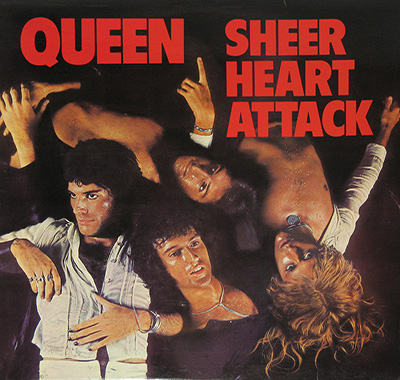
'Sheer Heart Attack' isn't just about bombast. It's also a record that revels in its own eccentricities. Roger Taylor's 'Tenement Funster' is a glam rock anthem with a punk sneer, a hint of the raw energy that would soon explode onto the scene. 'Flick of the Wrist' is a twisted cabaret number that drips with menace
Sheer Heart Attack 12" Vinyl LP
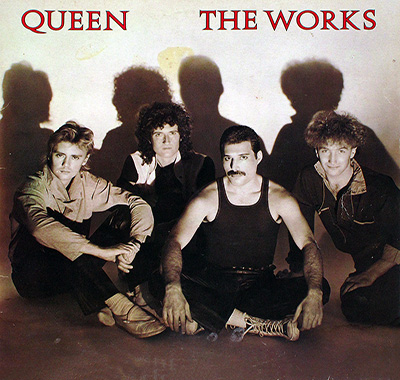
'The Works' was Queen's attempt to reclaim their rock 'n' roll crown, while still flirting with the shiny new toys of the 80s, like synthesizers and drum machines. A risky balancing act, for sure, and one that left some folks crying "sell-out!" louder than a televangelist at a revival meeting.
The Works 12" Vinyl LP
In the summer of 1981, two music titans crossed paths unexpectedly in Mountain Studios, Montreux, Switzerland. Queen, the British rock band known for their flamboyant style and theatrical performances, was recording their album "Hot Space." David Bowie, the enigmatic chameleon of rock
Under Pressure 12" Vinyl Maxi-Single
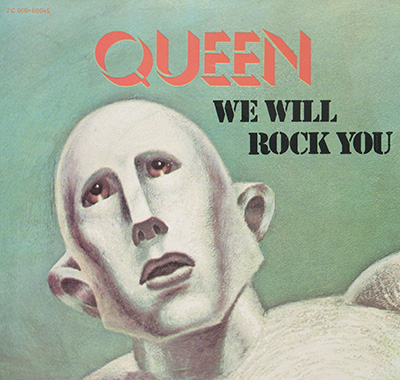
1977 was a year of upheaval in the music world. Punk's stripped-down sound and anti-establishment ethos were in direct opposition to the elaborate stage shows and complex arrangements favored by many established rock bands. Queen, with their flamboyant costumes and operatic vocals, seemed like prime targets
We Will Rock You b/w We Are THe Champions 7" Vinyl Single