"We Will Rock You" with a French Twist
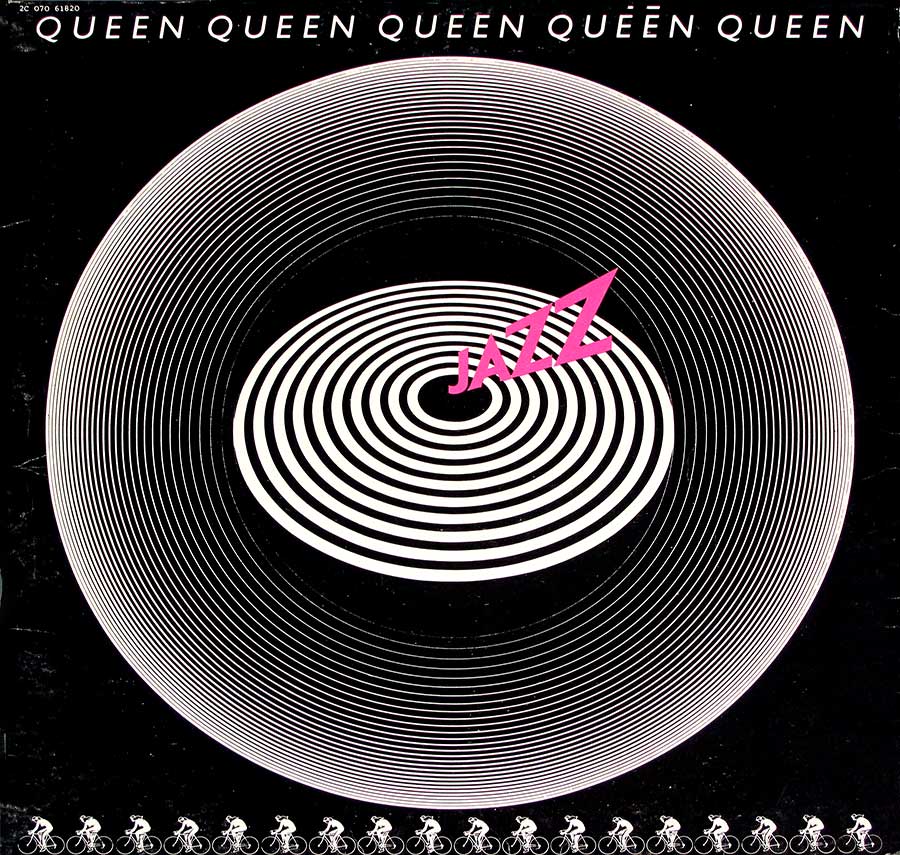
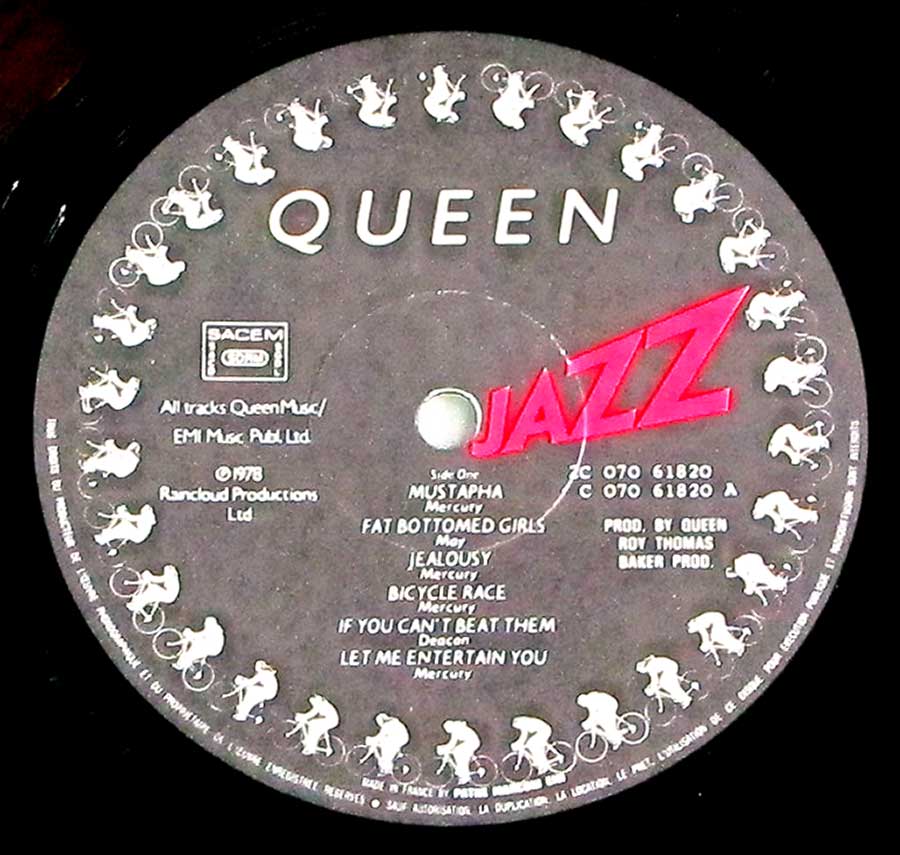
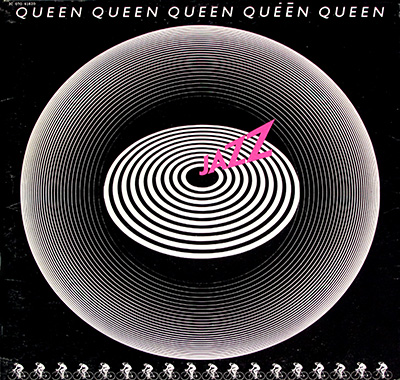
In the grand tapestry of rock and roll, 1978 was a year of both change and consolidation. Punk's initial shockwaves were giving way to New Wave's quirky evolution, while disco still reigned supreme in the clubs. Amidst this shifting landscape, Queen, the flamboyant quartet from England, unleashed their seventh studio album, "Jazz." A French release with a gatefold cover added a certain *je ne sais quoi* to an album already bursting with eclectic energy.
A Sonic Kaleidoscope
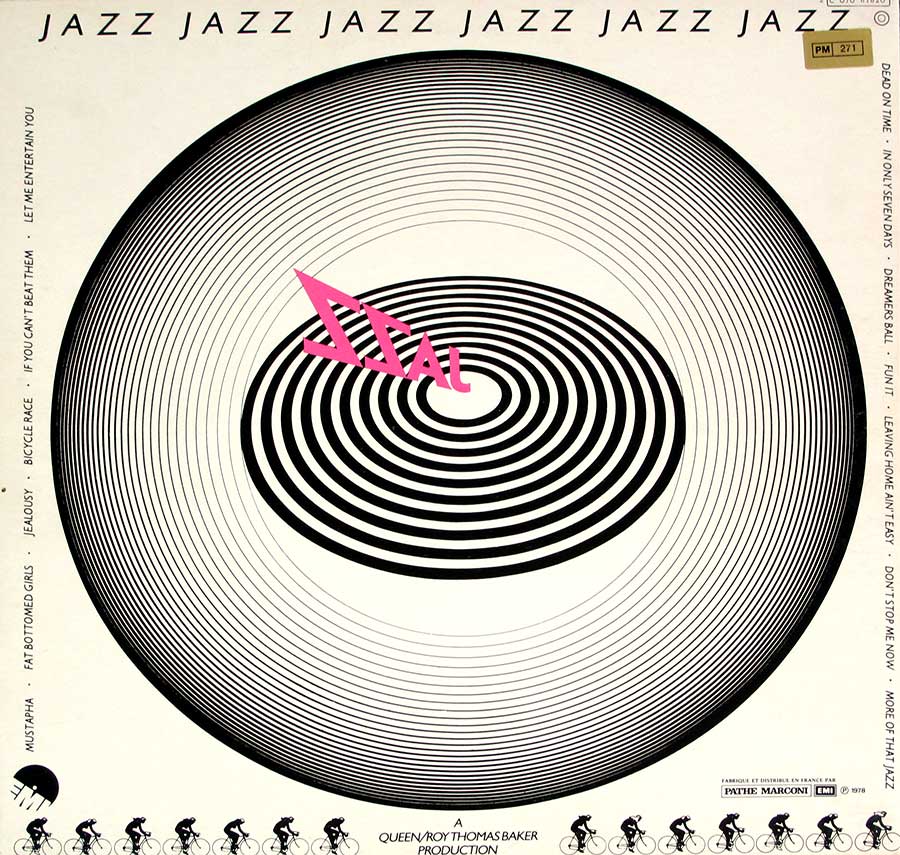
From the opening strains of "Mustapha," with its Middle Eastern-flavored chant, it was clear that Queen was not content to rest on their laurels. "Jazz" was a deliberate exploration of musical genres, a sonic kaleidoscope that defied easy categorization. The album careened from the rockabilly swagger of "Fat Bottomed Girls" to the vaudevillian romp of "Bicycle Race," with detours into funk, hard rock, and even a touch of prog.
Hit Singles and Fan Favorites : While the album as a whole received mixed reviews at the time, it has since garnered a cult following and is considered a hidden gem in Queen's discography. It spawned several hit singles, including the anthemic "Don't Stop Me Now" and the infectious "Bicycle Race," both showcasing Freddie Mercury's vocal prowess and the band's knack for crafting memorable melodies.
Controversy and Collaboration
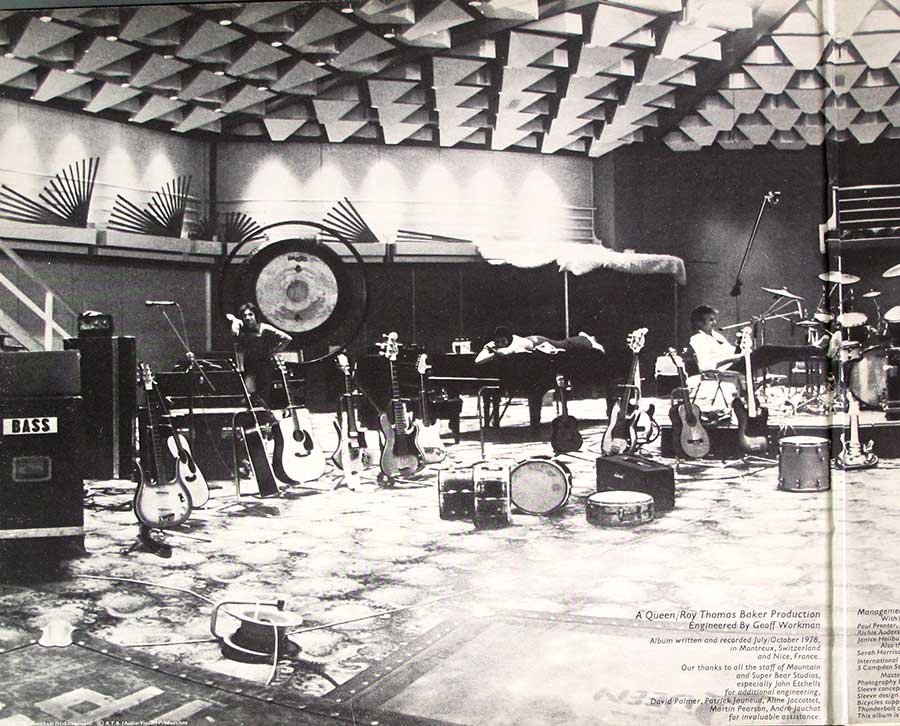
Behind the scenes, the band collaborated with producer Roy Thomas Baker and engineer Geoff Workman at Mountain Studios in Montreux, Switzerland. The album's production was polished and powerful, capturing the band's live energy while showcasing their studio prowess.
A Band at their Peak
"Jazz" showcased Queen at their peak, a band firing on all cylinders. Freddie Mercury's vocals were as powerful and expressive as ever, while Brian May's guitar work ranged from searing solos to delicate acoustic passages. John Deacon's bass lines anchored the rhythm section, and Roger Taylor's drumming was both dynamic and precise. The album's diverse sound also highlighted the band's individual songwriting talents, with each member contributing to the tracklist.
More Than Just a Collection of Songs
"Jazz" was more than just a collection of songs; it was a statement of artistic intent. Queen refused to be pigeonholed, embracing a wide range of musical influences and pushing the boundaries of rock and roll. The album's eclecticism may have initially confused some critics, but it ultimately solidified Queen's reputation as one of the most innovative and exciting bands of their era.
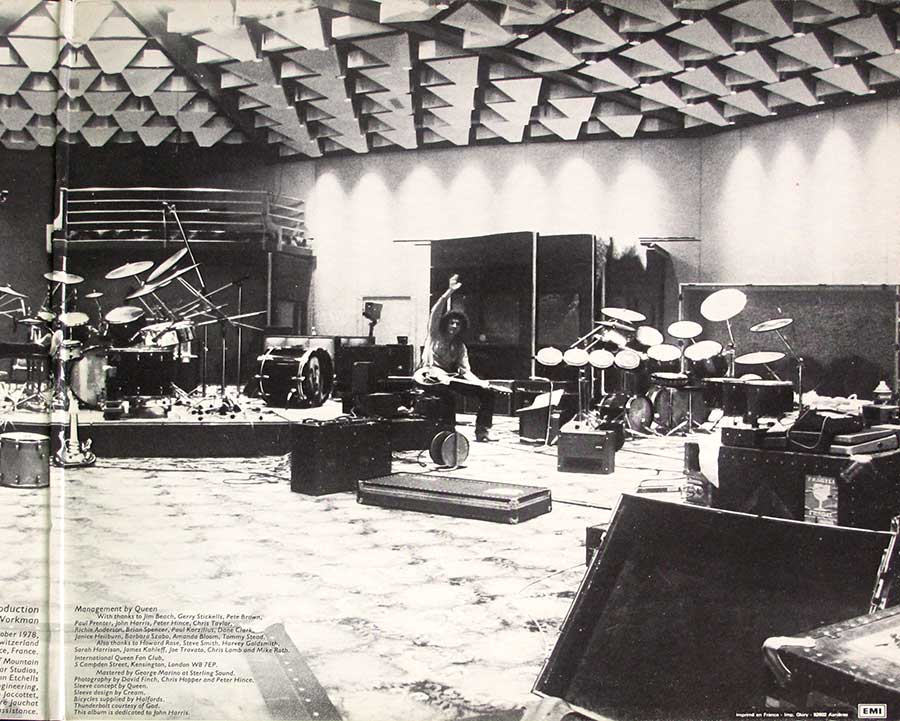
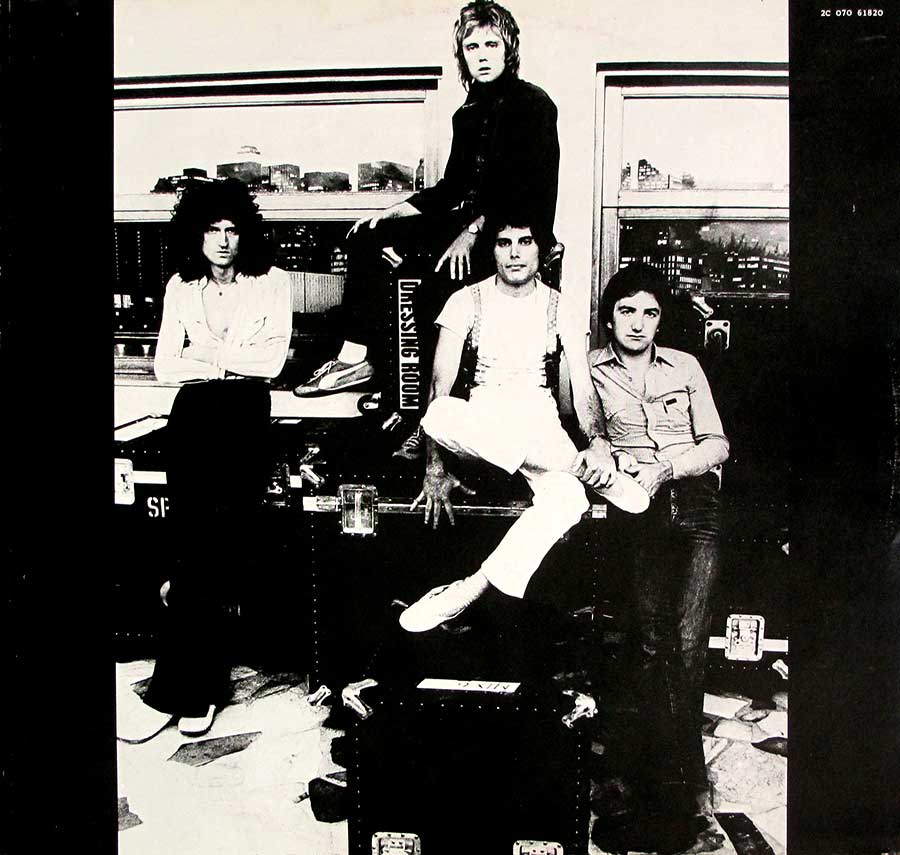
A Collector's Item : The French gatefold release of "Jazz" is particularly sought after by collectors for its unique cover art and packaging. The gatefold features additional photographs and artwork, adding to the album's visual appeal and making it a prized possession for Queen fans.