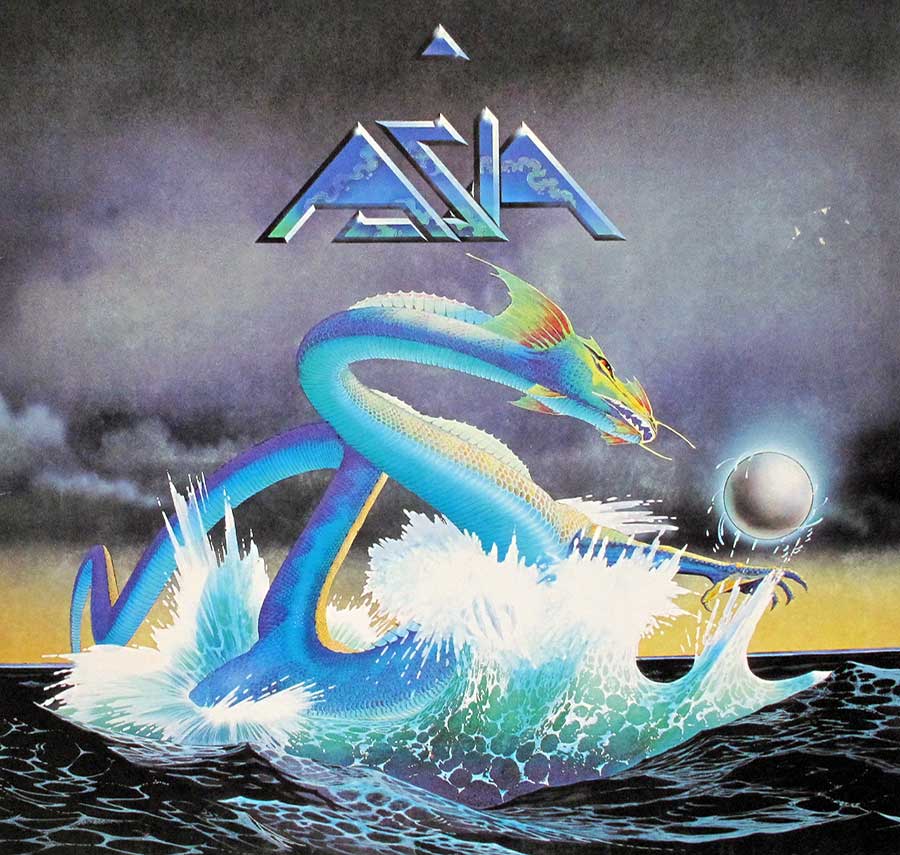
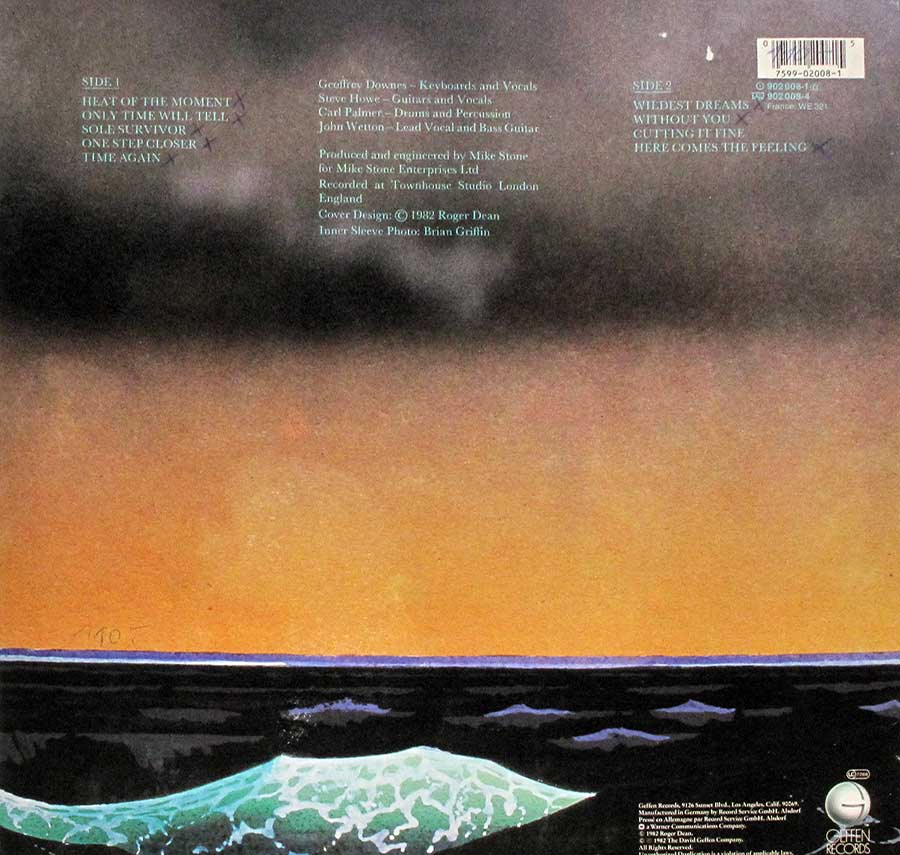
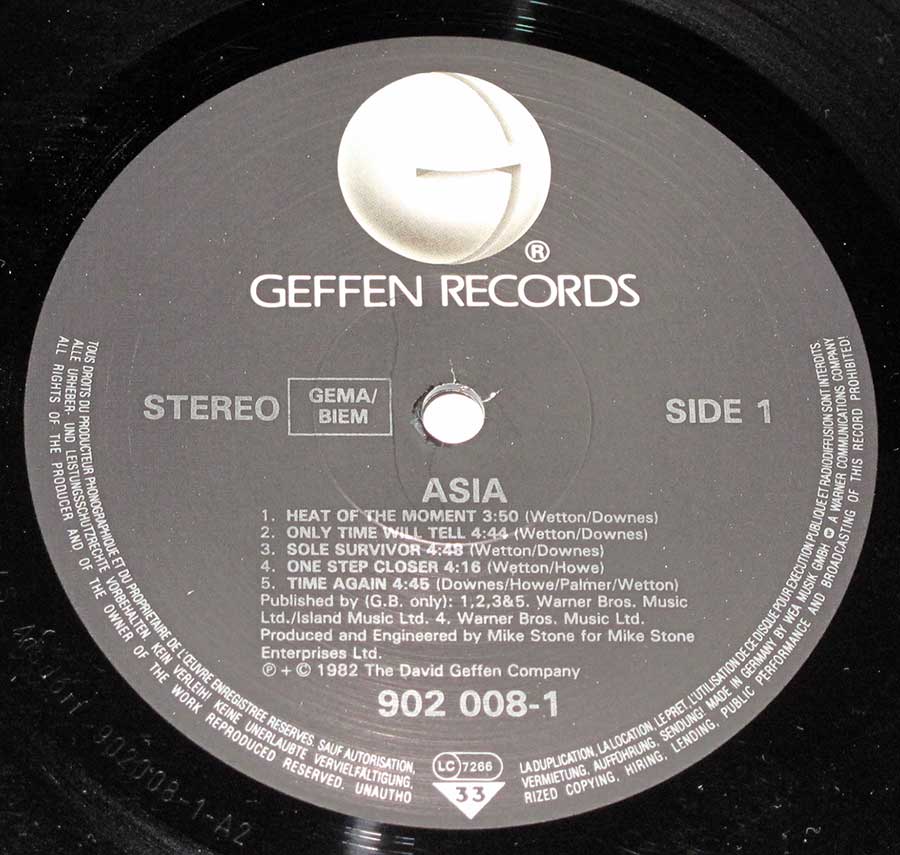
In the early 1980s, a seismic shift occurred in the rock landscape with the formation of Asia, a supergroup comprised of prog-rock veterans. This wasn't a mere side project; it was a calculated move to fuse progressive rock's intricate musicianship with the radio-friendly hooks of arena rock. Their self-titled debut album, released in 1982, became an instant sensation, a testament to the band's ability to bridge the gap between two seemingly disparate worlds.
Historical Context: A New Era for Progressive Rock
Asia emerged during a time when prog-rock's popularity had waned. Punk and new wave had swept in, leaving little room for the genre's often lengthy compositions and conceptual themes. Yet, Asia saw an opportunity. They stripped away some of prog's excesses, opting for tighter song structures and a more polished production style. This allowed them to tap into a wider audience, one that craved both musical complexity and accessibility.
Musical Exploration: A Fusion of Styles
The album is a masterclass in musical exploration. Songs like "Heat of the Moment" and "Only Time Will Tell" are stadium anthems, driven by infectious melodies and soaring vocals. Yet, tracks like "Wildest Dreams" and "Sole Survivor" delve into prog territory, showcasing intricate instrumental interplay and shifting time signatures. This fusion of styles was a gamble, but it paid off handsomely.
Music Genre: A New Sound is Born
Asia's music defied easy categorization. It wasn't quite prog, but it wasn't quite pop either. Some critics dubbed it "arena rock," while others saw it as a natural evolution of prog. Regardless of labels, the band had crafted a sound that was uniquely their own. They paved the way for a new generation of bands that blended progressive elements with a more commercial sensibility.
Controversies: A Backlash from Prog Purists
Asia's success wasn't without its detractors. Some prog-rock purists accused the band of selling out, of sacrificing artistic integrity for commercial gain. They felt that Asia had diluted the genre's essence, stripping it of its experimental edge. However, these criticisms did little to dampen the band's popularity. Their music resonated with a massive audience, proving that prog could still be relevant in a changing musical landscape.
Production Team and Recording Studio: A Collaborative Effort
The album was a collaborative effort, helmed by renowned producer Mike Stone, known for his work with Journey and Queen. The recording took place at Le Studio in Morin Heights, Quebec, a state-of-the-art facility that had hosted artists like Rush and The Police. Stone's meticulous approach and the studio's top-notch equipment ensured that the album's sound was both polished and powerful.