PINK FLOYD (DSOTM) Dark Side Of The Moon Italy FOC Gatefold LP VINYL

Few albums didn’t just succeed but rewired how people listened, and The Dark Side of the Moon is one of those rare seismic events: a 1973 breakthrough that turned Pink Floyd from cult heroes into global heavyweights and helped define what progressive rock could be when ambition met discipline. The sound feels immersive and human at the same time—heartbeat rhythms, floating synths, guitar lines that ache rather than shred. Tracks like Time, Money, and The Great Gig in the Sky still land with emotional weight, not nostalgia. Guided by Alan Parsons at Abbey Road, this record doesn’t age—it just waits patiently for the needle to drop.

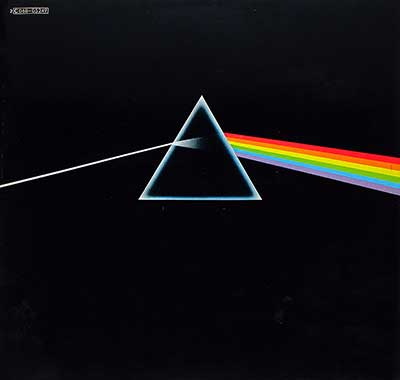
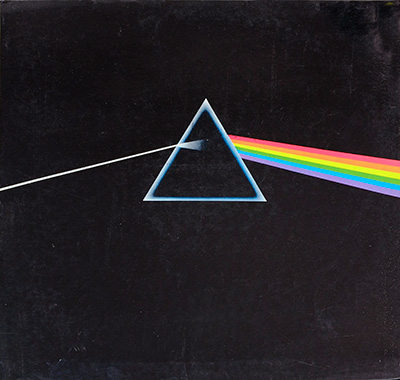
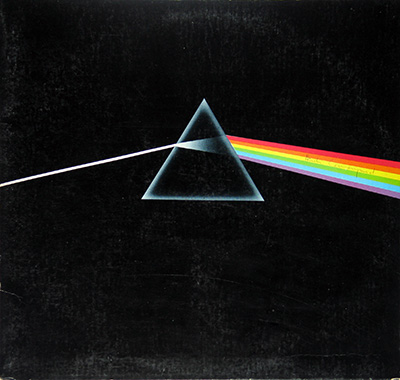
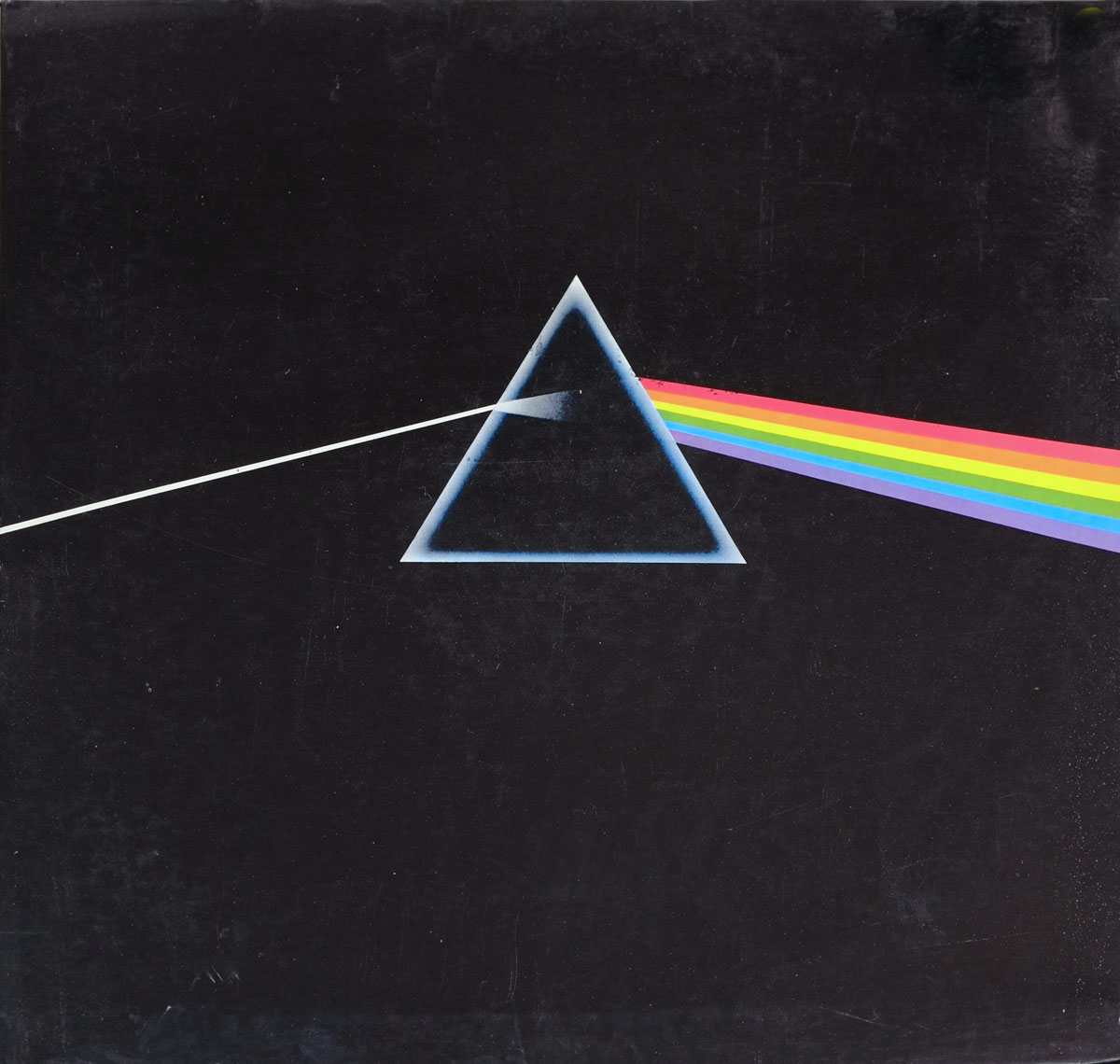
This cover, designed by the art collective Hipgnosis with input from the band, is notable for its minimalist aesthetic. There is an intentional absence of text—no band name, album title, or catalog number appears on the front, creating an enigmatic allure. This design choice focuses attention solely on the symbolic image of the prism and light, an abstraction often interpreted as representing clarity, transformation, and the complex facets of human experience.

"The Dark Side of the Moon" (1973) Album Description:

I can own a thousand records, but this one still feels like the moment the whole idea of a rock album got upgraded from “songs” to an experience. Pink Floyd’s "The Dark Side of the Moon" lands here as an Italian 1973 gatefold (FOC) Harvest pressing, and it’s basically the kind of record that makes you stop pretending you’re “just casually listening.”

1. Introduction on the band and the album

This is Pink Floyd at full cosmic focus: Roger Waters, David Gilmour, Richard Wright, and Nick Mason building a world where the music doesn’t just play, it surrounds. The page shows the familiar prism cover and the full track flow, and that’s the point: this isn’t a playlist, it’s a single long, intentional trip from “Speak to Me” to “Eclipse.”

2. Historical and cultural context

Releasing a progressive rock statement in 1973 meant aiming for something bigger than the three-minute single. The vibe of the era was “turn it up, turn it inward, and make the studio sound like another dimension,” and "The Dark Side of the Moon" fits that perfectly: polished, ambitious, and designed for people who actually sit down to listen.

3. How the band came to record this album

The production notes here are short but loaded: the album was recorded at Abbey Road Studios, produced by Pink Floyd, with Alan Parsons as sound/recording engineer. That combo screams one thing: they weren’t chasing “good enough,” they were chasing “what if sound could feel like architecture.”

4. The sound, songs, and musical direction

The album moves like a single organism: calm passages that suddenly snap into pressure, then melt into atmosphere again. “Time” hits like a cold mirror, “Money” swagger-walks in with that bite, and “The Great Gig in the Sky” doesn’t politely ask for feelings—it kicks the door in and lets them spill everywhere.

What I love is how the record balances precision with emotion: the rhythm stays tight, the spaces stay wide, and the mood keeps shifting without losing the thread. Even when it’s quiet, it feels loud in the brain.

5. Comparison to other albums in the same genre/year

Progressive rock in this era often chased complexity for its own ego, but Pink Floyd does something sneakier: it makes the complexity feel natural. Where some contemporaries flex with endless sections and heroic noodling, this album keeps its grip on melody and mood, and that’s why it still feels modern instead of museum-like.

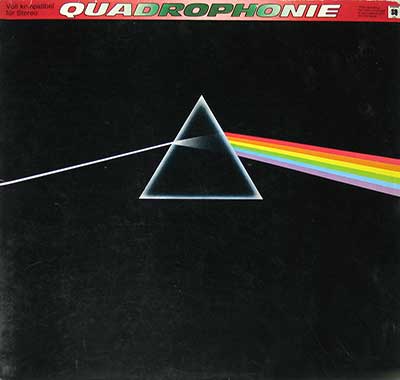
The page itself hints at the collector rabbit hole too: multiple country editions exist (France, Germany, USA, Japan, and more), including specialty versions like a quadrophonic release. This Italian gatefold sits in that same 1973 wave, not as a rewrite of the album, but as a different physical doorway into the same dark, beautiful room.

6. Controversies or public reactions

This page doesn’t frame the album around scandal, and honestly, it never needed any. The only real “controversy” these days is collectors arguing about pressings, label variations, and who swears they’ve found the “best” sounding copy—classic vinyl behavior, and yes, I’m guilty too.

7. Band dynamics and creative tensions

The lineup list tells the story without gossip: Waters, Gilmour, Wright, Mason—each bringing a different kind of gravity. You can hear the balance in the music: tight rhythm, spacious keyboards, voice-and-guitar moments that cut through, and lyrics that keep pulling the whole thing back to the human level.

8. Critical reception and legacy

The page calls it a pinnacle for the band, and that rings true in a grounded way: this is the record people point to when they want to explain why Pink Floyd became more than a rock group. It’s also the kind of album where the cover alone is instantly recognizable, like a cultural logo for “serious listening.”

9. Reflective closing paragraph

As an Italian 1973 gatefold Harvest copy, this one is a reminder that the same masterpiece can show up wearing different jackets—and I will absolutely keep checking the stitching, like the obsessed collector I am. Decades later, the grooves still feel like they’re storing electricity, and when the needle drops, the room gets quieter in that specific way that means: something important is about to happen.
Music Genre:

British Prog Rock 

Album Production Information:

The album: "PINK FLOYD (DSOTM) DARK SIDE OF THE MOON Italy" was produced by: Pink Floyd

Sound/Recording Engineer(s): Alan Parsons

  • Alan Parsons – Sound engineer, producer, musician

    Alan Parsons is my go-to “how does this record sound THAT good?” answer: the studio brain behind classic-era clarity, from Pink Floyd sessions to The Alan Parsons Project’s glossy sci-fi pop-rock.

    Alan Parsons is the guy I picture behind the glass when a record sounds ridiculously clean, wide, and expensive (in the best way). His first big “period” is the Abbey Road years, working as a tape operator and engineer across the late 1960s into the mid-1970s, right in the era when studios were basically science labs with guitars. In 1973 he engineered Pink Floyd’s "The Dark Side of the Moon", and that alone would’ve earned him a lifetime pass to the control room. Then he moved from “genius in the booth” to “name on the cover” as co-founder of The Alan Parsons Project, active from 1975 to 1990, where he blended pristine production with big melodies and concept-album vibes. From the 1990s onward he’s kept the music alive on stage with touring lineups commonly billed as The Alan Parsons Live Project, proving he’s not just a behind-the-scenes wizard but a musician who can carry the material in the real world too.

  • < !-- 2026-01-10T09:24:10+01:00 -->


    This album was recorded at: Abbey Road Studios London

    Album cover design: Hipgnosis, George Hardie

  • Hipgnosis – British album cover art design group

    Hipgnosis is my favorite proof that a record sleeve can be a full-on mind game, not just a band photo with better lighting.

    Hipgnosis is the legendary London-based art design group that turned rock sleeves into visual myths. The core duo, Storm Thorgerson and Aubrey "Po" Powell, were childhood friends of the Pink Floyd inner circle in Cambridge—a connection that allowed them to bypass the stiff mandates of EMI’s in-house design department in 1968. Their debut, "A Saucerful of Secrets," was only the second time in EMI history (after The Beatles) that an outside firm was granted creative control. The very name "Hipgnosis" was a piece of found art; Syd Barrett, during one of his more enigmatic phases, scrawled the word in ballpoint pen on the door of the South Kensington flat he shared with the duo. Thorgerson loved the linguistic friction of it: the "Hip" for the new and groovy, and "Gnosis" for the ancient, hidden knowledge. While Peter Christopherson later joined as a third partner in 1974, that initial Barrett-endorsed moniker defined a decade of surrealist mastery for bands like Led Zeppelin, Genesis, and 10cc, before the group dissolved in 1983.

  •  

    Record Label & Catalognr:

    Harvest 3c 064-05249 

    Media Format:

    12" LP Vinyl Stereo Gramophone Record
    Total Album (Cover+Record) weight: 280 gram 

    Year and Country:

    Release date: 1973

    Release country: Made in Italy

    Personnel/Band Members and Musicians on: PINK FLOYD (DSOTM) DARK SIDE OF THE MOON Italy
      Band-members, Musicians and Performers
    • Roger Waters - bass, vocals
    • Roger Waters – Bass, vocals, songwriter

      Roger Waters is the guy I blame (politely) when a Pink Floyd song stops being “spacey vibes” and starts staring straight through you with lyrics that feel like a courtroom cross-examination.

      Roger Waters is, to my ears, Pink Floyd’s razor-edged storyteller: bassist, singer, and the main lyric engine who pushed the band from psychedelic drift into big, human-scale themes. His key band period is Pink Floyd (1965–1985), where he became the dominant writer through the 1970s and early 1980s, before leaving and launching a long solo career (1984–present). After years of public tension, he briefly reunited with Pink Floyd for a one-off performance at Live 8 in London on 2 July 2005—basically the musical equivalent of spotting a comet: rare, bright, and gone again. Since the late 1990s he’s toured extensively under his own name, staging huge concept-driven shows that revisit Floyd classics like "The Dark Side of the Moon" (notably on the 2006–2008 tour) and "The Wall" (2010–2013), because apparently subtlety is not the point when you’ve got something to say.

    • Nick Mason - percusssion
    • Nick Mason – Drums, percussion

      Nick Mason is the steady heartbeat I always come back to in Pink Floyd: the only constant member since the band formed in 1965, quietly holding the whole weird universe together while the rest of the planet argues about everything else.

      Nick Mason is Pink Floyd’s drummer, co-founder, and the one guy who never clocked out: his main performing period with Pink Floyd runs from 1965 to the present, and he’s the only member to appear across every Pink Floyd album. Outside the mothership, he’s had a very “I’m not done yet” second act: in 2018 he formed Nick Mason’s Saucerful of Secrets (2018–present) to bring the band’s early psychedelic years back to the stage. He’s also stepped out under his own name with projects like the solo album "Nick Mason’s Fictitious Sports" (released 1981), which is basically him taking a left turn into jazz-rock just to prove he can. And yes, he was part of that blink-and-you-miss-it full-band moment at Live 8 in London in 2005, when the classic lineup briefly reunited and reminded everyone why this band still haunts people.

    • Dave Gilmour - Guitar, vocals
    • David Gilmour – Guitar, vocals

      David Gilmour is the voice-and-fingers combo I hear whenever Pink Floyd turns from “spacey” into straight-up cinematic: he joined in 1967 and basically helped define what “guitar tone with emotions” even means.

      David Gilmour is, for me, the calm center of Pink Floyd’s storm: an English guitarist, singer, and songwriter whose playing can feel gentle and devastating in the same bar. His earliest band period worth name-dropping is Jokers Wild (1964–1967), before he stepped into Pink Floyd in 1967 as Syd Barrett’s situation unraveled. From there his main performing era is Pink Floyd (1967–1995), including the post-Roger Waters years where the band continued under his leadership and released "A Momentary Lapse of Reason" (1987) and "The Division Bell" (1994), with a later studio coda in "The Endless River" (2014). Outside Floyd, he’s had a long solo run (1978–present) with albums ranging from "David Gilmour" (1978) to "Luck and Strange" (2024), and he even did a sharp side-quest in 1985 with Pete Townshend’s short-lived supergroup Deep End. And for one historic night, the classic lineup reunited at Live 8 in Hyde Park, London on 2 July 2005—one of those “you had to be there (or at least press play)” moments.

    • Richard Wright - keyboards, vocals
    • Richard Wright – Keyboards, vocals

      Richard Wright is the secret atmosphere machine in Pink Floyd: the guy who can make one chord feel like a whole weather system, and then casually add a vocal harmony that makes it hit even harder.

      Richard Wright (born Richard William Wright) is, for me, the understated genius of Pink Floyd: co-founder, keyboardist, and occasional lead vocalist whose textures are basically baked into the band’s DNA. His main performing period with Pink Floyd runs from 1965 to 1981 (including the early albums through the massive arena years), then he returned as a full member again from 1987 to 1994 for the later era tours and albums. In between those chapters, he didn’t just vanish into a fog machine: he released a solo album, "Wet Dream" (1978), and later "Broken China" (1996), and he also had a proper side-project moment with Zee (1983–1984), which produced the album "Identity" (1984). He passed away in 2008, but his playing still feels like the part of Pink Floyd that makes the air shimmer.

    • Guest performers:
    • Dick Parry
    • Dick Parry – Saxophone, session musician

      Dick Parry is the reason “Money” and “Us and Them” don’t just groove… they glow. He’s that classy, human burst of sax that turns Pink Floyd’s big cosmic machine into something that breathes.

      Dick Parry (real name: Richard Parry) is an English saxophonist and lifelong “secret weapon” in the Pink Floyd universe. His main performing timeline starts with his early career in the Cambridge scene (he began with The Soul Committee in the mid-1960s), and then the famous chapter: Pink Floyd brought him in for landmark studio moments, including the sax parts on "Money" and "Us and Them" on "The Dark Side of the Moon" (1973), plus "Shine On You Crazy Diamond" on "Wish You Were Here" (1975). Live-wise, he wasn’t a one-night cameo either: he played in Pink Floyd’s live shows between 1973 and 1977, returned for the 1994 world tour, and even added keyboards on parts of the 1977 "In the Flesh" tour. Outside Floyd-land, he also toured as part of The Who’s brass section on their 1979–1980 tours, because apparently he collects legendary bands the way I collect pressings.

    • Doris Troy
    • Leslie Duncan
    • Liza Strike
    • Barry St John
    • Clare Torry
    Complete Track-listing of the album "PINK FLOYD (DSOTM) DARK SIDE OF THE MOON Italy"

    The detailed tracklist of this record "PINK FLOYD (DSOTM) DARK SIDE OF THE MOON Italy" is:

      Track-listing Side One:
    1. Speak To Me
    2. Breathe
    3. On the Run
    4. Time
    5. The Great Gig in the Sky
      Track-listing Side Two:
    1. Money
    2. US and Them
    3. Any Colour You Like
    4. Brain Damage
    5. Eclipse
     
    This cover, designed by the art collective Hipgnosis with input from the band, is notable for its minimalist aesthetic. There is an intentional absence of text—no band name, album title, or catalog number appears on the front, creating an enigmatic allure. This design choice focuses attention solely on the symbolic image of the prism and light, an abstraction often interpreted as representing clarity, transformation, and the complex facets of human experience.

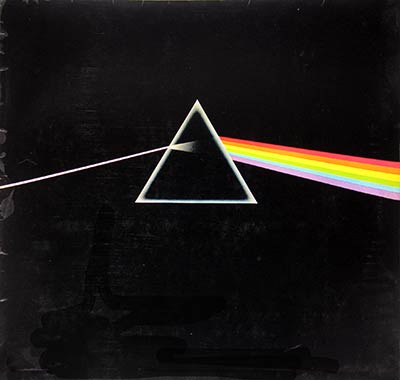
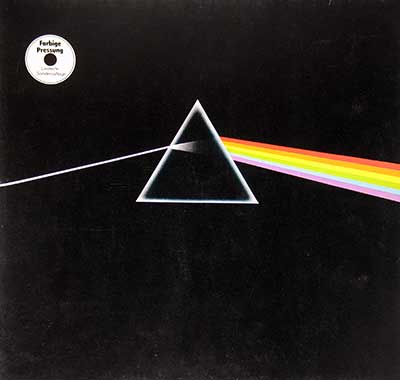
    The iconic front cover of The Dark Side of the Moon, an album by Pink Floyd, originally released in 1973. The design features a simple yet profound illustration set against a stark black background. At the center, a thin beam of white light enters from the left, striking a minimalist triangular prism. As the light passes through the prism, it disperses into a vivid spectrum of colors—red, orange, yellow, green, blue, and purple—emerging to the right in a vibrant, horizontal rainbow. The black background emphasizes the colors and shapes, giving the cover a sense of mystery and depth.

    This cover, designed by the art collective Hipgnosis with input from the band, is notable for its minimalist aesthetic. There is an intentional absence of text—no band name, album title, or catalog number appears on the front, creating an enigmatic allure. This design choice focuses attention solely on the symbolic image of the prism and light, an abstraction often interpreted as representing clarity, transformation, and the complex facets of human experience.

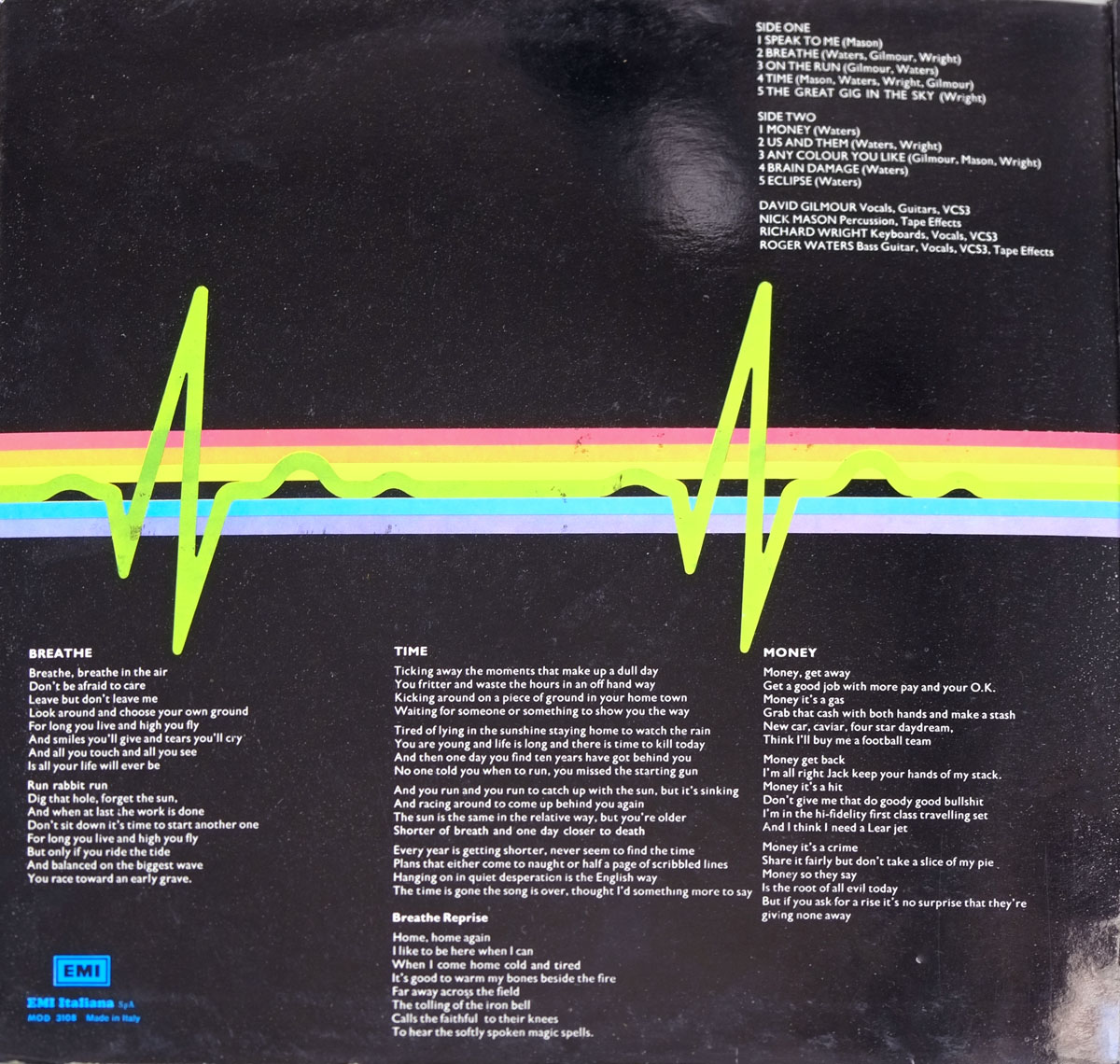
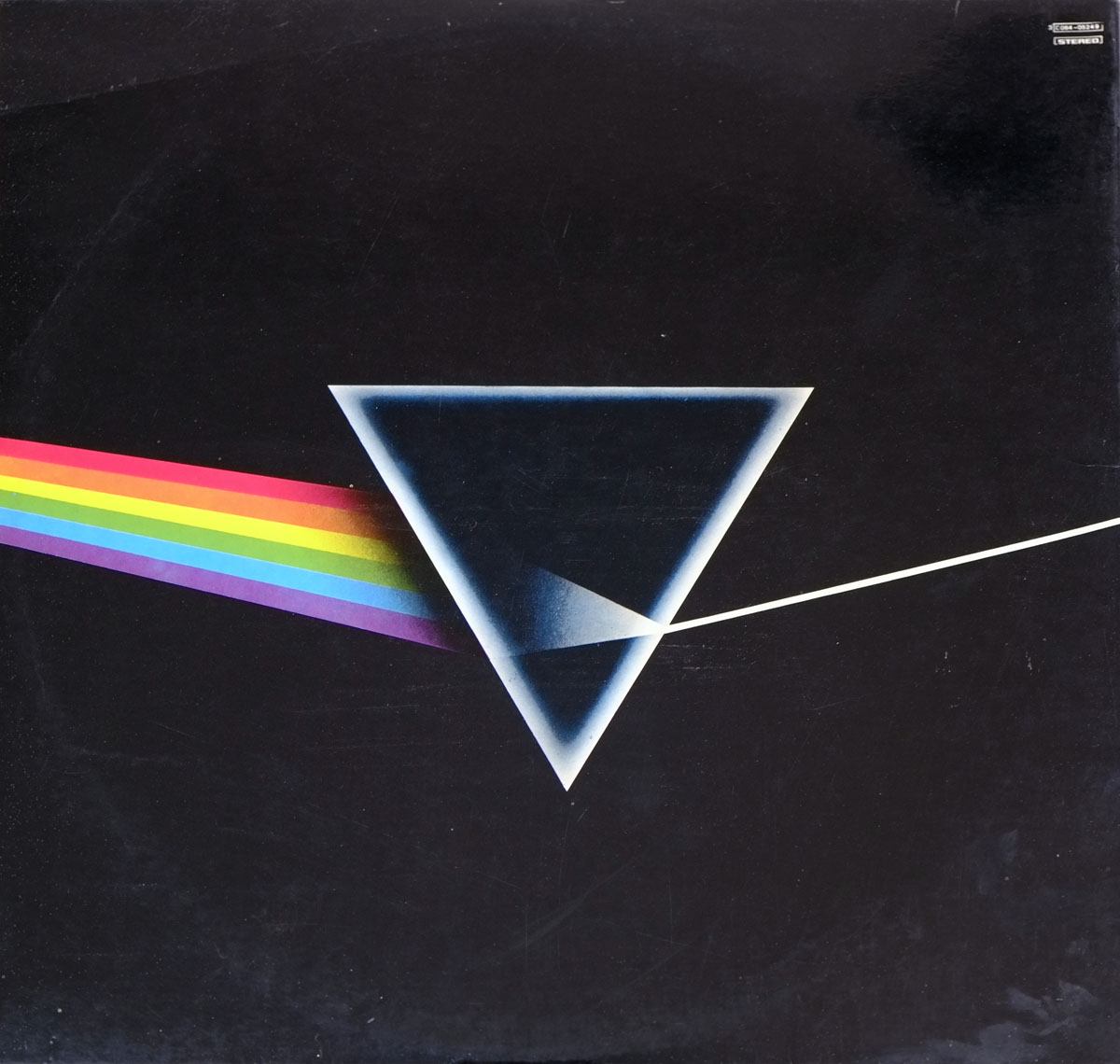
    Album Back Cover  Photo of "PINK FLOYD (DSOTM) DARK SIDE OF THE MOON Italy"
     
    High Resolution Photo #2 PINK FLOYD Dark Side Moon Italy  
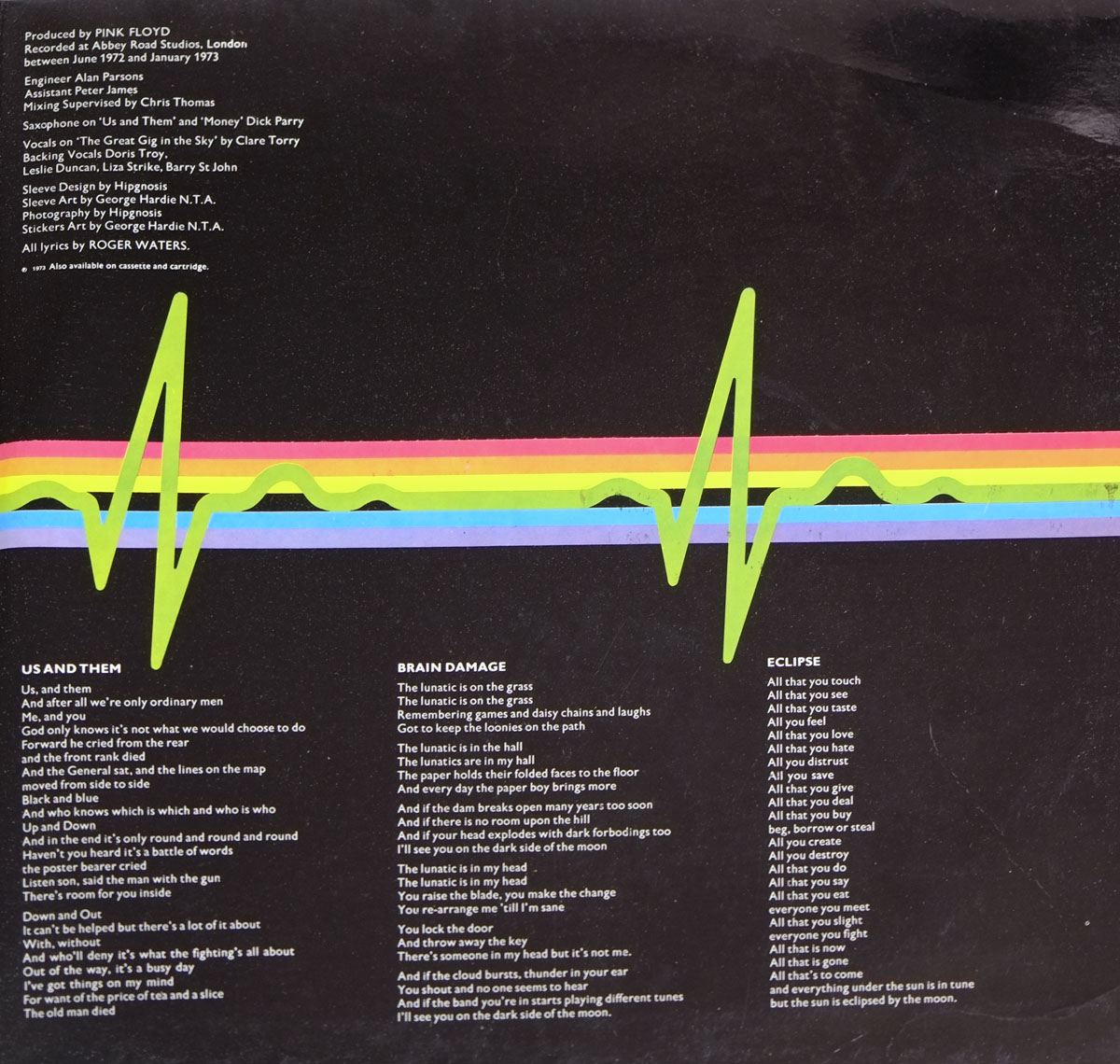
    Inner Sleeve   of "PINK FLOYD (DSOTM) DARK SIDE OF THE MOON Italy" Album
     
    High Resolution Photo #3 PINK FLOYD Dark Side Moon Italy  
    Photo of "PINK FLOYD (DSOTM) DARK SIDE OF THE MOON Italy" Album's Inner Sleeve  
     
    High Resolution Photo #4 PINK FLOYD Dark Side Moon Italy  
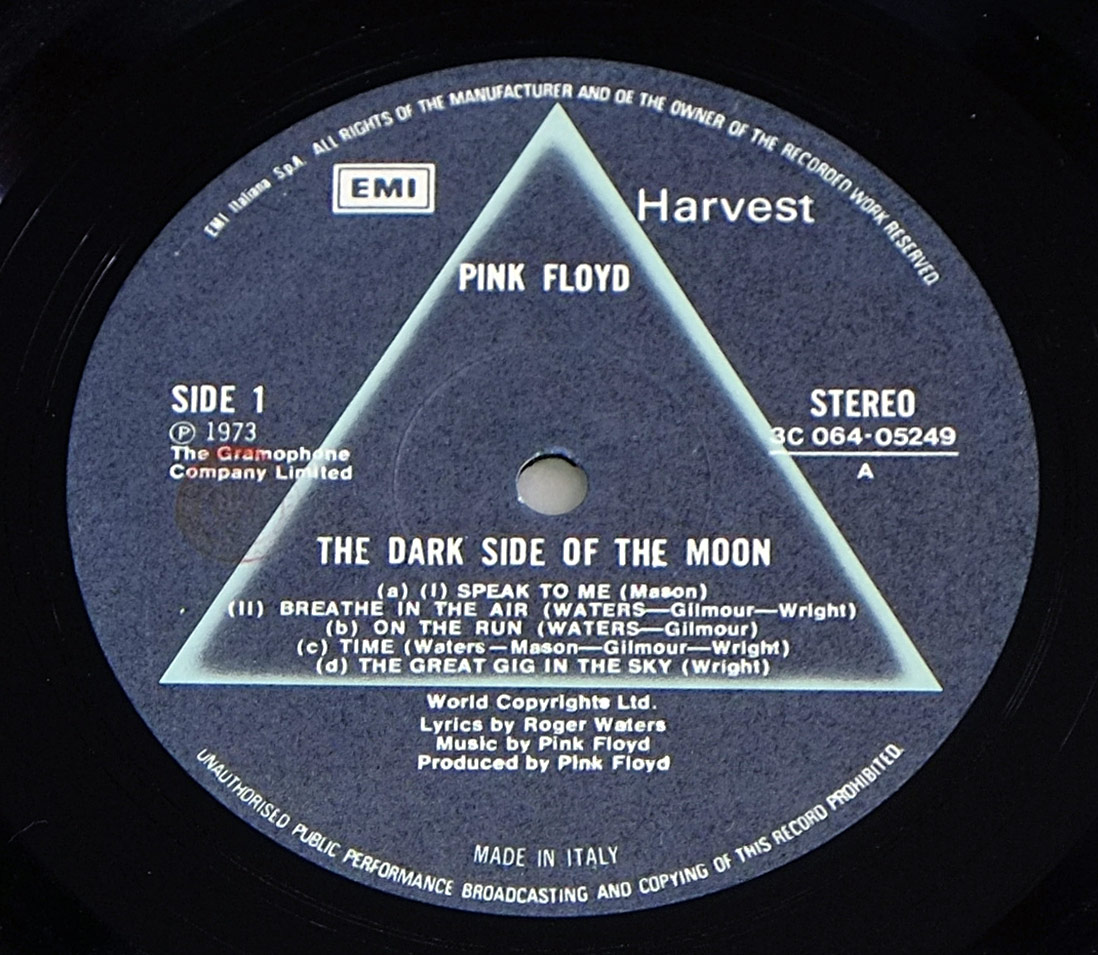
    Photo of "PINK FLOYD (DSOTM) DARK SIDE OF THE MOON Italy" 12" LP Record Label - Side One:
     
    ‘Record label for an Italian pressing of Pink Floyd’s The Dark Side of the Moon, featuring a grey-blue background with a faint prism design. The label displays “Pink Floyd” and “The Dark Side of the Moon” at the center, with Side 1 track titles listed, including “Speak to Me,” “Breathe in the Air,” “On the Run,” “Time,” and “The Great Gig in the Sky.” The right side shows “Stereo” and catalogue number “3C 064-05249.” Copyright information and “Made in Italy” appear at the bottom.’

    Label from an Italian pressing of Pink Floyd’s The Dark Side of the Moon, released by EMI and Harvest. The label features a greyish-blue background with a faint prism design, echoing the album’s iconic cover. Text at the top includes ‘Pink Floyd’ and ‘The Dark Side of the Moon,’ centered around the prism image, with ‘Side 1’ noted on the left. The label lists track titles for Side 1, including ‘(a) (I) Speak to Me,’ ‘(II) Breathe in the Air,’ ‘(b) On the Run,’ ‘(c) Time,’ and ‘(d) The Great Gig in the Sky,’ with songwriter credits in parentheses. On the right side, ‘Stereo’ and catalogue number ‘3C 064-05249’ are displayed. The production details include ‘P 1973 The Gramophone Company Limited,’ and along the bottom edge, a copyright notice prohibits unauthorized public performance, broadcasting, and copying. ‘Made in Italy’ appears at the bottom, marking this as an Italian release. The use of the prism design on the label reflects the album’s thematic continuity and visual impact.

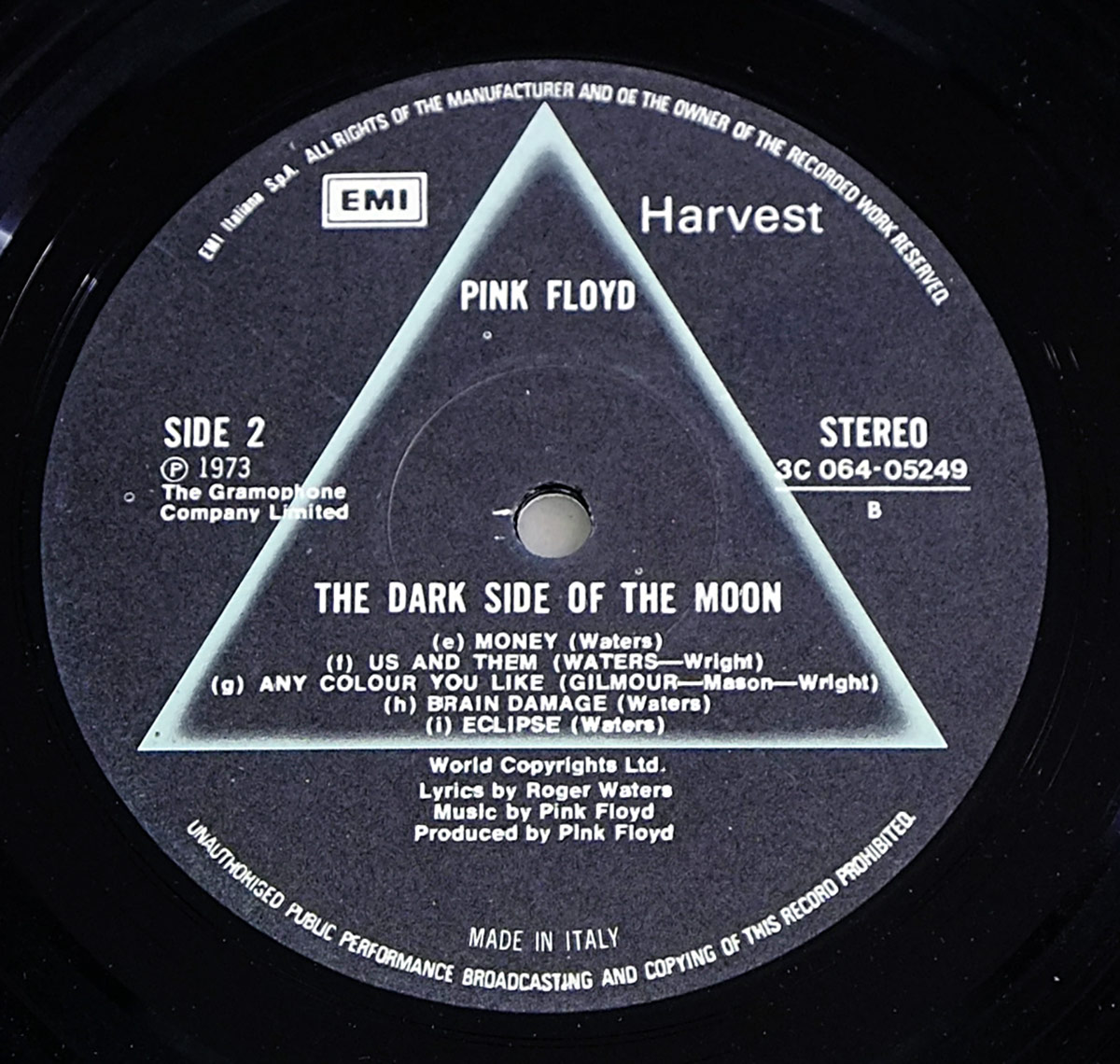
    Photo of "PINK FLOYD (DSOTM) DARK SIDE OF THE MOON Italy" 12" LP Record Label - Side Two:
     
    High Resolution Photo #6 PINK FLOYD Dark Side Moon Italy  

     Note: The images on this page are photos of the actual album. Slight differences in color may exist due to the use of the camera's flash. Images can be zoomed in/out ( eg pinch with your fingers on a tablet or smartphone ).


    PINK FLOYD - Dark Side of the Moon (Index Page)

    PINK FLOYD - Dark Side of the Moon France 12" LP

    Thumbnail of PINK FLOYD Dark Side of the Moon France album front cover

    EMI 2C 068-05.249   , 1973 , Made in France

    The French release LP of Pink Floyd's 'Dark Side of the Moon' is unique for its distinct artwork featuring a prism and the inclusion of an additional track, "Eclipse." It had a significant impact on music culture, cementing Pink Floyd's reputation as an innovative and experimental band.

    DSOTM French Release Details

    PINK FLOYD - Dark Side of the Moon First Release 12" LP

    Thumbnail of PINK FLOYD Dark Side of the Moon First Release album front cover

    EMI Harvest 1C 062-05 249 , 1973 , Made in Germany

    This German 1st release LP of Pink Floyd's "The Dark Side of the Moon" is a significant piece of music history. The album's success in Germany helped solidify Pink Floyd's status as one of the most influential bands of all time.

    DSOTM 1st German Release Details

    PINK FLOYD - The Dark Side Of The Moon Quadraphonic 12" LP

    EMI 1C 062-05 249 Q Quadrophonie , 1973 , Germany

    The quadrophonic LP album of Pink Floyd's "The Dark Side of the Moon" was released in Germany in 1973, showcasing the potential for new listening experiences and Pink Floyd's experimentation with sound. Its unique mix and quadraphonic sound technology make it a valuable collector's item.

    DSOTM Quadrophonic Release Details

    PINK FLOYD - Dark Side Of The Moon White Vinyl 12" LP

    Thumbnail of PINK FLOYD - Dark Side Of The Moon White Vinyl album front cover

    EMI Harvest 1C 064-05 249 , 1977 , Germany

    The white vinyl LP German release of "The Dark Side of the Moon" by Pink Floyd is a valuable and sought-after collector's item. The white vinyl LP added a unique aesthetic to the iconic album, and its rarity has made it a valuable addition to any Pink Floyd collection.

    DSOTM White Vinyl LP Release Details

    PINK FLOYD - Dark Side Of The Moon Italy 12" LP

    Thumbnail of PINK FLOYD - Dark Side Of The Moon Italy album front cover

    Harvest 3c 064-05249  , 1973 , Made in Italy

    The Italian LP release of Pink Floyd's "Dark Side of the Moon" in 1973 featured a unique cover art, label design. The value of the Italian LP release varies depending on its condition and rarity. Mint condition copies can sell for several hundred dollars

    DSOTM Italian Release Details

    Pink Floyd - Dark Side of the Moon Japan 12" LP

    Thumbnail of Pink Floyd Dark Side of the Moon Japan album front cover

    Toshiba-EMI EMS-80324 , 1973 , Japan

    The Japanese release of Pink Floyd's "Dark Side of the Moon" on the Toshiba LP is a unique and significant release in the history of the album. It featured a different cover, gatefold sleeve, lyrics and liner notes in both Japanese and English, a unique poster, and superior sound quality.

    DSOTM Japanese Release Details

    PINK FLOYD - Dark Side of the Moon MFSL Japan 12" LP

    Thumbnail of PINK FLOYD - Dark Side of the Moon MFSL Japan 
 album front cover

    MFSL 1-1017 , 1973 , Made in Japan

    The MFSL Japan LP edition of "The Dark Side of the Moon" is highly valued by collectors and audiophiles. The LP was pressed on high-quality virgin vinyl and features a unique mastering process that enhances the sound quality of the original recording. The LP also comes with a custom-designed sleeve and a fold-out poster of the album's iconic cover art.

    DSOTM Japanese MFSL Release Details

    PINK FLOYD - Dark Side Of The Moon Swiss Limited Edition 12" LP

    Thumbnail of PINK FLOYD - Dark Side Of The Moon Swiss Limited Edition album front cover

    EMI F 667 332 , 1973 , Switzerland

    The Swiss limited edition LP release of Pink Floyd's "Dark Side of the Moon" is a unique version of the classic album, featuring a bonus track and special features. Its innovative production and timeless themes have made it a cultural phenomenon and classic work of art.

    DSOTM Swiss Limited Edition Release Details

    PINK FLOYD - Dark Side Of The Moon USA 12" LP

    Thumbnail of PINK FLOYD - Dark Side Of The Moon USA album front cover

    Harvest SMAS-11163 The Gramophone Company Ltd , 1973 , USA

    Pink Floyd's 1973 USA release of "Dark Side of the Moon" is an iconic album that has left an indelible mark on the history of music. The album has been recognized as one of the greatest albums of all time, selling over 15 million copies in the United States alone.

    DSOTM USA Release Details

    PINK FLOYD - Dark Side of the Moon MFSL GOLD Ultradisc II

    Thumbnail of PINK FLOYD . Dark Side of the Moon MFSL GOLD Ultradisc II album front cover

    UDCD 517 , - , USA

      This is the enhanced USA version of DSOTM, produced with the Ultradisc II process (not the Japanese Ultradisc). The MFSL GOLD Ultradisc II edition of Pink Floyd's "Dark Side of the Moon" is a highly sought-after version among audiophiles and music enthusiasts. Its gold disc and Ultradisc II pressing process result in a clean and accurate sound reproduction.

    DSOTM MFSL Gold Ultradisc Release Details
    PINK FLOYD Main Index