Pink Floyd Collector's Info:
Pink Floyd didn’t arrive like a polite band with a mission statement. They sort of leaked out of London in the mid-60s, into clubs where the air was thick and the songs weren’t really “songs” yet—more like ideas being stress-tested at volume. You can call it “experimental” if you want. I call it: stubborn people refusing to play nice.
By the early 70s, they’d learned how to turn that chaos into something you could actually take home. And that’s where "The Dark Side of the Moon" hits: not as a history lesson, but as a physical object that somehow feels heavier than its own vinyl. The themes—time, money, pressure, the brain doing weird laps at 3 a.m.—aren’t presented like a manifesto. They just sit there, staring back.
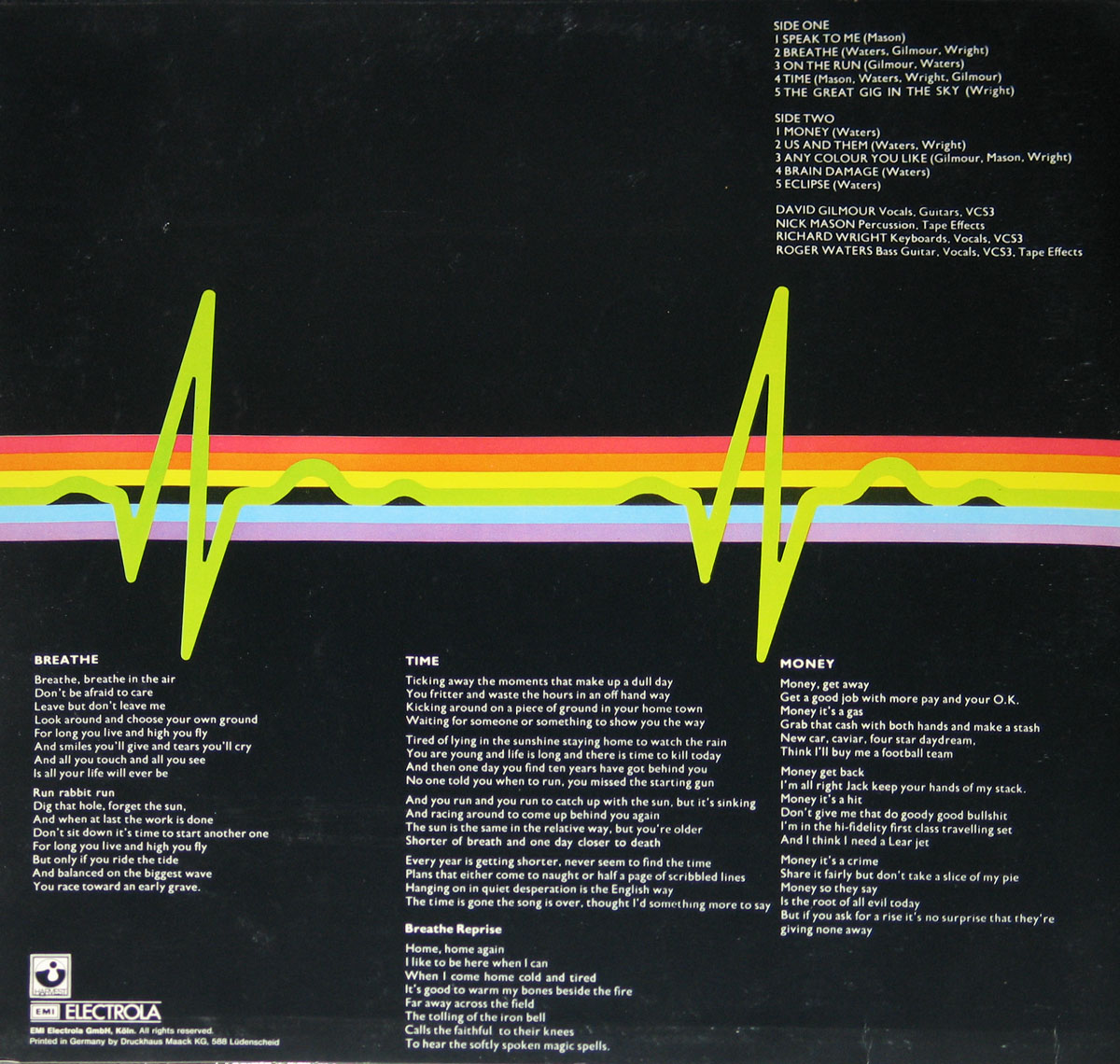
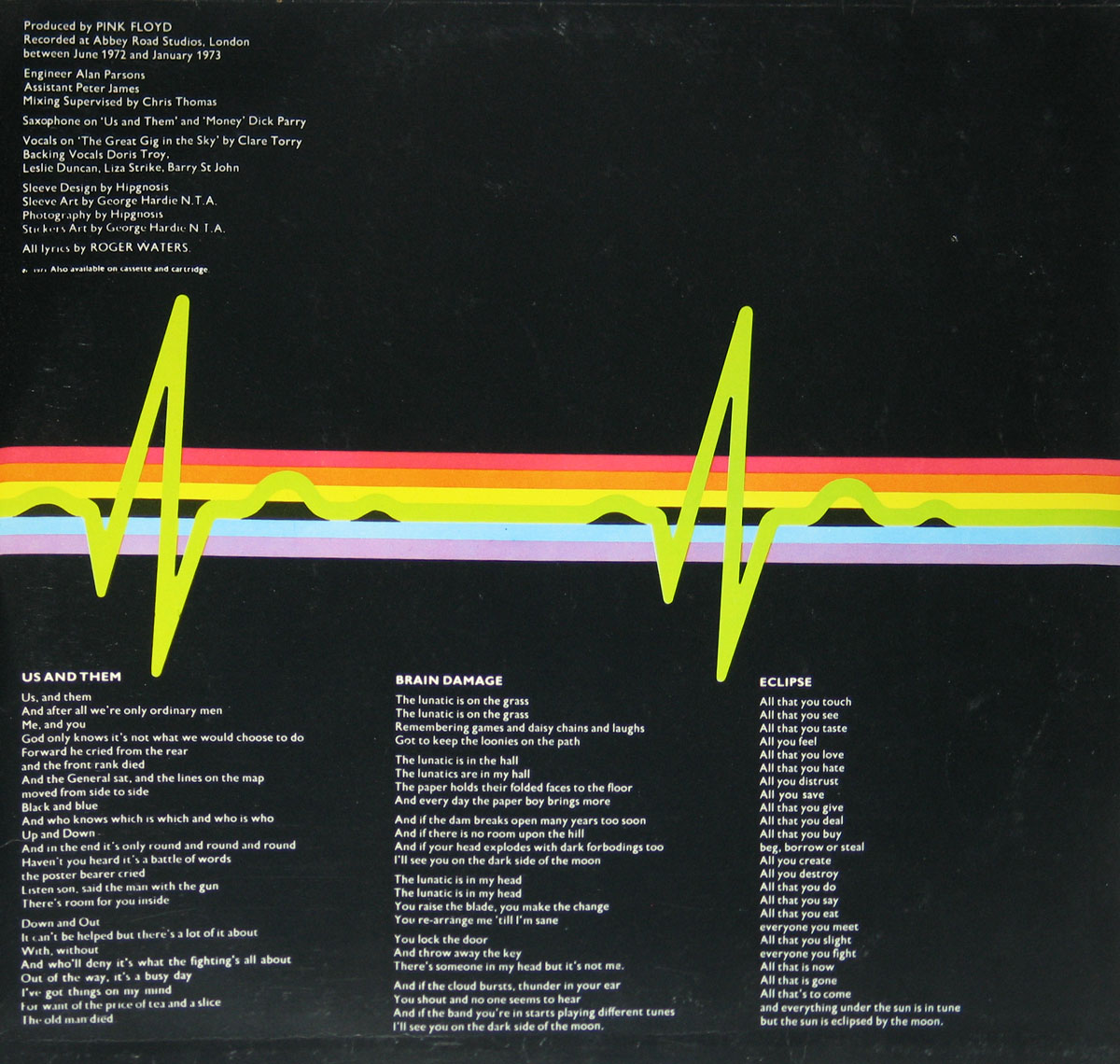
The record was cut into shape at EMI Studios in London (Abbey Road, if you prefer the famous name), across sessions running from late May 1972 into early February 1973. Pink Floyd took the producer credit themselves, and Alan Parsons—often miscast as “producer” in lazy retellings—was there in the trenches as the engineer, helping capture the thing clean enough to sound unreal. That’s the trick: it’s pristine, but it doesn’t feel sterile.
People always rattle off “Money,” “Time,” “Us and Them.” Sure. But what sticks is the way the album moves—like it’s pulling you by the sleeve toward the next track whether you’re ready or not. I’ve watched more than one person pretend they’re not affected by it. The needle disagrees.
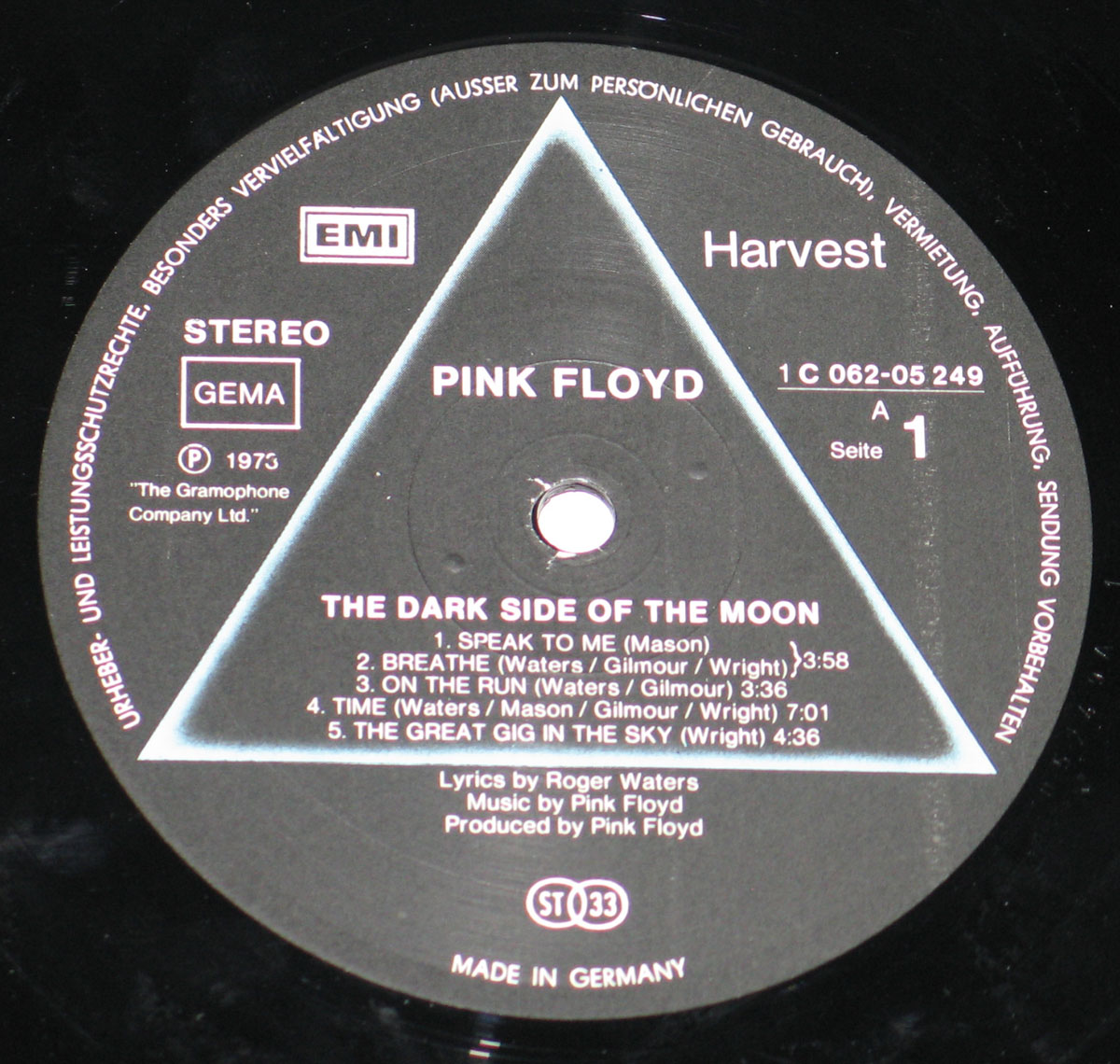
The German 1st Release LP:
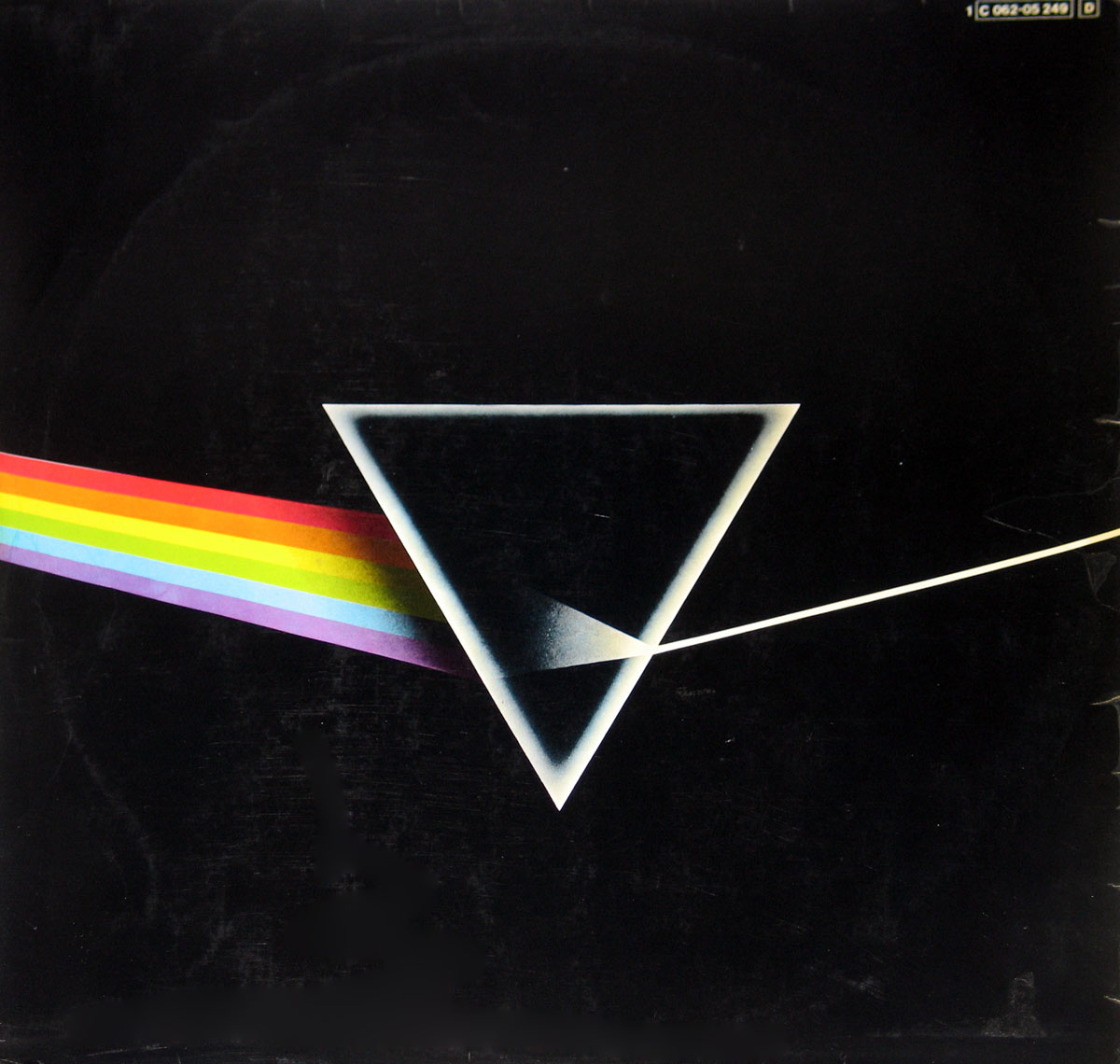
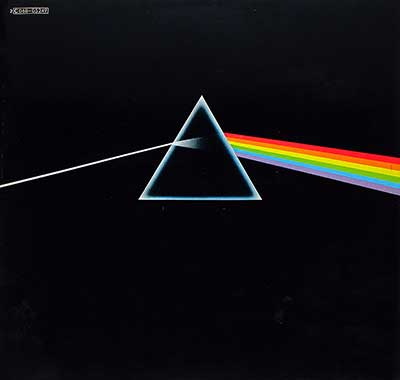
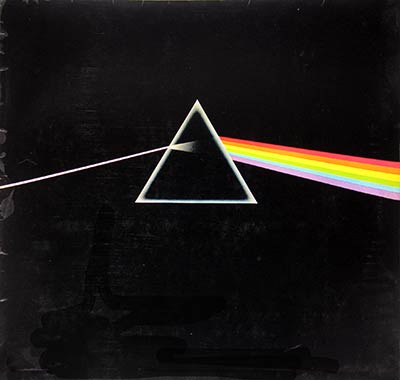
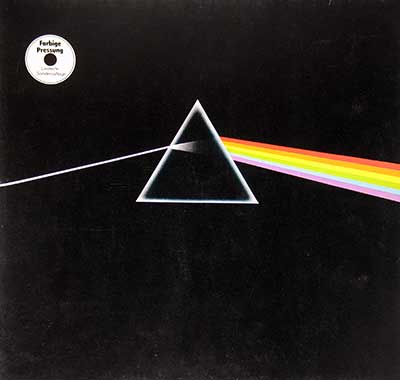
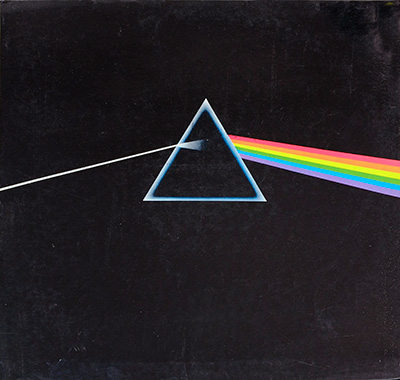
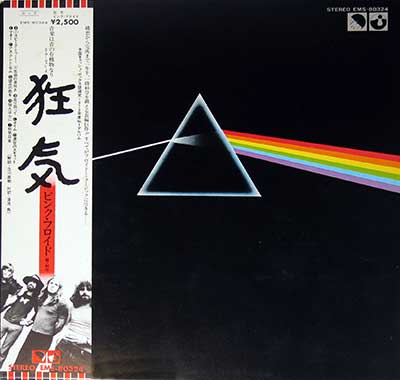
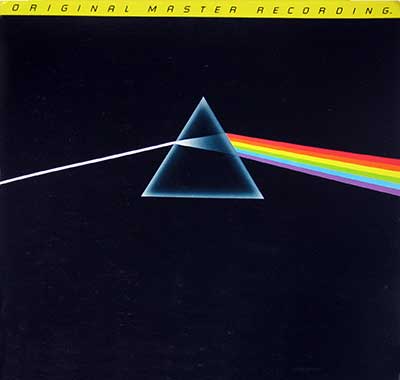
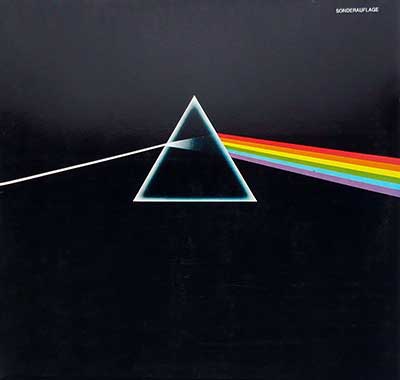
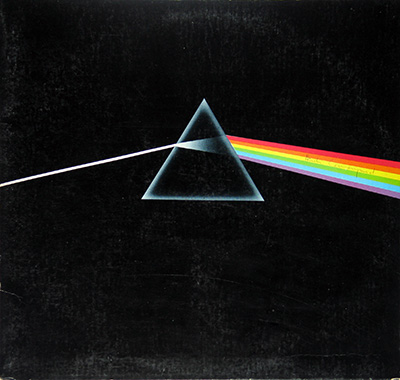
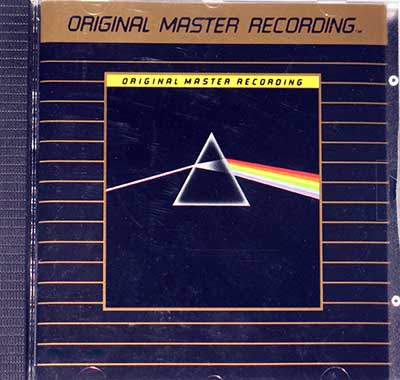
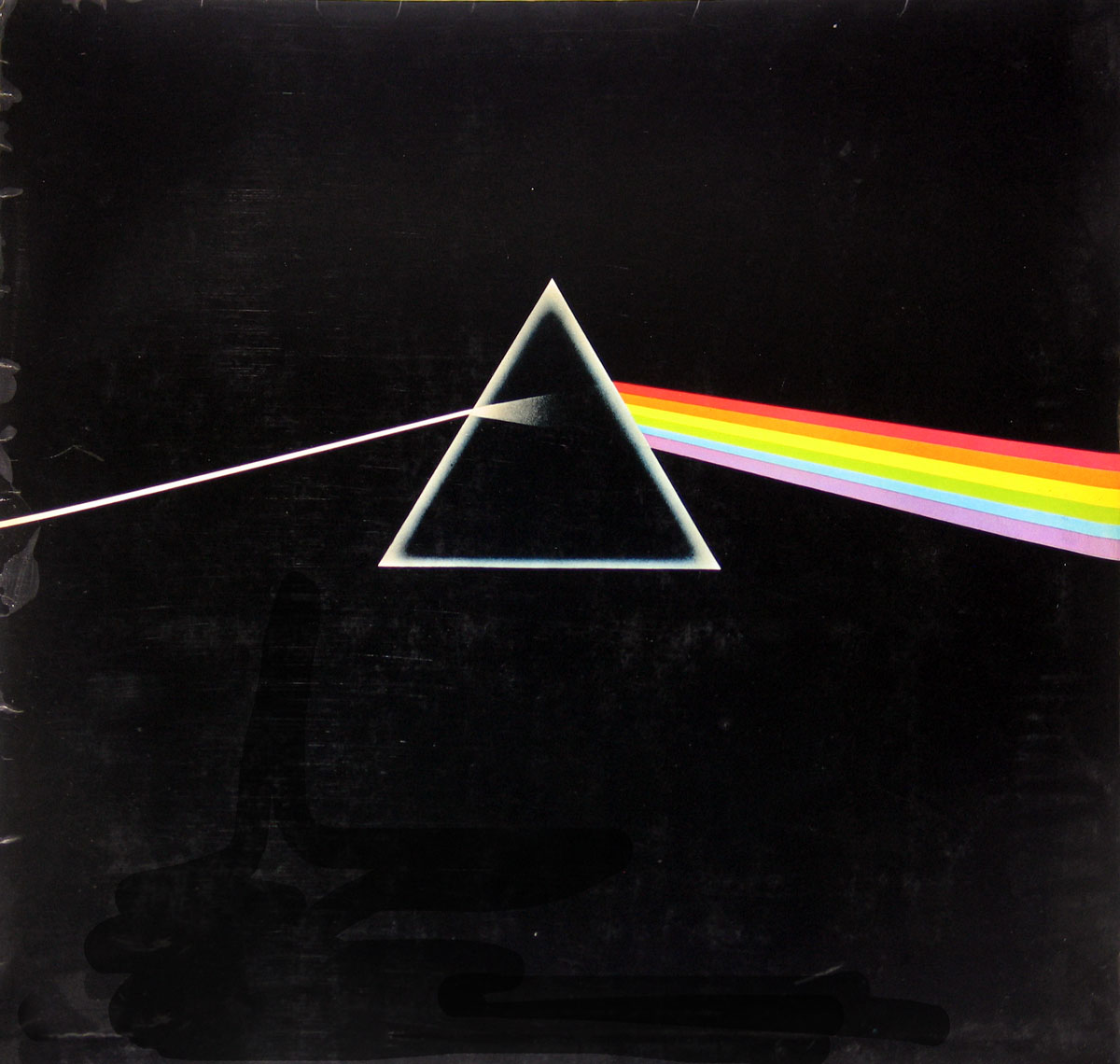
In Germany, "The Dark Side of the Moon" landed in March 1973 on Harvest, close enough to the original release window that it still feels like part of the first wave rather than a later victory lap. Same prism cover concept, same stark confidence: Hipgnosis on design duty, with George Hardie’s artwork making that beam-and-spectrum idea look inevitable—like it had always existed and the band merely discovered it. Storm Thorgerson still gets his due here, as he should.
“Gatefold” gets tossed around like it automatically means deluxe. In this case, it’s more about presence: you open it and it feels like you’ve entered the album instead of just unwrapping it. Early copies are better known for the extras—posters and stickers—than for any lyrical hand-holding. Which is fine. This record never needed subtitles.
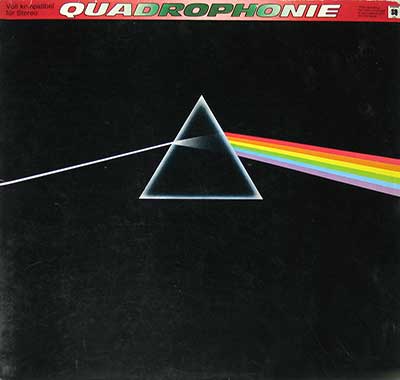
There were also German quadraphonic editions (SQ) , which is either brilliant forward-thinking or a very 70s way of saying “we bought new gear and we’re going to use it.” Four-channel sound can feel like the room gets wider by a few metres. Or it can feel like you’re rearranging furniture for a guest who never shows up. Depends on the setup, and your patience.
Chart-wise, it didn’t exactly struggle: it entered the German album charts in April 1973 and peaked at number 3. Not number 2. Close, but collectors live on the annoying details, and this is one of them.
Personal anchor, small and unromantic: I judge copies of this album by how they behave under bad light. Late afternoon. Lamp on. Sleeve half out. If the blacks look washed and the prism looks tired, I put it back. If it still looks like it could cut glass, I start checking the rest—spine, edges, that specific cardboard smell that says “this has been stored by someone who cared.” Or at least someone who didn’t use it as a coaster.
References / Citations
- Wikipedia — album infobox (producer credit, recording dates, overview)
- Abbey Road Studios — session documents (May 1972 to Feb 1973)
- Offizielle Deutsche Charts — German chart entry and peak (#3)
- Pink Floyd Archives — German LP / quadrophonic issue notes
- Tape Op — Alan Parsons interview context (engineering role)