Iggy Pop's Blah Blah Blah: A New Wave Renaissance
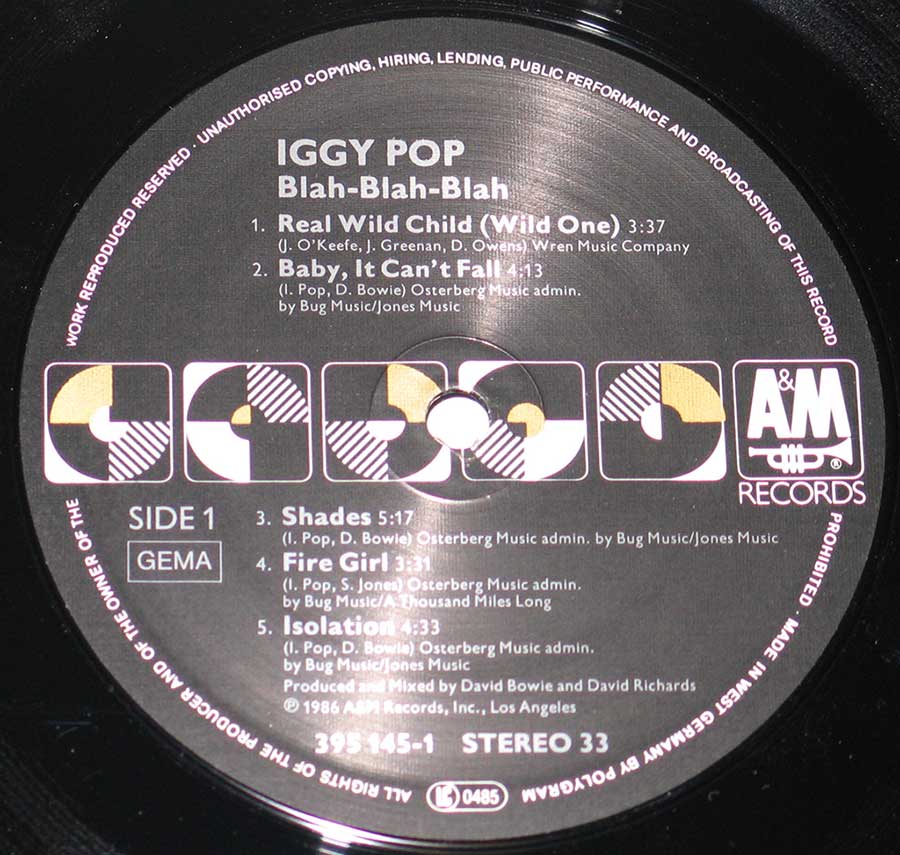
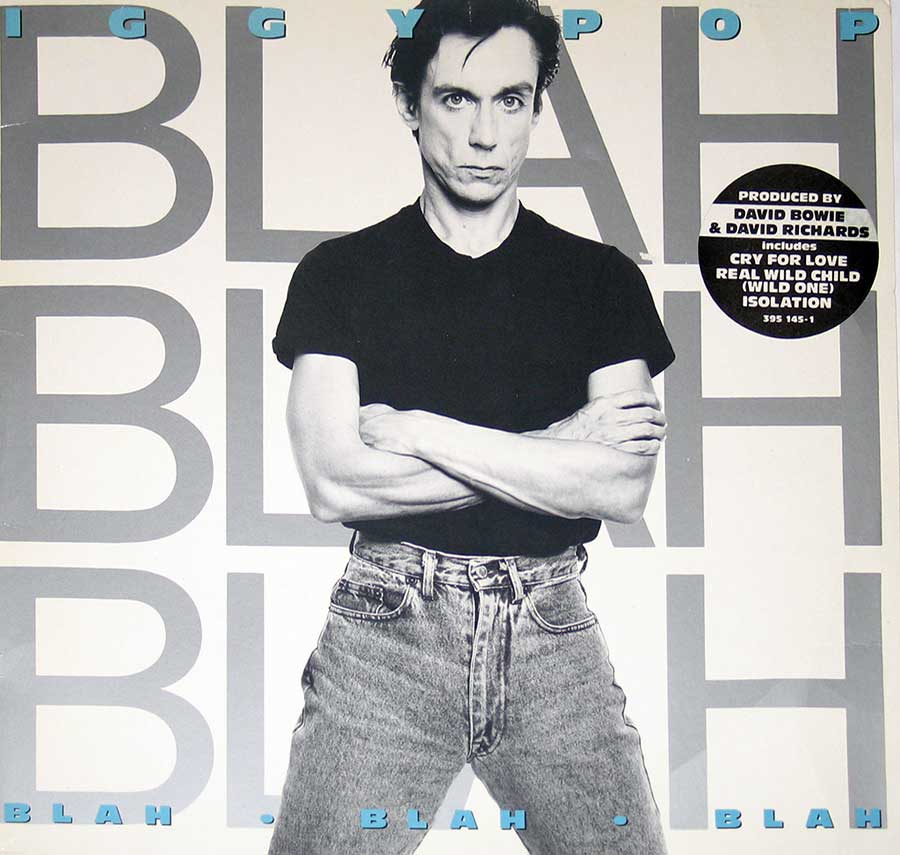
Released in 1986, Iggy Pop's "Blah Blah Blah" is the moment he walked back into the room wearing a cleaner shirt and still somehow looked dangerous. The songs don’t crawl like the Stooges; they strut. Big, glossy, radio-ready — but the voice is still that familiar rasp, like he gargled asphalt and decided it was a career move.
Historical Context
Mid-80s air was full of shiny drums and synthesizers, and punk was no longer a uniform so much as a stain you couldn’t scrub out. I remember seeing this LP in the racks under brutal fluorescent light and thinking, this is either a comeback or a crime scene. The scene had shifted. So he shifted too. Not gracefully. More like a controlled skid.
Musical Exploration
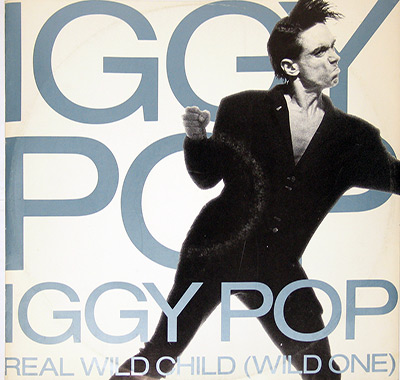
This record doesn’t pretend to be raw. It leans into polish, then drags its boots across it. "Real Wild Child (Wild One)" barrels out like a grin with a black eye, and "Cry for Love" snaps with that wired-up tension Pop does so well when he’s trying to sound civil. Even when the grooves feel slick, the mood stays itchy. It’s danceable, sure — but it’s the kind of dancing where you keep checking over your shoulder.
David Bowie's Influence
Bowie’s fingerprints are all over this one, not as a guest star but as a co-writer and co-producer shaping the frame around Pop. The sound is tighter, the corners are rounded, and the hooks land like they were aimed at FM radio on purpose. Pop doesn’t disappear inside that polish, though. He pushes back. You can hear him trying to keep the bite while the music keeps wiping its shoes.
Controversies
Naturally, some people screamed “sellout” the second the choruses got bigger and the production got cleaner — as if making a record people actually bought was a moral failure. Others heard it as survival: a guy who refused to become his own museum exhibit. Me? I like the tension. It’s the sound of an artist negotiating with the decade… and not fully agreeing to the terms.