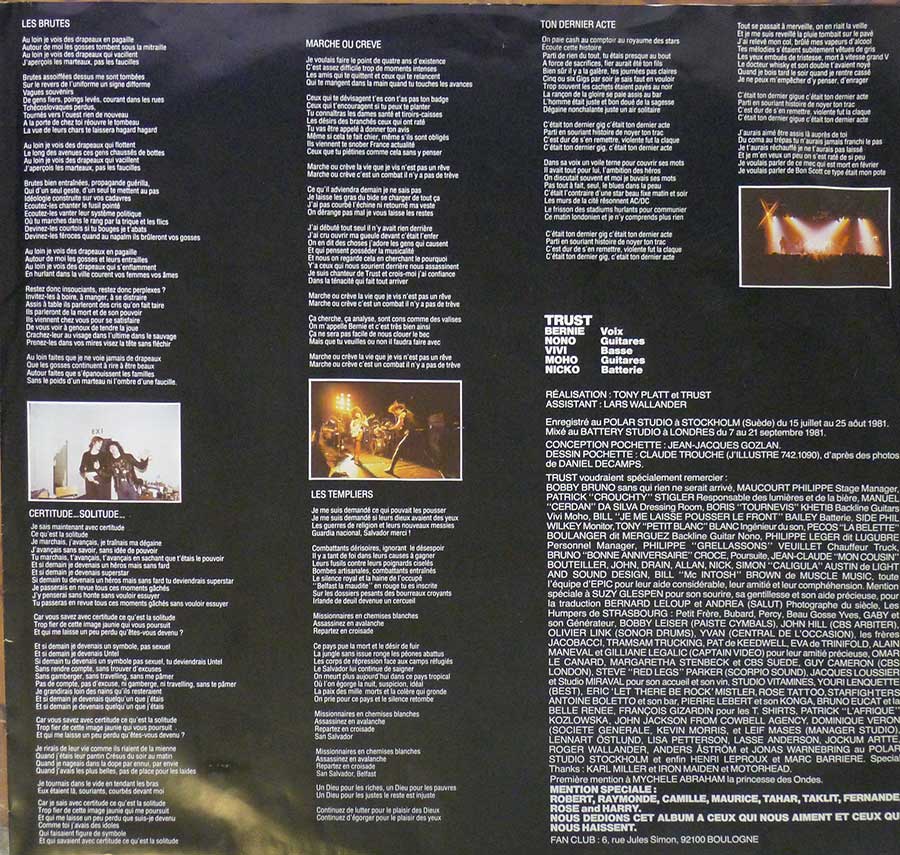
Battery Studios (London), Battery Studios — a Willesden Green workhorse that learned new tricks fast. Built as Morgan Studio 3 & 4 in the early ’70s, it got re-badged in 1980 when Zomba bought it and started feeding it Jive/Zomba projects, then the rest of London followed. Inside, the vibe was part office, part laboratory: in-house guns like Mutt Lange and Martin Birch drifting through, bookings ringing off the hook. Remember the tech flex: Fairlight CMI, SSL desks, and that 32-track Mitsubishi when most rooms still smelled like spooled oxide. Listen to the timeline: Iron Maiden (Nov 1980–82), Def Leppard (1981–82), The Cars (1984), Billy Ocean (1984–88), The Stone Roses (Jun 1988–Feb 1989), and even Bryan Adams with Lange (1991).
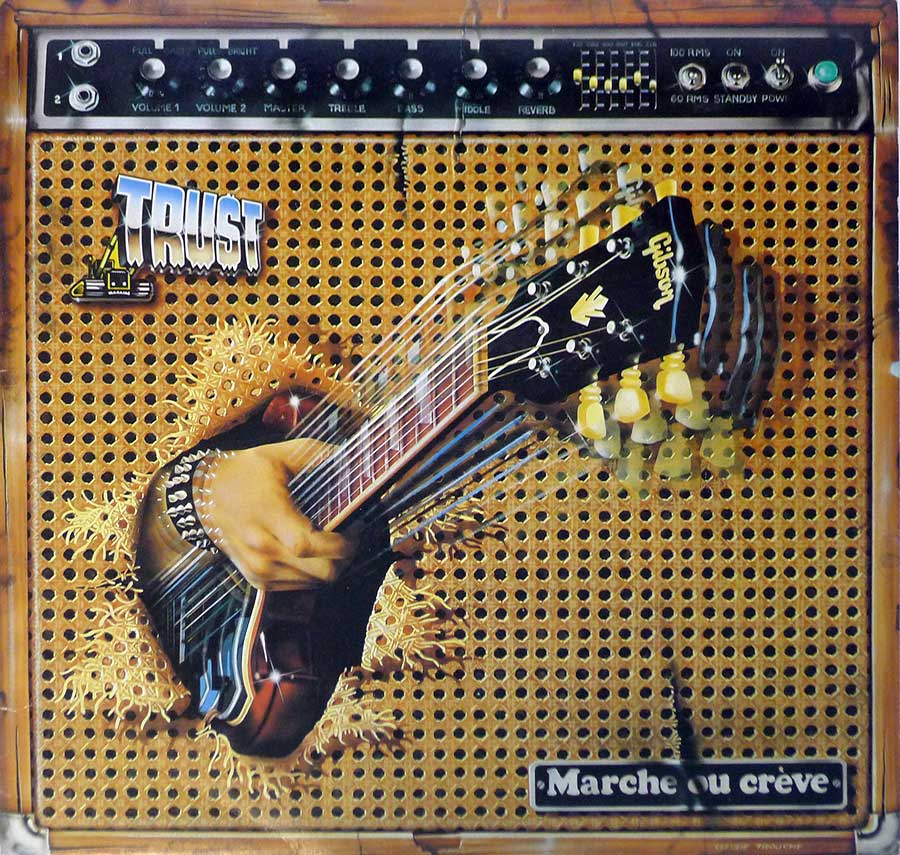
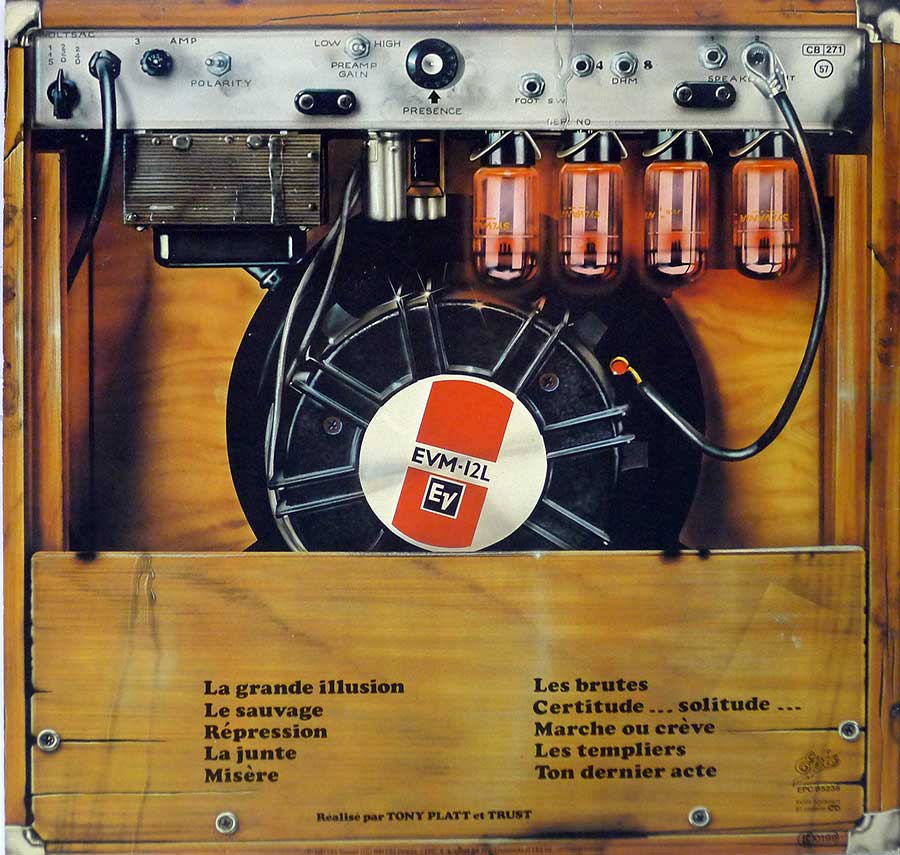
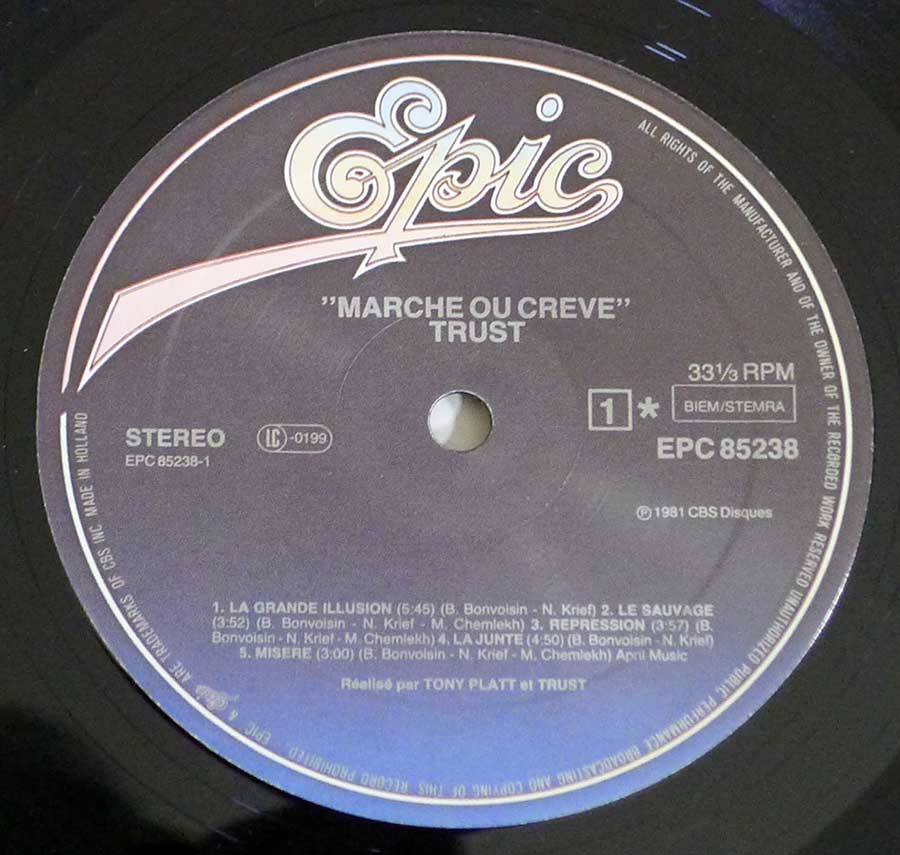
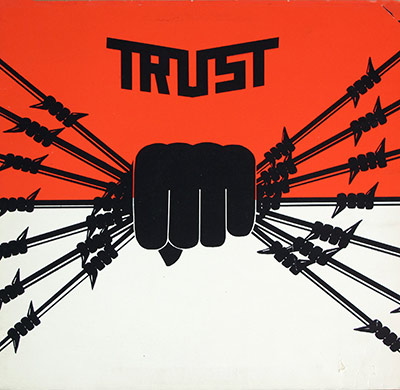
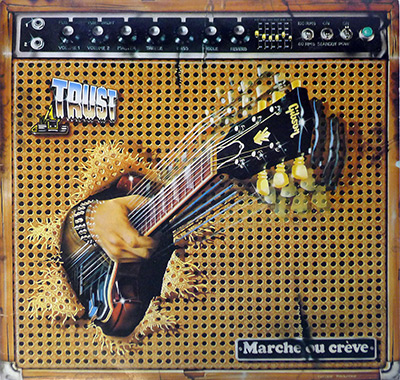
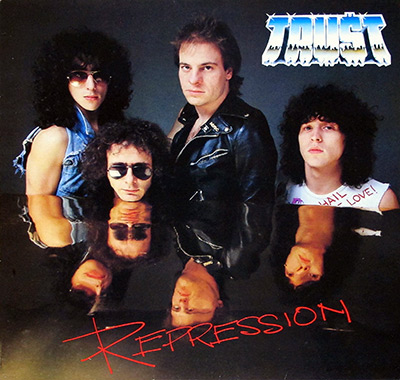
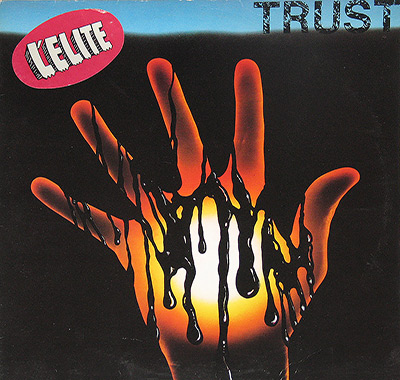
TRUST - MARCHE OU CREVE 12" Vinyl LP Album
-
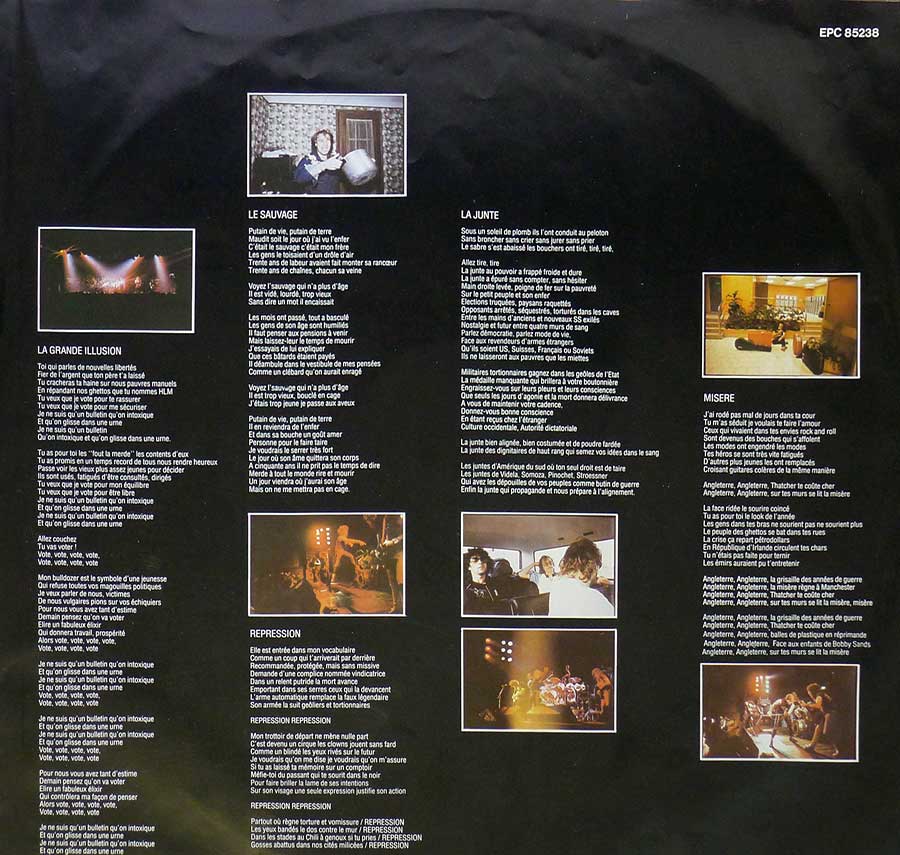
Trust's "Marche ou Crève," a 1981 French hard rock album, captured the angst and frustration of a generation disillusioned by social unrest and economic uncertainty. With a raw, powerful sound influenced by British heavy metal, the band tackled social and political issues head-on. Led by charismatic frontman Bernie Bonvoisin, Trust's rebellious spirit and controversial lyrics resonated with French youth, solidifying their place as one of the most influential rock bands of their time.