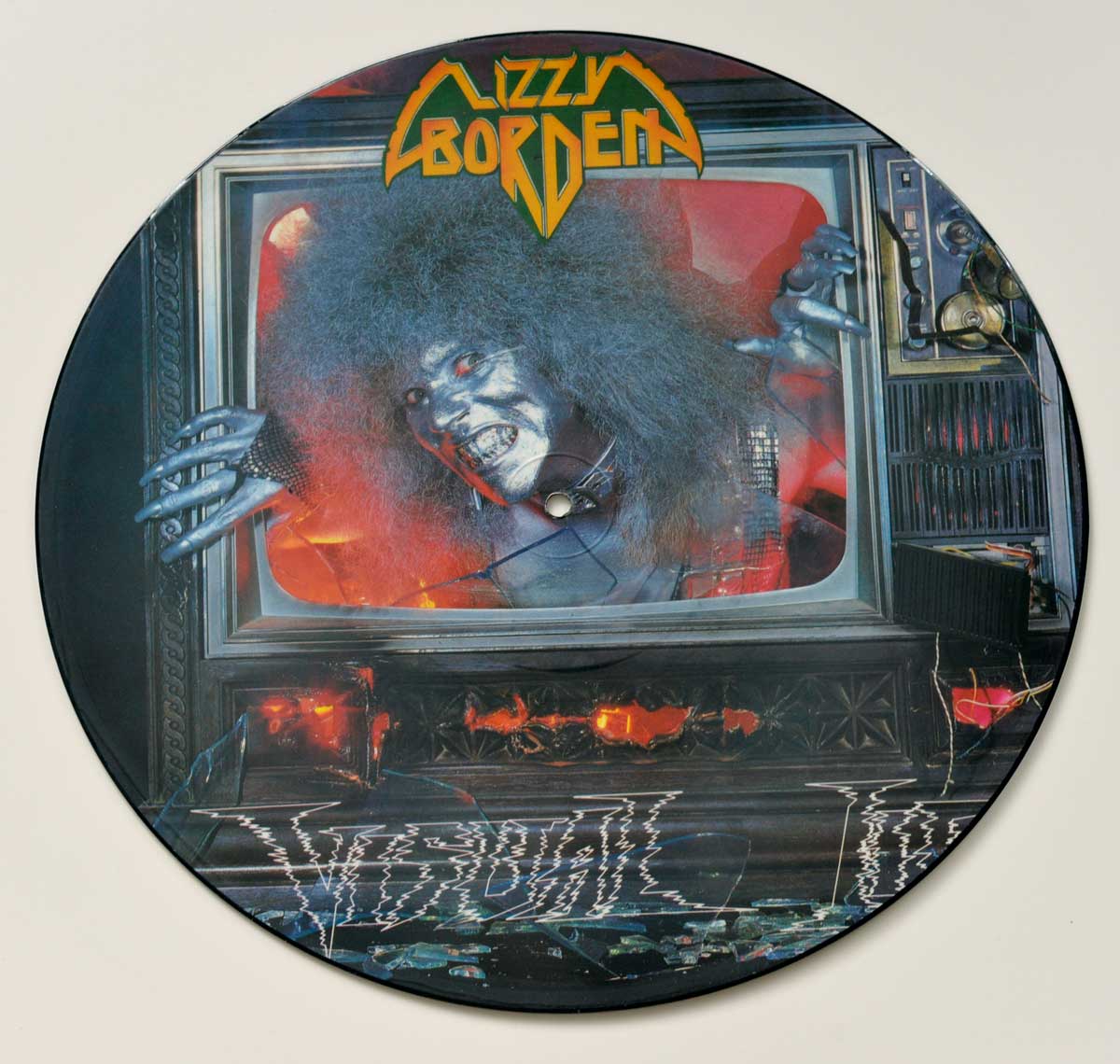
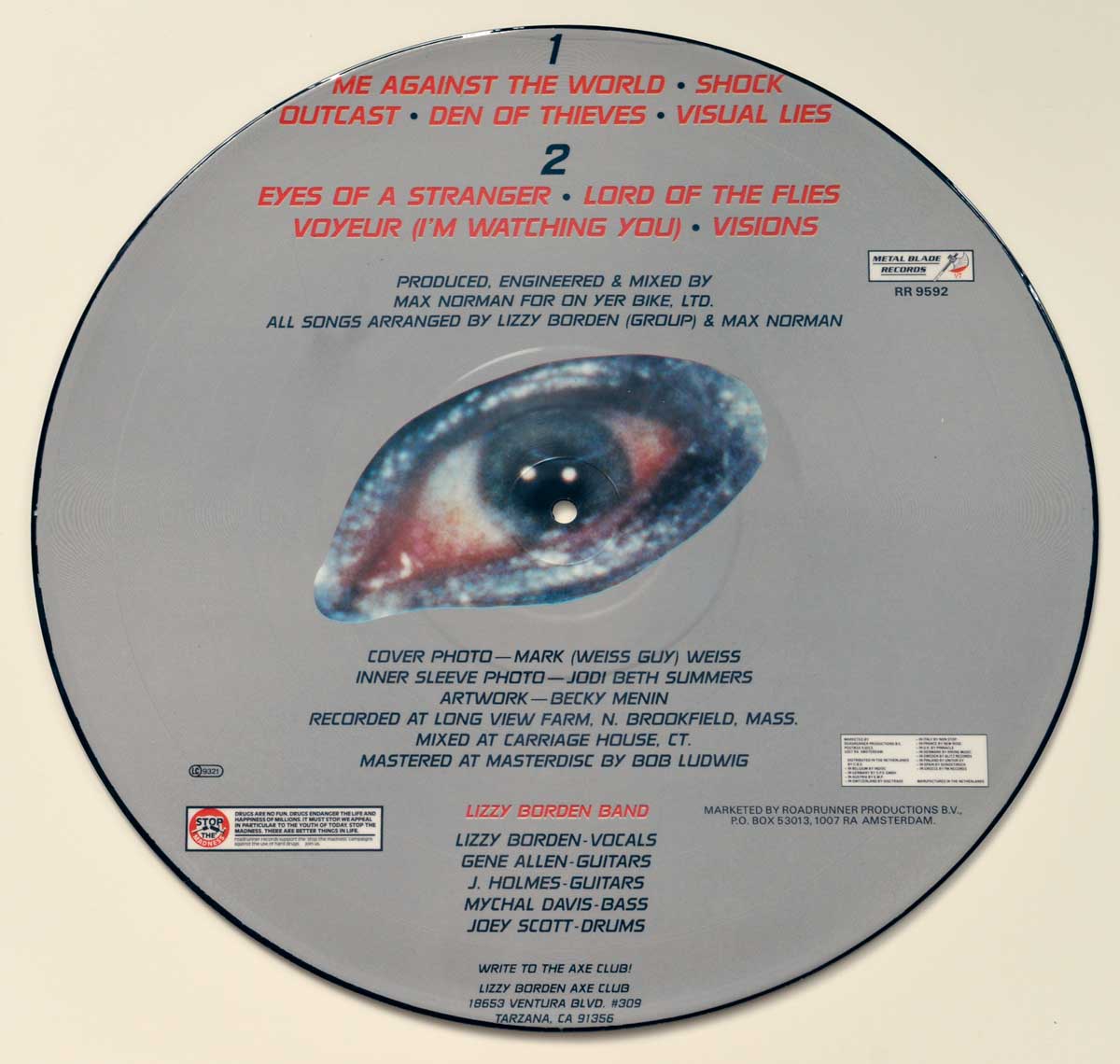
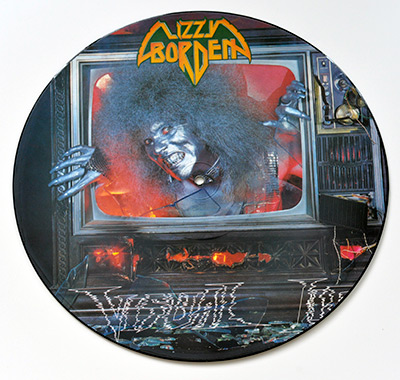
In the gaudy, neon-lit landscape of mid-80s glam metal, Lizzy Borden stood out like a blood-splattered peacock amidst a flock of preening doves. "Visual Lies," their 1987 sophomore album, is a testament to their ambition and musical prowess, even as it became entangled in a web of controversy that threatened to overshadow the music itself.
Emerging from the Los Angeles scene where hairspray was a religion and leather pants a second skin, Lizzy Borden had already made a name for themselves with their theatrical stage shows and macabre imagery. "Visual Lies" aimed to solidify their position as more than just a shock-rock novelty act. It was a bold declaration of their musical intent, a fusion of catchy hooks, shredding guitars, and theatrical flair that set them apart from the pack.
Produced by the legendary Max Norman, known for his work with Ozzy Osbourne and Megadeth, "Visual Lies" was recorded at the famed Cherokee Studios in Hollywood, a breeding ground for some of the era's biggest rock acts. Norman's polished production gave the album a radio-friendly sheen, while still retaining the band's raw energy and aggression.
From the opening salvo of "Me Against the World," it's clear that Lizzy Borden weren't content to simply follow the glam metal formula. The song's driving riffs and anthemic chorus showcased the band's ability to craft arena-ready rock anthems. Tracks like "Outcast" and "There Will Be Blood Tonight" delved into darker territory, exploring themes of alienation and violence with a theatrical flair.
However, it was the album's title track, "Visual Lies," that would become its most enduring and controversial legacy. The song's lyrics, which seemed to glorify stalking and obsession, drew the ire of feminist groups and social critics. The accompanying music video, featuring Lizzy Borden as a menacing stalker, only fueled the flames of controversy.
The backlash against "Visual Lies" threatened to derail the band's momentum. Some radio stations refused to play the song, and the band faced protests at some of their concerts. Lizzy Borden maintained that the song was meant to be a cautionary tale, not an endorsement of harmful behavior. But the damage was done, and the controversy cast a long shadow over the album's legacy.
Despite the controversy, "Visual Lies" remains a fascinating snapshot of a band at a crossroads.