Sir George Martin, the so-called 5th Beatle, was the producer who translated four Liverpool lads into studio language. I first clocked him at Parlophone in the 1950s; from 1962-1970 he shaped The Beatles' records with tape loops, strings, and ruthless edits that made pop feel like cinema. Alongside them he guided fellow Merseybeat names like Gerry & the Pacemakers and Billy J. Kramer & the Dakotas (1963-1965), plus Cilla Black (1963-1966). After leaving EMI he built AIR and, in the 1970s, produced Paul McCartney & Wings (1973), America (1974-1976), and Jeff Beck (1975). He rarely shouted, but the speakers did. That is why they called him the 5th Beatle, and nobody argued.
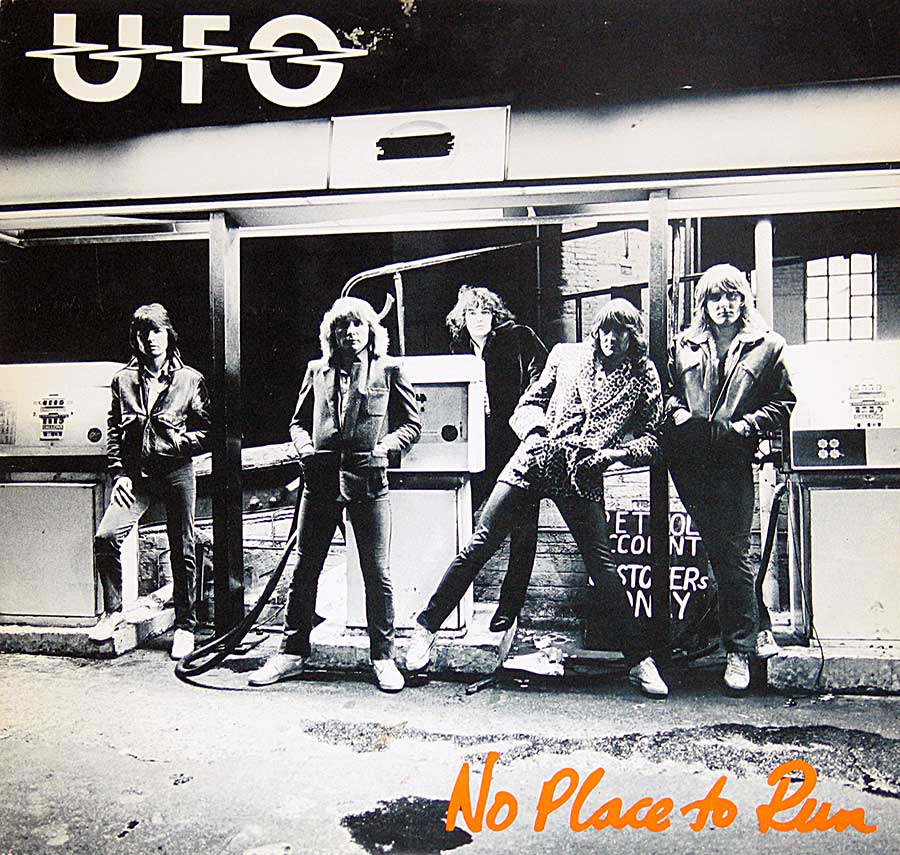
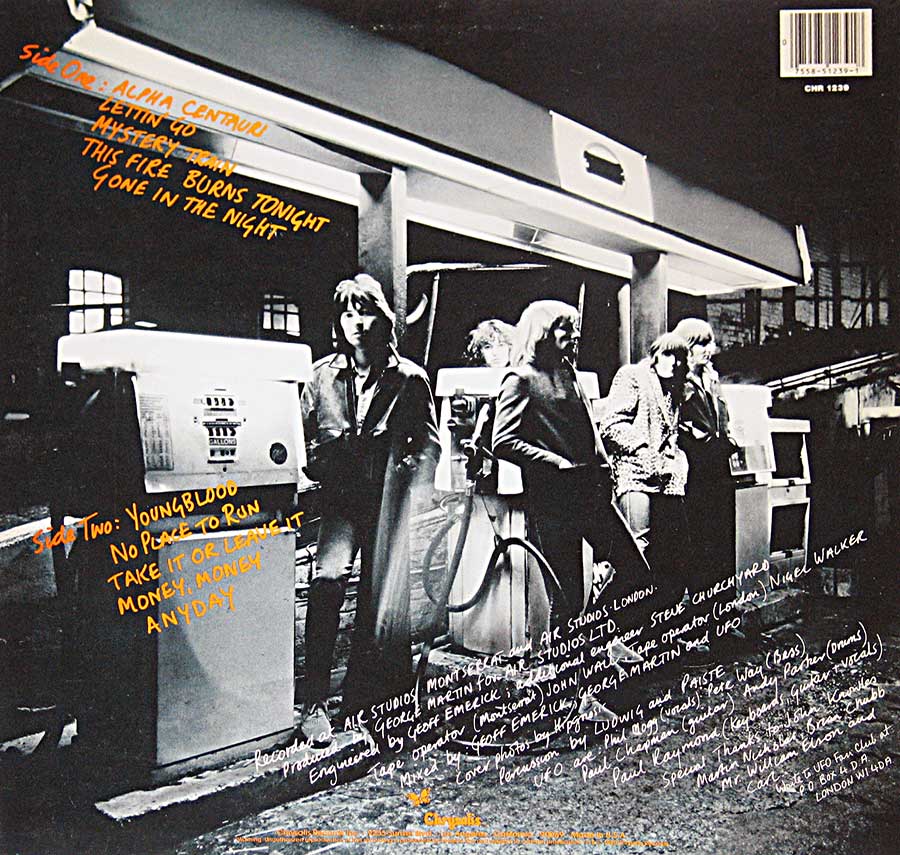
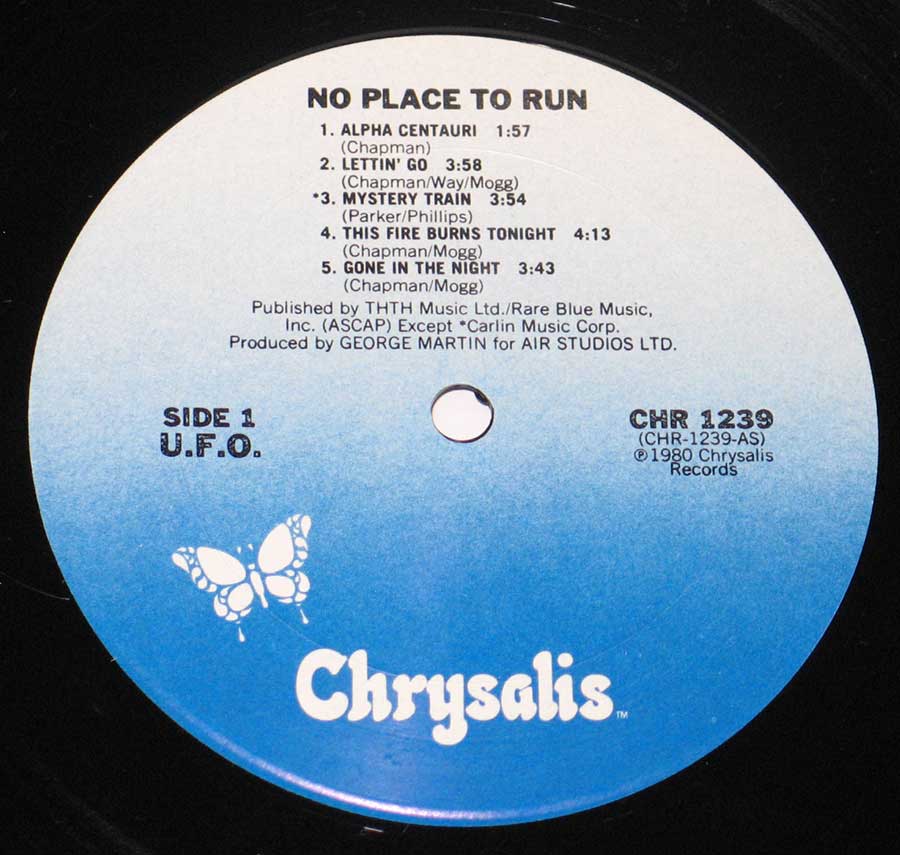
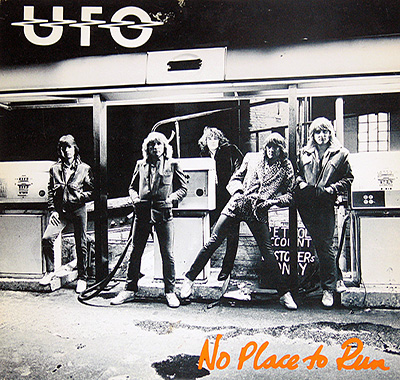
UFO - No Place To Run 12" Vinyl LP Album
This USA issue has the title of the album "No Place To Run" on the albums bottom right, other releases of this album have the title elsewhere n the cover
"No Place to Run" is the tenth studio album by the British rock band UFO, which was released in 1980 on Chrysalis Records. The album was produced by UFO and Ron Nevison, and was recorded at various studios in the United Kingdom and the United States. It featured the band's classic lineup of Phil Mogg (vocals), Michael Schenker (guitar), Pete Way (bass), Paul Raymond (keyboards, guitar), and Andy Parker (drums). The album's title track, "No Place to Run," was released as a single and received moderate success.
The album was generally well-received by critics, who praised the band's songwriting and musicianship. "No Place to Run" is considered one of UFO's most successful and critically acclaimed albums, and it became their highest-charting album in the UK and the United States, reaching number 36 in the UK and number 52 on the Billboard 200 chart. It also features some of the band's most famous songs such as "Lonely Heart" and "The Wild, the Willing and the Innocent". The album is considered a classic of the band's work and a must-have for any UFO fan.