"Irish Tour '74" (1974) Album Description:
"Irish Tour '74" is Rory Gallagher caught in the act of turning blues rock into a survival skill: recorded across Ireland in January 1974 and released that July, it sounds like a band playing like tomorrow is not guaranteed. The double album lands as both a document and a dare, with Gallagher leading a hard-grooving, road-tested line-up through sets captured in Belfast, Dublin, and Cork. It is not polished, it is not delicate, and that is the point.
What this record is, in plain terms
This is a live blues-rock double album built from concerts on Gallagher's Irish tour in early January 1974, with one after-hours jam folded into the story like a cigarette burn on a set list. You hear the room, the band, and the decisions happening in real time: when to lean into the shuffle, when to hit the brakes, when to let a solo run until it finds the exit. If you want a careful museum exhibit, walk away now.

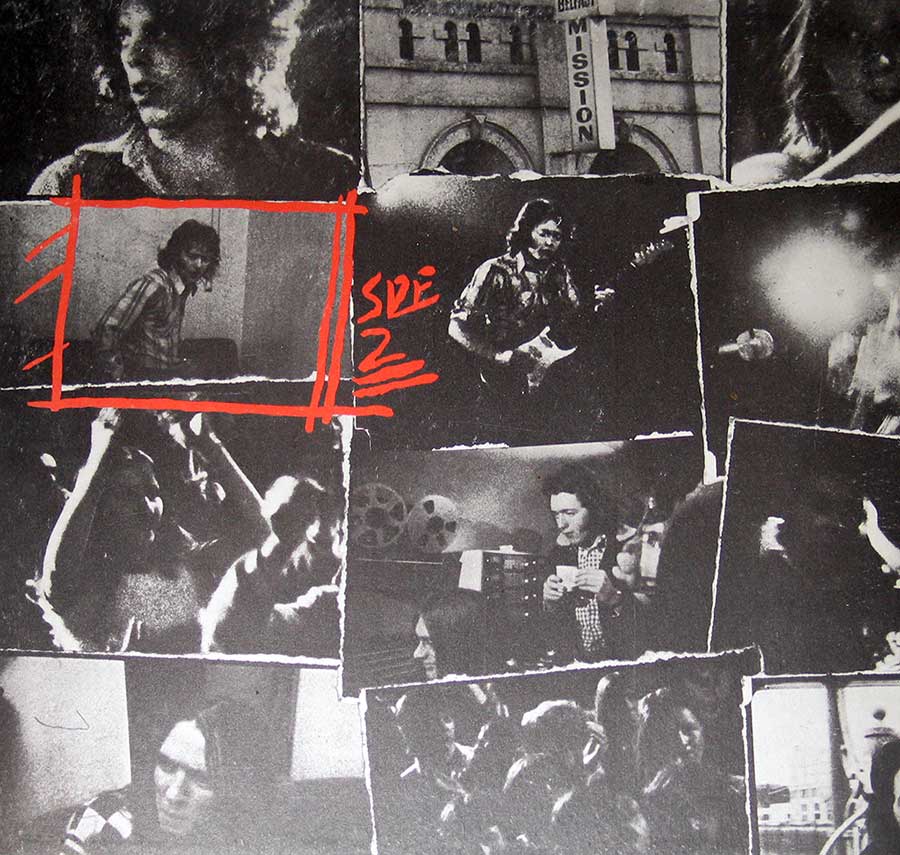
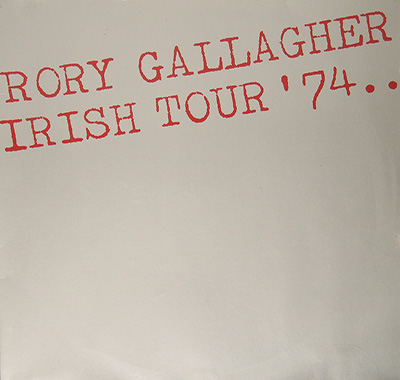
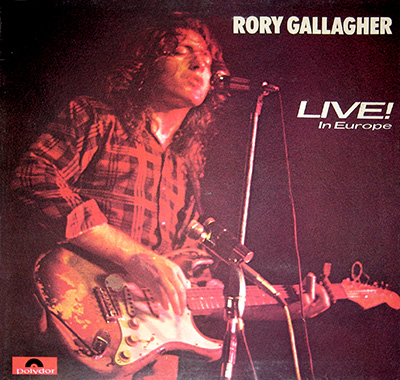
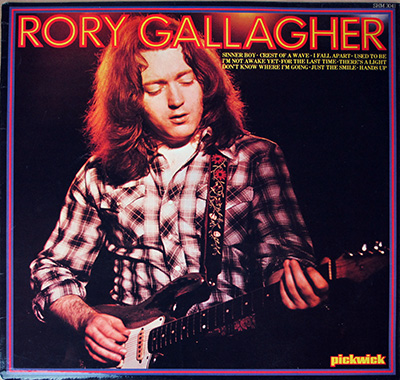
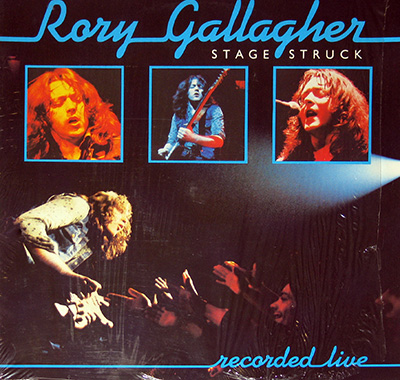
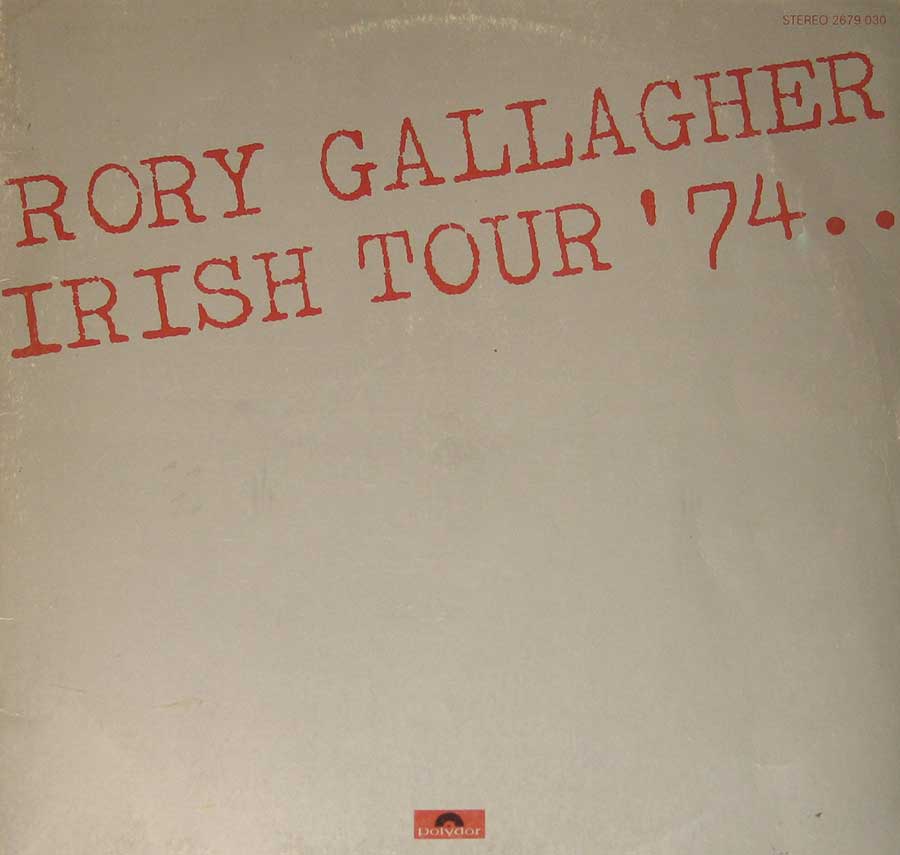
A live album cover that looks like it sounds: no makeup, no mercy.
Ireland in 1974: why these nights mattered
Ireland in 1974 was not a neutral backdrop, and Northern Ireland was living inside The Troubles with daily tension as part of the weather. Belfast was a city where public life and public fear shared the same street corners, and the idea of a roaring rock show could feel either brave or irresponsible depending on where you stood. Gallagher returning to play those rooms is the quiet subtext you can hear between songs: a working musician showing up anyway.
That pressure changes the temperature of a performance, even when nobody makes speeches. The crowd energy is not just "rowdy"; it is focused, hungry, sometimes tight. The band responds by staying muscular and direct, as if clean execution is a kind of respect.
Blues rock in 1974: the lane this album swerves into
Blues rock by 1974 had split into camps: the heavy boogie engine, the precision hard-rock machine, and the jam-oriented live circuit that treated songs as launchpads. Around this time you had bands pushing volume and swagger, others polishing for radio, and a whole crew turning live albums into proof-of-life statements. Gallagher belongs to that last crew, but he refuses the "greatest hits" safety net and plays like the set is a single long argument.
The genre basics are simple: blues structures, rock amplification, and a rhythm section that can swing without losing weight. The trick is making it feel urgent instead of dutiful, and that is where "Irish Tour '74" earns its keep. It is not blues rock as nostalgia; it is blues rock as a current event.
The line-up: when the band clicks, the tape catches fire
Gallagher is the obvious center: guitar, vocals, and the kind of control that looks loose until you try to count the ways he steers a band mid-phrase. But this record works because the supporting cast knows exactly when to push and when to leave space. Gerry McAvoy's bass is not decoration; it is the spine that keeps the boogie honest.
Rod de'Ath on drums plays with punch and quick turns, staying tough without turning everything into a march. Lou Martin's keys widen the sound when they appear, adding bite and color without turning the band into a lounge act. The result is a live mix that can feel like a power trio that learned a few new tricks without losing its fists.
How this album got built: mobile recording and real-time risk
Live recording in 1974 was still a game of limits: mic bleed, crowd noise, and the constant possibility that the best moment will also be the messiest. This tour was captured using Ronnie Lane's mobile setup, which matters because it keeps the sound anchored to the venue instead of sanding it down into generic arena reverb. The engineering work had to preserve the punch while letting the atmosphere exist, and you can hear that balancing act all over the record.
The core production choice is simple: do not tame the animal. The performances are left with their rough edges intact, which is why the album feels more like an event than a product. That decision turns the double-LP length into an advantage instead of a bloat tax.
Musical exploration: what Gallagher is actually doing here
Gallagher plays blues rock like a language he can bend without breaking grammar. He moves from tight riffs to long, conversational solos, then snaps back into the groove without making it feel like a trick. The phrasing is sharp, the tone is abrasive in the best way, and the band follows him like they've been taught the map but still enjoy getting lost.
The set is built on contrasts: boogie stompers, slow-burn blues, and the kind of after-hours jam that sounds like the band is exhaling after a fight. The mandolin cameo is a reminder that Gallagher is not trapped in one texture; he is dragging the blues through every tool he can carry onto the stage. What makes it work is that the exploration never becomes self-indulgent theory class.
"This is what a live album is supposed to do: make the room feel too small and the moment feel too big."
Band history: how Gallagher got to this point
Gallagher had already proved he could lead a band before this record, first breaking through with Taste and then moving into a relentless solo career. The early solo line-up shifted as he searched for a rhythm section that could handle both the swing and the impact. By the time of this tour, he had landed on a configuration that could move fast, hit hard, and still leave oxygen in the music.
The important thing is not the personnel trivia; it is what the changes did to the sound. Adding keyboards expanded the palette without softening the attack, and that mattered in a live setting where dynamics can vanish under volume. This album is the sound of that era of the band operating at full confidence.
Controversies and friction: what people argued about
The most real controversy was situational: playing Belfast during The Troubles was not just another tour stop, and some people saw it as a risk that a musician did not need to take. Gallagher's insistence on showing up anyway made him a point of pride for many fans, but it also put the logistics and security issues in the foreground in a way most rock records never have to consider. That tension is part of the album's electricity, even when nobody says the quiet part out loud.
On the musical side, live albums always attract the same fight: is the length a feature or a flaw, and are the extended passages revelation or repetition. "Irish Tour '74" invites that argument because it refuses to edit itself into a tidy "best of the nights" package. The record is confident enough to let the listener decide whether endurance is part of the art.
Quick guide to the sound (for the impatient)
- Blues forms, played with hard-rock volume and boogie momentum.
- Guitar tone that stays raw, not glossy, even when the playing gets surgical.
- Rhythm section locked in like a freight train that can still swing.
- Keys used for bite and breadth, not for soft focus.
- Room sound preserved, because the room is part of the story.