Mick Rock is the British photographer I still call “The Man Who Shot the Seventies,” because he didn’t just document glam—he bottled it. From 1972–1973 he was David Bowie’s official eye through Ziggy Stardust, shooting sleeves, posters and those iconic promo films. In the early 1970s he also caught Iggy Pop at full ignition. By 1973–1974 he was framing Queen as they learned how to look like legends. A Lou Reed invite pulled him to New York in 1974, and through the mid-to-late 1970s he captured Reed’s shift, plus punks like the Ramones and, in 1978, Blondie’s Debbie Harry. What I love is his mix of intimacy and theatre: harsh flash, sharp cheekbones, no polite distance. His photos sell the noise before you even drop the needle.
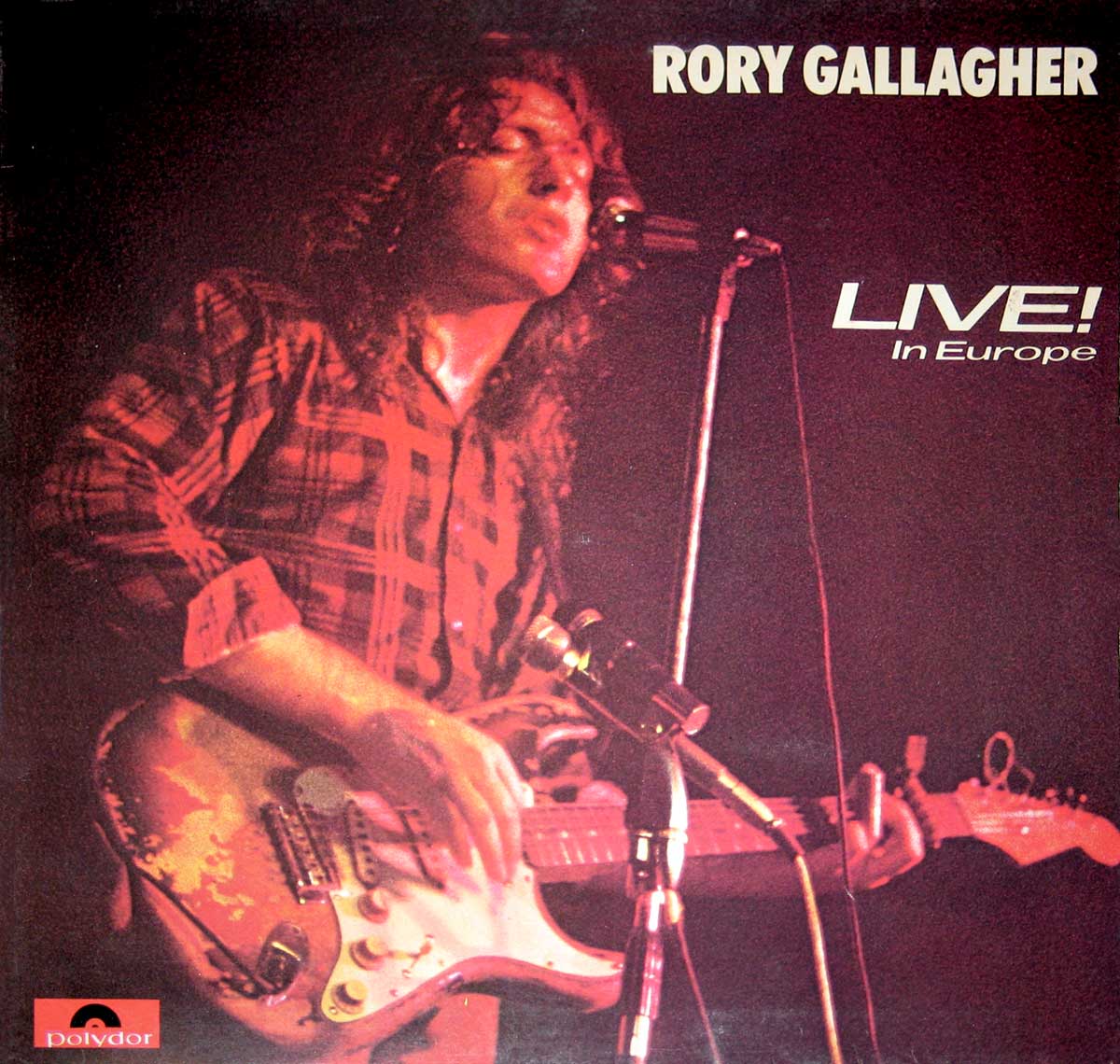
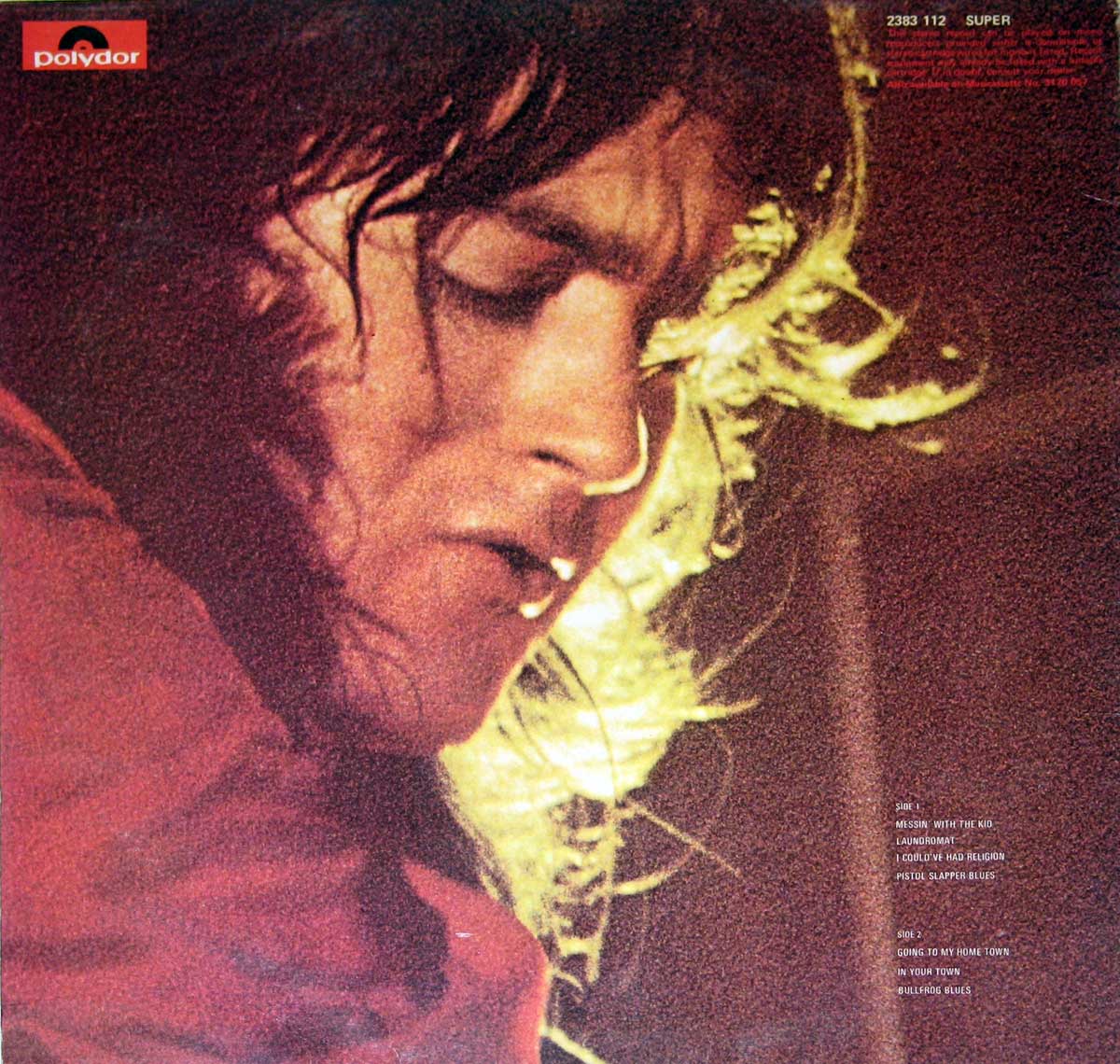
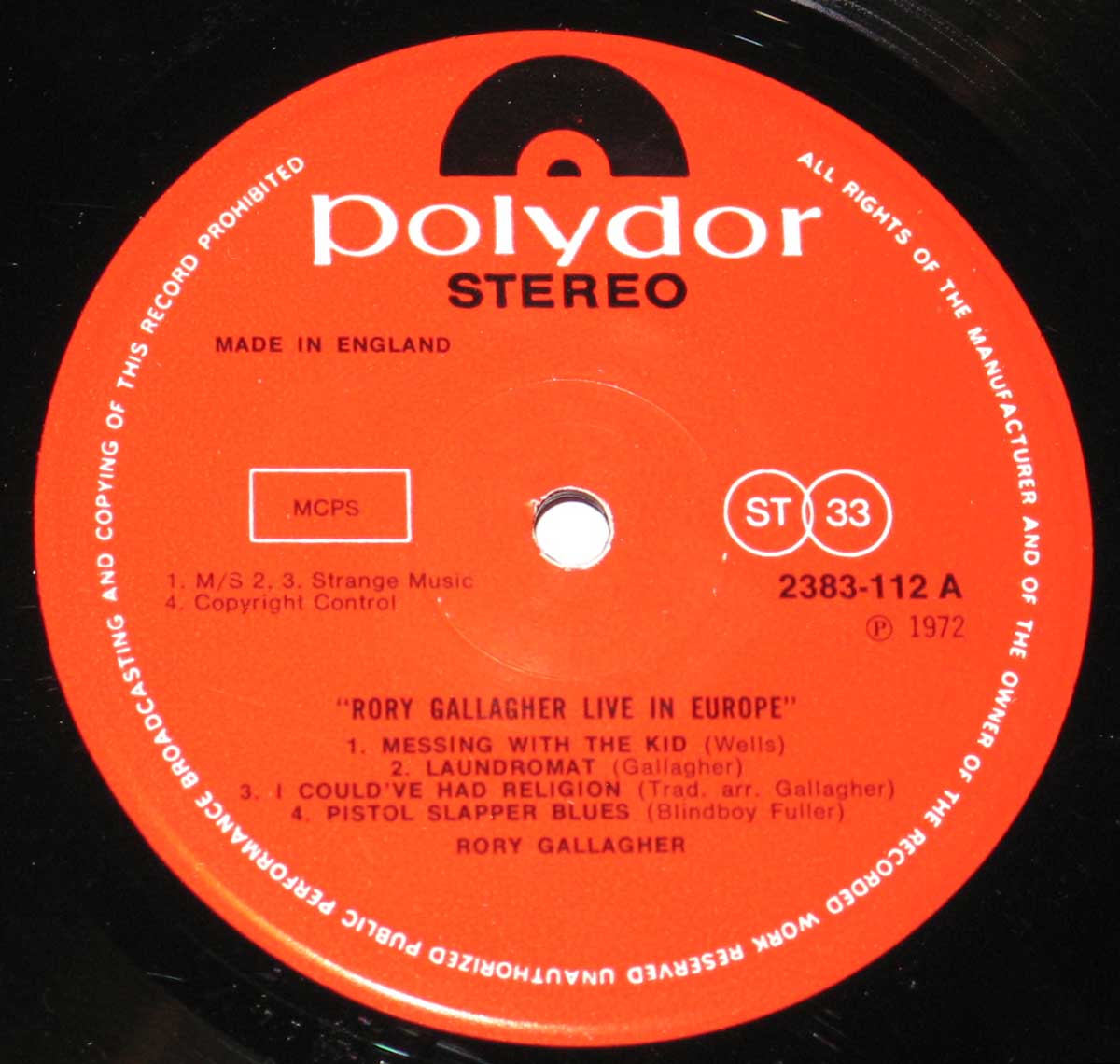
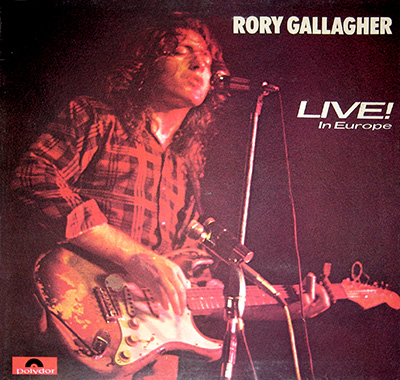
Rory Gallagher - Live in Europe 12" Vinyl LP Album
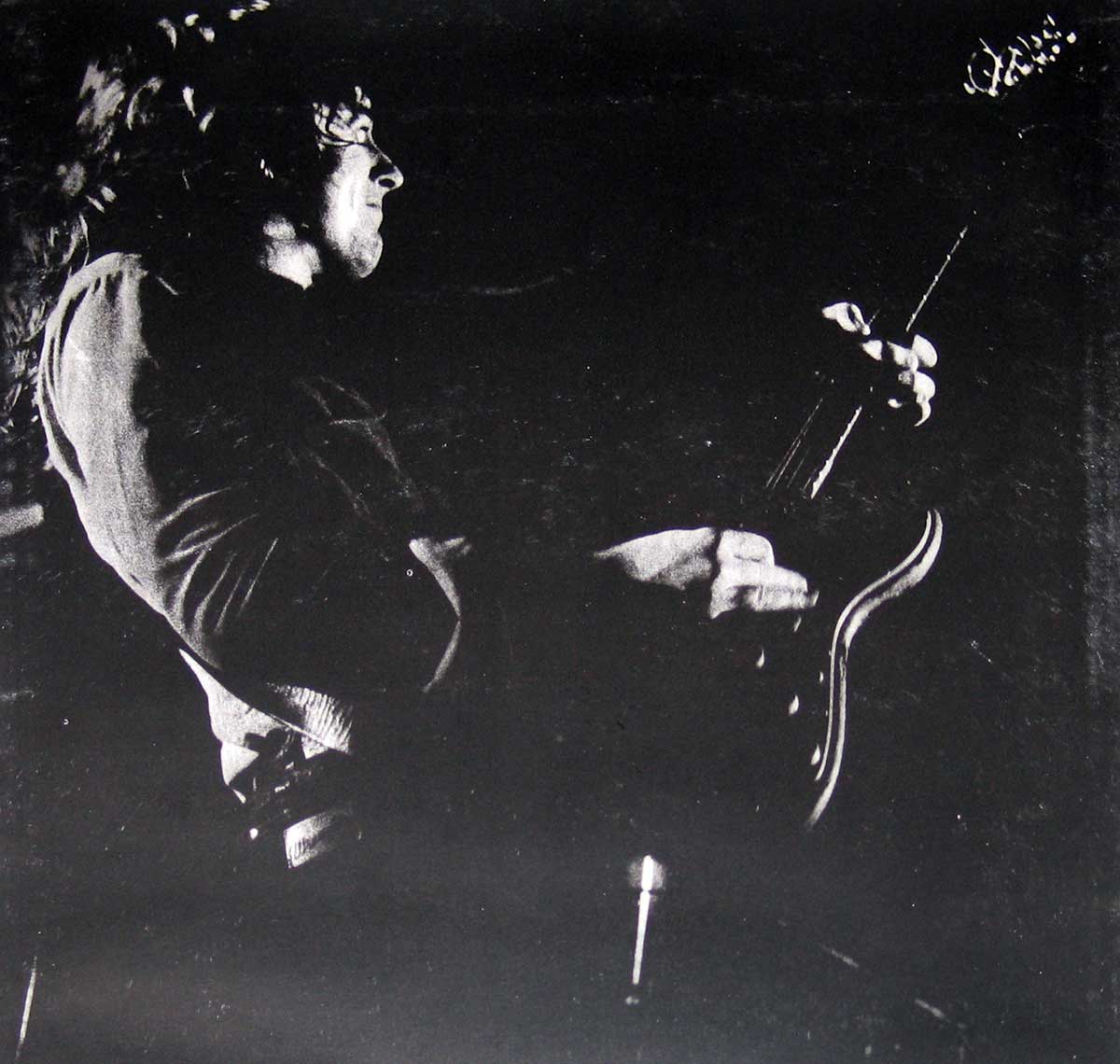
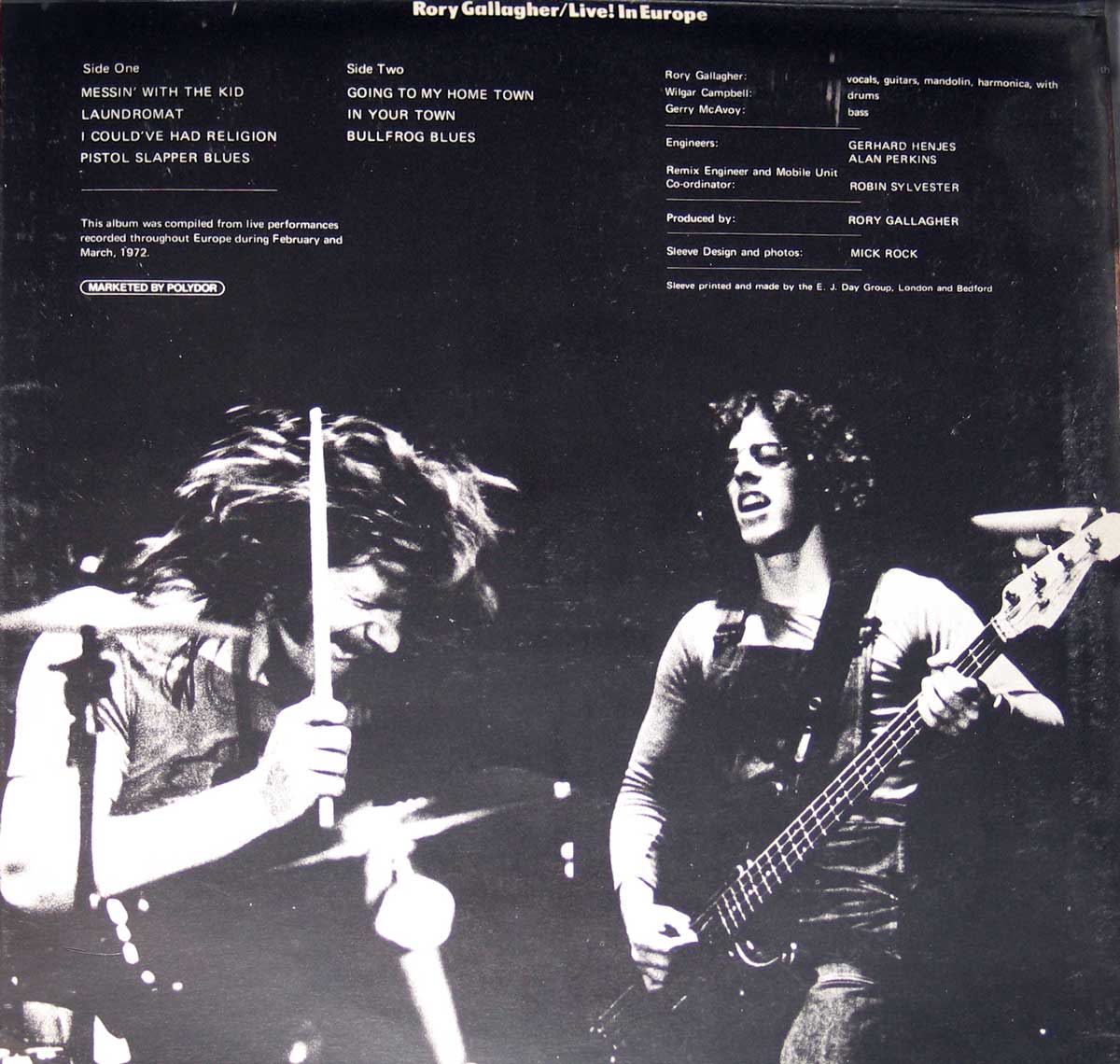
- Genuine UK Release with Gatefold Album Cover
Alright, folks, buckle up! 'Live in Europe' ain't no dainty tea party. It's a full-throttle, sweat-drenched, guitar-shredding rampage across the continent. We captured the raw energy of those 1972 shows, warts and all. No studio trickery here, just me and the lads giving it our all. So crank it up, let your hair down, and get ready to feel the blues coursing through your veins. This ain't no elevator music, it's a sonic punch to the gut, straight from the heart of rock 'n' roll.