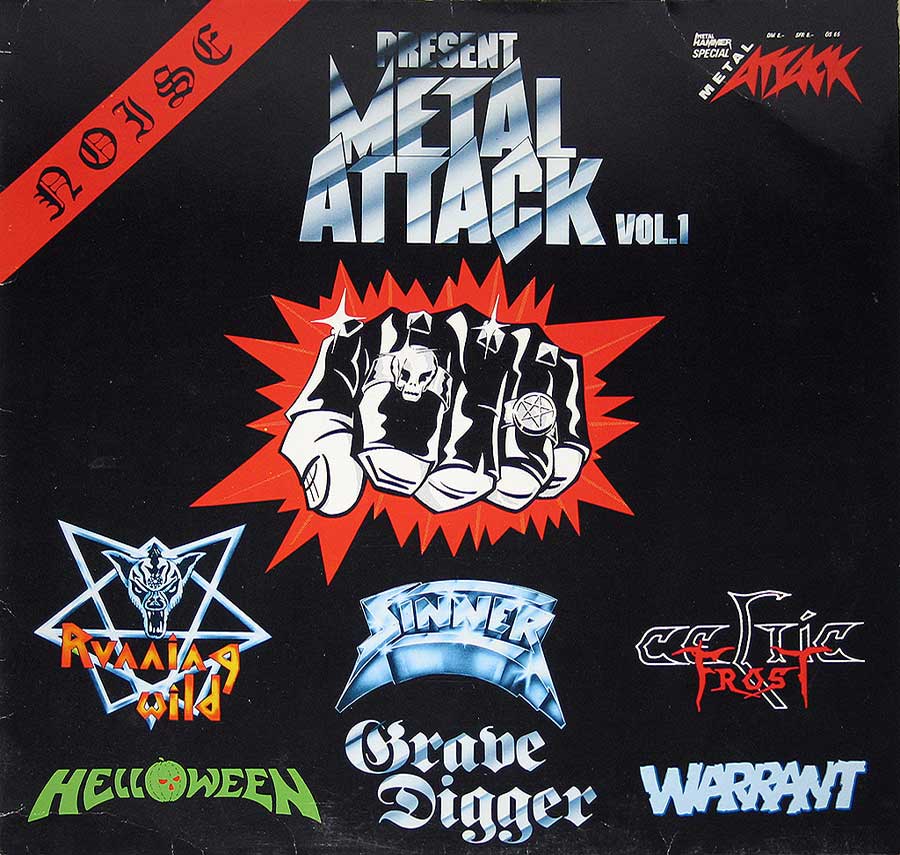
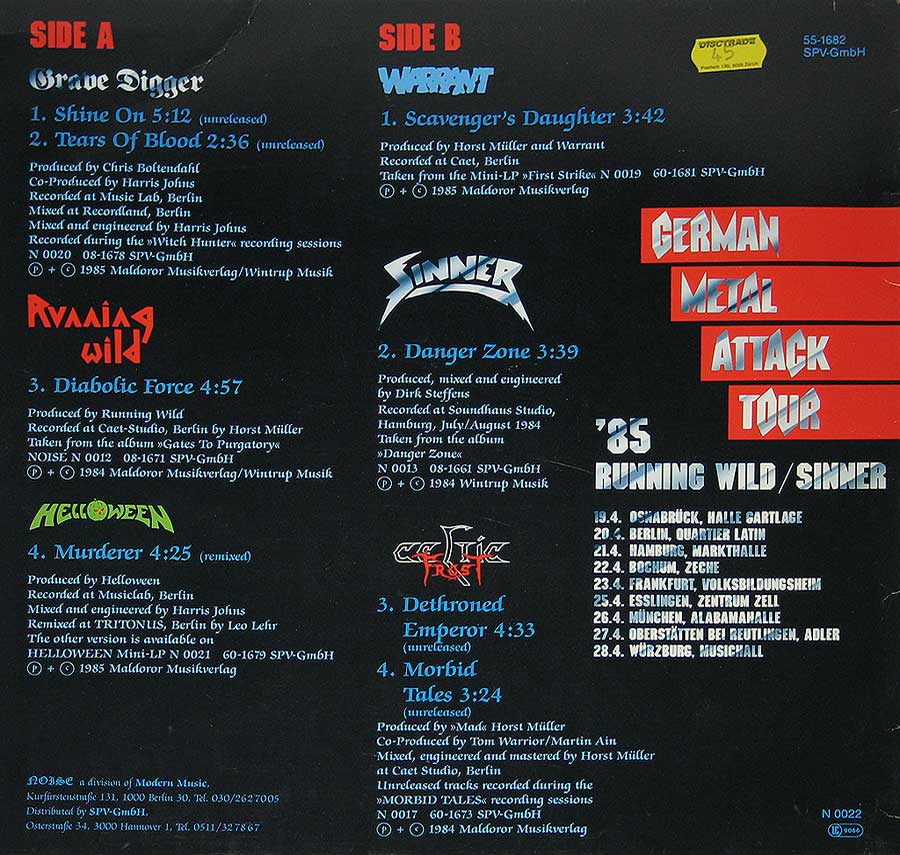
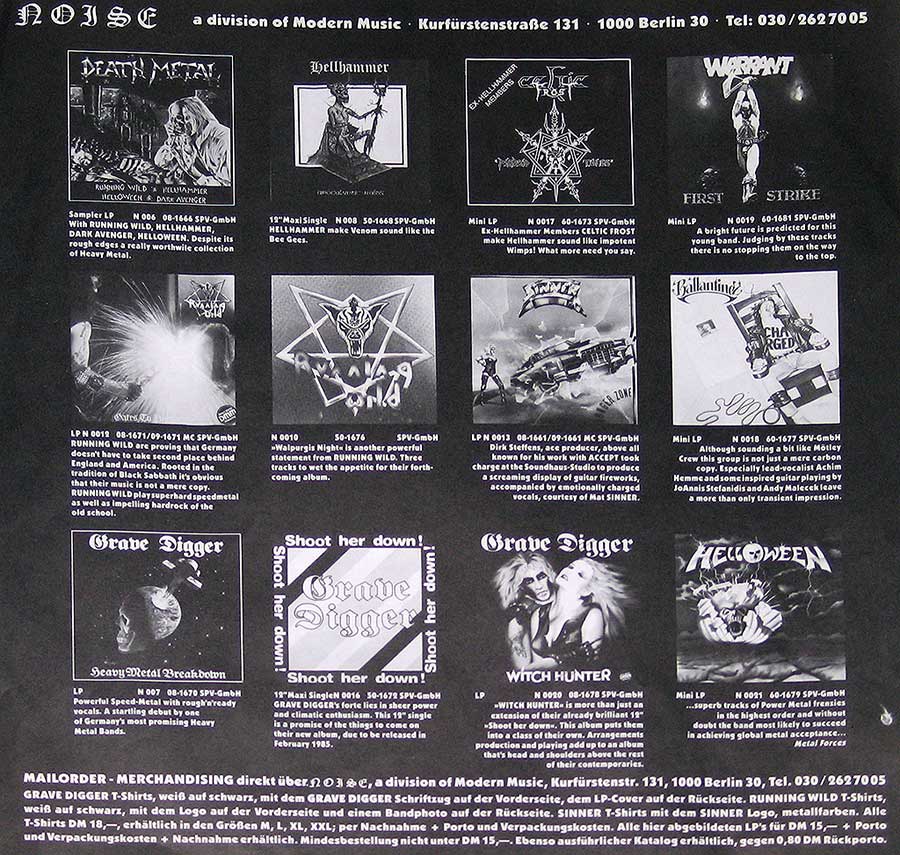
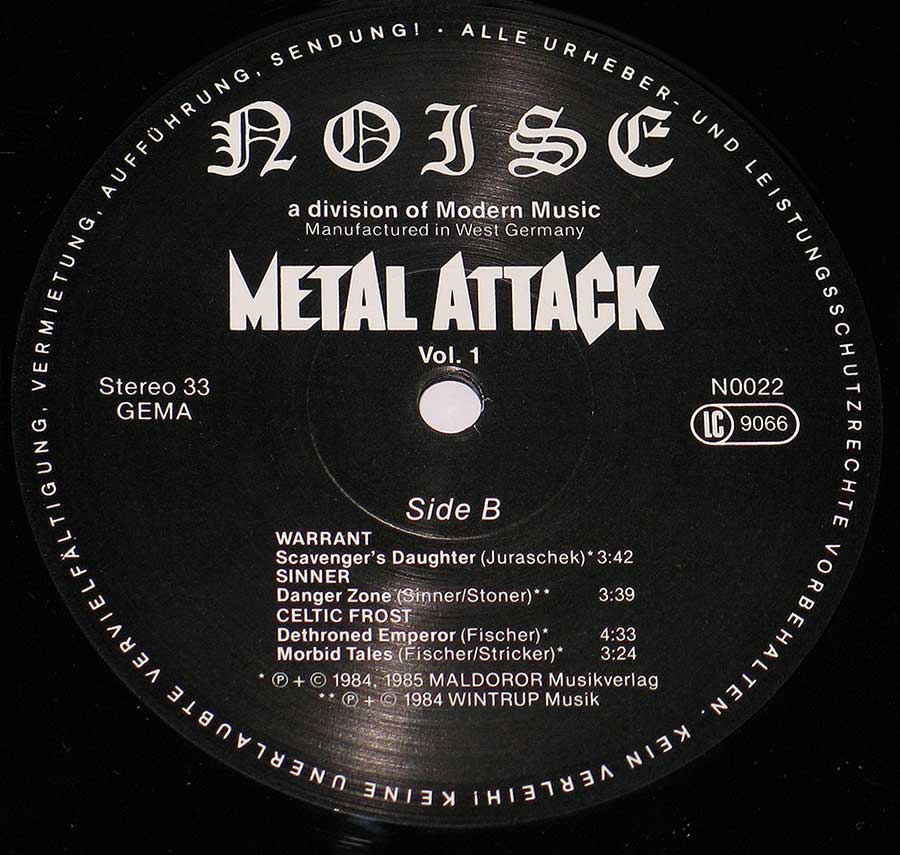
Album Production Information:
This split/compilation has been recording of several bands, this section lists some the people working on the production and recording of the album.
Dirk Steffens – Record producer & audio engineerOne of those names you spot in the small print and think, “yeah… that explains why this record hits like it does.” Read more... Dirk Steffens, I first noticed him the boring way: squinting at a sleeve under a lamp because the credits were printed in that tiny “good luck, red colour, grandpa” font. And there it was again. That’s his whole thing—he’s not the poster on the wall, he’s the reason the wall shakes. Before he settled behind the desk, he did the band grind: Beathovens (1969–1971), then he kicked off Pennywonder (from 1971), then a quick, real stretch with Birth Control (July 1973–January 1974). After that he didn’t “transition” into production like a LinkedIn fairy tale—he just went where the work was, where the hours were long, and where the sound either gets disciplined or gets embarrassing. I tend to trust producers who’ve actually played in bands; they don’t romanticize the mess, they fix it. For the neat timeline (and the extra rabbit holes), here’s the Dirk Steffens Wiki
One of those “in the room” names behind early European extreme metal—if the mid-80s sounded feral but still punchy, there’s a decent chance his hands were on the desk.
Read more...
Horst Mueller, I’m best known as the engineer/producer orbiting the German metal explosion of the 1980s (even though I’m listed as Swiss-born). In the 1983–1986 stretch I’m all over the credits that helped define the sound: engineering Destruction (1984–1985), Sodom (1985), Running Wild (1984–1985), Hellhammer (1984), and producing/engineering/mixing Kreator’s "Endless Pain" (1985), plus work for Warrant (1985) and Iron Angel (1985). And yeah—I wasn’t only “behind the glass”: I’m credited with effects and additional vocals for Celtic Frost in 1984–1985. Later on, my name pops up again in the 1990s and beyond (including a 1997 production credit and later compilation work), but that mid-80s run is the real high-voltage fingerprint.
Caet Studios In the world of music, certain studios hold an iconic status due to their rich history and the multitude of talented artists who have graced their halls. One such studio is Caet Studios, located in the vibrant city of Berlin, Germany. Renowned for its exceptional sound recording capabilities, Caet Studios has become synonymous with the German Heavy Metal scene, serving as a creative hub for numerous influential bands during the 1980s.
more...
The 1980s marked a golden era for Heavy Metal music, with the genre reaching new heights of popularity and cultural significance. German Heavy Metal bands, in particular, emerged as a force to be reckoned with, capturing the attention of both domestic and international audiences. Among these bands were Celtic Frost, Running Wild, and Destruction, who utilized Caet Studios as their creative sanctum.
Celtic Frost, a pioneering group in the Extreme Metal subgenre, left an indelible mark on the music world with their groundbreaking albums. Caet Studios served as the birthplace of their magnum opus, "To Mega Therion," released in 1985. The studio's pristine acoustics and state-of-the-art equipment allowed Celtic Frost to craft a sound that was as dark and atmospheric as their lyrical themes. Songs like "Circle of the Tyrants" and "Necromantical Screams" resonated with fans and established Celtic Frost as one of the most innovative and influential Metal bands of their time.
Running Wild, known for their pirate-themed anthems and energetic live performances, also found solace within the walls of Caet Studios. Their album "Under Jolly Roger," released in 1987, solidified their status as a leading force in German Heavy Metal. Caet Studios provided Running Wild with the ideal environment to capture their raw energy and intricate instrumentation, resulting in a record that showcased their trademark blend of speed and melody. Tracks like the eponymous "Under Jolly Roger" and "Raise Your Fist" became instant classics and continue to resonate with fans to this day.
Destruction, a band synonymous with the German Thrash Metal movement, sought refuge in Caet Studios to unleash their sonic assault. Their album "Infernal Overkill," released in 1985, epitomized the aggression and intensity that characterized the Thrash Metal genre. With Caet Studios' expertise, Destruction meticulously crafted a sonic landscape that showcased their breakneck speed and razor-sharp riffs. Tracks like "Total Desaster" and "Bestial Invasion" became anthems for the thrashing masses, solidifying Destruction's position as one of the genre's titans.
While Celtic Frost, Running Wild, and Destruction are just a few of the notable bands that graced Caet Studios during the 1980s, countless others followed suit. The studio's reputation for excellence attracted a multitude of emerging and established Heavy Metal acts, all eager to harness the power of its remarkable acoustics and cutting-edge recording equipment. Caet Studios became a pilgrimage site for musicians, offering a sanctuary where creativity and sonic innovation thrived.
Beyond its technical prowess, Caet Studios fostered a sense of community within the German Heavy Metal scene. Bands not only shared the same recording space but also collaborated and inspired one another, pushing the boundaries of the genre. The legacy of Caet Studios extends beyond the music it helped create, representing a pivotal era in German Heavy Metal history and leaving an indelible mark on the global music landscape.
Harris Johns – Producer, sound engineerIf your record has that gritty Berlin-concrete punch, there's a decent chance Johns was behind the glass. Read more... Harris Johns is the Berlin-bred producer/engineer who's been putting steel-toed boots on tape since 1978. I first clock him in the late 70s punk grind, then the early 80s when his Music Lab rooms started spitting out Slime (1983) and Daily Terror (1984). Mid-80s through the early 90s he helped define Teutonic thrash for the Noise Records crowd: Grave Digger and Helloween (1984-85), then Sodom, Kreator, Tankard, Voivod and Exumer (1986-88). He kept the soldering iron hot into the 90s-2000s (Sodom again, 1997-2001), later taking on international metal like Enthroned (2004-07). After a decade at his countryside "Spiderhouse," he reopened Music Lab Berlin in 2007 and ran it until 2016 - still producing and teaching the craft.
|