MEAT LOAF Band Description:
Meat Loaf is not just a classic comfort food joke — it’s a stage name that turned into a full-on rock production line. Call it a band if you want, but the truth is simpler and messier: Michael Lee Aday (Meat Loaf) was the headline, and the musicians rotated around him like a pit crew. The vibe stayed the same: big feelings, bigger choruses, and absolutely zero interest in “playing it cool.”
If you hate theatrical rock, you’re going to roll your eyes. If you secretly like drama when it’s done with conviction, this is your kind of noise. The man didn’t sing so much as he charged at a song and dared it to survive.
History:
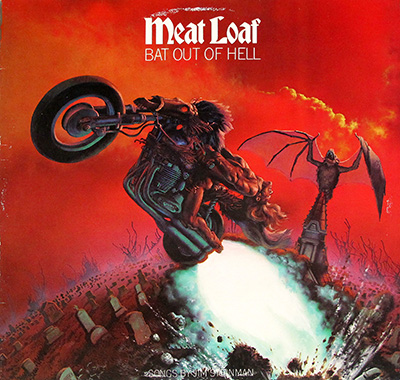
The real origin story isn’t “a band formed in Los Angeles in 1977.” The engine is the partnership with songwriter Jim Steinman, born out of New York theater energy — songs built like scenes, not “tracks.” When they finally unleashed “Bat Out of Hell” (released 21 October 1977, produced by Todd Rundgren), it didn’t arrive politely. It arrived like a motorcycle through a wall.
And no, it wasn’t some instant, tidy victory lap. The album had to grind its way into the world before it became unavoidable. Once it did, it stayed that way — the kind of record people either worship or mock, and both reactions are sort of the point.
After the first explosion, the story turns human: follow-ups, dry spells, reinventions. “Dead Ringer” (1981) kept the dramatic spine intact. “Midnight at the Lost and Found” (1983) feels like a man trying to keep the lights on while the decade changes the rules.
The big second act hits in the ’90s with “Bat Out of Hell II: Back into Hell” (1993) and the global hit “I’d Do Anything for Love (But I Won’t Do That).” The GRAMMY win people mention is for that song (Best Rock Vocal Performance, Solo) — not “the album won a Grammy,” not “the band won,” not the usual sloppy shorthand.
Music:
Meat Loaf’s “band sound” is really a collision: Steinman writing like he’s allergic to restraint, producers and players trying to keep it from collapsing, and Meat Loaf delivering it like every line is happening right now. The arrangements don’t float — they stomp, sprint, and occasionally throw a chair.
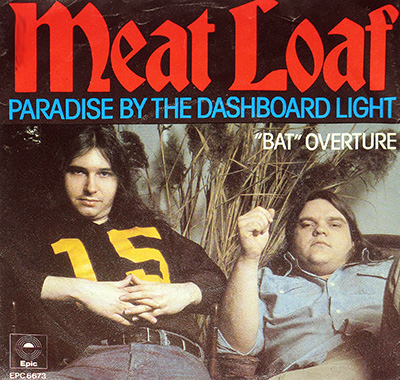
“Paradise by the Dashboard Light” doesn’t just tell a story — it stages one. “Two Out of Three Ain’t Bad” doesn’t comfort you; it admits something awkward and then sits in the silence. And that’s why it works: the bombast is real, but so is the bruised edge underneath.
Impact:
Meat Loaf didn’t “redefine rock” in some tidy textbook way. He proved there was still room for excess — not as a gimmick, but as a choice. He made it normal for rock to be theatrical without winking at the audience like it was embarrassed.
Pop culture loves him for the big records, but he’s also literally in the cult bloodstream: The Rocky Horror Picture Show (1975), where he plays Eddie and blasts out “Hot Patootie.” It’s not subtle. It’s not meant to be.
References
- Vinyl-Records.nl: Meat Loaf - "Bat Out of Hell" (high-resolution cover photos)
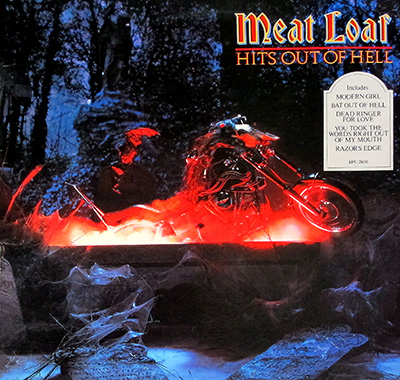
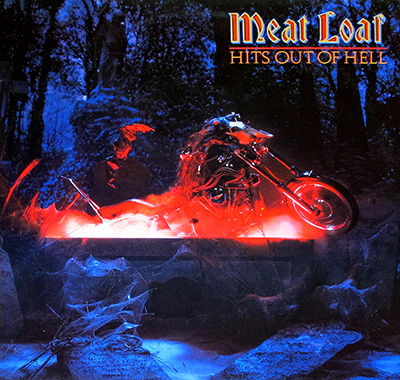
- Vinyl-Records.nl: Meat Loaf - "Hits Out of Hell" (high-resolution cover photos)
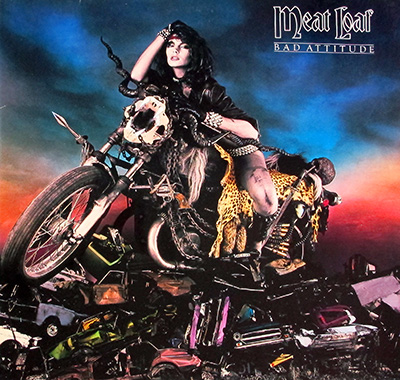
- Vinyl-Records.nl: Meat Loaf - "Bad Attitude" (high-resolution cover photos)
- Jim Steinman: The story behind "Bat Out Of Hell"
- GRAMMY.com: Meat Loaf awards (win for “I'd Do Anything For Love (But I Won't Do That)”)
- Wikipedia: "Bat Out of Hell" (release date, recording years, producer)
In the end, “Meat Loaf the band” is really a moving theater troupe with amplifiers — sometimes glorious, sometimes ridiculous, often both at once. Which is kind of the charm. Rock could use more of that, honestly.