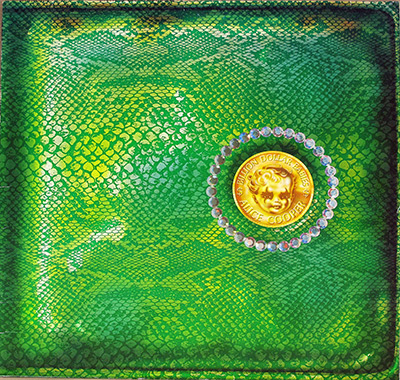
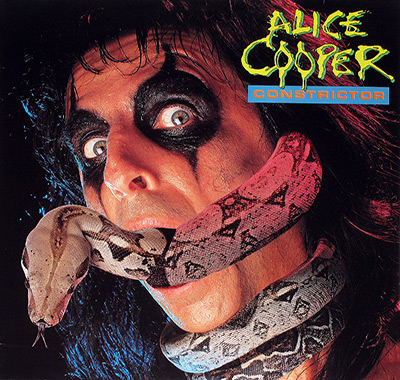
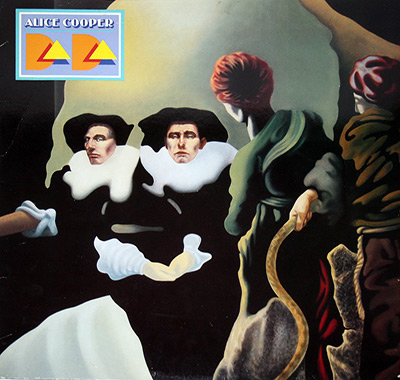
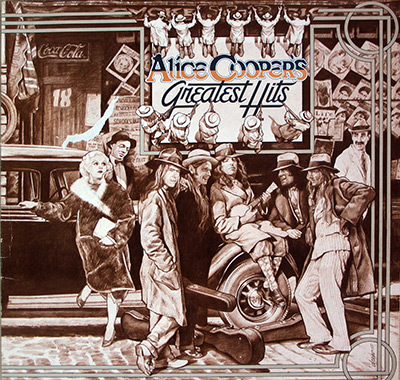
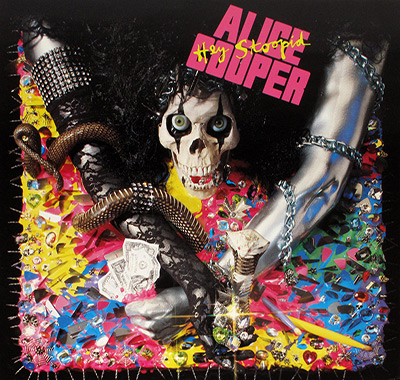
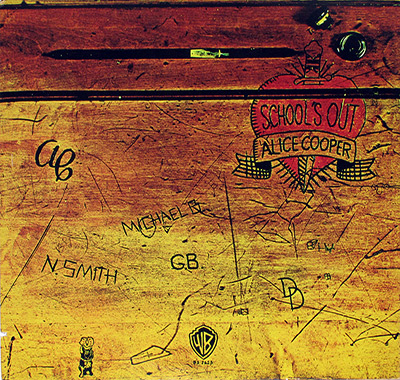
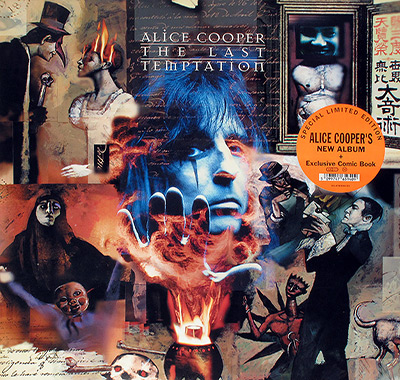
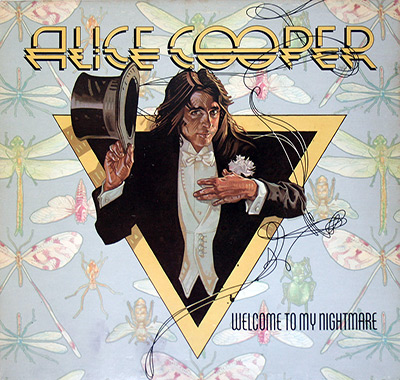
Bob Ezrin is the Canadian producer who taught rock to think in widescreen, properly. I heard his touch in the Alice Cooper band years (1971-1974) on "Love It to Death", "Killer", "School's Out" and "Billion Dollar Babies", then again when he steered Alice's solo debut "Welcome to My Nightmare" (1975). In 1973 he put Lou Reed's bleak masterpiece "Berlin" on a velvet operating table. He turned Kiss into arena-grade steel on "Destroyer" (1976), came back for the darker detour "Music from The Elder" (1981) and later "Revenge" (1992). In 1977 he framed Peter Gabriel's first solo album, and in 1979-1980 he helped Pink Floyd stack the bricks on "The Wall".
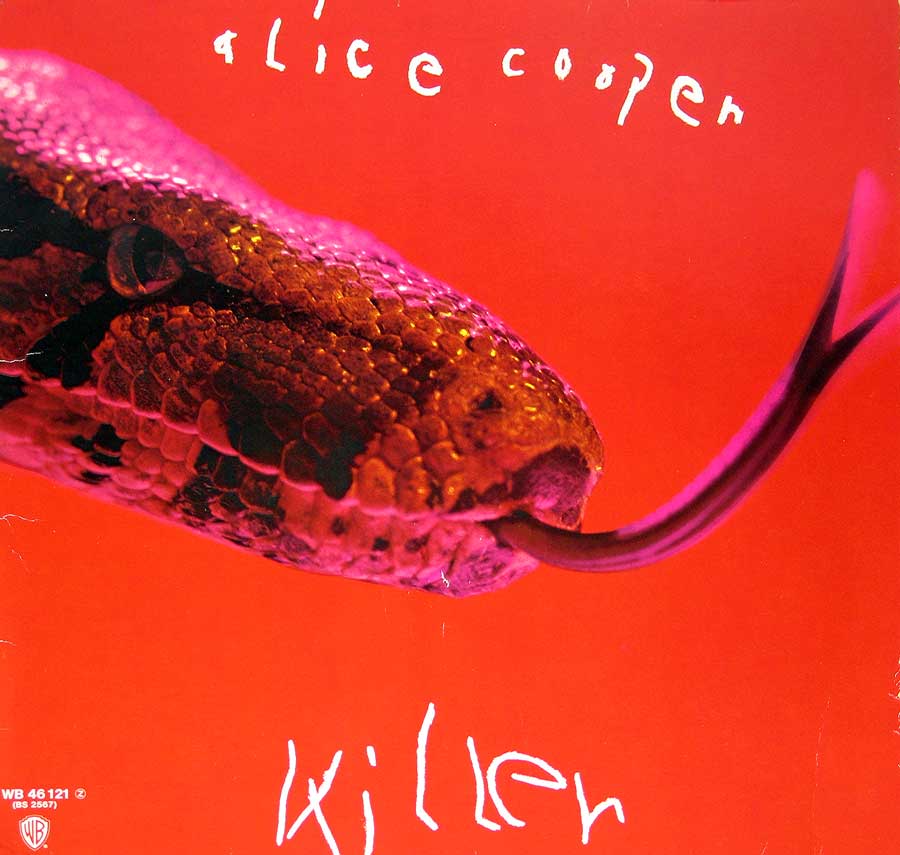
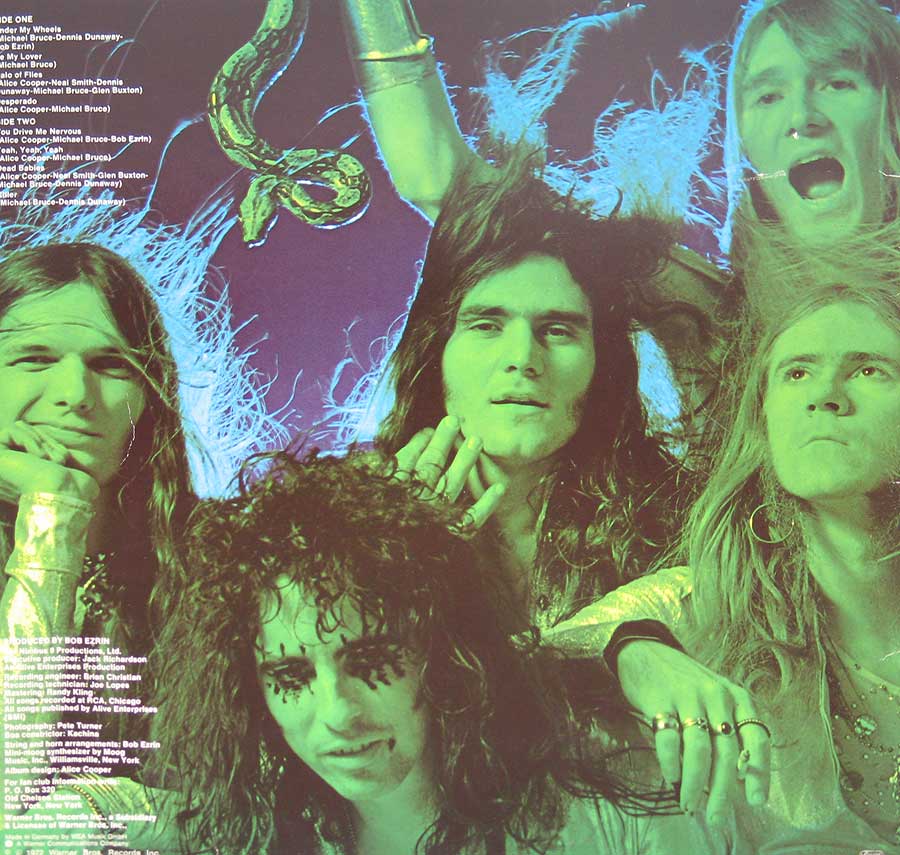
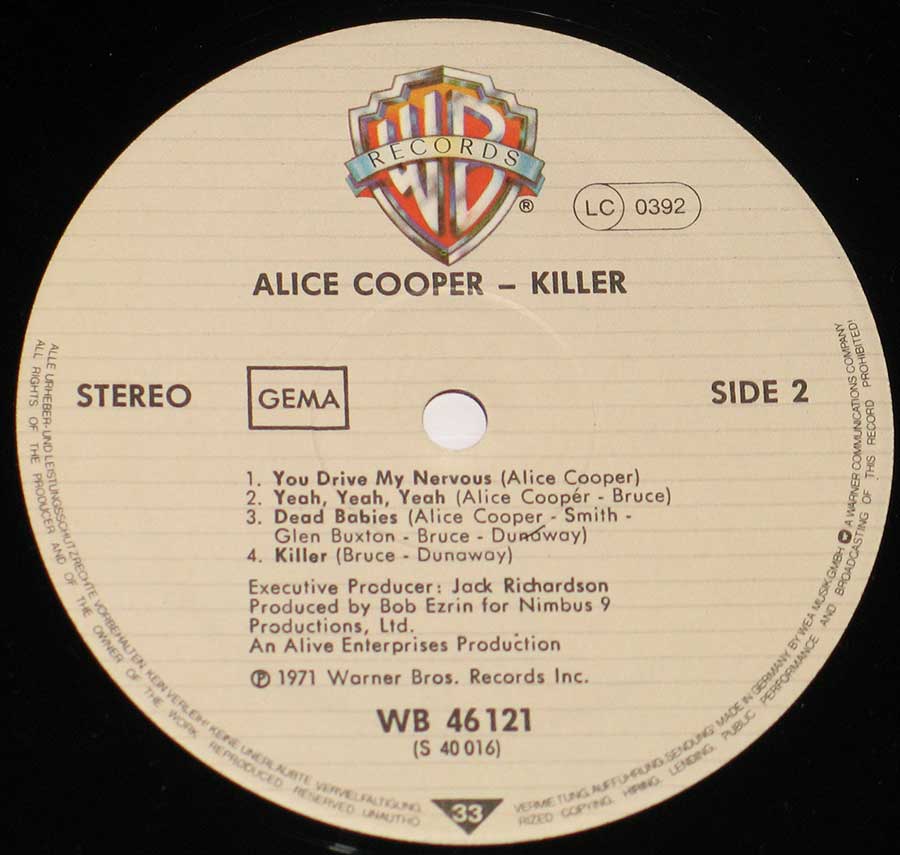
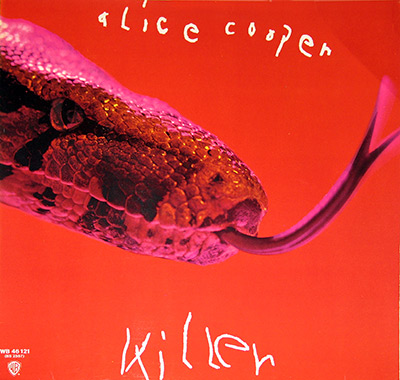
Alice Cooper - Killer 12" Vinyl LP Album
- German Releasw with Solid Beige Record Label
In the heart of darkness, 1971, Alice Cooper unleashed 'Killer,' a sonic assault that ripped through the music scene like a runaway hearse. This wasn't just an album; it was a macabre masterpiece, a venomous concoction of hard rock, heavy metal, and theatrical horror. Cooper, the ringmaster of the bizarre, invited listeners to a twisted carnival of sonic delights, where themes of violence, madness, and societal decay danced hand in hand with infectious melodies and razor-sharp lyrics. 'Killer' was a declaration of rebellion, a middle finger to the establishment, and a sonic sucker punch to the gut that left audiences breathless and begging for more.