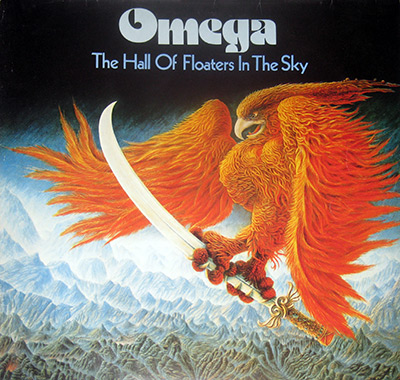
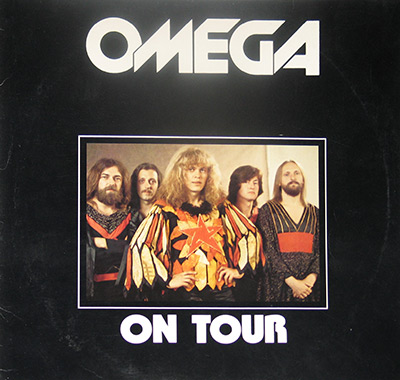
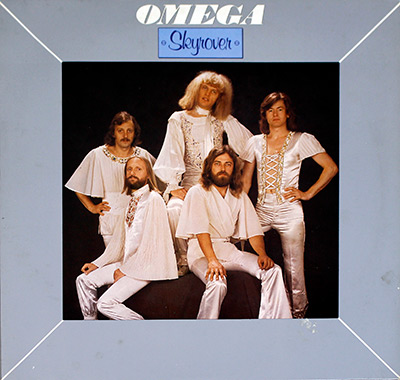
Peter Hauke, Peter Hauke is a German producer and sound engineer, and in my book he flies the mixing desk like a cockpit: calm hands, sharp ears, zero mercy for mud. To my ears, his early-1970s run with Nektar (1971-1974, including "Remember the Future") nailed that widescreen space-rock glide, then mid-1970s work with Omega pushed prog into colder, grander atmospheres. Late-1970s, he locked in Supermax's groove-and-punch, and by the late 1970s into mid-1980s Hotline Studios in Frankfurt became his home base, producing Tony Carey's Planet P material with a tight, radio-ready snap.
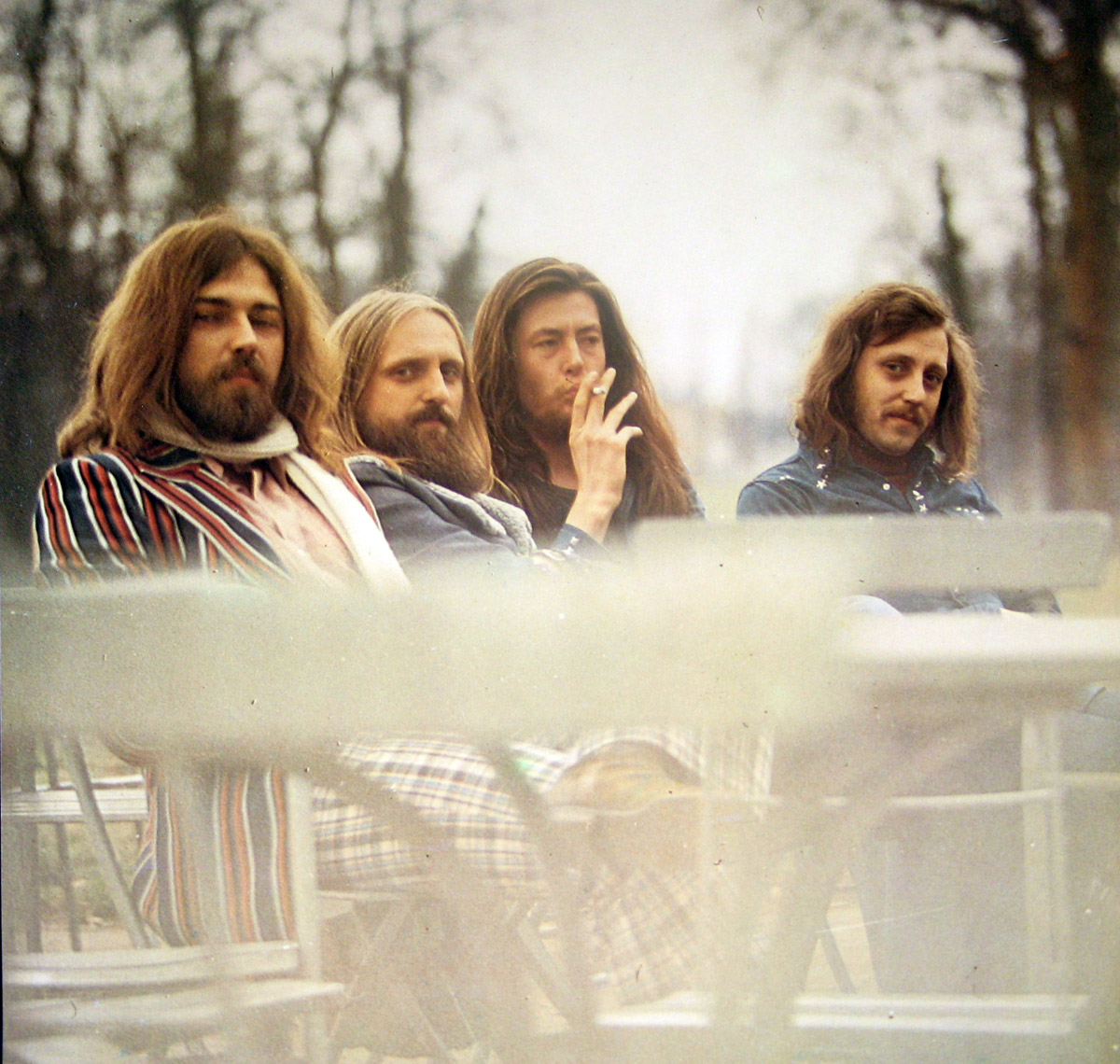
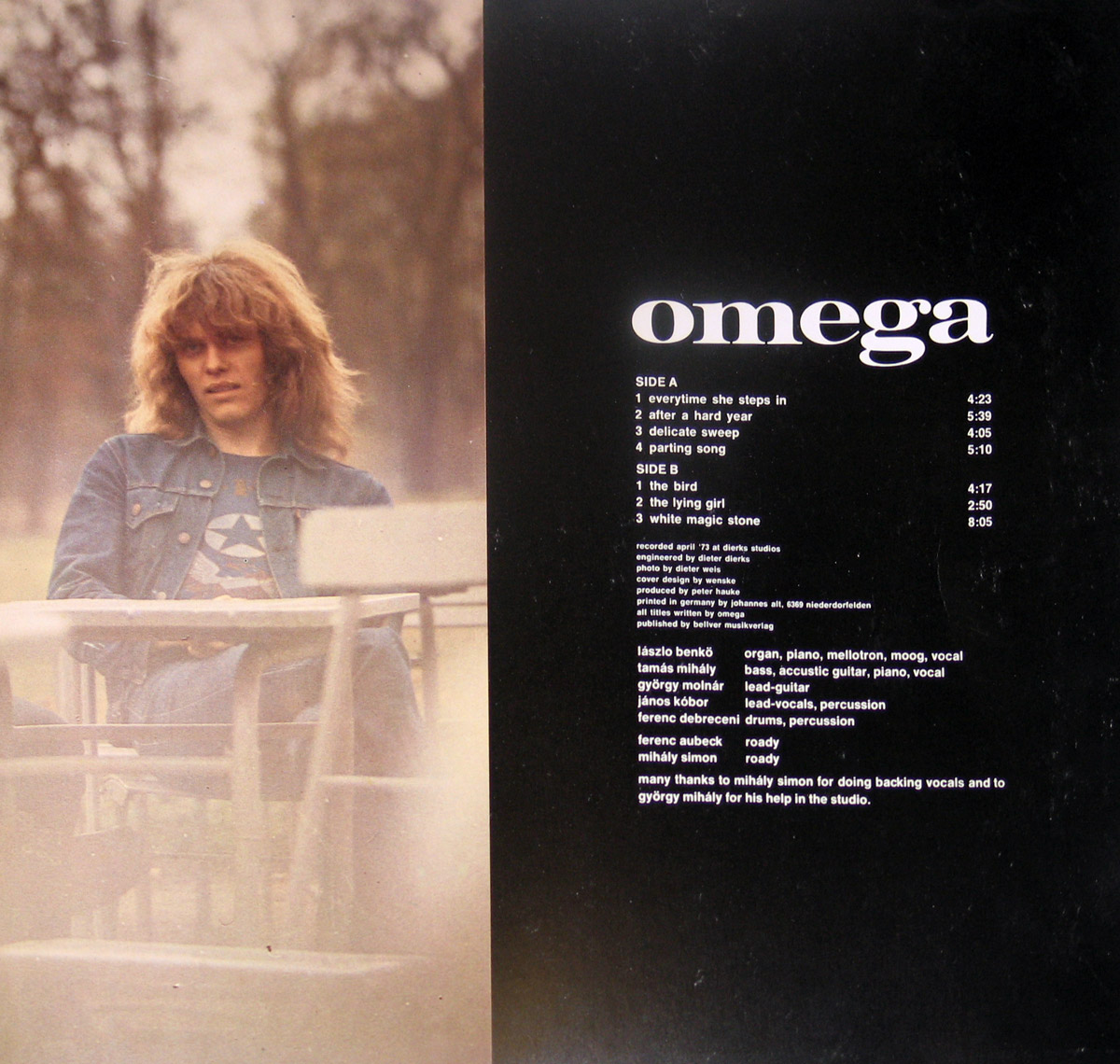
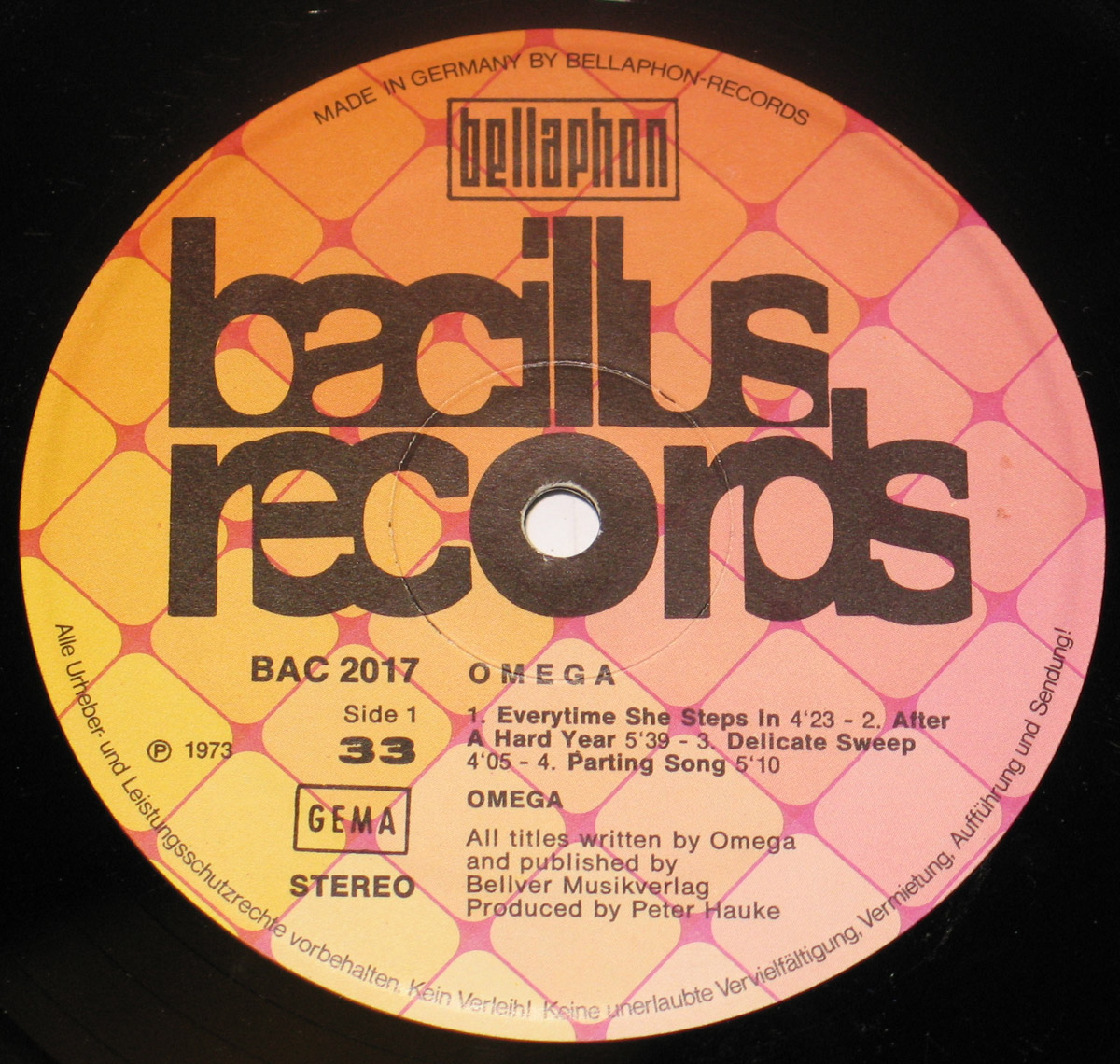
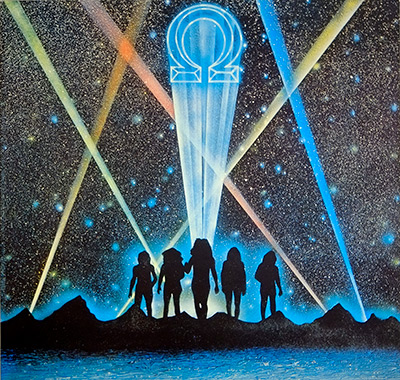
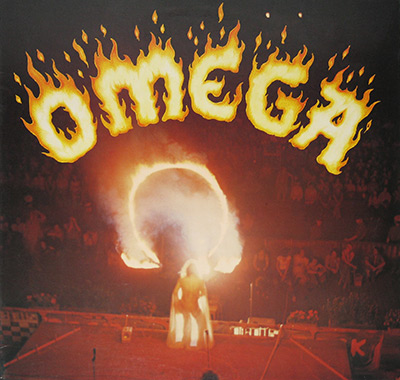
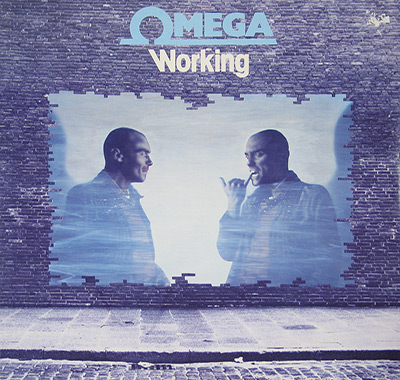
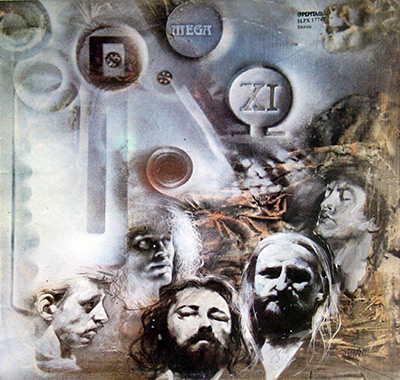
OMEGA - S/T Self-titled 12" Vinyl LP Album
- Hungarian Prog Psych Stoner Rock
Omega's 1973 self-titled debut, recorded at Dierks Studio in Germany, is a cornerstone of Hungarian rock. Blending psychedelic, progressive, and hard rock elements, the album faced controversy for its Western influence. Powerful vocals, intricate instrumentals, and catchy melodies resonated with a generation seeking freedom of expression, solidifying Omega's place as pioneers of Hungarian rock.