"Country Life" Album Description:Band Description:
Roxy Music's fourth studio album, "Country Life", released in 1974, remains an enduring masterpiece that seamlessly blends elements of glam rock, art pop, and avant-garde experimentation. While the album's music captivated listeners with its innovative sound, the album's front cover art sparked controversy and censorship in various regions.
The Musical Brilliance of "Country Life":
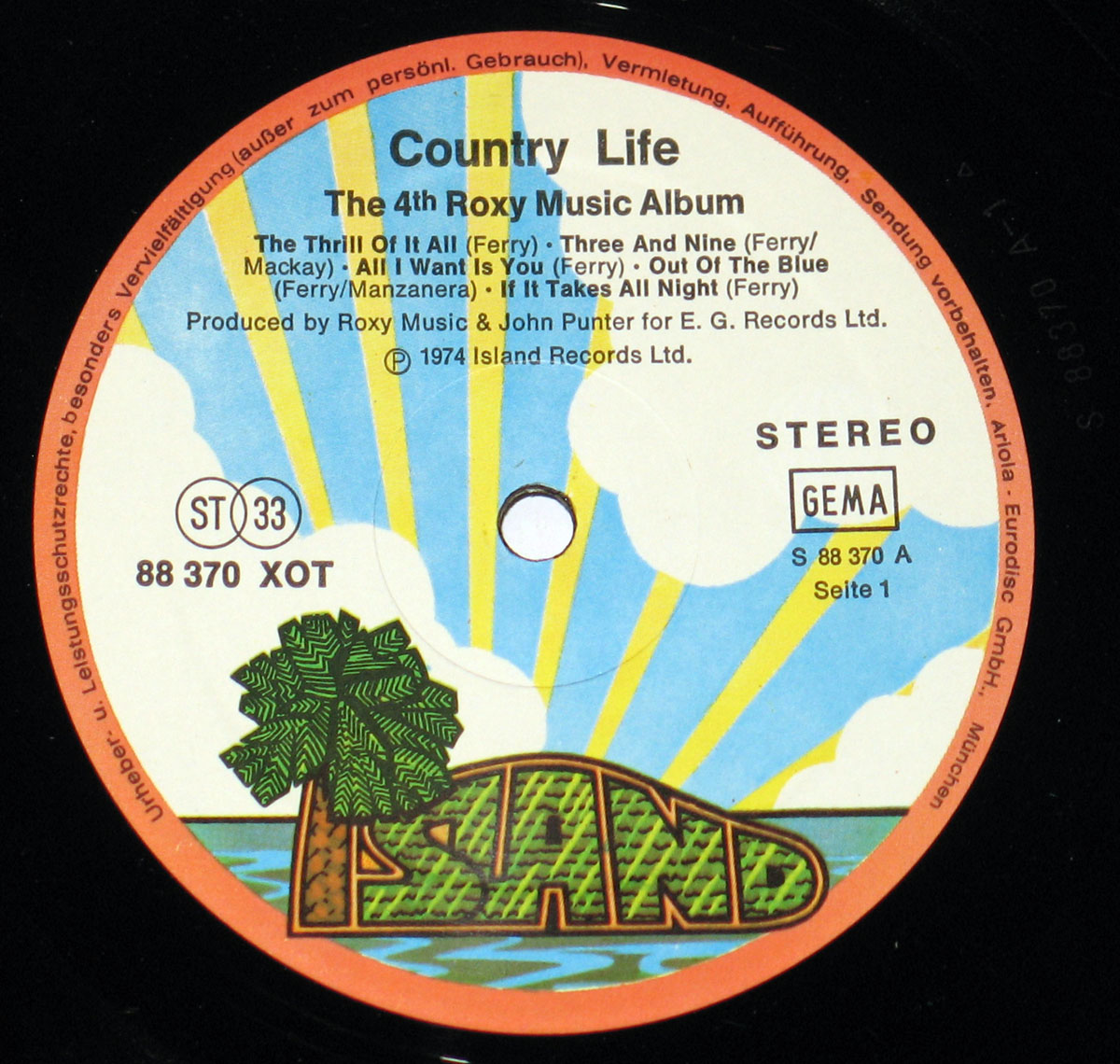
"Country Life" is a testament to Roxy Music's creative prowess, helmed by the visionary Bryan Ferry. The album represents a progression from the band's previous works, showcasing a more refined and sophisticated sound. Tracks like "The Thrill of It All", "Out of the Blue", and "Prairie Rose" demonstrate the band's ability to seamlessly blend genres, combining elements of rock, pop, and electronic music.
Roxy Music's distinct musical style, characterized by Brian Eno's innovative synthesizer work and Ferry's smooth vocals, shines throughout the album. The band's skillful use of instrumentation, including saxophone solos, prominent basslines, and atmospheric guitars, creates a rich sonic tapestry that sets "Country Life" apart from their earlier albums.
The Banned Album Cover:
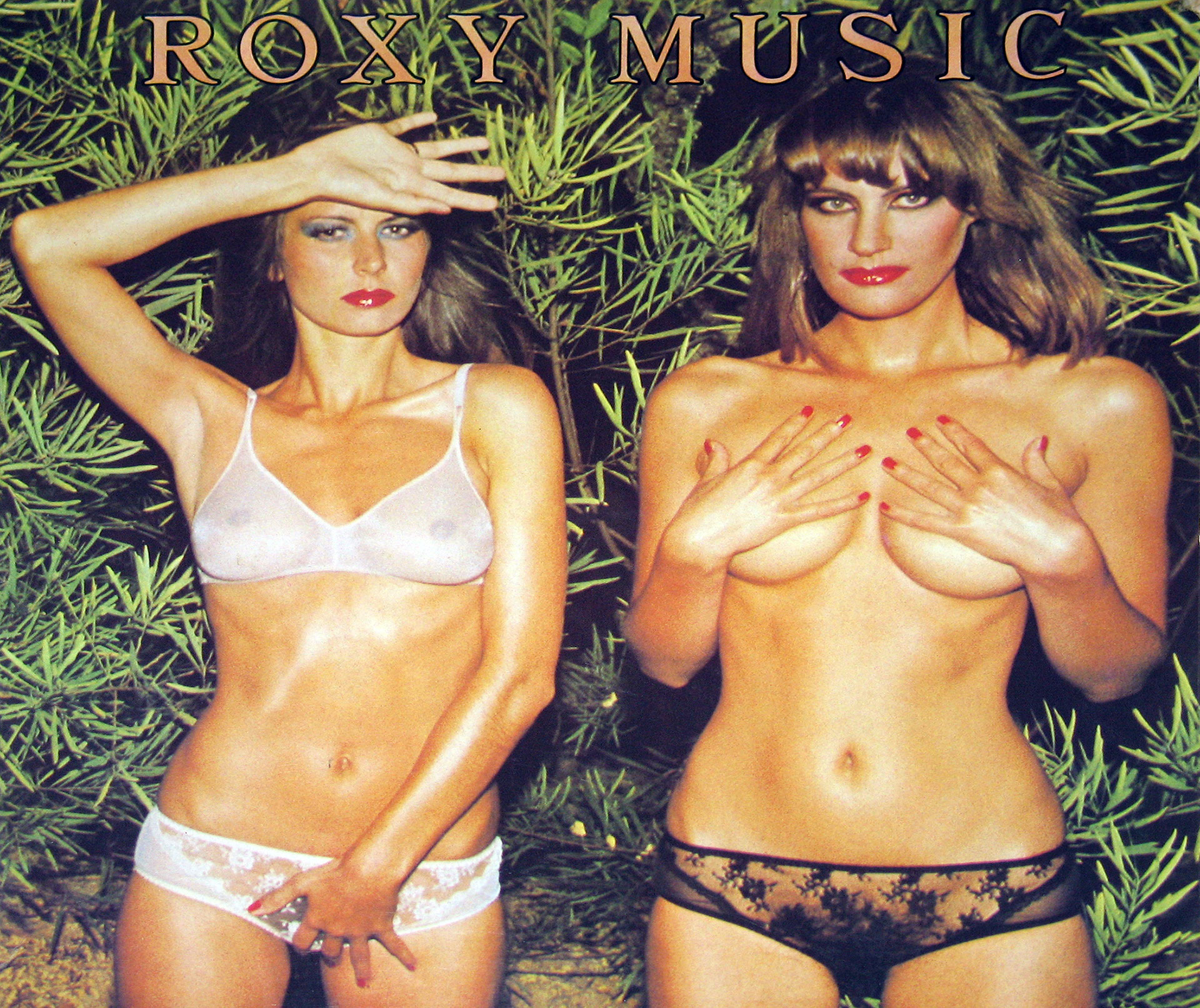
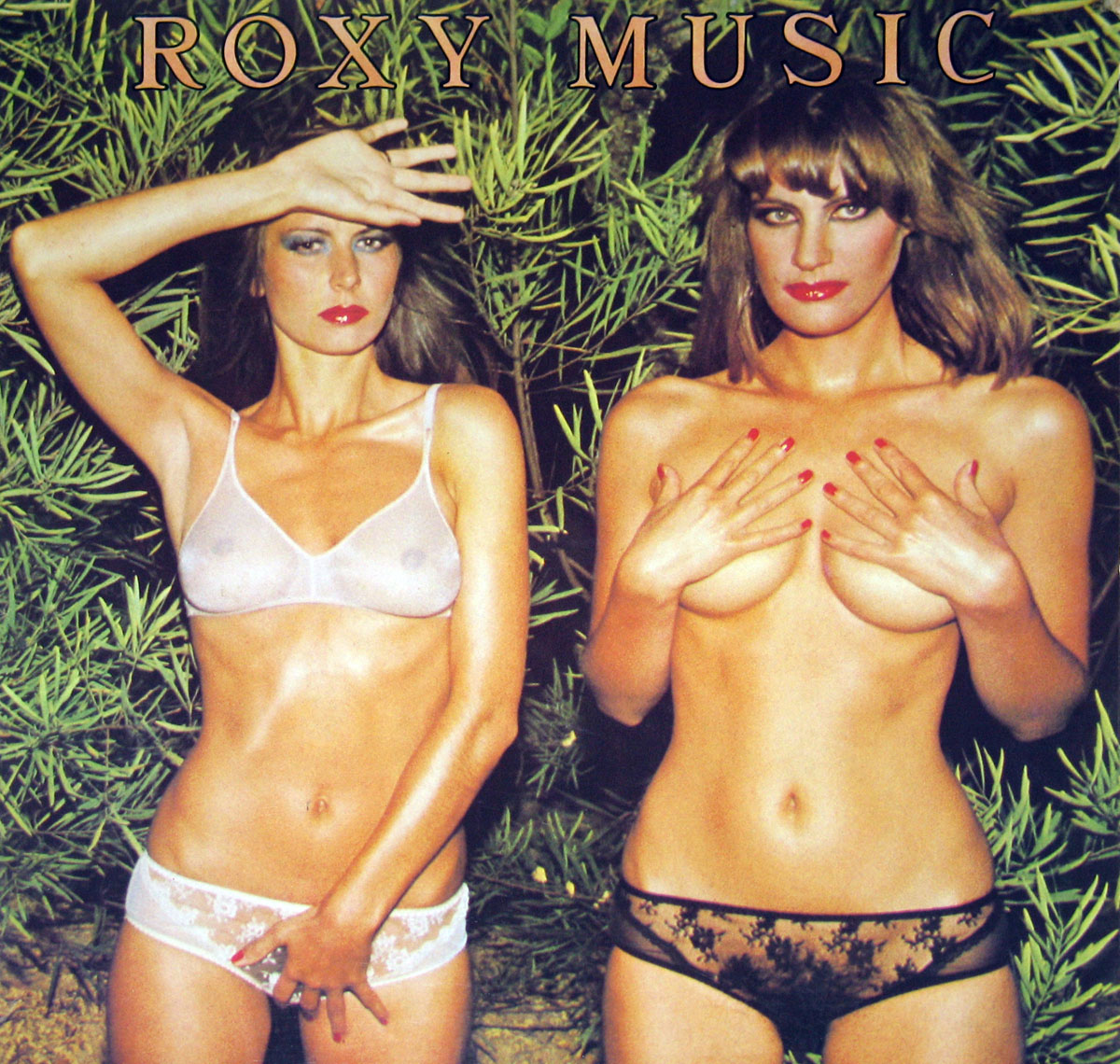
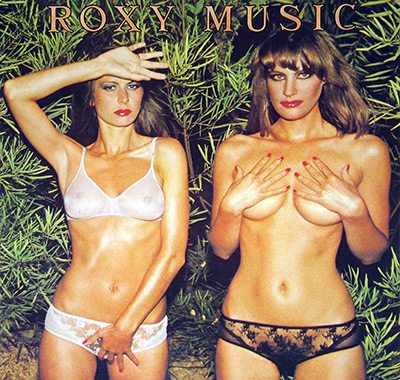
One of the most intriguing aspects of "Country Life" is the controversy surrounding its album cover. The original cover art features two models, Constanze Karoli and Eveline Grunwald, standing in front of a lush green backdrop. Clad in revealing lingerie, the models exude sensuality and an air of mystique. The provocative nature of the image, combined with the models' scantily clad attire, caused a stir in the conservative cultural climate of the 1970s.
In response to the album cover's perceived obscenity, certain regions, particularly in the United States, implemented bans and censorship. In these areas, an alternative version of the cover was used, completely airbrushing out the women, leaving only the green backdrop and the band's logo. The decision to ban the original cover was based on moral objections, viewing the depiction of the female form as inappropriate or offensive.
The Ban and Societal Attitudes:
The ban on the original album cover reflects the prevailing societal attitudes towards nudity and sexuality during the 1970s. In many parts of the world, there was a conservative backlash against perceived indecency in popular culture, and album covers were not exempt from this scrutiny. Roxy Music's "Country Life" became a victim of this moral panic, with critics arguing that the album cover objectified women and promoted lasciviousness.
However, it is important to consider the artistic intent behind the album cover. Roxy Music, known for their boundary-pushing aesthetic and experimental approach to music, likely sought to challenge traditional notions of beauty and provoke discussions about sexuality and the male gaze. While the ban may have hindered the album's exposure in certain areas, it also inadvertently added to the intrigue and mystique surrounding Roxy Music's work.
Legacy and Influence:
Despite the controversy surrounding the album cover, "Country Life" has endured as a musical landmark. The album's impact on subsequent generations of musicians is undeniable. Roxy Music's innovative sound and fearless exploration of genres have influenced countless artists in various genres, including new wave, art rock, and alternative pop.
The Controversial Cover :
Roxy Music's "Country Life" album, released in 1974, not only marked a pivotal moment in the band's musical journey but also stirred significant controversy with its provocative cover art. This controversy, particularly prevalent in the United States and parts of Europe, added an intriguing layer to the album's reception.
The cover art of "Country Life" features two scantily clad models, Constanze Karoli and Eveline Grunwald, set against a lush green backdrop. The image is undeniably suggestive, with the revealing clothing and an overall sensuality that captured attention.
In the context of the rock scene of the time, such provocative imagery wasn't entirely unprecedented. However, "Country Life" pushed the boundaries, leading to a considerable uproar. Critics, especially in the United States, raised concerns about the perceived objectification of women. The contention was that the models were portrayed primarily as sexual objects, with little consideration for their individuality or agency.
This criticism reflected the cultural norms surrounding nudity and sexuality, which were more conservative in the United States compared to Europe. The controversy prompted the release of a censored version of the album in certain countries, including the US. This edited cover replaced the models with only the green background and the band's logo.
However, despite the controversy surrounding the cover art, "Country Life" maintained its musical integrity and emerged as a critical and commercial success. The album showcased Roxy Music's sophisticated blend of art rock, glam rock, and avant-garde elements, solidifying their reputation as innovators in the music industry.
The debate sparked by the cover art raises important questions about artistic expression, censorship, and the portrayal of sexuality in popular culture. While some may argue that the cover was a product of its time, others see it as a reminder of the ongoing tension between artistic freedom and societal norms.