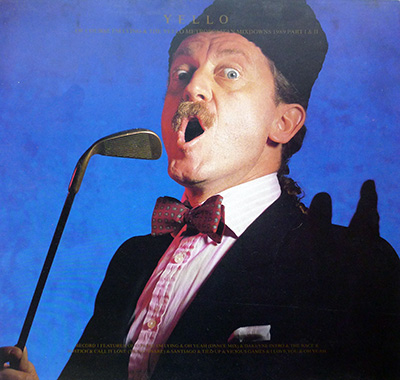
Boris Blank’s Machines, Dieter Meier’s Voice — The Controlled Malfunction Called Yello
Yello always felt less like a band and more like a beautifully controlled malfunction. Boris Blank built these clipped, gleaming machines out of rhythm, tape, and studio obsession; Dieter Meier walked through them sounding as if he had just stepped out of a nightclub, a gallery opening, or a very expensive joke. That is the charm. Not warmth, exactly. Style with a wink. Oh yeah, and then another one.
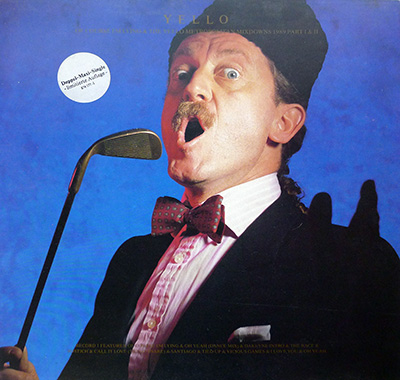
The group started in Zurich in 1979 with Blank and Carlos Peron, before Meier joined shortly afterward and gave the whole project its voice, its posture, and much of its mischief. Early Yello did not arrive wrapped in polite synth-pop packaging. It twitched. It bounced. It sampled odd scraps and turned them into grooves that sounded too clever to be accidental. "Bostich" was the first real signal flare, and from there the thing took on a life of its own.
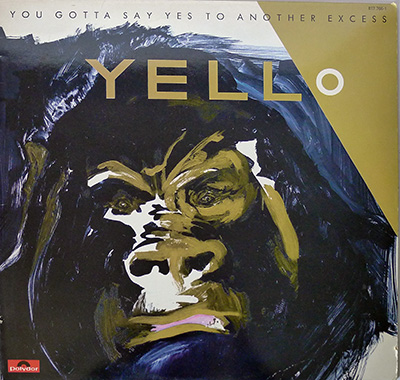
By the time You Gotta Say Yes to Another Excess arrived in 1983, Yello had already stopped being merely odd and started becoming unavoidable. The album pushed them further into the charts and gave them sharper visibility with tracks like "I Love You" and "Lost Again." You can hear the shift immediately. The edges are still there, but the hooks come dressed better. Not tamed, exactly. More like the chaos learned how to wear a suit.
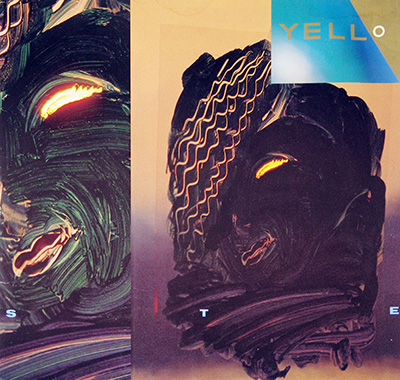
Then came Stella in 1985, and that was the record where the whole balancing act really clicked. It hit No. 1 in Switzerland, which was no small thing, and it carried "Oh Yeah" into the world like a smirking little time bomb. That song stopped belonging only to the album almost the minute it escaped. Films grabbed it, television grabbed it, advertising grabbed it, and somehow it never quite wore out its welcome. Annoying, really, because songs that overexposed usually die on contact. This one did not.
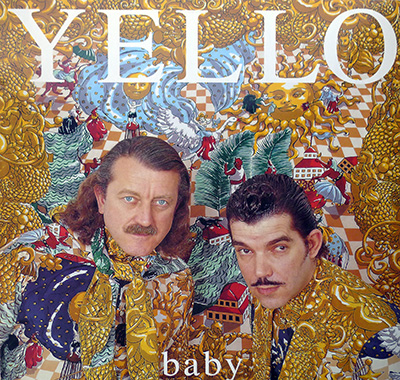
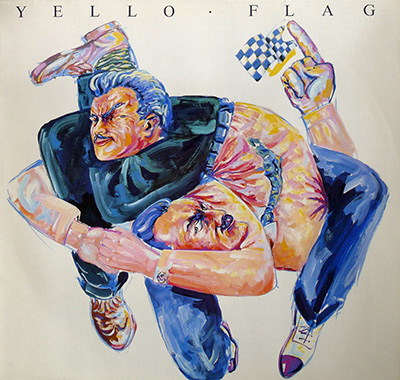
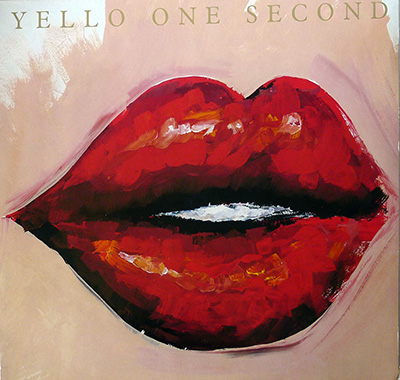
What followed in the late 1980s and early 1990s was not repetition but refinement. One Second, Flag, and Baby each pushed the Yello formula sideways rather than forward in some boring textbook sense. Blank kept tightening the sound until it gleamed, while Meier kept drifting over the top of it like a man who knew understatement was for other people. Some bands age by sanding off their quirks. Yello doubled down on theirs.
That is probably why the records still feel physically present. Not nostalgic in the lazy retro way. Present. Put Yello on in a room with decent speakers and the music starts arranging the furniture in your head. Chrome, shadow, movement, a bit of dry humour. I never hear them as background music. They always sound like they have entered on purpose.
Their catalog also spread into remixes, compilations, film use, television, commercials, and all the usual side doors through which a distinctive sound sneaks into everyday life. But I would not reduce Yello to influence, because that word gets thrown around when people cannot be bothered to describe what they actually hear. Better to say this: plenty of electronic acts learned precision from Blank, mood from Meier, and attitude from the collision between them. Few managed to steal the whole trick.
That is what makes Yello last. Not because they fit neatly into the history of European electronic music, but because they never sounded fully settled inside it. Too playful for the purists, too weird for the mainstream, too polished to pass as underground innocence. Good. That tension is the whole point. The moment Yello sounds normal, something has gone badly wrong.