Yello – Stella 12" Vinyl LP Album

- electronic pop rock dance

Album Front Cover Photo of Yello – Stella Visit: https://vinyl-records.nl/

Listening to Stella always drops me straight back into that sharp mid-80s world where Yello perfected their neon-lit electronic pulse. The album’s mix of icy precision and sly humor still hits hard, especially on tracks like “Desire,” “Vicious Games,” and the unavoidable “Oh Yeah.” Produced with obsessive detail by Boris Blank and Dieter Meier, and wrapped in Ernst Gamper’s sleek artwork, this release has the unmistakable feel of an era when synths ruled and every groove hinted at a late-night story waiting to unfold.

Table of Contents

YELLO – “Stella” (1985): A Personal Reflection

“Stella” always hits me like a neon sign flickering on in a dark room — sudden, stylish, and way too confident for its own good. This is the moment Yello fully morphed from eccentric Swiss experimenters into pop-culture architects, slipping their sound straight into the bloodstream of the mid-80s. Even now, listening on my stereo

Mid-80s Europe was drowning in synthesizers and shoulder pads, but the electronic scene wasn’t just fashion — it was a shift in how music worked. Germany had already pushed electronic pop into mainstream orbit through acts like Kraftwerk and Alphaville, while club culture in the UK and US was turning drum machines into religion. “Stella” landed right in the middle of all that, and instead of following the trend, Yello bent it into their own surreal shape.

Up to this point, Yello had been the lovable weird uncles of electronic music — stylish, sure, but also just eccentric enough that nobody knew what they’d do next. Then 1985 hit, and suddenly Blank and Meier were done being the underdogs. They locked themselves into Yello Studio, pushed their gear to the absolute limit, and refined every sound until it snapped with precision. The result wasn’t an accident. It was a declaration.

The sound on “Stella” feels engineered for night drives and smoky basements. The album kicks into gear with “Desire,” all brooding synth shadows and cinematic tension — a reminder that Yello always thought in widescreen. “Vicious Games” flips the script with its icy, whispered urgency. And then there’s “Oh Yeah,” the track that escaped the album and ran wild across movies, commercials, and every teenager’s subconscious. It’s simple, primal, and weirdly hypnotic; the kind of song you don’t just hear, you absorb.

Plenty of 1985 pop albums were leaning into big choruses and polished sheen — think Tears for Fears’ “Songs from the Big Chair” or Depeche Mode’s “Some Great Reward.” But while others aimed for emotional drama or dark romanticism, Yello aimed for pure sensation. Their sound didn’t cry or confess; it pulsed, grinned, and threw on sunglasses at night. That swagger made “Stella” stand alone: cooler, stranger, sharper.

If there was controversy around the album, it wasn’t scandal — it was confusion. Critics weren’t sure what to do with “Oh Yeah,” which didn’t behave like a pop single at all. Some called it a joke. Others said it was too repetitive. Fans just blasted it louder. Meanwhile, longtime Yello devotees were split: had the band gone “too commercial,” or had they unlocked the logic behind their own madness?

Inside the band, you can feel both ambition and friction humming beneath the surface. Boris Blank’s meticulous programming and sonic architecture bump right up against Dieter Meier’s theatrical vocals and cryptic storytelling. It’s a classic creative tension: the perfectionist and the performer, each pulling the album toward a different kind of greatness. The push-pull is exactly why “Stella” works — neither side wins; both collide beautifully.

The reception was instant. Europe embraced the record like a stylish new accessory. Critics praised the production, noting how a Swiss duo had somehow beaten bigger studios at their own game. Over time, “Stella” became the album people returned to when explaining why Yello mattered — the turning point, the breakthrough, the “before and after” line in their catalog.

Decades later, the album still has that glossy midnight sheen. The grooves smell faintly of old clubs, VHS static, and the kind of optimism only the 80s could produce. Every track reminds me why this record survived when so many others from that era sound trapped in time. “Stella” remains a neon-lit snapshot of electronic music growing up — and still choosing to have fun while doing it.
Album Key Details: Genre, Label, Format & Release Info

Music Genre:

Pop Dance Disco Music

Pop Dance Disco blends catchy melodic hooks with rhythmic, club-oriented beats and polished production. During the mid-1980s the genre embraced electronic instruments, drum machines and synth-programmed grooves, creating a sleek, modern sound designed for both radio play and dancefloor energy.

Label & Catalognr:

Vertigo 822 820-1 (822820)

Album Packaging

Standard sleeve.

Media Format:

Record Format: 12" LP Vinyl Gramophone Record

Year & Country:

1985 – Made in Germany

Production & Recording Information:

Producers:
  • Boris Blank – Music composed and arranged What hits me every time I’m listening to “Stella” is how Blank turns the studio into a living machine. His sound design feels razor-clean yet strangely emotional, like he’s painting with voltage instead of colours. You can hear how much sculpting went into every layer — beats, textures, little sonic glints hiding underneath. The album’s whole futuristic atmosphere grows straight out of his meticulous fingerprints.
  • Dieter Meier – Lyrics and vocals Meier’s presence on “Stella” feels like the human pulse inside all that electronic architecture. His voice doesn’t just sit on top; it prowls through the tracks with that trademark cool detachment, giving the album its personality. The lyrics land like little cryptic postcards — half theatre, half philosophy — and together they anchor the record so it never drifts into cold abstraction.
  • Yello – Production & engineering The production has that unmistakable precision the duo always chased, but here it feels sharper, more cinematic. Their engineering choices keep everything tight: deep low-end, glossy highs, and enough space for all the odd details to breathe. When I’m listening to “Stella,” it feels like stepping into a curated sonic world — one where every echo, cutoff and transition has been placed with obsessive intent.
Sound & Recording Engineers:
  • Ian Tregoning – Mixing assistance Tregoning’s touch shows up in the album’s clarity — all those stacked layers stay sharp rather than collapsing into mush. The mixes breathe more because of his balancing work: percussion stays crisp, synth lines remain distinct, and the vocals glide without getting swallowed. Listening to the vinyl closely, I catch his influence in the way the stereo image stays clean even in the densest sections.
  • Tom Thiel – Remix engineer (Hartmann Digital Studio) Thiel gives “Stella” its polished digital shine. His remixes smooth out the edges without sanding away the character. You can feel his hand in the refined transitions and tightened dynamics — the album suddenly snaps into focus in a way only mid-80s high-end studios could deliver. His tweaks help “Stella” bridge that line between experimental art project and sleek electronic pop.
Recording Location:

Yello Studio

Mixing Studio & Location:

Partly remixed at Hartmann Digital Studio

Album Cover Design & Artwork:
  • Ernst Gamper – Cover design Gamper’s design nails the album’s vibe before a single note plays — cool, minimal, slightly mysterious. The artwork feels like a visual extension of the music: sleek lines, restrained colour, a sense of modernity without shouting. It’s the kind of cover that becomes part of how you remember the record. Listening to the album with this sleeve in hand always sets the right mood.
Additional Musicians & Credits:
  • Rush Winters – Vocals Winters adds those airy, emotional layers that soften the album’s harder electronic edges. Her vocals slip into the songs like quick flashes of warmth, giving contrast to Meier’s cooler delivery. I always notice how her harmonies enrich the mood — suddenly a track feels more dramatic and more human. Listening to the album with attention makes her subtle contributions stand out.
  • Chico Hablas – Guitars Hablas drops in those sharp, tasteful guitar accents that remind you this isn’t purely a machine world. The organic bite of his playing opens up pockets of energy inside the programmed rhythms. When I’m listening to “Stella,” those small guitar bursts feel like sparks — quick reminders of human touch inside a carefully constructed electronic environment.
  • Beat Ash – Drums Ash’s drumming adds physical punch to the otherwise meticulously programmed soundscape. The live hits give certain tracks that extra shove — the kind that perks up your speakers and your ears. Listening to the album, his playing always brings a sense of movement that keeps the music grounded instead of drifting into cold synth territory.
  • Annie Hogan – Piano Hogan’s piano moments feel like little emotional anchors scattered across the record. Surrounded by all the digital textures, her playing adds warmth, fragility and brief moments of closeness. Whenever I’m listening to “Stella” and a piano line appears, the whole mood shifts — softening the edges while giving the track a more heartfelt center.
  • Petia – Glassharp Petia Kaufman is one of those rare names that appear quietly in the credits yet never surface in the actual sound of the album. Her glassharp recordings were made during the sessions but ultimately not used in the final mix, and I couldn’t find any notes about her performance in my own paper collector notebooks either.
  • Dianne Brill – Presented “Yello Live at the Roxy, N.Y.” Brill’s involvement ties the album to the mid-80s New York scene, giving it a bit of club-world glamour. Presenting the band at The Roxy placed “Stella” in a cultural setting that matched its style — eccentric, sleek and a bit surreal. Listening to the album with this context in mind makes its aesthetic choices feel even more intentional.

Collector’s Note: The Unheard Glassharp on “Stella”

Petia Kaufman’s glassharp credit has always intrigued me, especially since none of her recorded parts made it into the final mix of “Stella.” I checked my own paper collector notebooks and found not a single mention of her appearing on any track, which confirms how quietly this detail sits in the album’s history.

Details like this add a layer of charm to the record for me. Even though the glassharp never made the cut, the idea of those fragile tones floating through the early sessions gives the album a hidden dimension, a reminder of the experiments that shaped its final sound.

Band Members / Musicians:

Band Line-up:
  • Dieter Meier – Vocals Meier has always been more than just “the singer of Yello” to me; he’s the conceptual frontman who gives all those sleek electronics a slightly mischievous human face. On “Stella” his detached, half-spoken delivery and cryptic lyrics set the emotional temperature of the whole album. Tracks like “Desire”, “Vicious Games” and “Oh Yeah” lean heavily on his phrasing, turning otherwise abstract soundscapes into scenes from some stylish, late-night movie.
  • Rush Winters – Vocals Winters is one of those 80s vocalists you might not name instantly, but listening to “Stella” it’s impossible to miss the difference her presence makes. Her voice adds a softer, more emotional counterpoint to Meier’s cool baritone, especially in the more dramatic passages. Those extra harmonies and lines she drops in give certain songs a lift, widening the mood from icy detachment to something more cinematic and bittersweet.
  • Rene Chico Hablas – Guitar Hablas is the player who sneaks real strings and fingers into this otherwise machine-driven world. His guitar lines on “Stella” are never showy, but they’re perfectly judged: little stabs of rhythm, melodic hooks and textural swirls that cut through the electronics. When I’m listening closely, his parts act like small electrical shorts in the grid, reminding me there’s still a human hand tugging at the edges of these immaculate arrangements.
 
  • Boris Blank – Keyboards, Electronics, Programming Blank is the architect behind Yello’s sound, the guy who turns tape, samples and synths into this strange, glossy universe I keep coming back to. On “Stella” his programming and keyboard work define everything: the pulse of “Oh Yeah”, the widescreen drama of “Desire”, the quirky details hiding in the corners. Every texture feels obsessively shaped, and the whole album stands as one of his tightest, most focused constructions on vinyl.
  • Annie Hogan – Piano Hogan is best known to me from her work with Marc Almond, but her appearance on the tracl "Blue Nabou" is a lovely curveball. Dropping piano into this sleek electronic setting could have felt old-fashioned, yet on “Stella” her playing adds just the right amount of warmth and vulnerability. Those brief piano lines open emotional windows in the middle of the synthetic sheen, turning certain passages into small, intimate moments instead of pure machine polish.
  • Beat Ash – Drums Ash is one of those long-time Yello collaborators who quietly make the records feel more physical. With so much programming on “Stella”, his live drumming adds the kind of punch and micro-imperfections that machines can’t fake. When the kit comes in, the grooves suddenly feel more grounded and bodily, like the album steps out of the laboratory for a moment and remembers it’s supposed to move actual people in real rooms.

Complete Track-listing:

Tracklisting Side One:
  1. Desire (3:47)
  2. Vicious Games (with Rush Winters) (4:18)
  3. Oh Yeah (3:05)
  4. Desert Inn (3:30)
  5. Stalakdrama (2:57)
  6. Koladi-Ola (Low Blow) (2:55)
Video: How the ‘Oh Yeah’ Song in Ferris Bueller Came to Be (Interview with Yellow
Tracklisting Side Two:
  1. Domingo (4:30)
  2. Sometimes (Dr. Hirsch) (3:30)
  3. Let Me Cry (3:29)
  4. Ciel Ouvert (5:20)
  5. Angel No (3:05)
Video: Yello - Vicious Games

Disclaimer: Track durations shown are approximate and may vary slightly between different country editions or reissues. Variations can result from alternate masterings, pressing plant differences, or regional production adjustments.

Collector’s Note: How I First Heard “Stella”

In the 1980s I listened to albums the normal way: one full side at a time, no skipping, no algorithm telling me what mood I should be in. These days people hop between songs like they’re browsing a snack menu, and the whole flow of an album gets tossed out the window.

So when I hear the tracks on YouTube now, it completely scrambles my internal wiring. My brain still expects “Desire” to slide straight into “Vicious Games,” exactly like it did on my old Vertigo pressing. Those two — plus “Domingo” — are still my personal favorites, the original versions that is. The remasters? They make me gag.

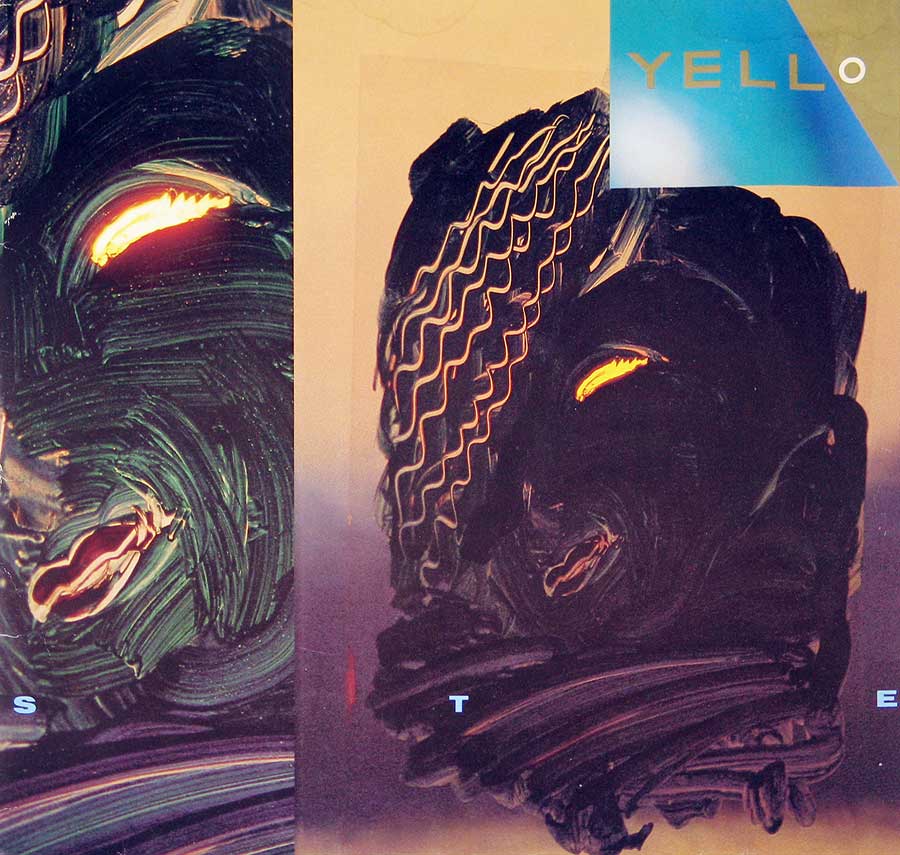
Album Front Cover Photo
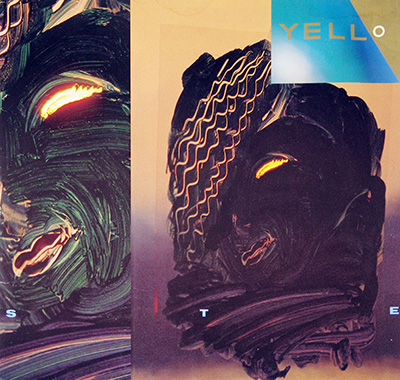
Front cover of Yello’s 1985 LP Stella, showing the distinctive abstract painted faces with thick textured brushstrokes, glowing orange highlights for the eyes, and the blue Yello logo in the upper right corner. The artwork is a major identifier for collectors because pressing variations often show slight differences in color saturation, contrast, and sharpness due to printing and aging.

The front cover of Stella features two large abstract faces built from thick, layered brushstrokes that look almost sculpted rather than painted. The surface has a heavy texture, with dark greens, blacks, and deep purples forming the contours. Each face carries a glowing orange slit for an eye, standing out sharply against the darker background. The left face has heavy curved streaks, while the right face introduces a zig-zag pattern across the forehead, giving the artwork a dynamic, restless energy.

The background shifts from a warm yellow tone at the top to a muted gradient near the lower half, creating a subtle depth behind the figures. The top-right corner displays the signature blue triangle with the YELLO logo in crisp gold lettering — a key identifier for this Vertigo pressing. The letters at the bottom spell out “S T E L L A,” spaced widely apart, with only partial fragments visible due to the framing of the artwork.

From a collector’s perspective, this cover is known for slight differences between print runs. Color saturation, the intensity of the orange highlights, and the overall contrast can vary noticeably between copies, especially as the inks respond differently to decades of storage, humidity, and light exposure. The image here shows the natural aging of a well-preserved 1985 German pressing: minor color softness, subtle gloss reflections, and the unique texture that only mid-80s printing techniques produced on matte-coated sleeves.

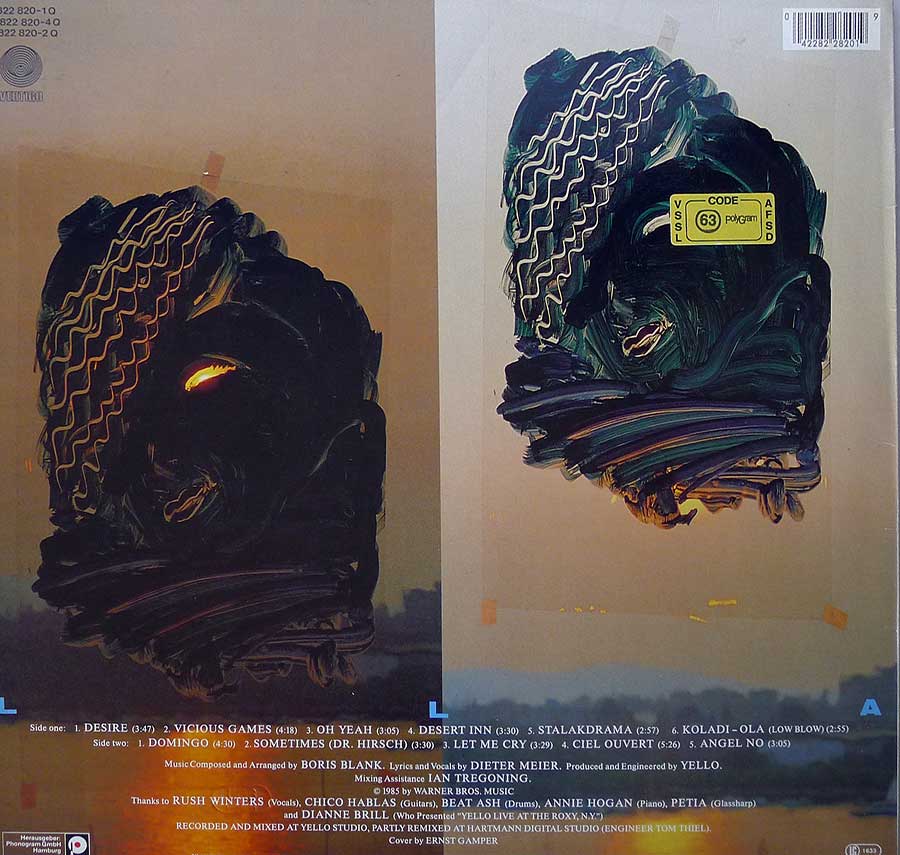
Album Back Cover Photo
Back cover of Yello’s 1985 LP Stella, showing two large abstract painted faces against a beige background, tracklisting for both sides printed at the bottom center, Vertigo catalog numbers in the upper left, and a yellow Polygram quality-control sticker near the upper right. The artwork and printed layout help collectors identify this specific German Vertigo pressing.

The back cover of Stella carries the same abstract, heavy-textured portrait style as the front, but each image is isolated on a cleaner beige background. The left figure sits in a darker palette with deep greens and heavy brush ridges forming the cheek and brow, topped with a zig-zag pattern running across the forehead. The eye is a sharp glowing orange slit that mirrors the design language from the front cover.

The right figure uses a slightly lighter mix of greens and purples, and this version shows more light across the top of the face. A bright yellow Polygram quality-control sticker is placed on the right image, adding an industrial, mid-80s production detail collectors immediately recognize. Small pieces of positioning tape are still visible around the artwork, hinting at how the original paste-up boards were photographed for printing.

Across the bottom third, the tracklisting for both sides appears in compact white text. All six songs from Side One are listed on the left, and the six tracks from Side Two on the right. Production credits follow directly beneath, naming Boris Blank for music composition and arrangement, Dieter Meier for lyrics and vocals, and Yello for production and engineering. Additional credits acknowledge contributors like Rush Winters, Chico Hablas, Beat Ash, Annie Hogan, Petia, and Dianne Brill, along with mixing assistance by Ian Tregoning and remix engineering by Tom Thiel.

The Vertigo catalog numbers — 822 820-1, 822 820-4, and 822 820-2Q — appear in the upper left in crisp black print, helping collectors confirm pressing lineage. A barcode sits in the upper right corner. All elements of the layout, from the typography to the placement of the credits, match the 1985 German pressing standards for Vertigo releases, making this back cover a reliable reference point when evaluating authenticity and condition.

Close up of Side One record’s label
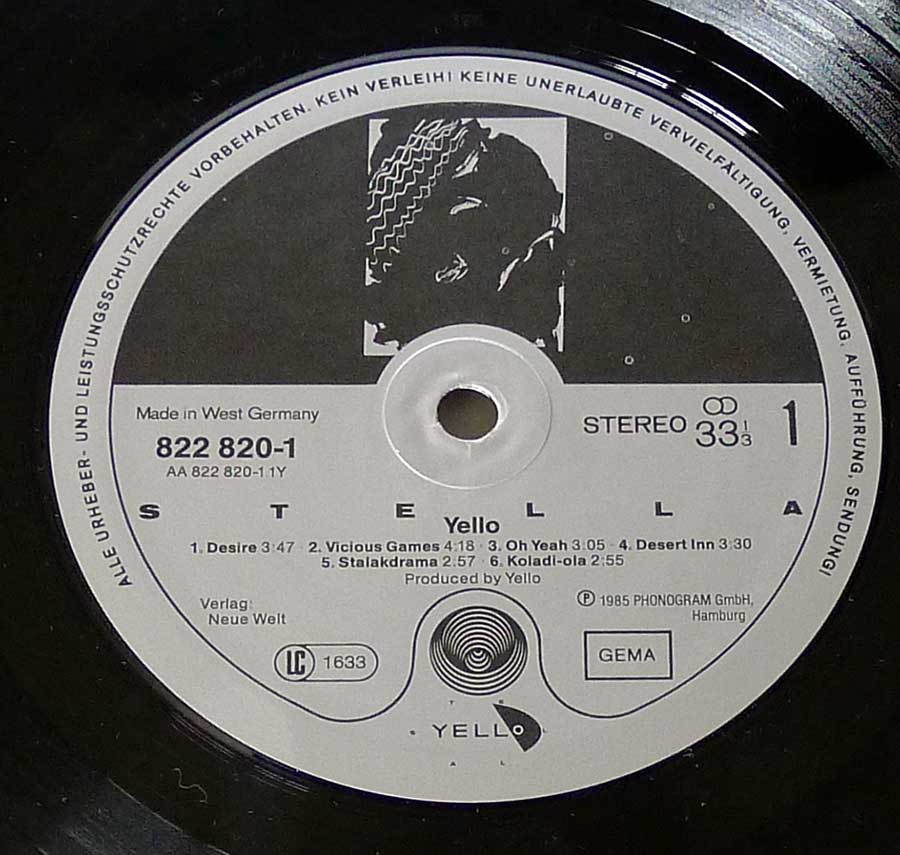
Close-up of the Side One label for Yello’s 1985 LP Stella, showing the white-grey Vertigo label design with catalog number 822 820-1, the abstract face artwork in black-and-white at the top, full Side One tracklisting, LC 1633, GEMA box, and the 1985 Phonogram Hamburg copyright line. The label layout and print quality help verify this as an authentic West German Vertigo pressing.

This Side One label of Stella presents the classic mid-80s Vertigo design: a white and grey layout with a central black-and-white print of the album’s abstract painted face at the top. The artwork sits cleanly inside a rectangular frame, giving the label a distinctive identity compared to earlier Vertigo swirl labels. The spindle hole cuts directly through the lower part of the image, revealing the natural wear patterns of a played but well-preserved record.

The left side carries the pressing information: “Made in West Germany,” catalog number 822 820-1, and the matrix reference AA 822 820-1 1Y. The right side shows the STEREO designation and the 33 1/3 RPM symbol, printed in bold black text. Beneath the center, the tracklisting for all six songs on Side One is listed in compact type, including “Desire,” “Vicious Games,” “Oh Yeah,” “Desert Inn,” “Stalakdrama,” and “Koladi-ola.”

The bottom section includes the VERLAG Neue Welt imprint, the LC 1633 label code, the Vertigo logo, the GEMA rights box, and the © 1985 PHONOGRAM GmbH Hamburg line. The circular border surrounding the label contains the standard German copyright text, crisp and fully legible. For collectors, the overall clarity of the print, the coloration of the grey band, and the precise positioning of the Vertigo logo are key indicators that confirm this as an original West German pressing rather than a later reissue.

All images on this site are photographed directly from the original vinyl LP covers and labels in my personal collection. Earlier blank sleeves or unprinted backs were not archived due to storage limits. Photo quality varies because these images were taken over several decades with different cameras. Use of images for personal or non-commercial purposes is allowed when linking back to this site; commercial use requires permission. Text on covers and labels was transcribed using a free online OCR service.

Index of YELLO Vinyl Album Discography and Album Cover Gallery

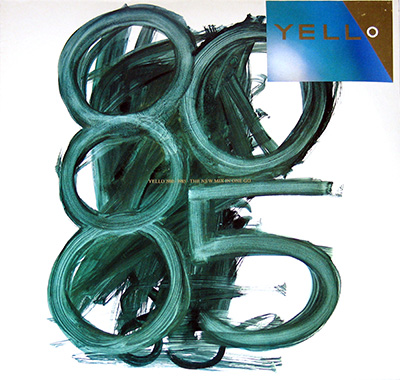
YELLO - 1980-1985 The New Mix In One Go 12" Vinyl LP
YELLO - 1980-1985 The New Mix In One Go album front cover vinyl record

The 1980s were characterized by a sonic revolution, witnessing the rise of electronic music, synthesizers, and innovative production techniques. Yello's "1980–1985 The New Mix in One Go" encapsulates this era,

Learn more
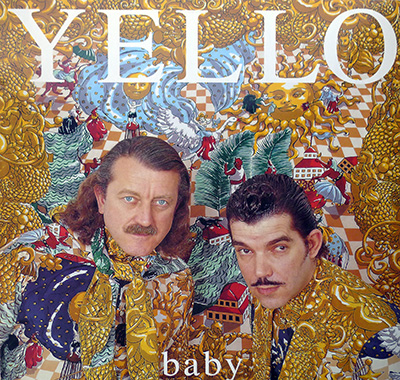
YELLO - Baby 12" Vinyl LP
YELLO - Baby  album front cover vinyl record

Yello's "Baby" (1991) is a landmark electronic album on 12" vinyl. This Swiss duo's most successful record features the iconic singles "Rubberbandman" and "Jungle Bill." Mixing danceable synth-pop with quirky experimentation

Learn more
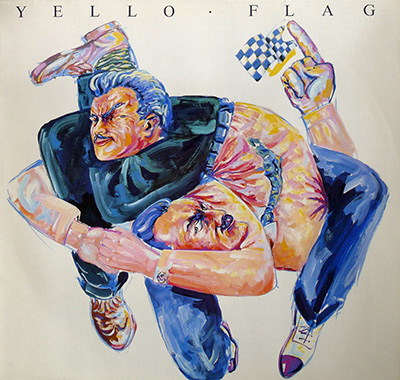
YELLO - Flag 12" Vinyl LP
YELLO - Flag  album front cover vinyl record

"Flag" opens with the iconic "The Race." This pulsating anthem instantly became synonymous with sporting events and high-energy pursuits. Built around frenetic rhythms and Boris Blank's manipulated vocals, it's a true Yello classic

Learn more
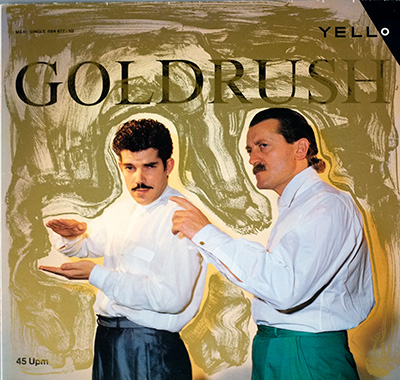
YELLO - Goldrush 12" Vinyl LP
YELLO - Goldrush  album front cover vinyl record

The mid-1980s was a period of dynamic change, both culturally and musically. As synthesizers and electronic instruments gained prominence, artists were pushing the boundaries of sonic exploration. YELLO

Learn more
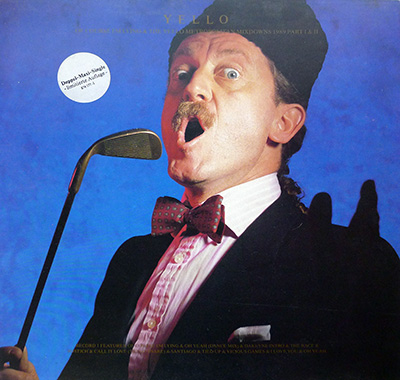
YELLO - Of Course I'm Lying Metropolian Mixdown 12" Vinyl LP
YELLO - Of Course I'm Lying Metropolian Mixdown album front cover vinyl record

Released as a limited edition 12" LP, this musical offering not only encapsulated the essence of the time but also showcased Yello's mastery in pushing the boundaries of electronic music.

Learn more
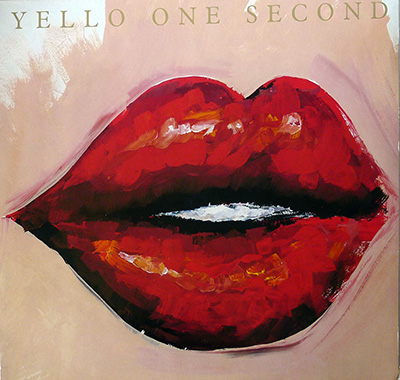
YELLO - One Second 12" Vinyl LP
YELLO - One Second album front cover vinyl record

At the album's heart lies "The Rhythm Divine," a dazzling collaboration with legendary vocalist Shirley Bassey. Her unmistakable voice soars over Yello's driving rhythms and lush synths, crafting a timeless ode to passion and desire

Learn more
Updated YELLO - Stella album front cover vinyl LP album https://vinyl-records.nl

Vertigo 822 820-1 , 1985 , German Release

YELLO - Stella

Stella hit me instantly as one of those slick mid-80s synth-pop LPs that slides between nightclub cool and cinematic tension without losing its grin. The glossy electronics, tight rhythms, and cult-favorite hooks like “Desire,” “Vicious Games,” and the legendary “Oh Yeah” make it a cornerstone for anyone into sharp, stylish electronic pop.

YELLO - You Gotta Say YES To Another Excess 12" Vinyl LP
YELLO - You Gotta Say YES To Another Excess album front cover vinyl record

The early 1980s marked a transformative period in music, witnessing the rise of electronic and new wave genres. Yello, comprising Dieter Meier and Boris Blank, embraced this sonic revolution, crafting a unique blend of electronic

Learn more