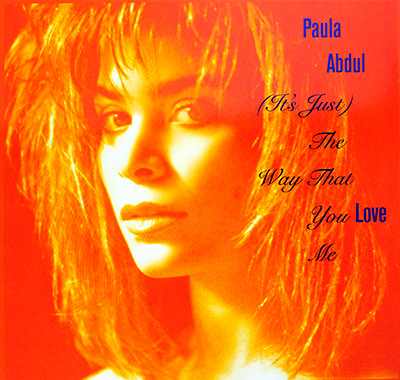
"Straight Up" (1988) Album Description:
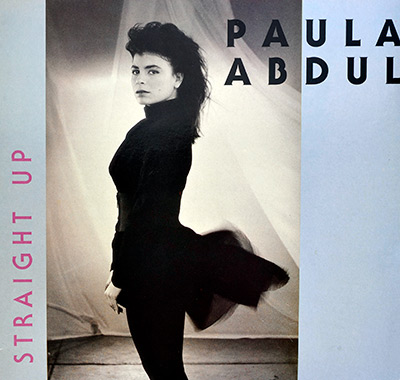
"Straight Up" is the record where Paula Abdul stops being “the choreographer who can sing” and becomes a pop event—fast. Released at the end of 1988 and exploding into early 1989, it hit No. 1 in the U.S. and did it with muscle: a dance-pop pulse tightened by new jack swing’s streetwise snap. This is what late-’80s Top 40 sounded like when it wanted the club and the living room at the same time.
The moment it hit
America in 1988 was running on FM radio, MTV rotation, and a kind of shiny optimism that looked great under studio lights. Pop was getting sharper, dance music was getting tougher, and R&B rhythms were marching right into the mainstream without asking permission. If you wanted to understand how the late Reagan era sounded in a club-friendly three-and-a-half minutes, this single is a pretty efficient piece of evidence.
Dance-pop meets new jack swing
On paper, it’s dance-pop; in the speakers, it’s dance-pop with elbows. New jack swing brought hip-hop-adjacent drum programming, clipped accents, and a funk backbone that kept songs from floating away on pure gloss. Around the same time, Bobby Brown was pushing that swingbeat attitude into the charts, Janet Jackson was sharpening pop into choreography-ready geometry, and the radio lanes between “pop” and “R&B” were suddenly very negotiable.
How it sounds, not how it specs
"Straight Up" moves like a practiced routine that still feels dangerous on the first take. The groove shuffles with a controlled bounce, the chorus hits like bright signage, and the whole track has that late-’80s texture—sleek surfaces, hard edges, and a bassline that knows exactly where the camera is. It’s flirtation with a stopwatch, and it never wastes a beat.
The hook: interrogation as dance floor fuel
The lyric isn’t trying to be poetry; it’s trying to be a confrontation you can dance to. Abdul plays the role of the person who’s done guessing, turning doubt into momentum and impatience into a hook. That simple “tell me the truth” setup is why it lands: the drama is clean, the message is blunt, and the chorus does the talking for you.
Standout cuts that frame the era
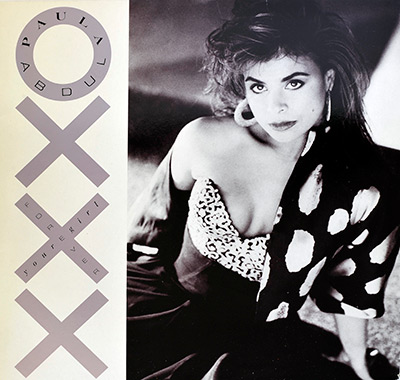
In the orbit of "Straight Up," Abdul’s early run is built for radio and mirrors. "Cold Hearted" leans darker and more percussive, a tighter bite of the same dance-pop language. "Forever Your Girl" goes warmer and sweeter, the kind of chorus you can hear coming from a car window at a stoplight.
Key people: one name that matters
The big credit here is Elliot Wolff, who wrote and produced the song with a pop craftsman’s discipline. The track’s strength is how it balances swing and sheen without letting either one win the fight. Abdul’s real advantage is that she sells it like a performer who understands timing—because she does.
From behind the scenes to center frame
Abdul didn’t come up through smoky clubs or songwriter circles; she came up through rehearsal rooms. Before the record deal, she built a name in dance and choreography, which matters because it explains the precision in her pop persona. When she steps into music, she’s already thinking in cuts, angles, and impact.
The visual push: MTV as amplifier
The single’s climb is also an MTV story: the song was already moving before the video arrived, then the screen made it unavoidable. The black-and-white "Straight Up" clip—directed by David Fincher—plays like a minimalist stage that turns motion into headline. It’s dance as marketing, and it worked because it looked like confidence instead of effort.

A pop single that doesn’t beg for attention—it organizes it.
What made it travel
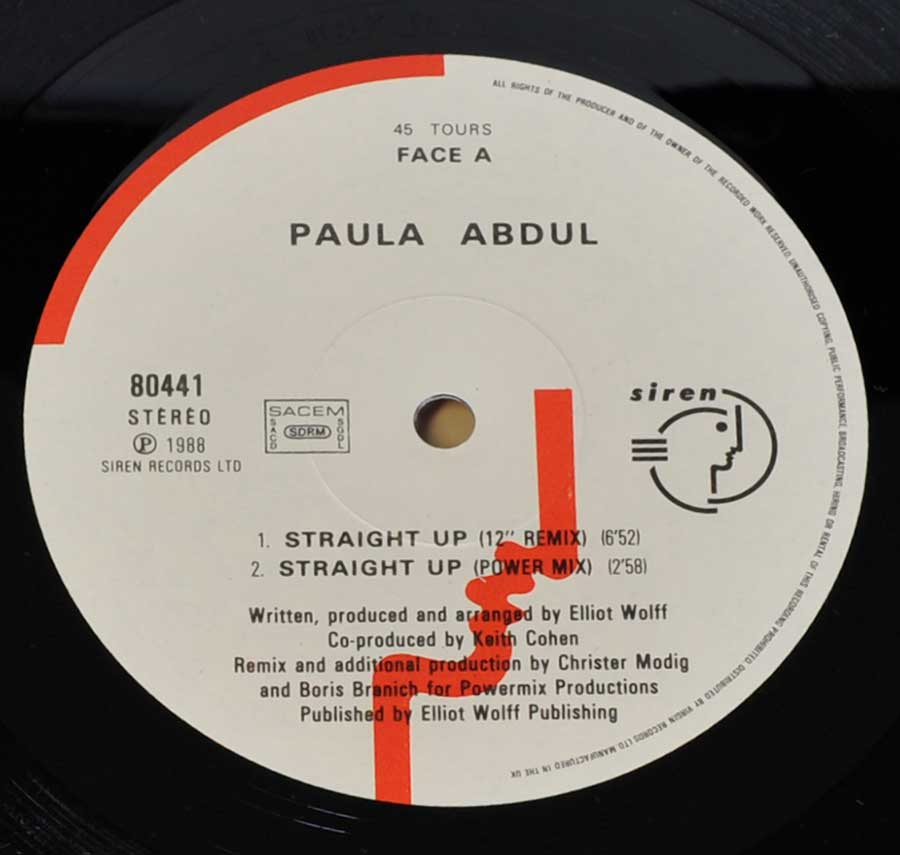
The 12" maxi format mattered because clubs still had influence, and remixes were a second life, not a bonus track. A longer mix lets the groove breathe, stretching the tension and giving DJs room to work. That’s the late-’80s system: radio makes the name, clubs keep the record hot, and MTV turns it into a face.
Fast facts, no sermon
- Released late 1988; it reached No. 1 in the U.S. in early 1989.
- Sound: dance-pop with new jack swing swingbeat and funk accents.
- Designed for crossover: pop radio polish with club-ready punch.
Controversies and noise around the success
The first “controversy” wasn’t a scandal so much as suspicion: a choreographer-turned-singer arriving fully formed made people ask what was real and what was manufactured. In the years around this breakthrough, disputes surfaced about vocals and studio process on the broader project—exactly the kind of argument late-’80s pop generated when image and production became part of the product. The point is, the noise followed the success, not the other way around.