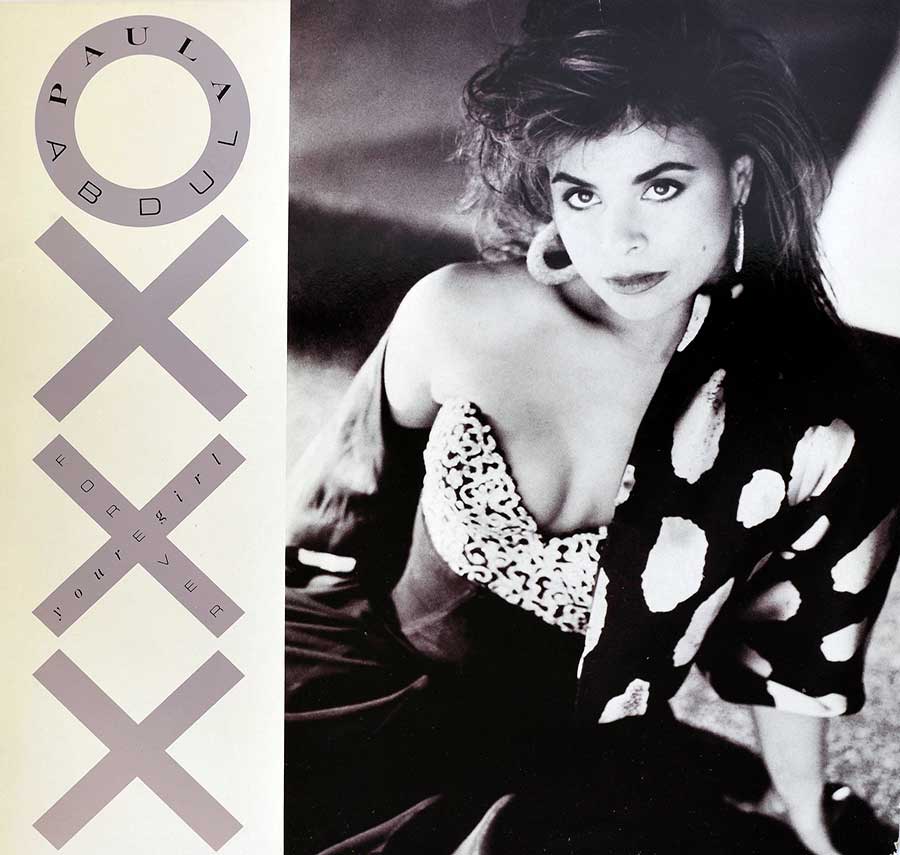
"Forever Your Girl" (1988) Album Description:
Paula Abdul’s debut didn’t kick the door in so much as it kept leaning on it until the hinges gave up. "Forever Your Girl" landed in 1988 and took an almost rude amount of time to climb—then it sat at the top like it paid rent there. The trick wasn’t mystery; it was repetition, hooks, and a clean, bright mix that sounded built for radio rotation and dance floors that didn’t care about rock critics’ feelings.
1988–1989: What Was in the Air
America was running on MTV edits, mall speakers, and the idea that a chorus should hit like a commercial you didn’t mind hearing again. Dance-pop was tightening up, borrowing street-level swing from R&B and the clean punch of early house without fully committing to either scene. Los Angeles sold polish; New York sold attitude; Detroit shipped rhythm science in plain brown boxes. Abdul arrived with the rare advantage of already understanding the camera, the cut, and the beat—because choreography is basically editing you can dance to.
Genre Placement: Same Neighborhood, Different House
The album lives in that late-80s corridor where pop, club, and R&B kept swapping clothes. It doesn’t sound like a rock record trying to be danceable. It sounds like a dance record that learned to behave on radio.
- Janet Jackson was running a harder, more architectural groove—less sparkle, more muscle.
- Madonna was selling provocation with her pop, and Abdul kept it clean and kinetic.
- Debbie Gibson leaned sweeter and more diary-page; Abdul leaned performance-first, camera-ready.
- Taylor Dayne brought big lungs and big drama; Abdul worked the rhythm and the phrasing.
- Bobby Brown’s world had grit and grin; Abdul’s world had shine and snap.
How It Sounds When the Needle Drops
This is glossy music with sharp edges hidden under the varnish. The kick lands tight, the snares pop like a finger-snap amplified, and the keyboards sit bright and flat on purpose—like neon laid against a night sky. Tempos tend to walk fast rather than sprint, which gives the choruses room to strut instead of just arriving out of breath.
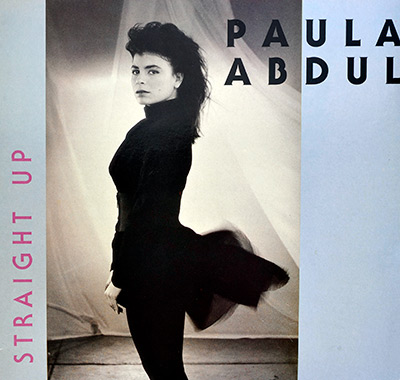
“Straight Up” moves like a dare—springy, forward, a little smug. “Cold Hearted” has that clipped tension, like someone smiling through gritted teeth. The title track “Forever Your Girl” plays the romantic angle, but the groove keeps it from turning into syrup; the rhythm section keeps tapping its watch.
The People Who Actually Made It Move
Credits matter here because the album’s personality isn’t one sound—it’s a controlled collage that still feels unified. That doesn’t happen by accident. It happens because producers and mixers keep the low end disciplined and the vocals parked exactly where the hook lives.
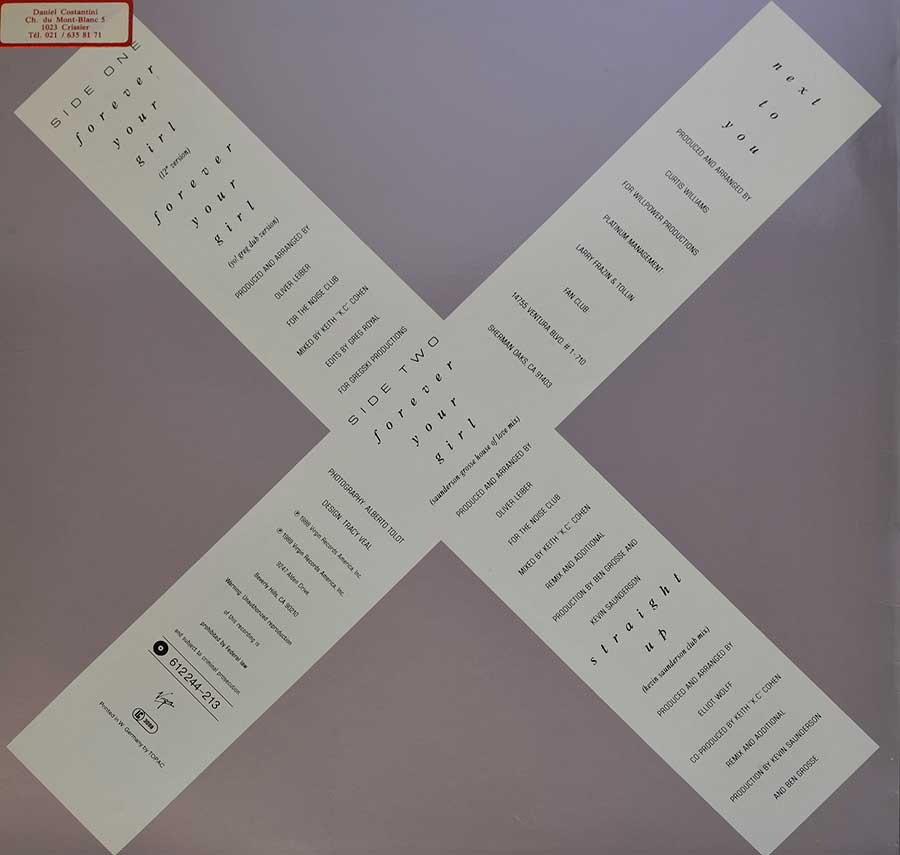
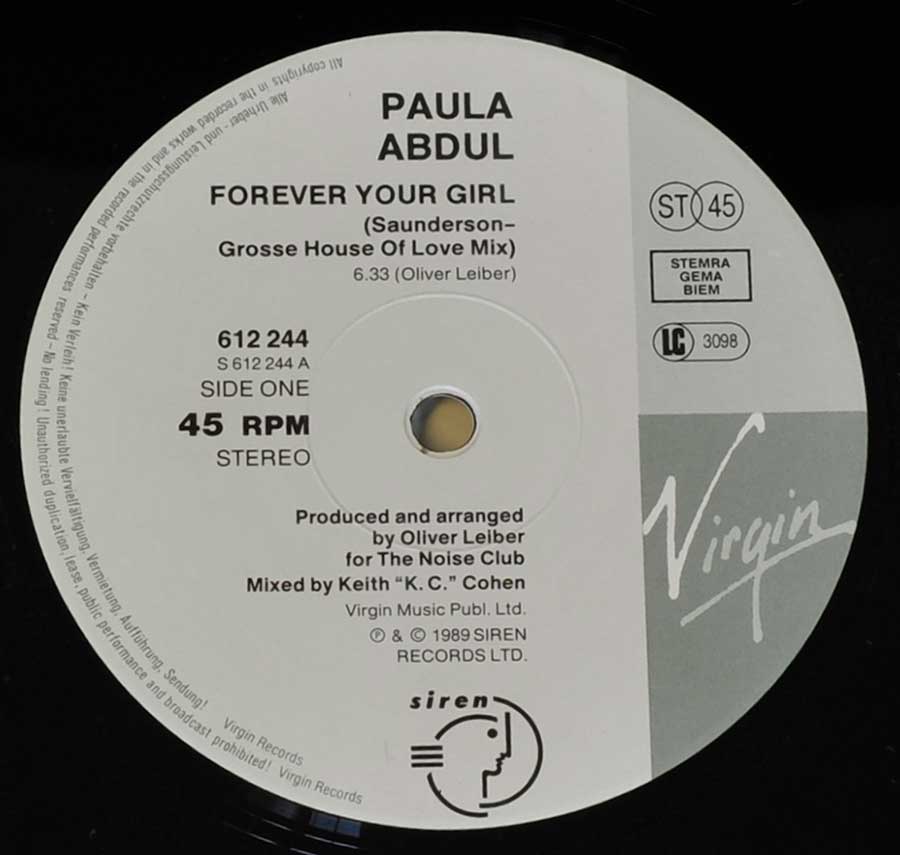
Elliot Wolff’s work on the core album-era material gives the songs their clean framing—structured, bright, and built to survive heavy replay without fraying. Oliver Leiber’s approach (especially on the 12" configuration of the title track) pushes the rhythm forward for extended play, stretching the groove so it can breathe in a club instead of rushing to the next verse like it’s late for a meeting. Keith "K.C." Cohen is the guy making sure the whole thing translates—tight bottom, clear top, and nothing turning to mush when the volume knob gets abused.
On the remix side, Kevin Saunderson brings Detroit’s sense of mechanical lift—clean, driving, functional in the best way—while Ben Grosse helps shape the extra production into something that still feels like the same song, not a science project with a borrowed vocal.
Studios and Rooms: Where the Sound Got Its Shape
The 12" title-track version has that telltale “built in a real room, finished for the outside world” feel: recorded at Creation Audio in Minneapolis, then mixed at Skip Saylor Recording in Los Angeles. That geographic split shows up in the sound—solid groove foundation first, then a mix that’s aimed straight at radio and club systems, with the vocal kept clean and the rhythm locked down.
Career Mechanics: Cause and Effect
Abdul wasn’t a bar-band lifer stumbling into a studio; she came out of choreography and performance direction, which meant timing and presentation were already hardwired. That’s why this record feels engineered for impact rather than discovered in the moment. The “formation and line-up changes” story doesn’t apply the same way to a solo pop project—here it’s producers, remixers, and studios rotating in and out, each hired for a specific job, each expected to deliver.
Controversy, or the Lack of It
No major scandal rode in on release week. The more common mess was the familiar pop dismissal: the assumption that a dancer-turned-singer must be all surface and no substance, or that the voice is just another layer of production paint. The truth sits in the mixes—sometimes the vocal is intentionally tucked into the arrangement, not because it’s missing, but because the groove is the star and the hook is the handshake.
One Quiet Personal Anchor
Late-night radio used to slip this kind of record in between louder personalities, and it always sounded louder than it was—because the mix was built to read clean at low volume. That’s a sneaky kind of power, the kind that follows you home.
References
- Billboard: the album’s slow climb to No. 1 (Oct 7, 1989)
- Wikipedia: "Forever Your Girl" album overview and personnel
- Discogs: "Forever Your Girl" 12" single credits (Oliver Leiber, K.C. Cohen, Saunderson/Grosse)
- Discogs: studio locations noted for the 12" title-track version
- Paula-Abdul.com: single-specific production notes