Boogie On Down: The Dazzling World of 1970s Disco
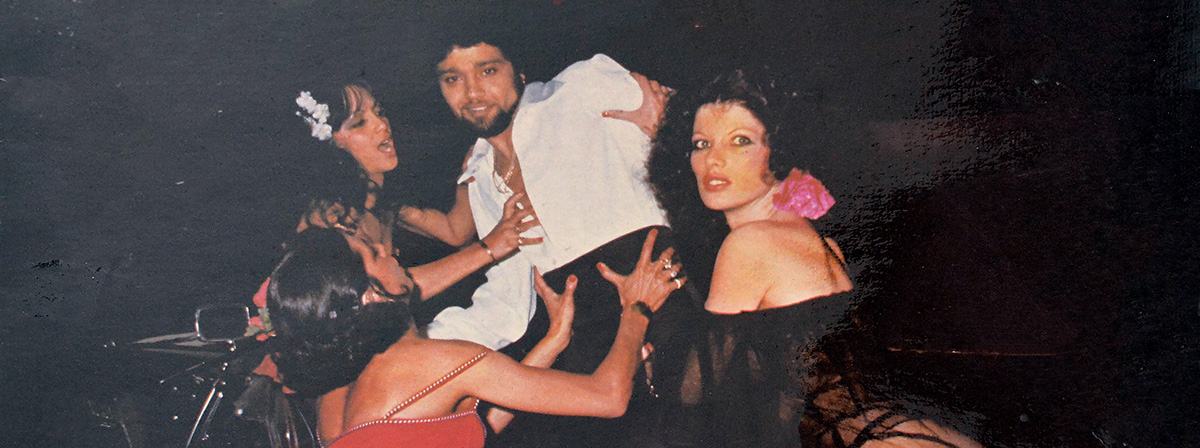
Disco didn't arrive with a mission statement. It seeped out of clubs where the lights were low, the bass was bossy, and the DJ stitched records together like it was a minor crime. Sweat, perfume, cigarette smoke, mirrorball dust. Glamour, sure. Also: sticky floors and zero patience for anybody standing still.
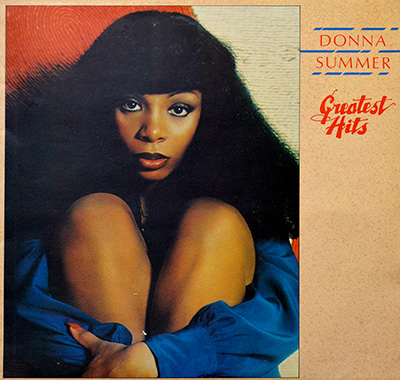
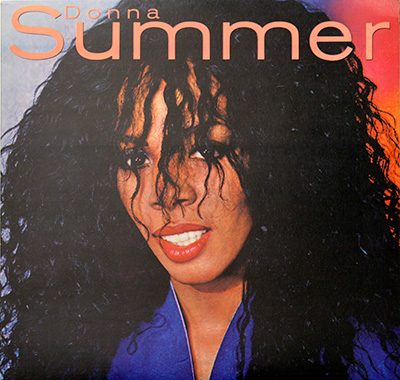
Donna Summer sat right at the center of it, not politely, but like a spotlight that won't stop hunting you. "I Feel Love" (1977) still sounds like the future showing up early, all pulse and glare, and then she turns around and drops "Hot Stuff" (1979) with the kind of force that makes a room collectively lose its dignity.
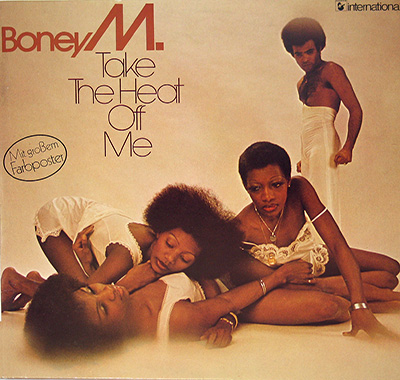
Frank Farian's Boney M came out of West Germany as a producer-built machine with an international face, and it worked because it didn't pretend to be deep. It just moved. "Daddy Cool" and "Rasputin" were the kind of party logic you didn't argue with; you surrendered, rolled your eyes, and ended up dancing anyway.
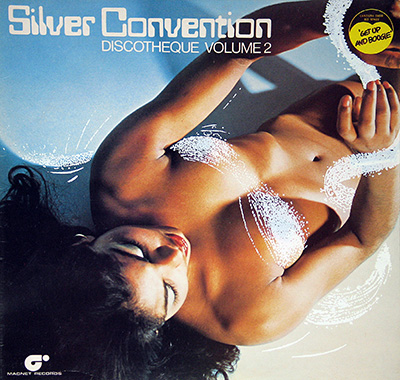
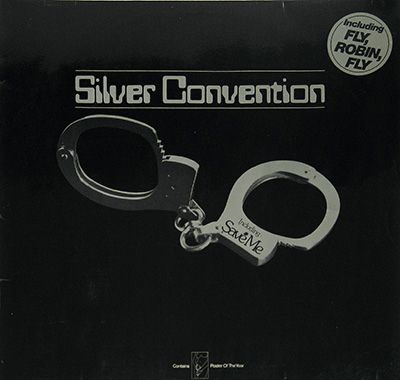
Silver Convention were a different flavor: Munich polish, big hooks, and that sleek Eurodisco shine. "Fly, Robin, Fly" (1975) is basically a runway strut turned into sound, and it still has that bizarre magic trick quality: minimal words, maximum obedience from your feet.
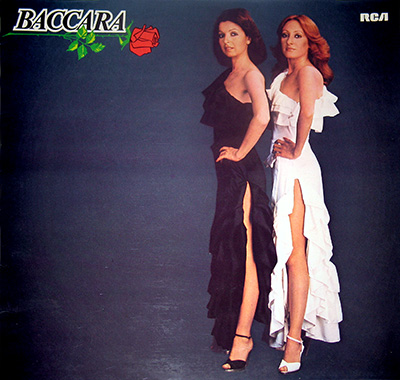
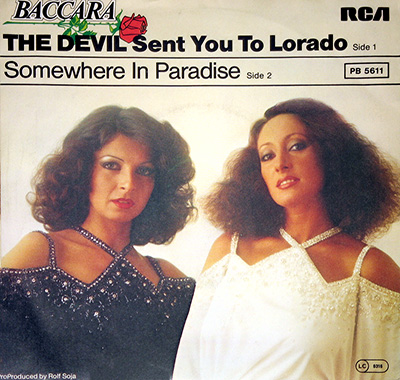
Baccara, meanwhile, did the soft-focus version of the decade. "Yes Sir, I Can Boogie" (1977) is shameless and a little kitsch, which is precisely why it lasted. Disco had room for velvet-and-candlelight as well as strobe-and-chaos. Anyone telling you it was all one thing is selling you a tidy lie.
Then you've got the sharp-dressed operators: Chic, New York clean and razor-tight. "Le Freak" (1978) doesn't drift; it snaps. Earth, Wind & Fire could out-musician half the planet and still lock into the groove when disco demanded it. When those horns hit, it felt less like "history" and more like the room itself deciding to levitate.
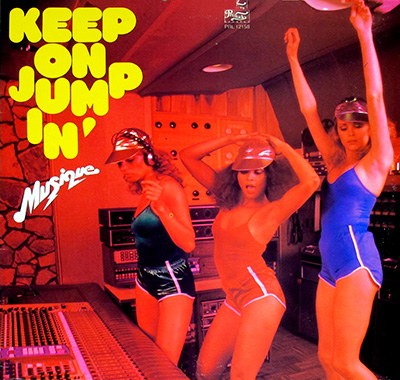
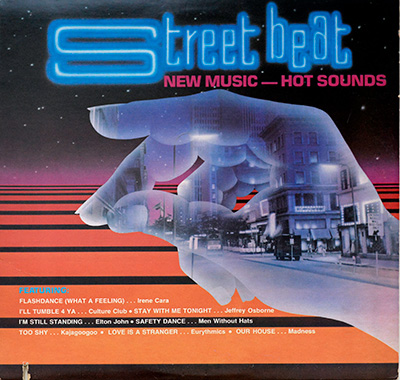
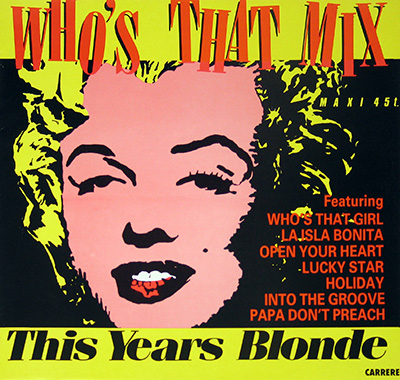
A quiet personal anchor: the 12-inch singles in the local record shop always looked slightly abused, like they'd already done a few sweaty shifts before you even bought them. That format mattered. DJs wanted control, not just songs. Longer mixes, heavier bass, more runway to work with.
And then "Saturday Night Fever" lands in December 1977 and suddenly disco isn't just for the people who knew which club to queue for. It spills into living rooms and cheap hi-fi systems, where everyone tries to look cool and mostly fails. Disco didn't "fade" so much as get renamed, repackaged, and sold back to you with a different haircut. Same heartbeat.
References / citations
- Encyclopaedia Britannica: Disco (history & context)
- Pitchfork: The story of Donna Summer's "I Feel Love"
- Boney M (formation, origin, classic lineup)
- Silver Convention (Munich-based Eurodisco act)
- "Fly, Robin, Fly" (Silver Convention single details)
- "Yes Sir, I Can Boogie" (Baccara single details)
- "Le Freak" (Chic single details)
- IMDb: Saturday Night Fever (1977 release info)
- Vinyl Records and Album Cover Gallery (high-resolution cover photos)