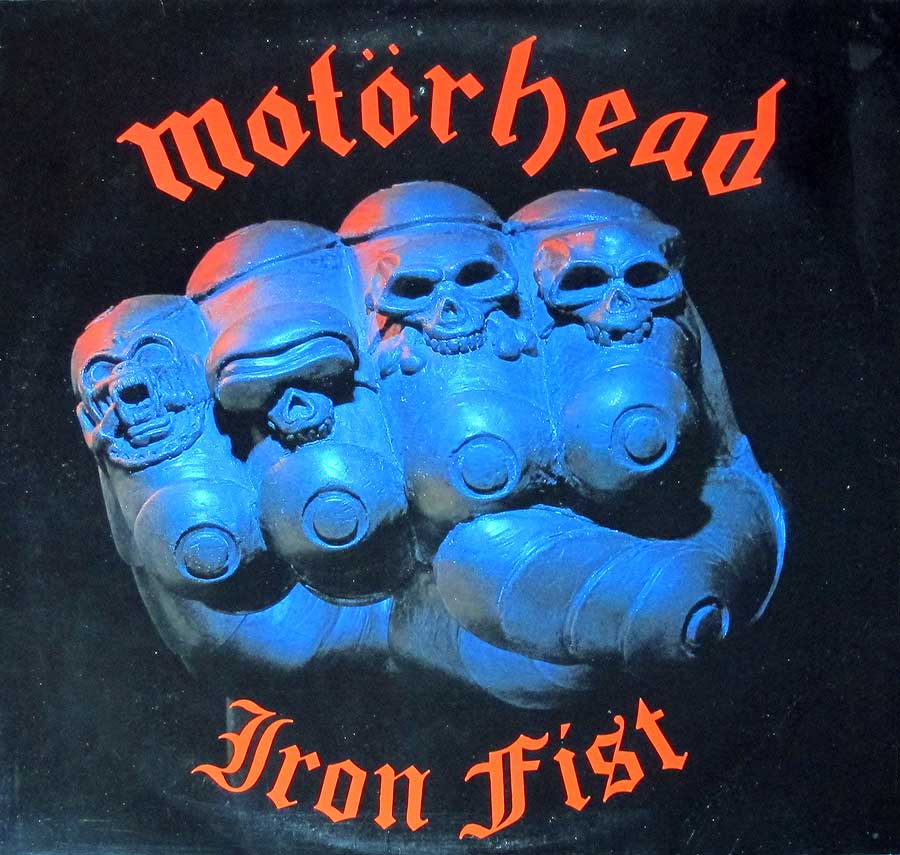
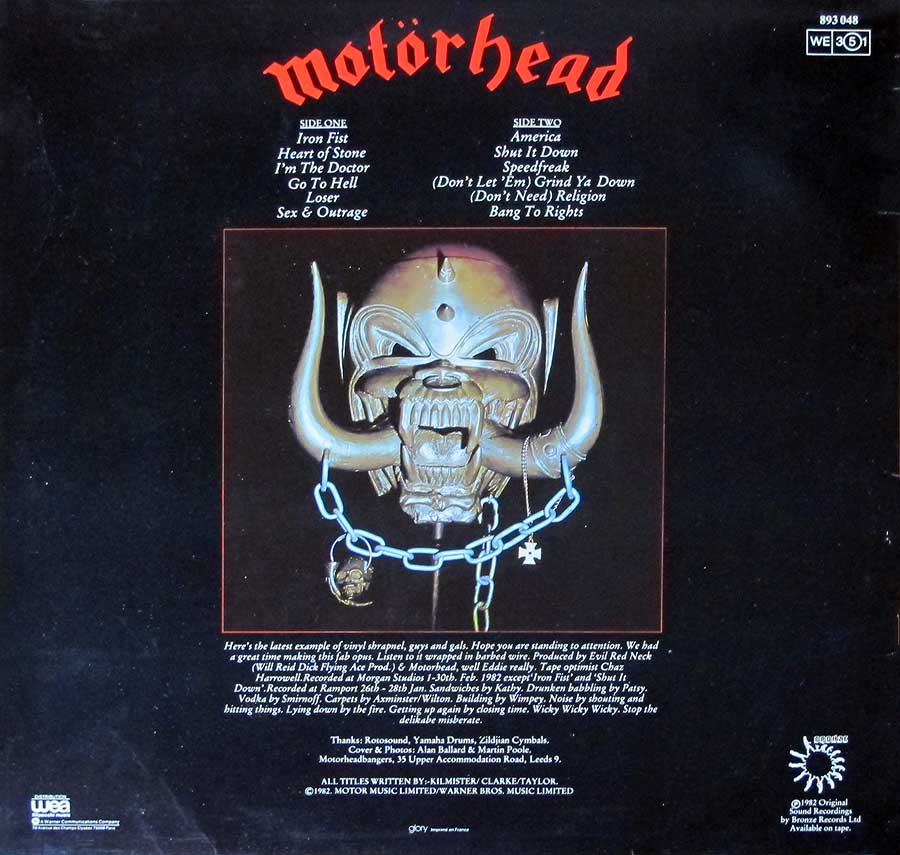
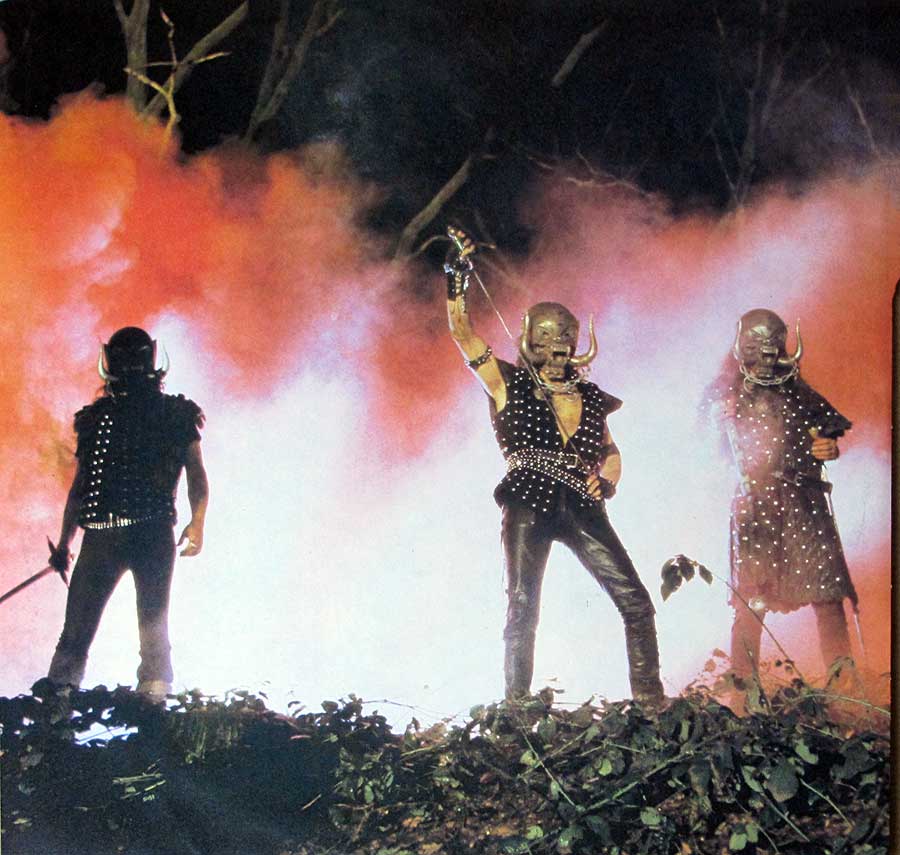
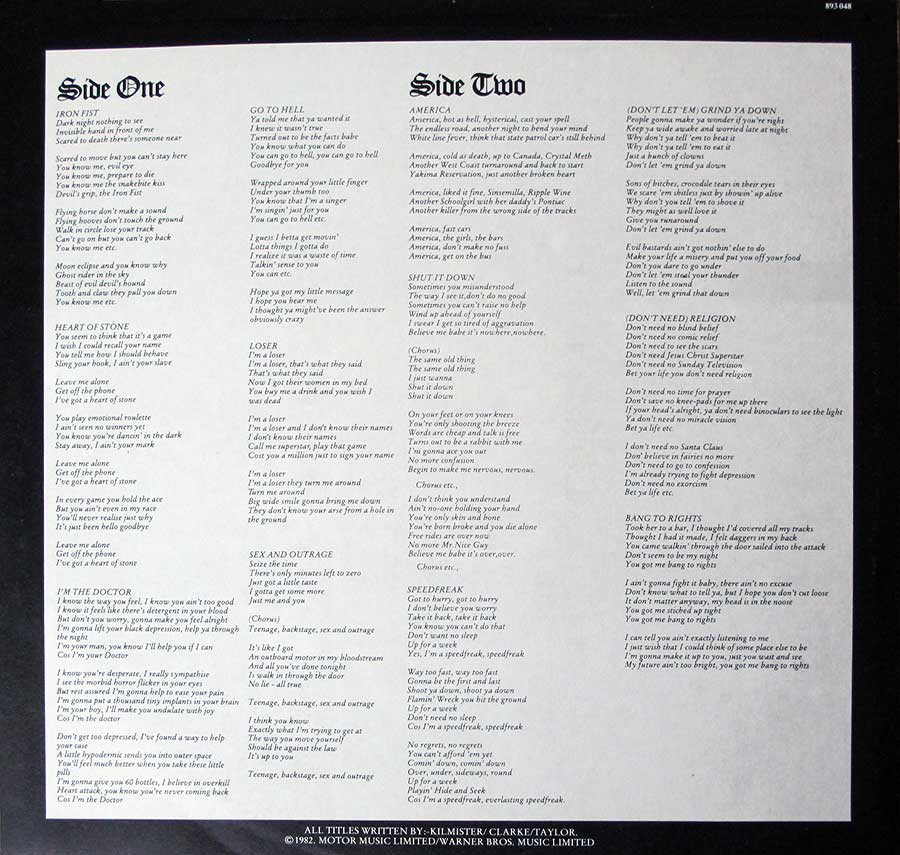
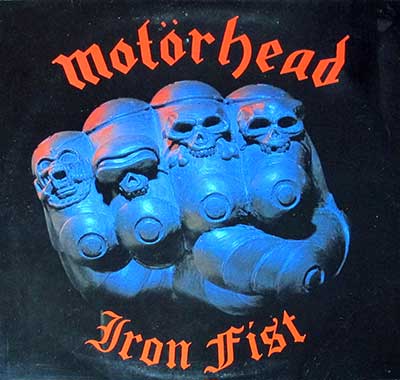
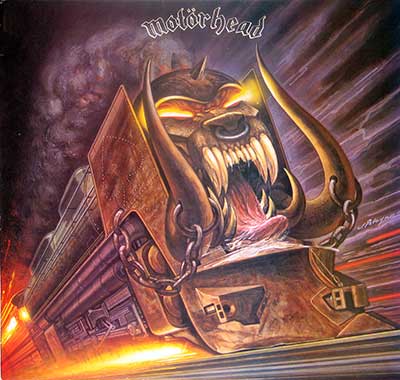
In the bleak, Thatcher-era landscape of 1982, amidst rising unemployment and societal unrest, there was one band that refused to yield, one band that embodied the raw, unyielding spirit of the times: Motorhead. With their sixth studio album, 'Iron Fist,' they delivered a sonic punch to the gut, a relentless barrage of speed, aggression, and unapologetic defiance.
This wasn't just another album; it was a declaration of intent. Recorded at the legendary Jackson's Studio in Rickmansworth, England, under the watchful eye of producer Will Reid, 'Iron Fist' saw Motorhead pushing their boundaries, exploring the outer limits of their signature sound. It was a time of transition, with guitarist "Fast" Eddie Clarke increasingly at odds with Lemmy and drummer Phil "Philthy Animal" Taylor. The tension was palpable, fueling the music with an added edge of intensity.
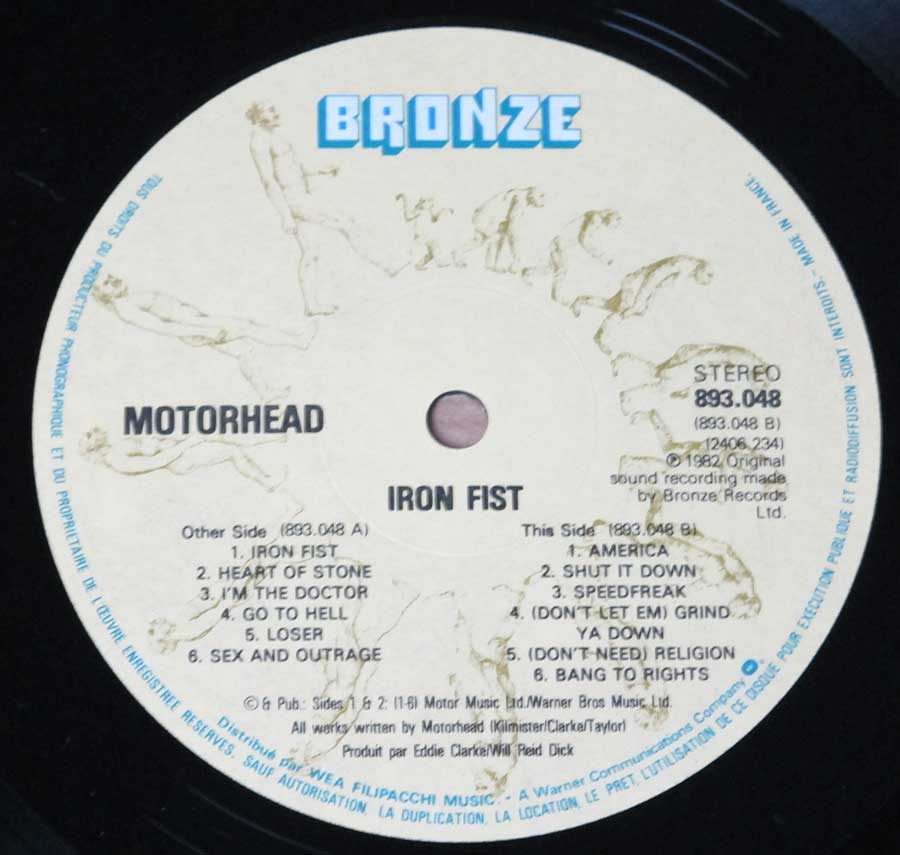
'Iron Fist' wasn't a departure from Motorhead's established sound; rather, it was a refinement, a distillation of their essence. The album's opener, the title track, is a prime example, a breakneck-paced assault on the senses, Lemmy's gravelly vocals snarling over a maelstrom of distorted guitars and thunderous drums. Other standouts like "America" and "(Don't Need) Religion" showcase the band's ability to craft anthems of rebellion, their lyrics railing against conformity and hypocrisy.
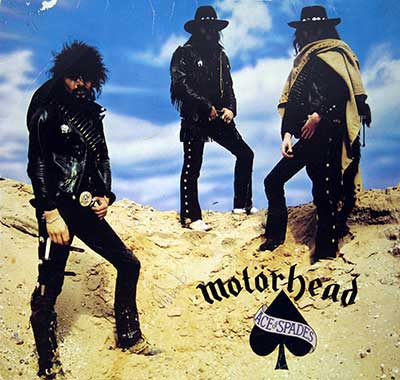
However, 'Iron Fist' wasn't without its controversies. Some critics accused the band of softening their sound, of sacrificing their raw power for a more polished production. Others lamented the absence of longer, more epic tracks like those found on their previous album, 'Ace of Spades.' Yet, these criticisms missed the point. 'Iron Fist' was Motorhead's response to the changing times, a testament to their resilience and adaptability. It was an album that captured the zeitgeist, reflecting the anxieties and frustrations of a generation disillusioned with the status quo.
The production team, led by Will Reid, played a crucial role in shaping the album's sound. Reid, known for his work with bands like the Plasmatics and Saxon, brought a sense of clarity and focus to Motorhead's sonic assault. While the album's production may have been slightly more polished than their earlier work, it didn't compromise the band's raw energy. Instead, it allowed their music to reach a wider audience, further cementing their status as one of the most influential bands of their era.
In the world of rock and roll history, 'Iron Fist' stands as a testament to Motorhead's unwavering spirit. It's an album that refuses to be tamed, an album that continues to resonate with listeners today. It's a reminder that even in the darkest of times, there's always room for rebellion, for defiance, for the unbridled power of rock and roll.